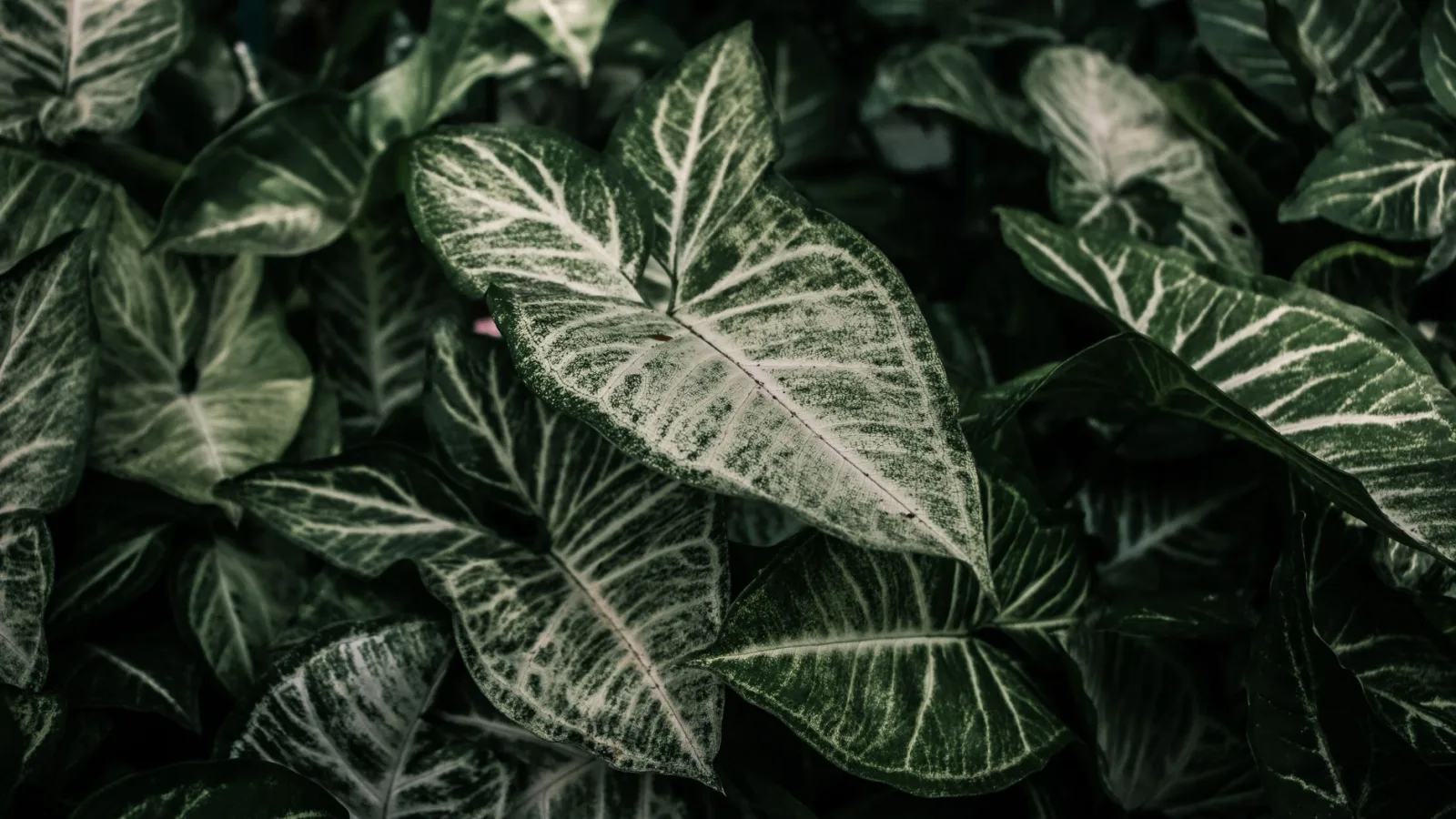
In a Northern Hemisphere garden, October is when the leaf tips of arrowhead growing in a water-filled rubber tub start to turn yellow. The tubers buried in spring have sent up leaves all summer, and now new tubers are swelling at the ends of runners hidden in the mud. In November or December, once the leaves have died back completely, you dig through the bottom of the tub to harvest them. Arrowhead (Sagittaria trifolia; sogwi-namul in Korean) is an aquatic plant in the water-plantain family, and it's grown for these tubers. So how did a medical text written more than 400 years ago describe it?
'Mul-ut' in the Dongui Bogam
The Dongui Bogam is a medical compendium compiled in the early 17th century by Heo Jun, a physician to the Joseon court. Its herb section (草部) lists the arrowhead group under the name yajago (野茨菰) and gives the native Korean name as "mul-ut." In plain English, the entry says this:
- It is cold in nature, bitter in taste and nontoxic.
- It grows in rice paddies, fields and open country, and can be found almost anywhere.
- The plant once called jeondocho (剪刀草, "scissors herb") for its scissor-shaped leaves is the same as yajago.
- Citing a folk practice (俗方), the entry says that in famine years, when the grain failed to ripen, people dug up the roots, boiled them and found them very good to eat.
"Cold" and "bitter" are terms traditional medicine used to classify the nature and flavor of foods and medicines. They weren't measured with a thermometer or tested in a lab, and this entry alone can't tell us that the plant treats any particular illness. Let's be clear about this from the start: what old medical texts say about a plant is not the same as a modern nutritional assessment. You can read the original text and our commentary in Homiclub's Dongui Bogam entry for mul-ut.
Source: Heo Jun, Dongui Bogam, herb section (草部), "Yajago (野茨菰)"
How It Compares With What We Know Today
Modern crop references describe the same tuber by what it contains and how it behaves in the kitchen. Field guides list these components:
- Starch: the carbohydrate stored in the tuber. Boiling makes it fluffy and mealy, and in the body it supplies calories.
- Potassium: a mineral found in many vegetables.
- Dietary fiber: part of what gives the tuber its texture.
The two records agree on the famine passage. The old note that boiled roots tasted very good fits the way stored starch turns fluffy as it cooks. A starchy tuber is filling and supplies calories, so it likely served as a famine food, the kind of thing people ate to get through hunger, in years when grain ran short. And since the text says it grew all over paddies, fields and open country, it was easy food to dig up.
The two records also differ. The old text described the plant's cold, bitter nature, while modern records list its components. Potassium and fiber turn up in many vegetables, so they alone don't show that arrowhead has any special benefit. The tuber itself has also changed. The yajago in the Dongui Bogam was a wild plant. The tubers sold today as jago (慈姑, often labeled Chinese arrowhead) come from a crop that growers developed by selecting Sagittaria lines with larger tubers.
Growing It in a Tub of Water
Arrowhead naturally grows in rice paddies and along the water's edge, so in a home garden you grow it in a large container or rubber tub that holds water without draining. In the Northern Hemisphere, plant tubers in April or May and harvest in November or December.
- Planting: Spread a thick layer of paddy soil or clay in the bottom of the container. Bury the tubers with the sprouts pointing up, then add water until it stands above the soil.
- Care: Water evaporates quickly in summer. Top it up often so the soil is never exposed.
- Harvesting: When the leaves yellow and wither, drain the water and dig through the soil by hand. You'll find the tubers attached to the ends of the runners.
Planting and harvest months, along with dishes that suit arrowhead, are in our arrowhead crop guide.
Bringing It to the Table
For your first harvest, start the way the old text describes: peel the tubers and simply boil them. That's also your chance to taste for yourself how much of the bitterness the Dongui Bogam mentions actually comes through. The guide suggests these ways to eat them:
- Soy-braised (jorim): Add soy sauce and rice syrup to boiled tubers and simmer briefly over gentle heat. If they cook too long, they'll fall apart. This braise was traditionally served in the first month of the new year.
- Thinly sliced and fried: Peel the raw tubers, slice them thin and soak them briefly in cold water. This rinses off the surface starch so the slices don't stick together. Fry them in oil until the starch sets and they turn crisp, then sprinkle with salt and nothing else.
- Cooked with rice: Halve boiled tubers, lay them on top of the rice and cook it as usual. The texture is similar to rice cooked with chestnuts, but it isn't as sweet. Serve with seasoned soy sauce on the side.
If you have arrowhead growing in a tub, check the water level today and top it up so the soil stays covered. If you don't grow it yet, choose a spot now for the tub where you'll plant tubers next April or May.