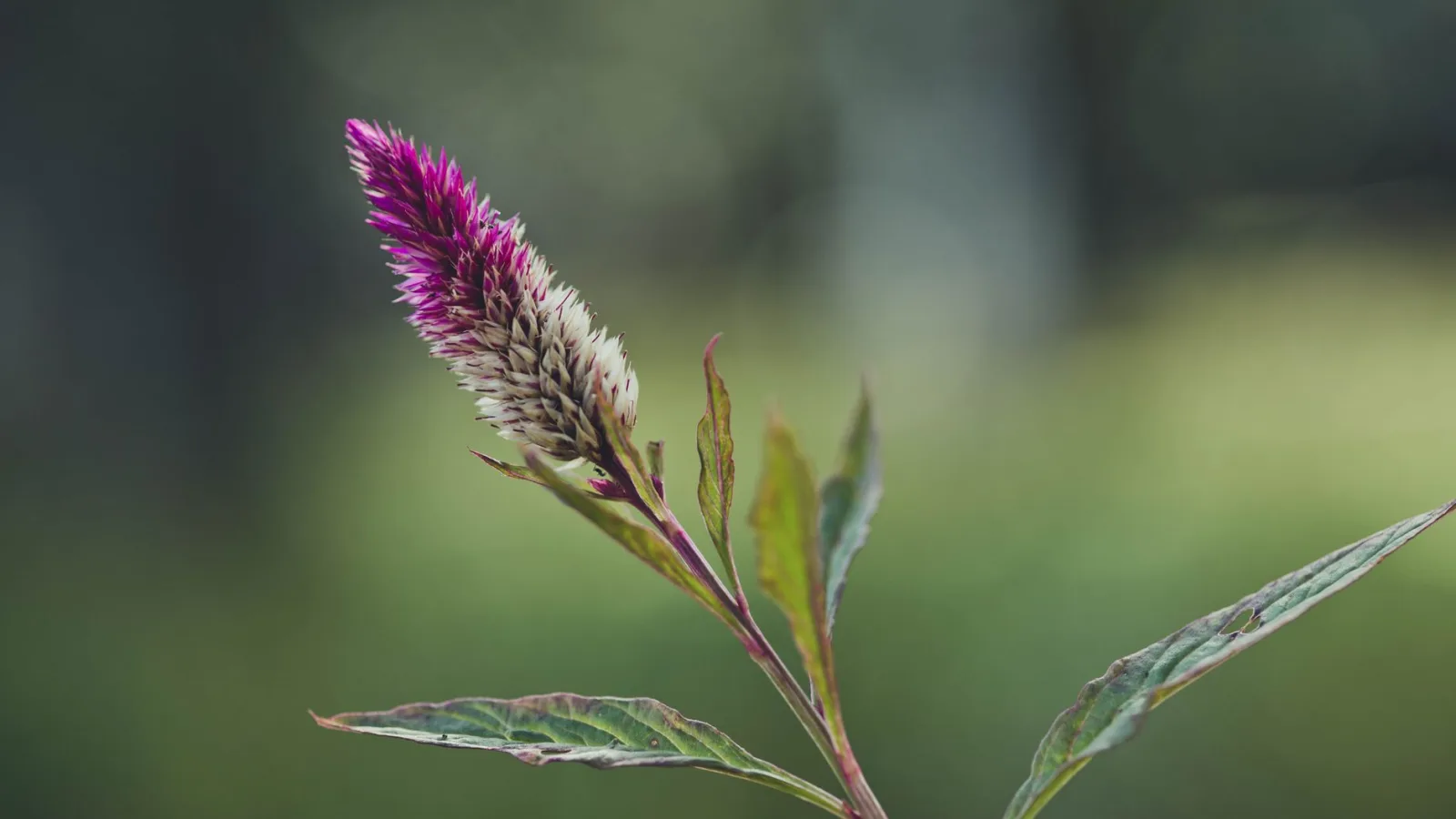
In the back row of the August garden, silver cockscomb sends up straight, silvery flower spikes. Where the sun falls all day the stalks stand upright; on the shaded side they lean. It's a plant that shrugs off heat and dry ground, so even through a midsummer drought the lower leaves stay tender. Now is the time to take the young leaves first and the seed after.
What's in the leaves
Silver cockscomb belongs to the amaranth family. Leafy greens in that family contain oxalic acid, and cockscomb leaves are no exception. Oxalic acid is the organic acid behind the leaf's astringent edge. That's the reason the leaves aren't eaten as they come, but blanched once first.
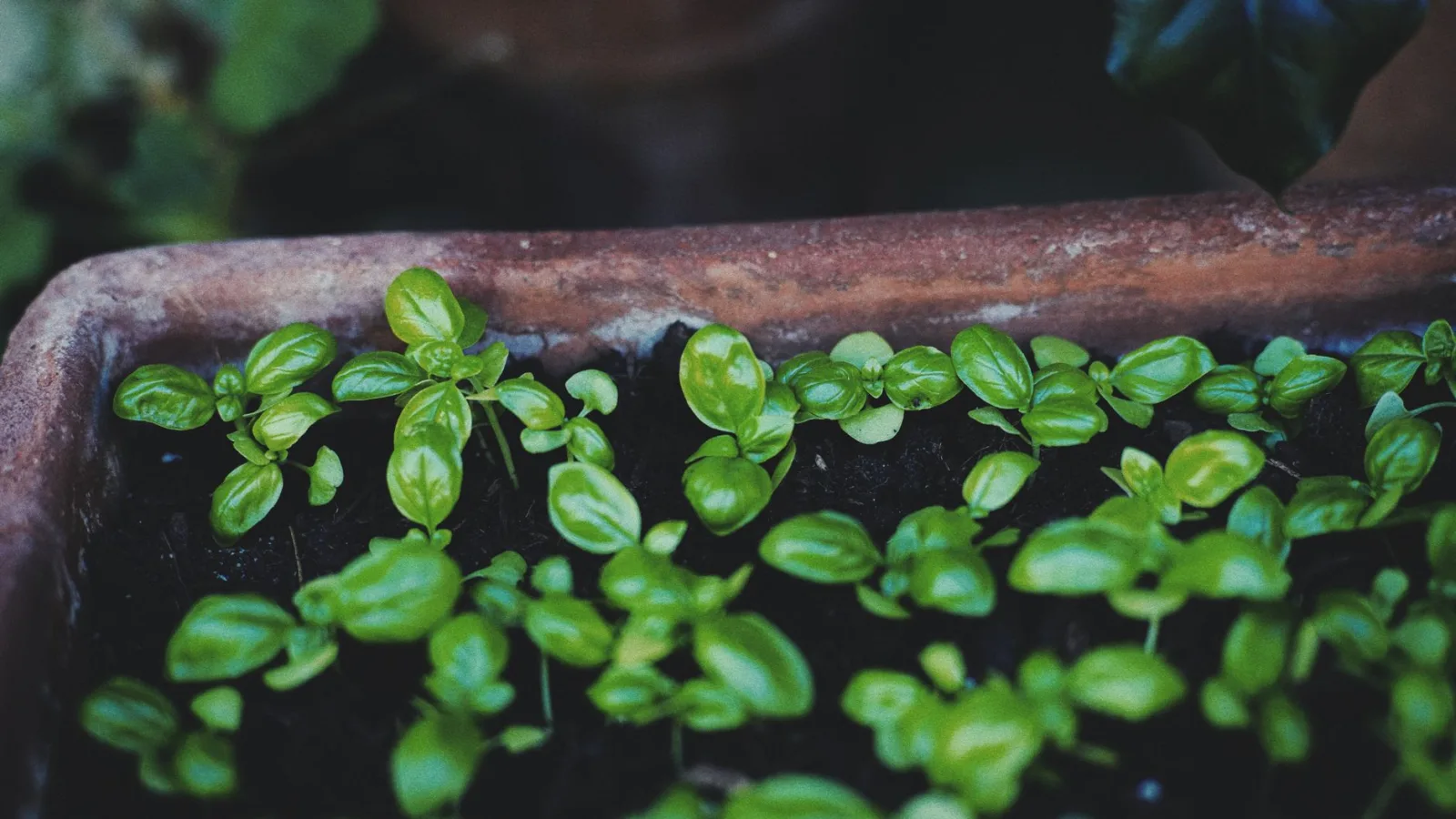
The deep green leaves carry beta-carotene, a carotenoid pigment that makes the leaf color. Dietary fiber survives the blanching, so the leaves keep their chew. Dressed as namul they don't collapse into mush — they hold their grain.
Blanch them, and pour the water off
A number of food analyses report oxalic acid in amaranth-family greens, along with measurements showing that some of it leaches into the water during blanching. That's the basis for a prep step that has long since become habit: blanch the young leaves and throw the water out. These are findings about composition, not claims about disease.
Salt a pot of boiling water lightly, blanch the leaves just until they wilt, then lift them out and rinse in cold water. Wring them dry and dress them — it's the same method as amaranth namul, so there's little to go wrong.
- Doenjang dressing — Dress the wrung-out young leaves with doenjang (fermented soybean paste) and sesame oil. Go light on the garlic so the flavor of the leaf still comes through.
- Perilla seed dressing — Toss the blanched leaves with ground perilla seed, or sauté them with just enough liquid to coat. The richness soaks into leaves that have gone dry and makes them easier to eat. In soup, stir it in at the very end.
- Toasted seed tea — Drop a pinch of lightly toasted seed (as much as you can pick up between thumb and forefinger) into water, boil about 5 minutes, and strain. Long boiling turns it muddy, so keep the simmer short.
The black seed you collect in fall
Leave the flower stalks standing and small black seeds ripen out in the fall. Gather them, toast them lightly, store them airtight, and brew a batch at a time — the aroma holds for a long while.
The Donguibogam (a Korean medical compendium compiled in 1613) lists this seed in its herb section (草部) as cheongsangja (靑箱子), with the Korean name written as "gaemaendeurami-ssi," cockscomb seed. It describes the seed as slightly cold in nature, bitter in taste, and non-toxic, and identifies it as the seed of the cockscomb. It even sets down the handling: gather the seed in the sixth and eighth lunar months, toast it lightly, then crush it before use. What the old medical texts say is not what we would conclude today. Read them as record, and let today's standards decide how much you eat and how.
Sun, temperature, and the year after
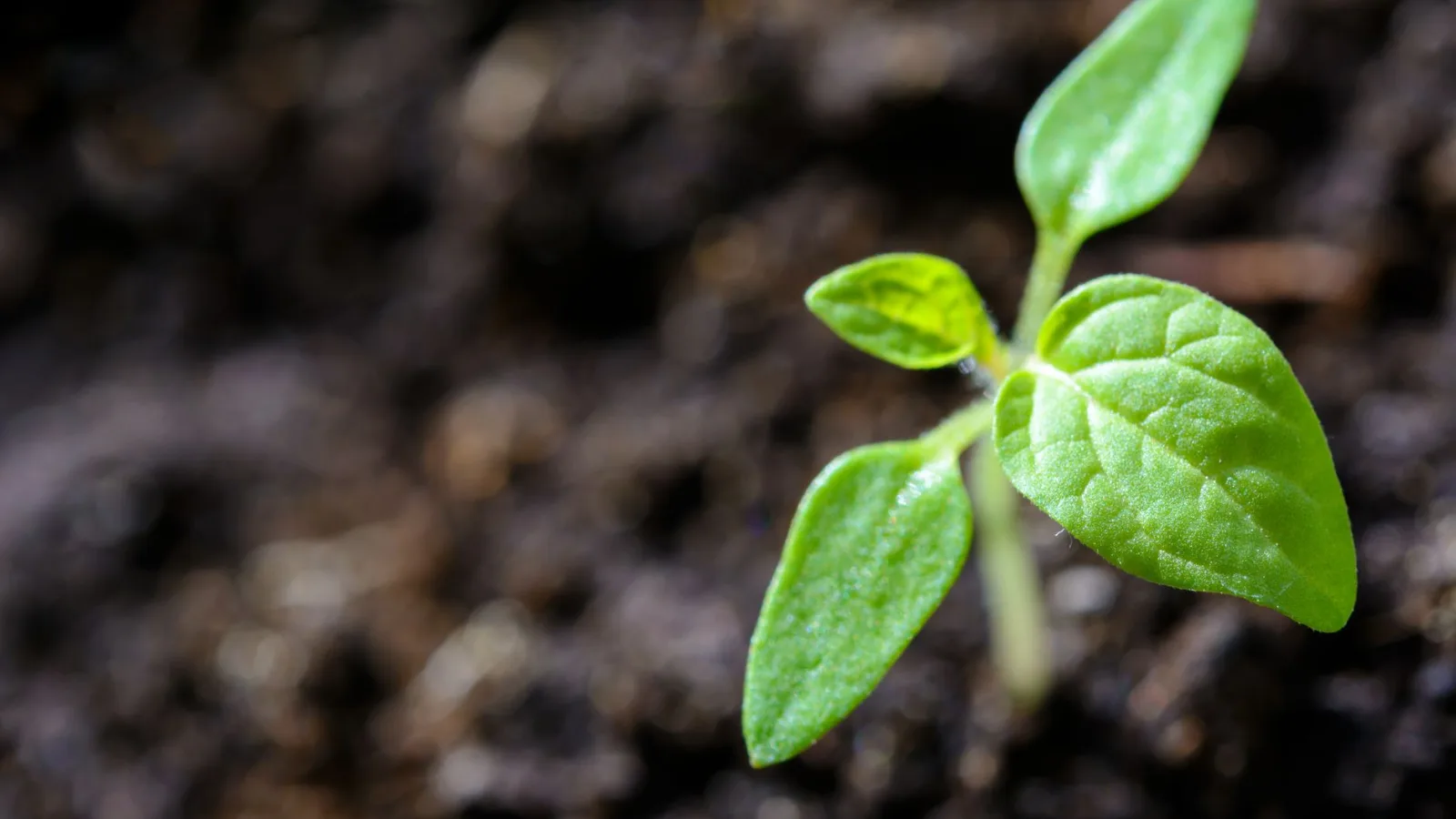
It grows best at 20–30°C (68–86°F) and will grow anywhere between 15 and 35°C (59–95°F). Frost kills it, so collect the seed before the first one arrives. As the days shorten, the flower stalks rise. In the Northern Hemisphere, sow in April or May and you'll harvest leaves, then flowers, then seed straight through from July into September. In the Southern Hemisphere, shift the calendar by six months. Seed that drops on its own comes up readily the following year.
It's grown widely as a leaf vegetable in Nigeria and Benin, cultivated in China, and found growing wild in India. Records of eating the leaves of Celosia as a vegetable appear in food-plant references for tropical Asia and Africa. All of them describe the same step: blanch the young leaves.
Head out to the garden today and pick just a handful — only the leaves still tender, low on the stalk. Blanch them, pour off the water, dress them with doenjang, and you have a side dish for a meal. Leave the flower stalks where they stand, and collect the black seed in September.
Source · Donguibogam, herb section, Cheongsangja