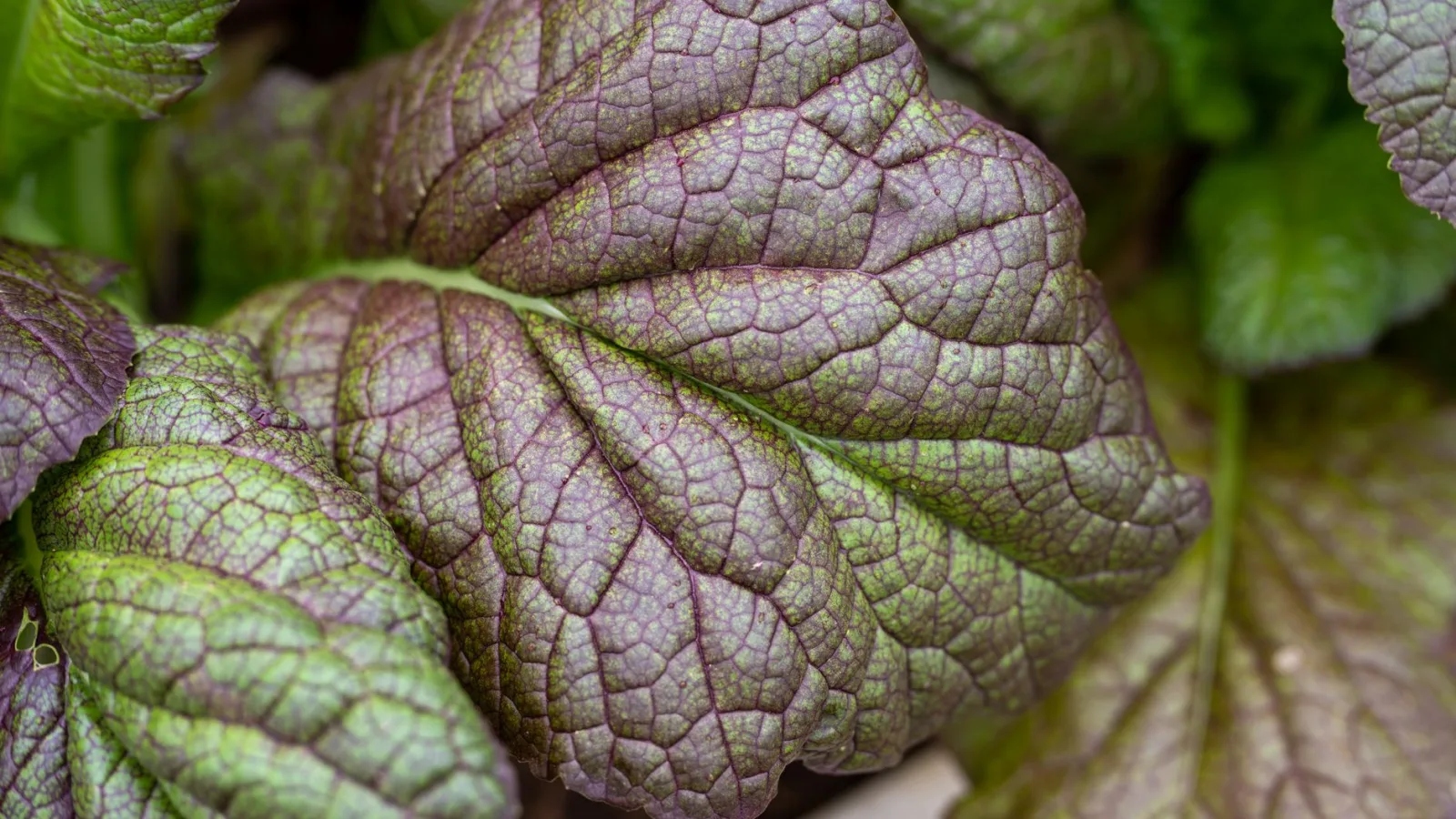
The Peppery Leaf in the Corner of the Garden
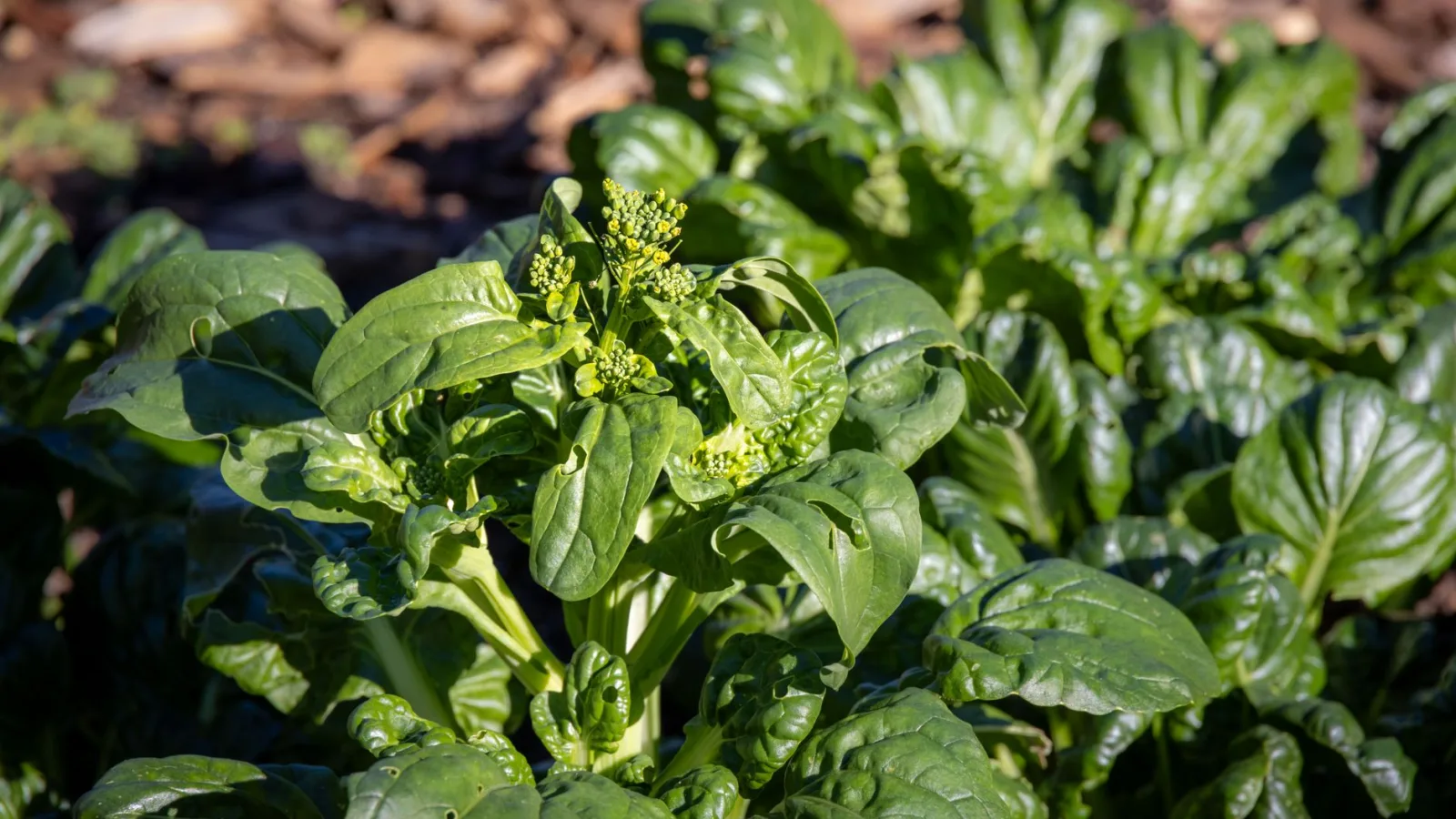
If you can spare a corner of the garden in late fall, give it to gat — Korean leaf mustard. It holds its green through two or three frosts, and the cold only improves it: the leaves grow thicker, the flavor sharper. Tear off a single leaf, chew it, and the heat travels straight up to the tip of your nose. That heat is precisely why people of earlier centuries treated mustard greens as medicine.
It's familiar food, too. There's gat-kimchi in the southern provinces, salty gat-jangajji (mustard greens pickled in soy), and gat-namul — the leaves blanched and dressed. One bundle harvested from your own garden goes a long way toward filling out a winter table. It asks little of you and gives back over a long stretch from a single planting, which makes it a generous crop for anyone working a small plot. Today, let's look at how the Donguibogam understood this everyday vegetable.
What the Donguibogam Recorded
Of mustard (芥), the Donguibogam — the seventeenth-century compendium that remains Korea's foundational medical text — wrote that it is "warm in nature, pungent in flavor, and free of toxicity" (性溫, 味辛, 無毒). That warmth and that strong pungency are the two bones of its character.
As for what it does, the text holds that mustard "clears ill humors from the kidneys, opens the nine orifices, brightens the ears and eyes, quiets coughing and rising qi, warms the middle, and dispels wind from the head and face" (除腎邪, 利九竅, 明耳目, 止咳嗽上氣, 能溫中, 去頭面風). The reading is that the pungency opens what has been stopped up, while the warm nature heats an interior gone cold. It also notes that "the flavor of mustard returns to the nose" (芥味歸鼻) — that its heat acts on the nose and the airways.
The seed, mustard seed (芥子), gets its own entry: it "treats swelling and numbness from wind-toxin, blood stagnation from blows and injuries, and pain in the lower back" (治風毒腫及麻痺, 撲損瘀血, 腰痛). Roasted, ground, and made into a paste, it "opens and eases the five viscera" (能通利五藏). The text distinguishes yellow, purple, and white mustard, and calls the seed of white mustard (白芥) the best of the three for medicinal use. White mustard seed "governs rising qi, brings on a sweat, and disperses cold phlegm in the chest" (主上氣, 發汗, 胸膈痰冷) — and the text goes so far as to say that phlegm lodged beneath the skin and outside the membranes can be reached by nothing else.
In sum: the Donguibogam saw mustard greens as a warm, pungent plant that heats the interior and moves stagnant qi — a vegetable for coughs accompanied by cold phlegm, and for the airways in general.
Held Up Against Today's Nutrition
The old line about the pungency "going to the nose" lines up neatly with what anyone notices about mustard greens today: that sharp, sinus-clearing bite. The heat in mustard and its brassica relatives comes from compounds the plant itself carries, and earlier generations read that sting as a force that opens a stopped-up nose and chest.
The text's view of mustard as a vegetable that "warms the middle" (溫中) is worth sitting with as well. Gat is a crop people put up as kimchi and pickles and eat through the cold months, and the old household habit of leaning on warming vegetables in winter runs parallel to what the Donguibogam recorded. That it is a leafy green matters too: in a season when fresh vegetables were scarce, it put something green on the table, which lends the old record some weight. Still, these entries are a traditional framework, not a medical claim — the comfortable way to take gat today is simply as one of several winter vegetables in a varied diet. No single vegetable settles everything; eating widely from what the season gives is what keeps a body at ease, and on that point the old records and ordinary modern sense agree.
From the Garden to the Table
Your harvested leaves are good as gat-kimchi, as soy-pickled gat-jangajji, or blanched and dressed as gat-namul. If the heat is too much, a quick blanch takes the edge off before you dress the leaves and makes them considerably milder. Save some seed, roast it and grind it, and you have mustard powder (芥子粉) to season with.
Keep in mind, though, that this is a genuinely hot vegetable — even the Donguibogam noted that "boiled and eaten, it stirs the qi" (煮食動氣). If your mouth runs dry easily, if you tend to run hot, or if your stomach is on the sensitive side, go lighter on heavily seasoned gat-kimchi. And if you use mustard seed externally in a poultice, keep the application short — it's strong on the skin.
All of that, carried in one peppery leaf from the garden. This winter, set a warm table with a bundle of gat you grew yourself.