
Columns
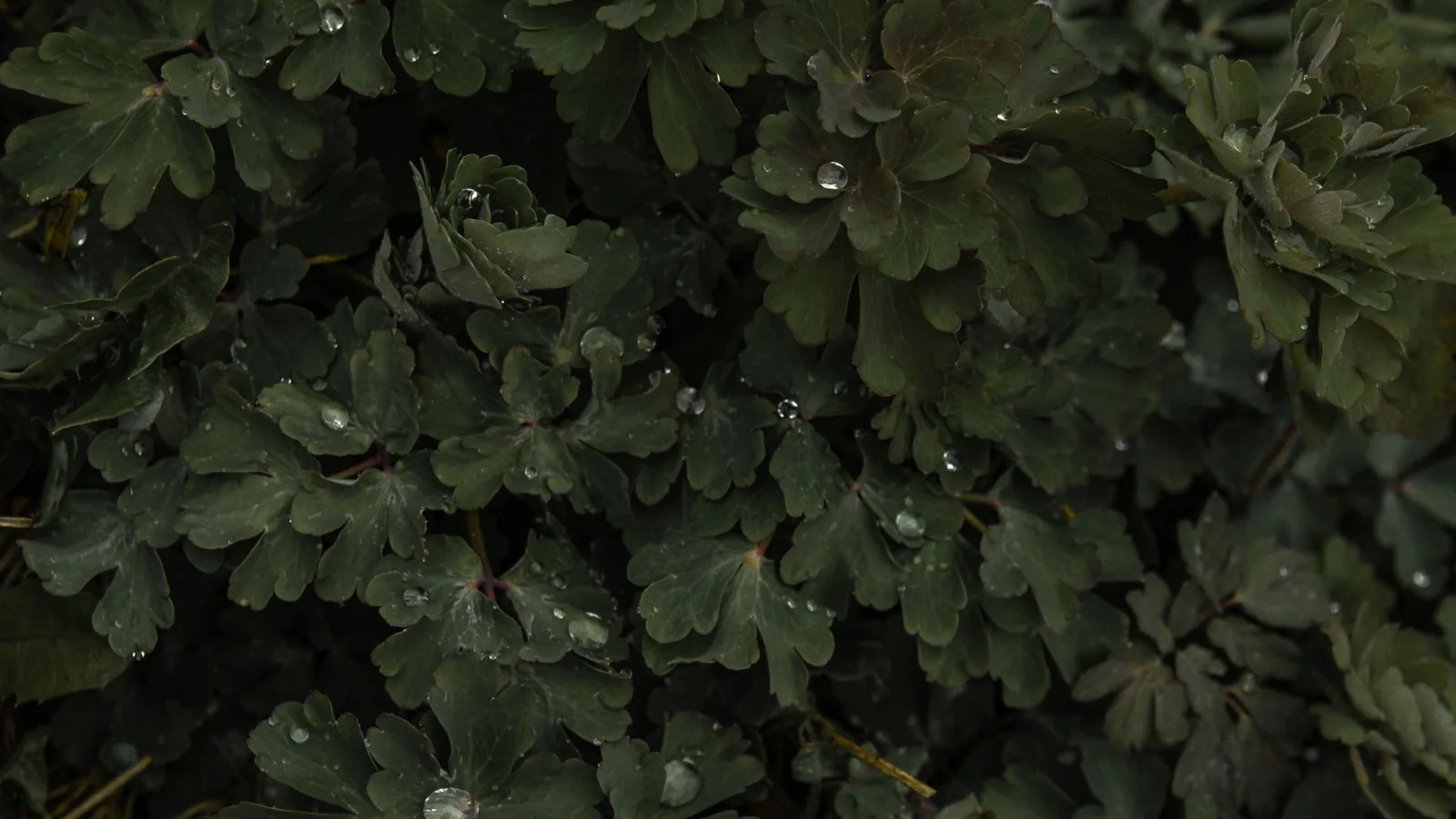
Minari and Health Through the Eyes of the Donguibogam
Minari, the fragrant water dropwort of the Korean spring table, gets a detailed entry in the Donguibogam, Korea's 17th-century medical classic. Here's what that old text said about it and how it compares with modern nutrition.
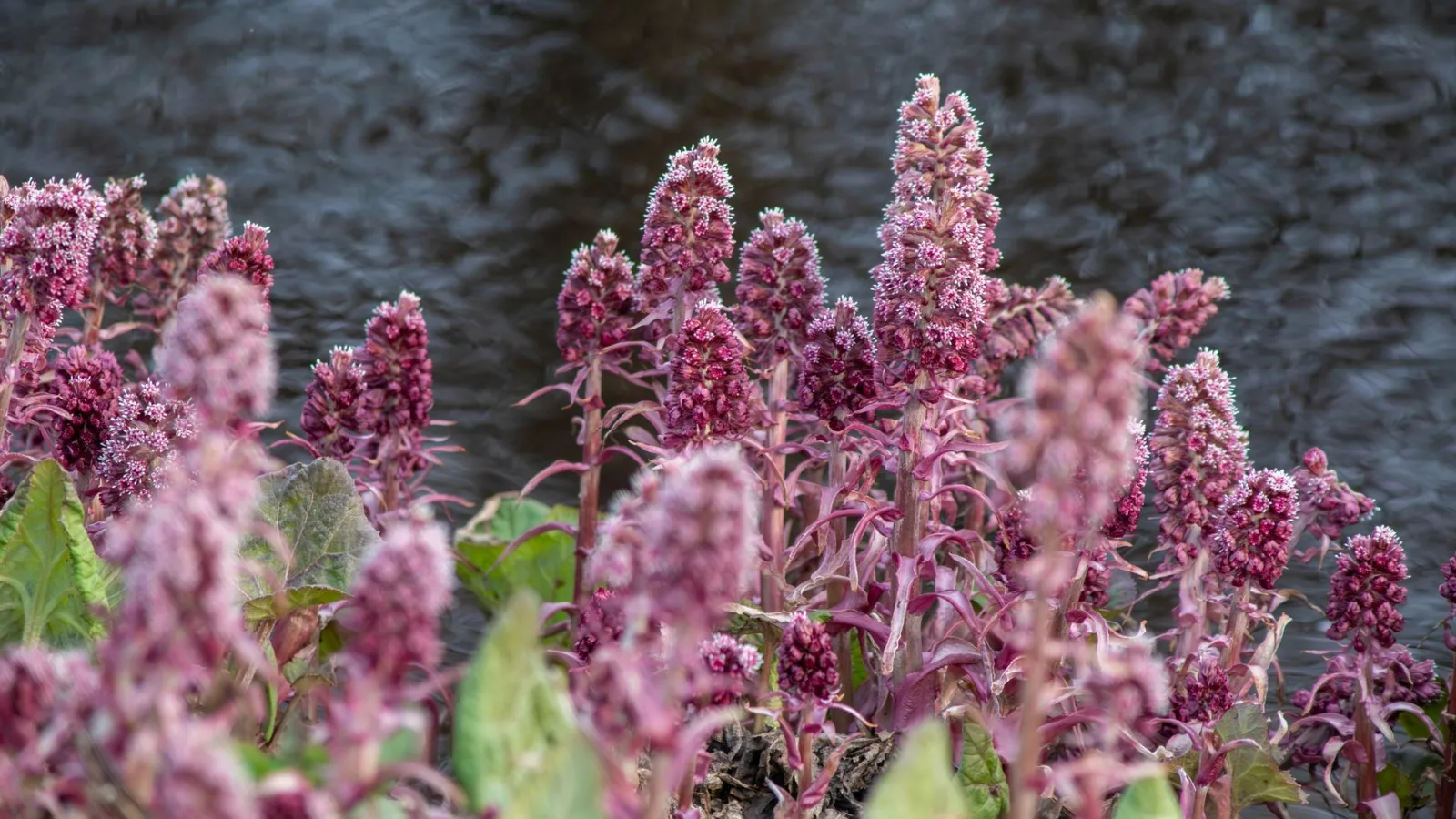
Butterbur Through the Eyes of the Dongui Bogam
Butterbur comes back to the same shady corner of the garden every spring. Here's how traditional Korean medicine viewed this bitter green, what modern science says about it, and how to prepare it safely.
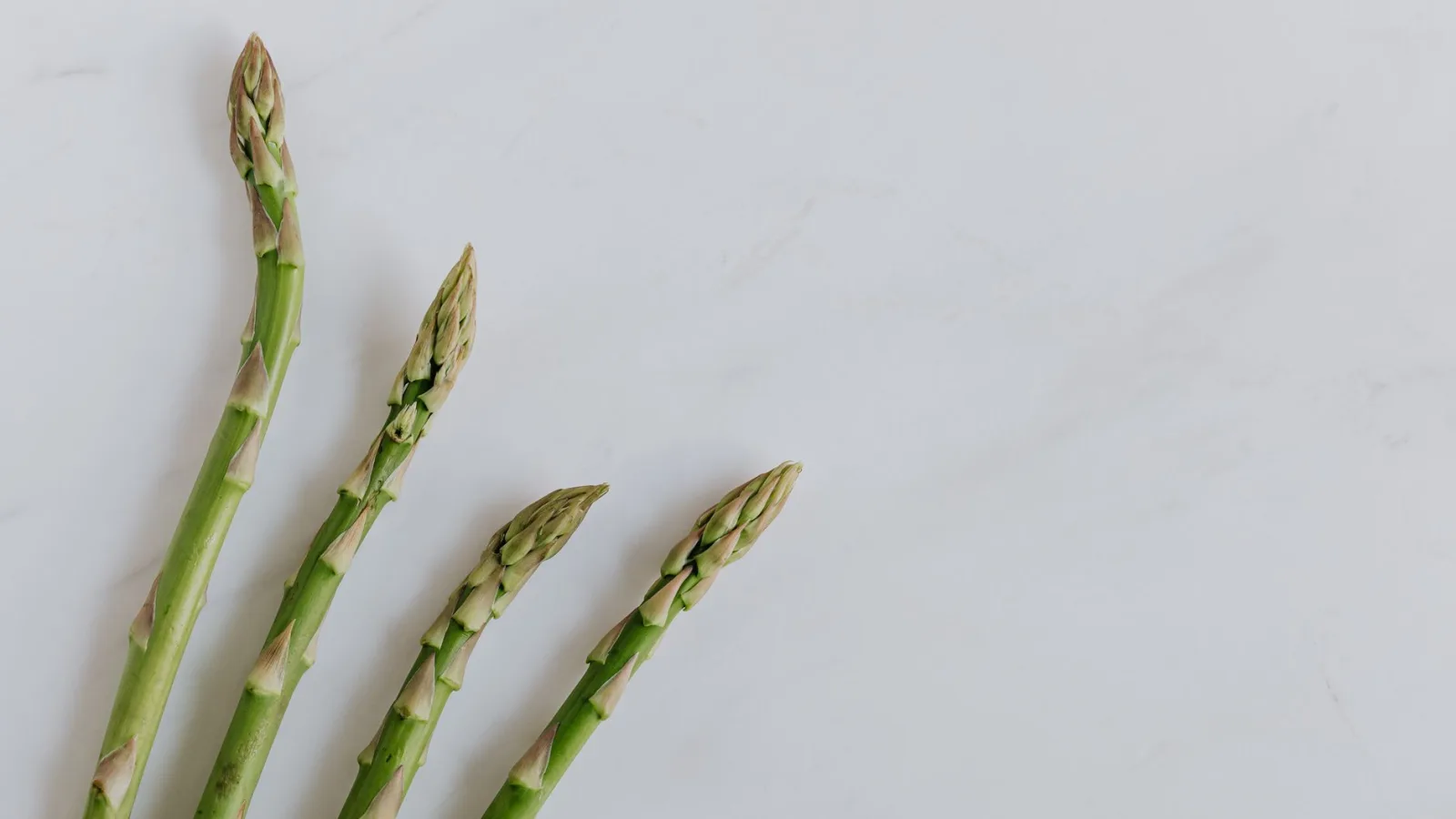
Asparagus Through the Lens of the Dongui Bogam
Korea's classic medical text, the Dongui Bogam, says little about the asparagus we eat, and its herbal cousin cheonmundong is a different plant. Here's why we keep them apart, and what modern nutrition says about asparagus instead.
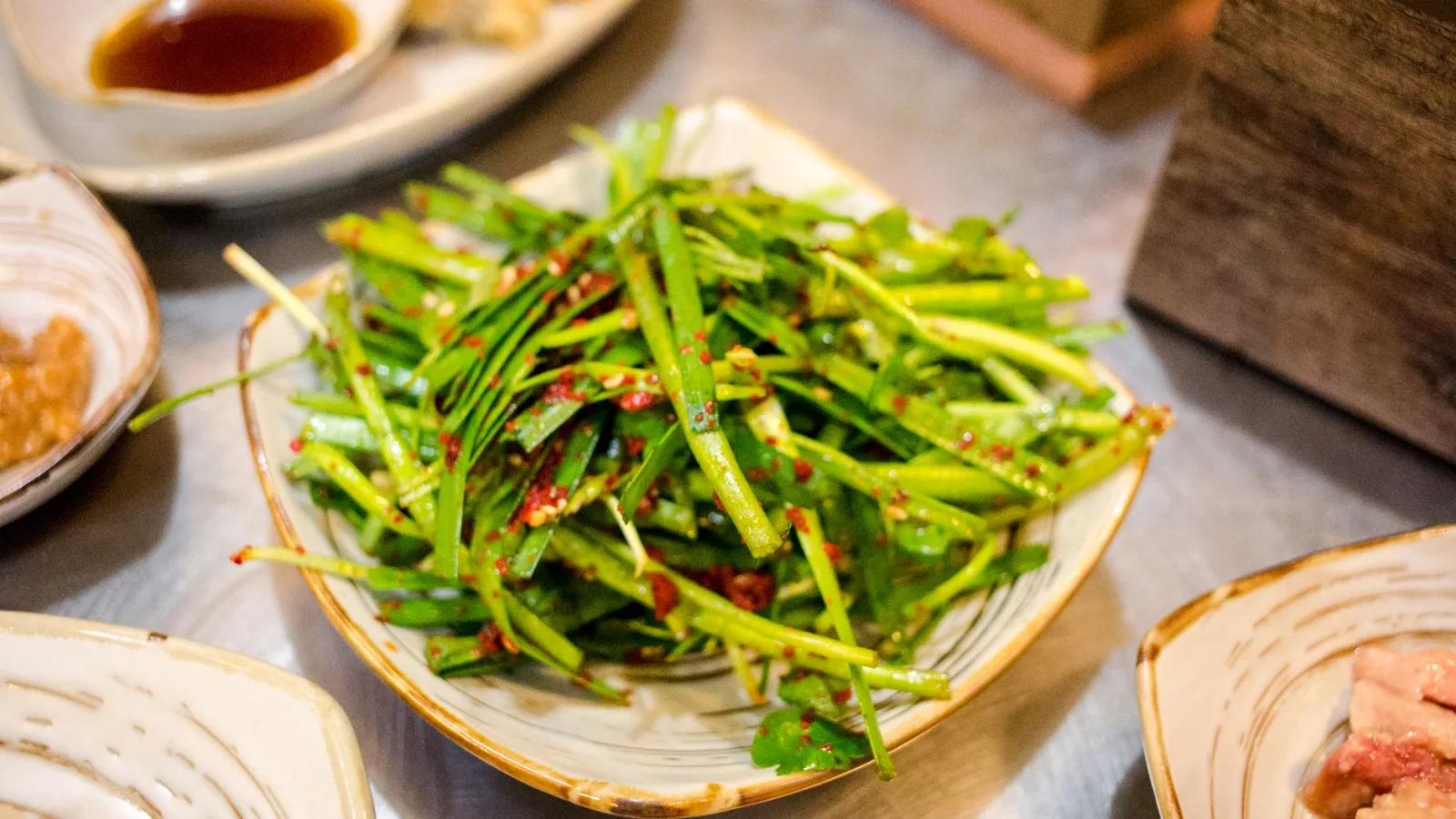
Garlic Chives, Through the Eyes of the Dongui Bogam
Garlic chives keep growing back however often you cut them, and the Dongui Bogam called them the warmest and most beneficial of all vegetables. Here's what the old text said, how it compares with modern nutrition, and how to bring them from the garden to your table.
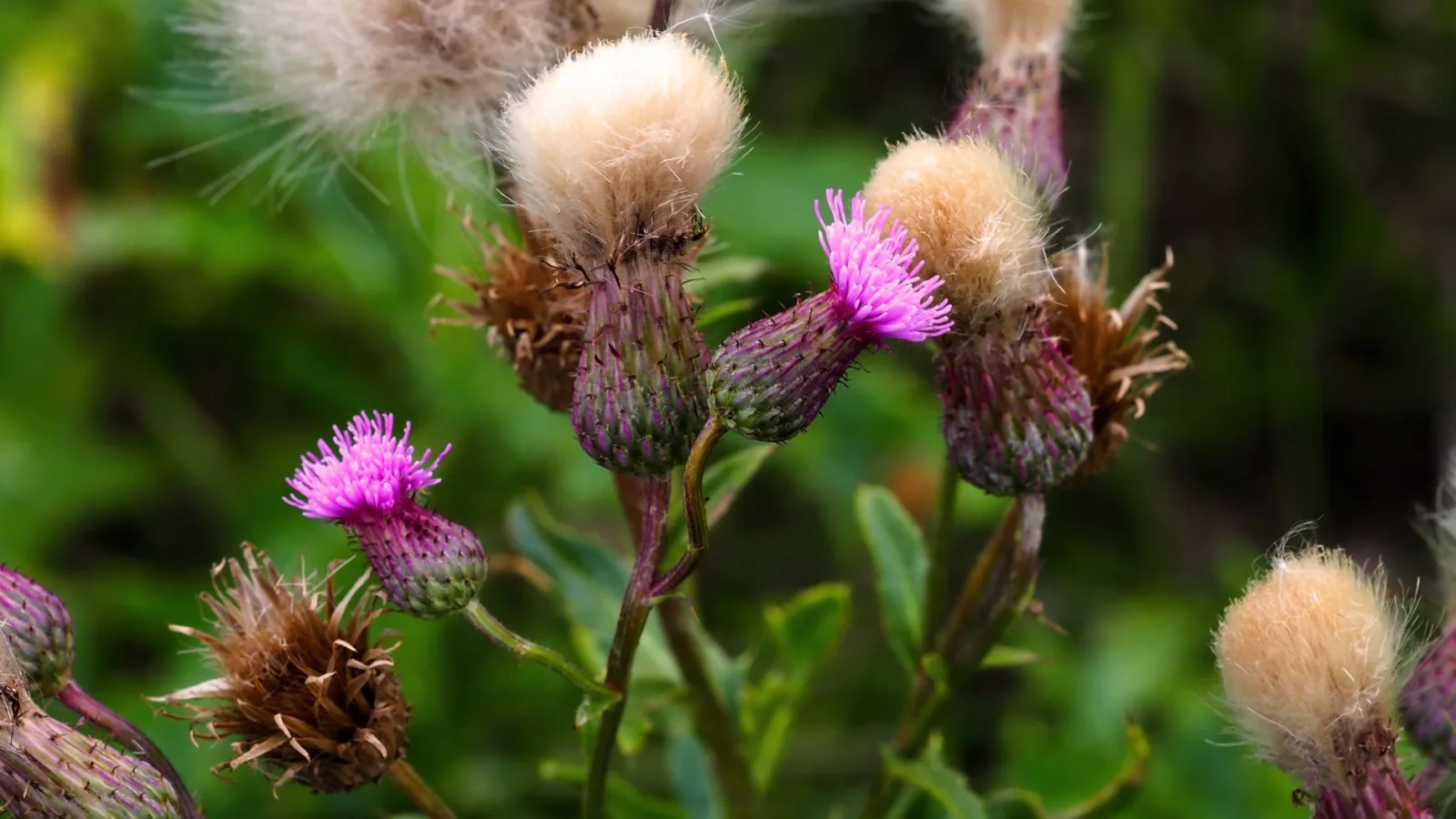
Burdock and Health Through the Eyes of the Donguibogam
Burdock root is a familiar crunchy side dish, but the Donguibogam, Korea's classic medical text, prized the plant's fruit as medicine. Here's how the old view compares with modern nutrition science, plus tips for taking burdock from your garden to your table.
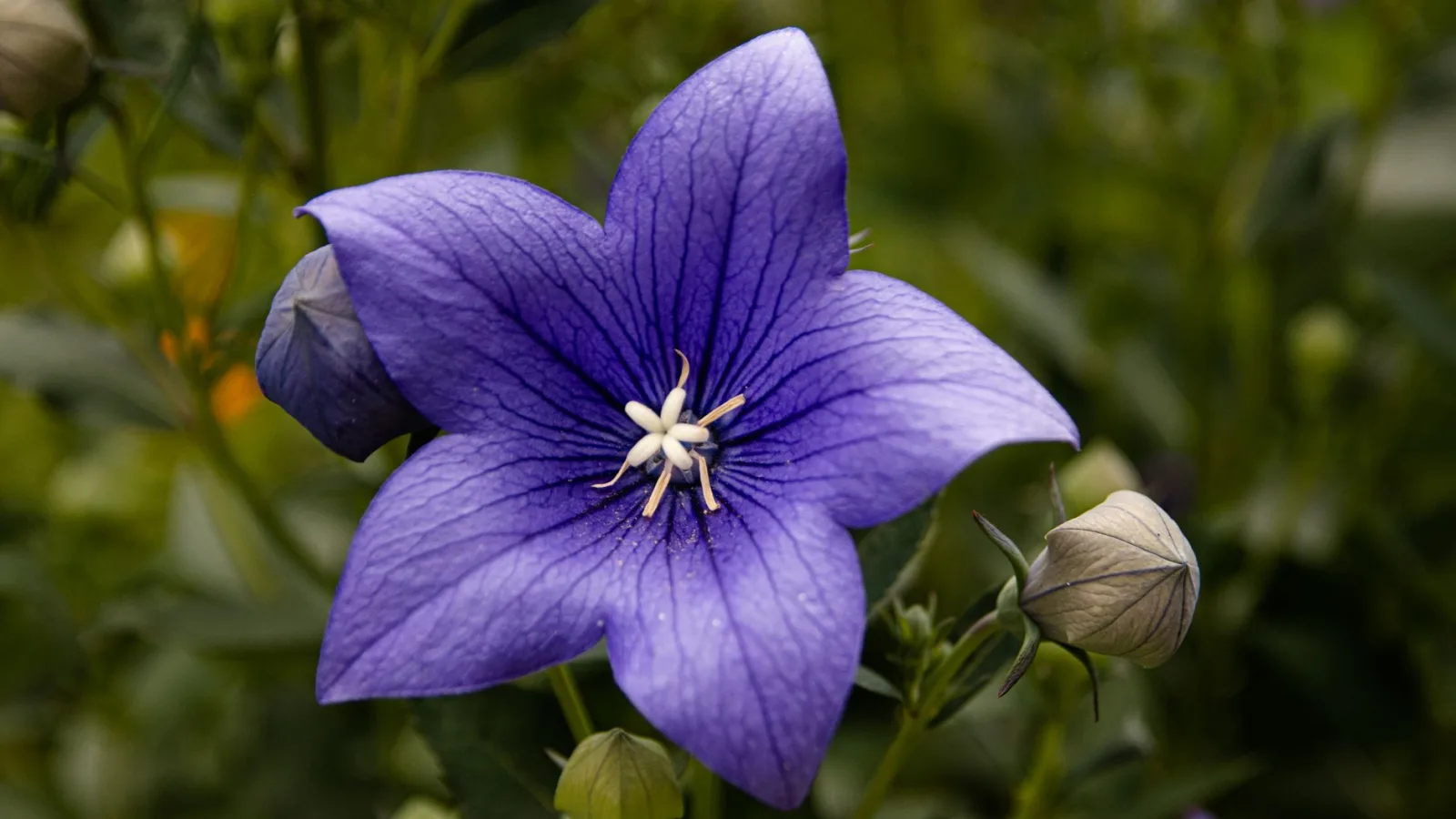
Balloon Flower Root Through the Eyes of the Donguibogam
Doraji, or balloon flower root, is a familiar Korean side dish and a traditional remedy for scratchy throats. Here's what Korea's 17th-century medical classic said about it, how that compares with modern research, and how to enjoy it at home.
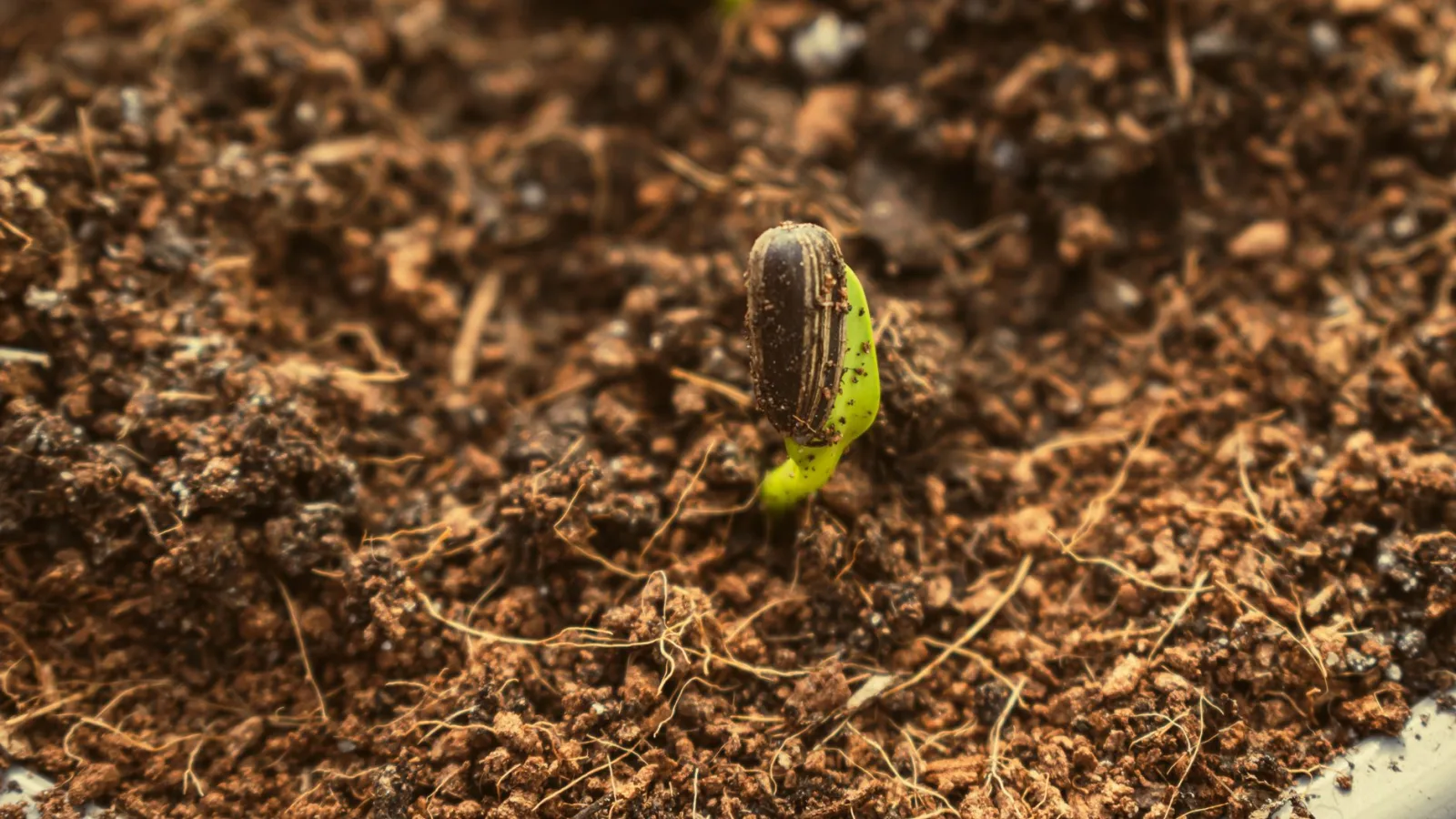
Sesame and Health Through the Eyes of the Donguibogam
Sesame grows in the corner of the garden and turns up on nearly every Korean table, and old herbal texts valued it as a food that builds strength over time. We look at how traditional medicine saw sesame, where modern nutrition science agrees, and how to enjoy it sensibly.
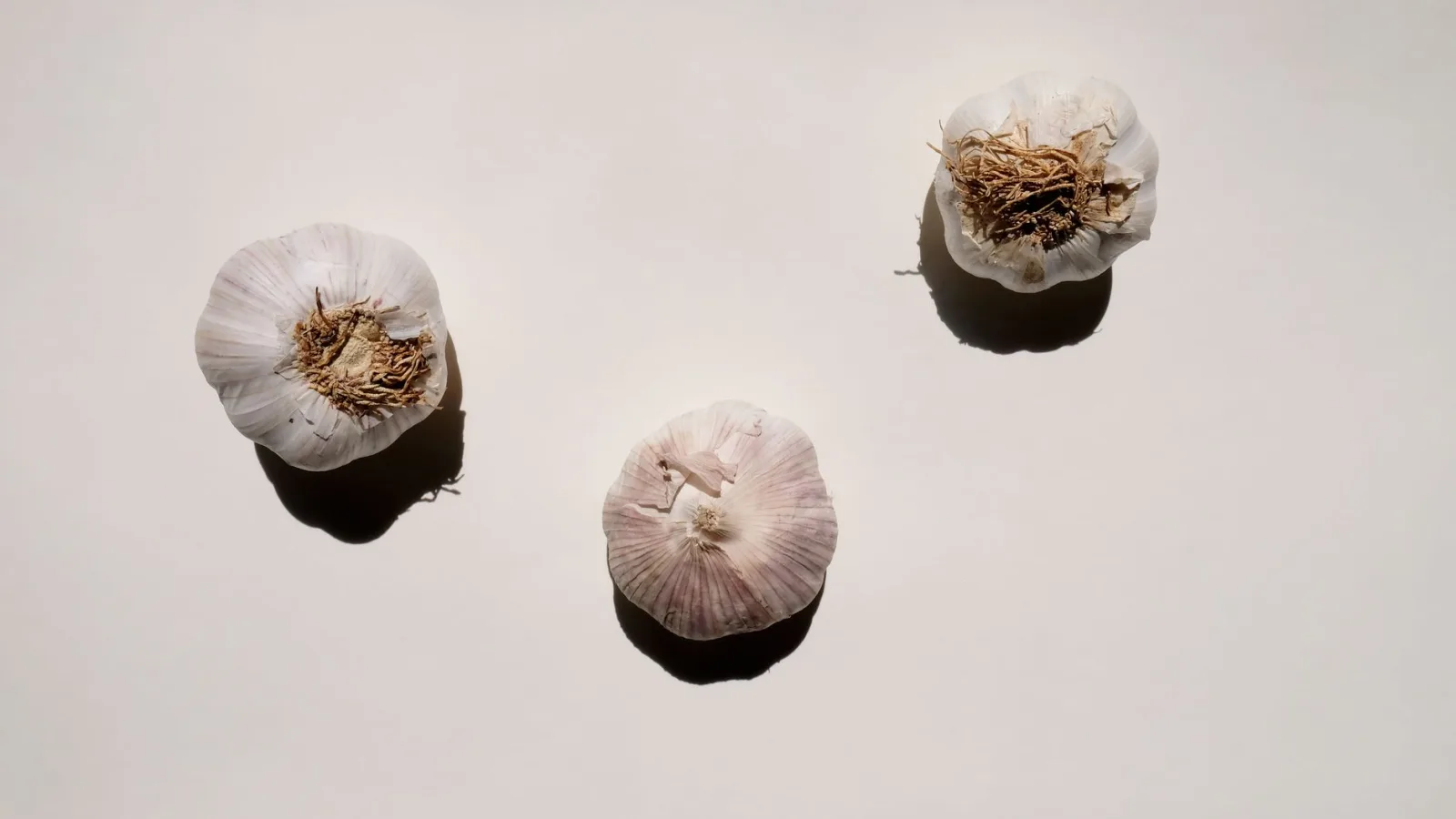
Garlic: Health as the Donguibogam Saw It
Tuck a few cloves into the ground in autumn and you'll pull up plump bulbs the following summer. Here's how Korea's great classical medical text read this everyday crop — and where its account meets what we know today.
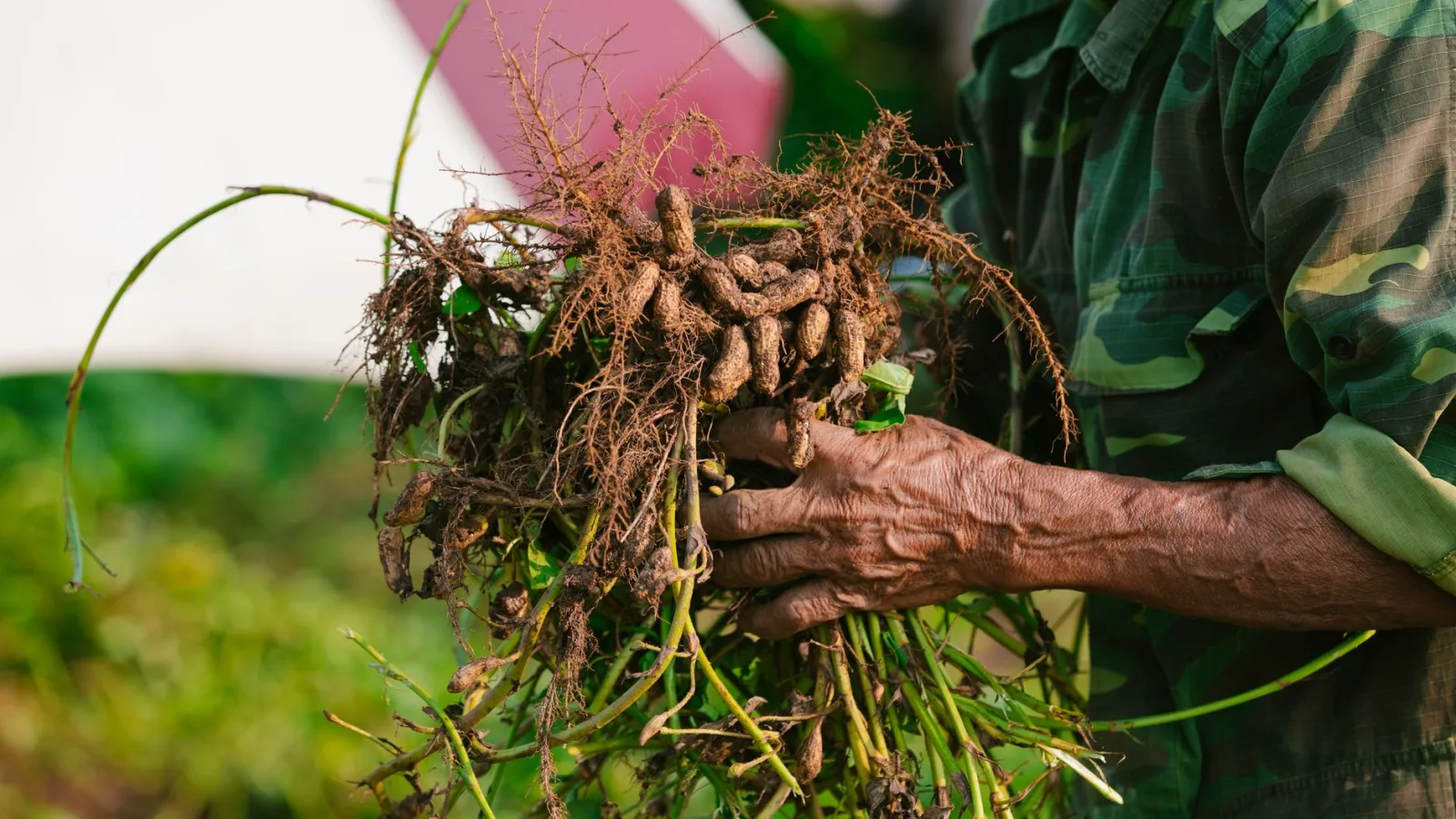
Peanuts: Health Through the Eyes of Dongui Bogam
Peanuts grow underground after their flowers fade, which earned them the old name "fallen-flower fruit." Korean medical tradition saw them as sweet and neutral in nature—a nourishing food that strengthens digestion and moistens the lungs—a view modern nutrition echoes in its own language.
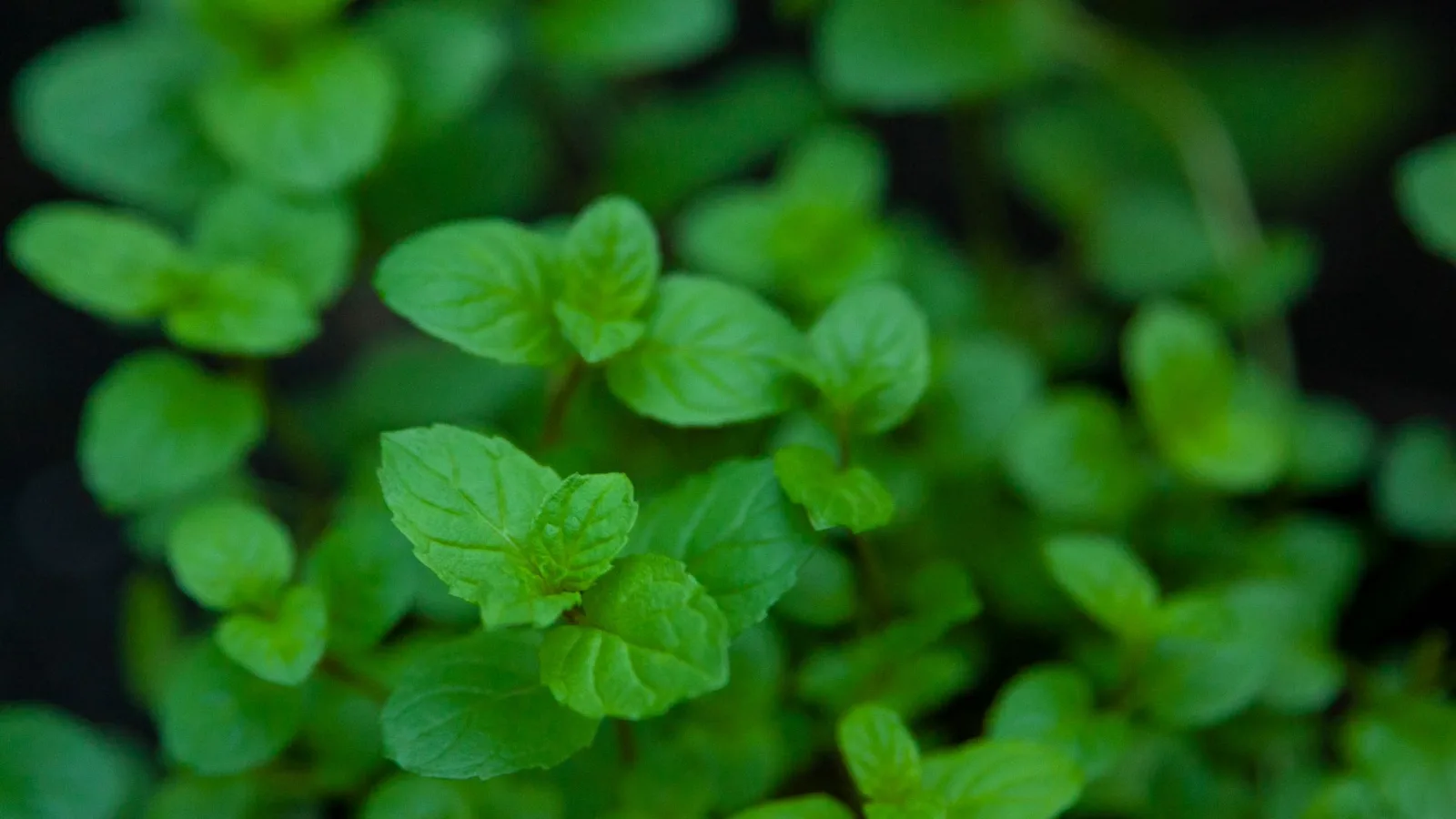
Mint: Health as the Donguibogam Saw It
Mint spreads through a garden corner on its own and turns into iced water or tea by evening. The Donguibogam recorded it as bakha, a pungent, cooling herb said to clear the head and eyes — a view that still tracks with how that menthol scent feels today.
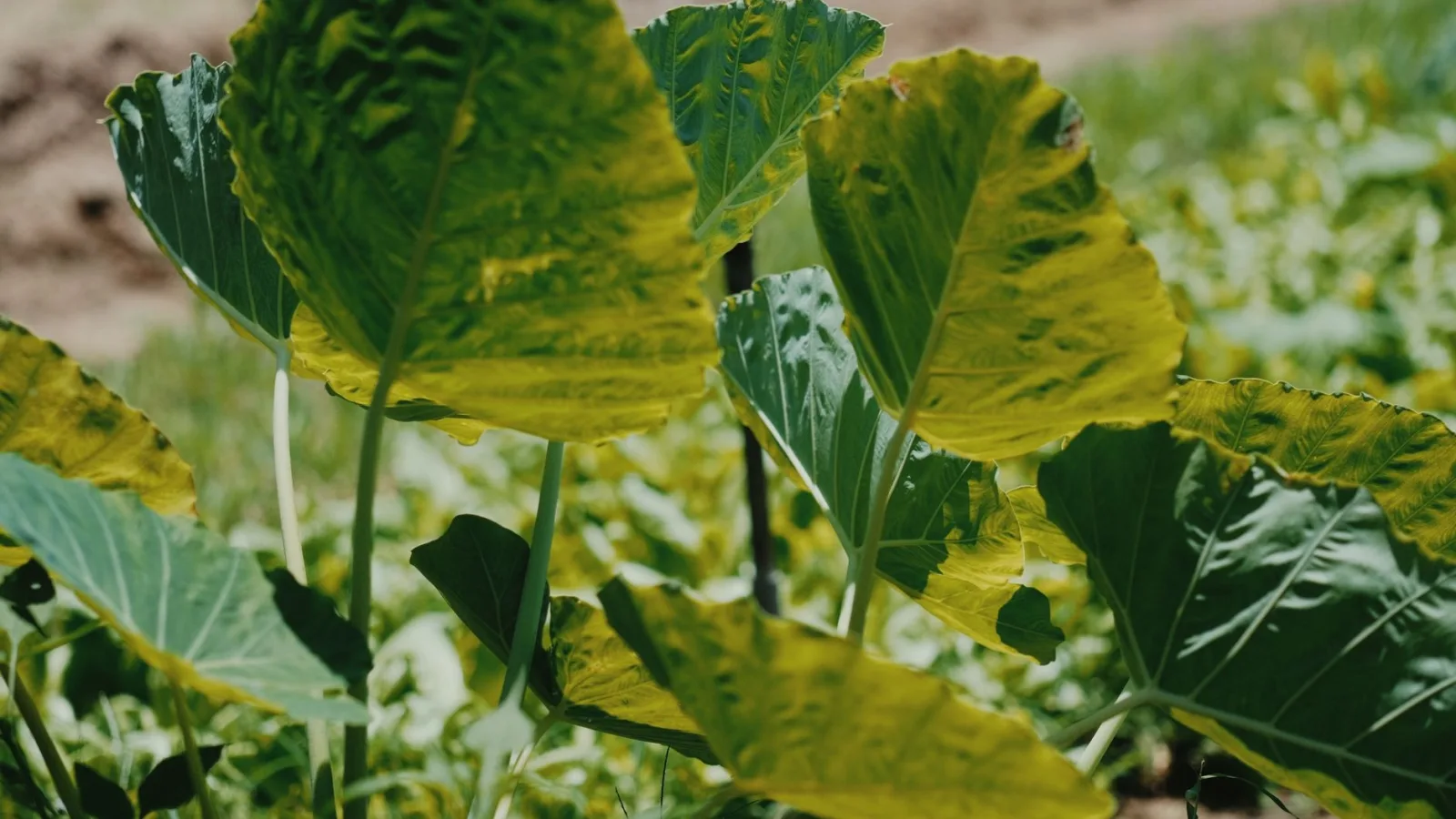
Taro, Through the Eyes of the Donguibogam
The Donguibogam, Korea's seventeenth-century medical compendium, called taro toxic raw and nourishing cooked, good for the gut, the skin, and anyone recovering their strength. Here's what the old text says, how it lines up with what we know today, and how to handle the corms safely in your own kitchen.
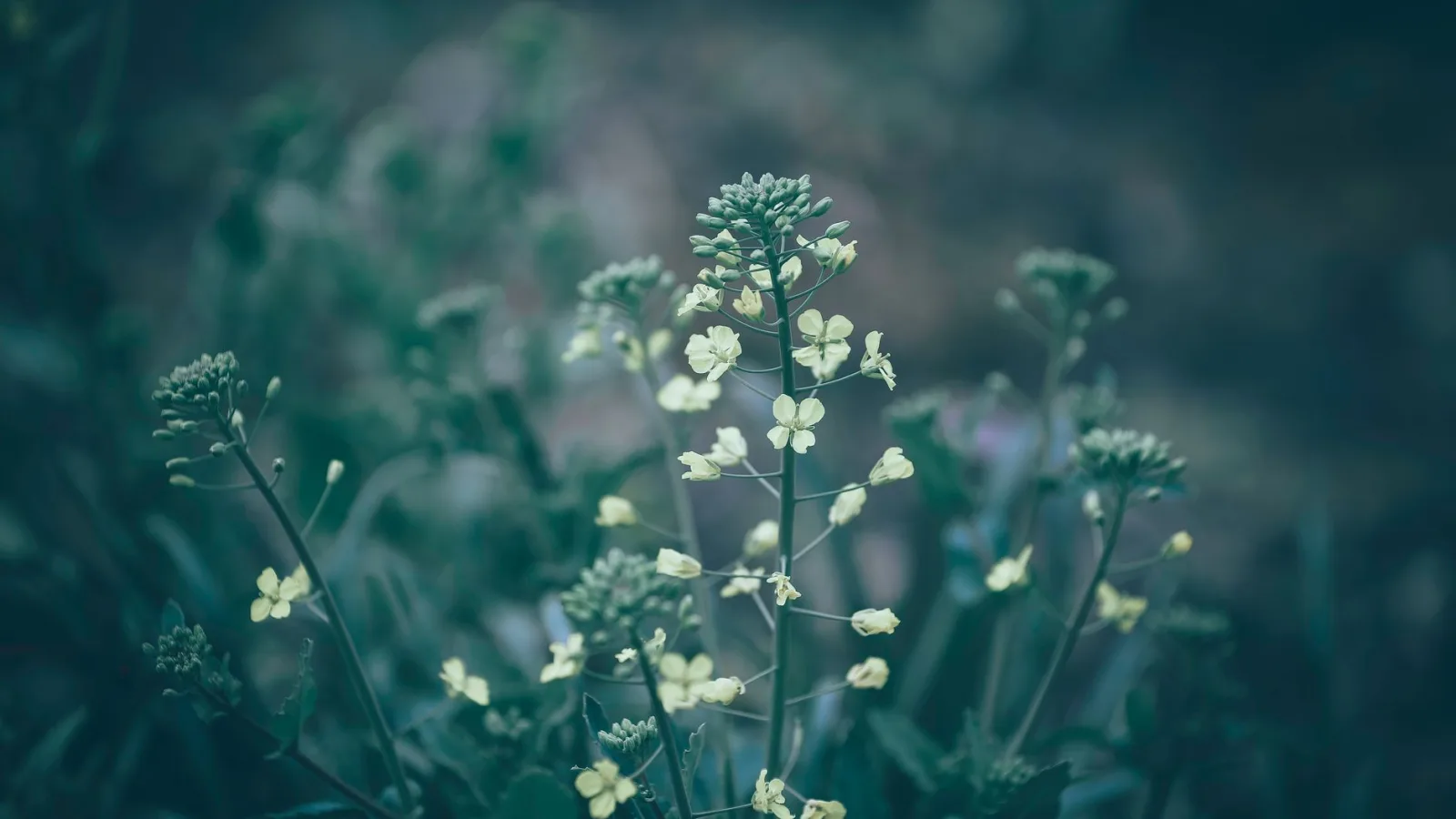
Shepherd's Purse: What the Dongui Bogam Saw
Shepherd's purse is the first wild green to appear when winter loosens its grip on the garden. Korea's classic 17th-century medical text recorded it as a plant that benefits the liver and sharpens eyesight — and modern nutrition, in its own language, points in a similar direction.
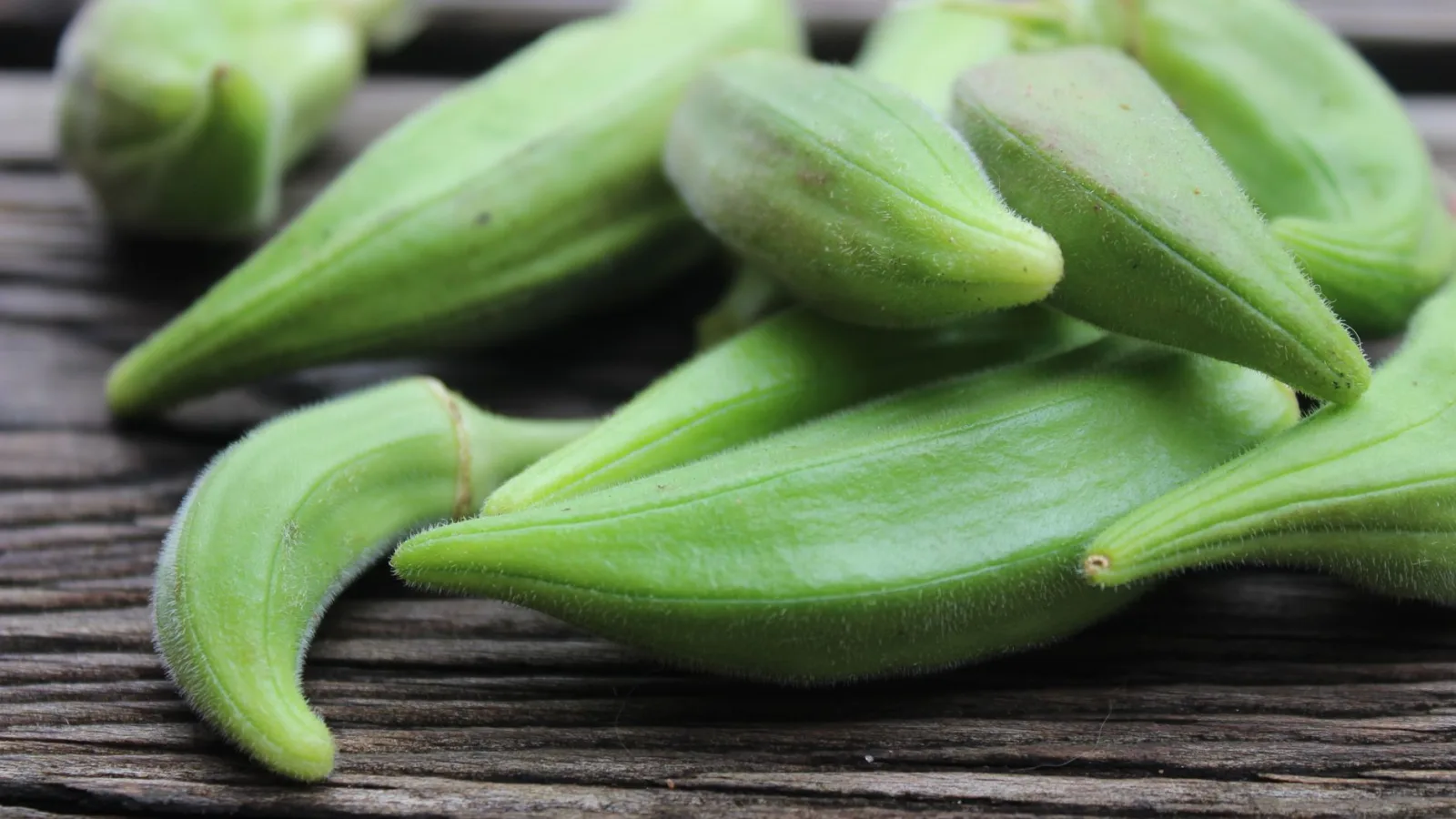
Okra: Health Through the Eyes of the Donguibogam
Okra reached Korea too late to appear in the Donguibogam, so instead of inventing an old remedy for it, we look at the plant the way the old texts looked at vegetables — and find that its slick mucilage lines up neatly with what modern nutrition says about soluble fiber.
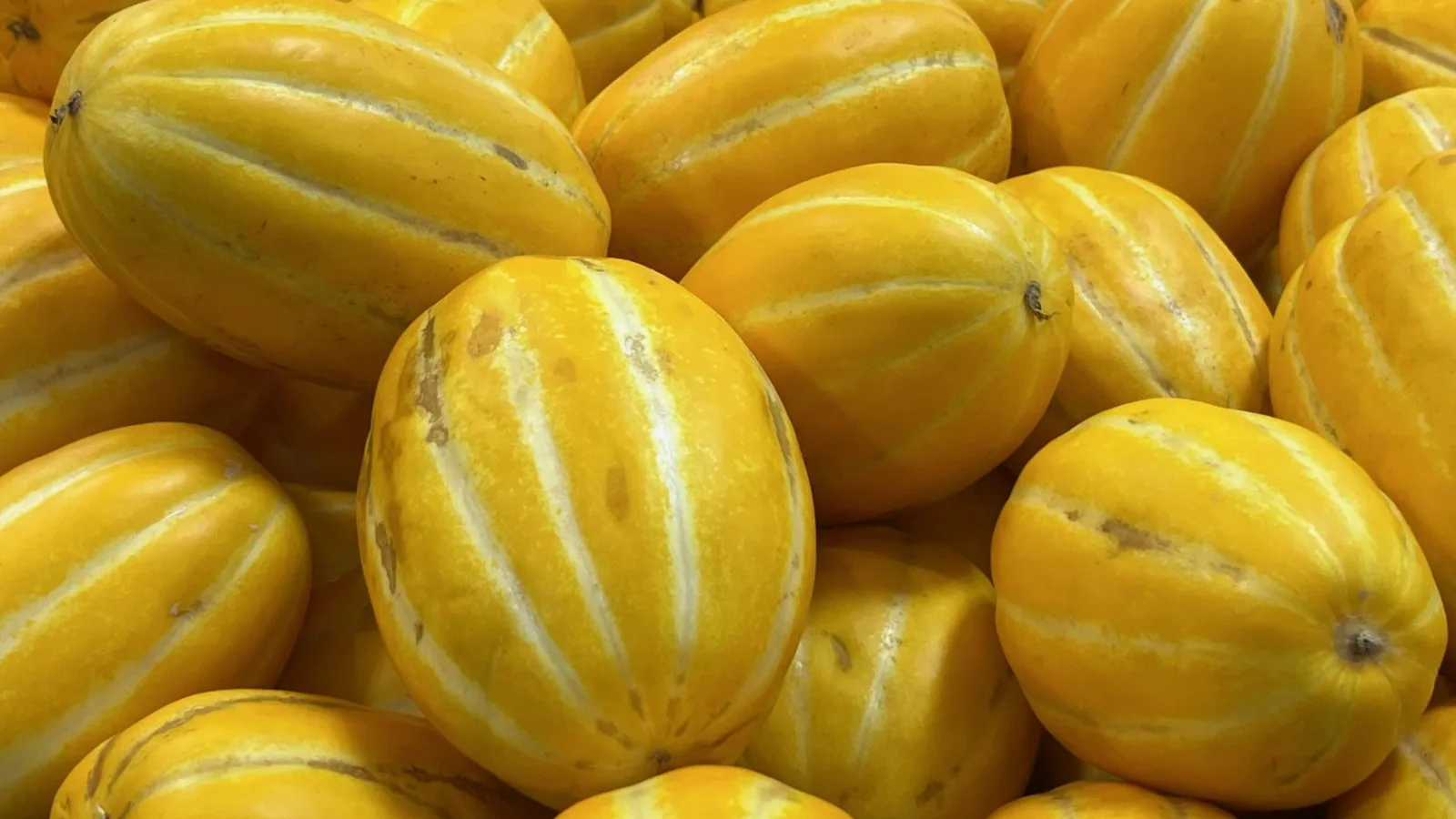
The Korean Melon, as the Donguibogam Saw It
The Donguibogam recorded the Korean melon as cold in nature and sweet in taste: a fruit for quenching thirst and clearing summer heat, with cautions written right beside the benefits. Here's how that old reading lines up with what we know today, and how to enjoy your garden melons.
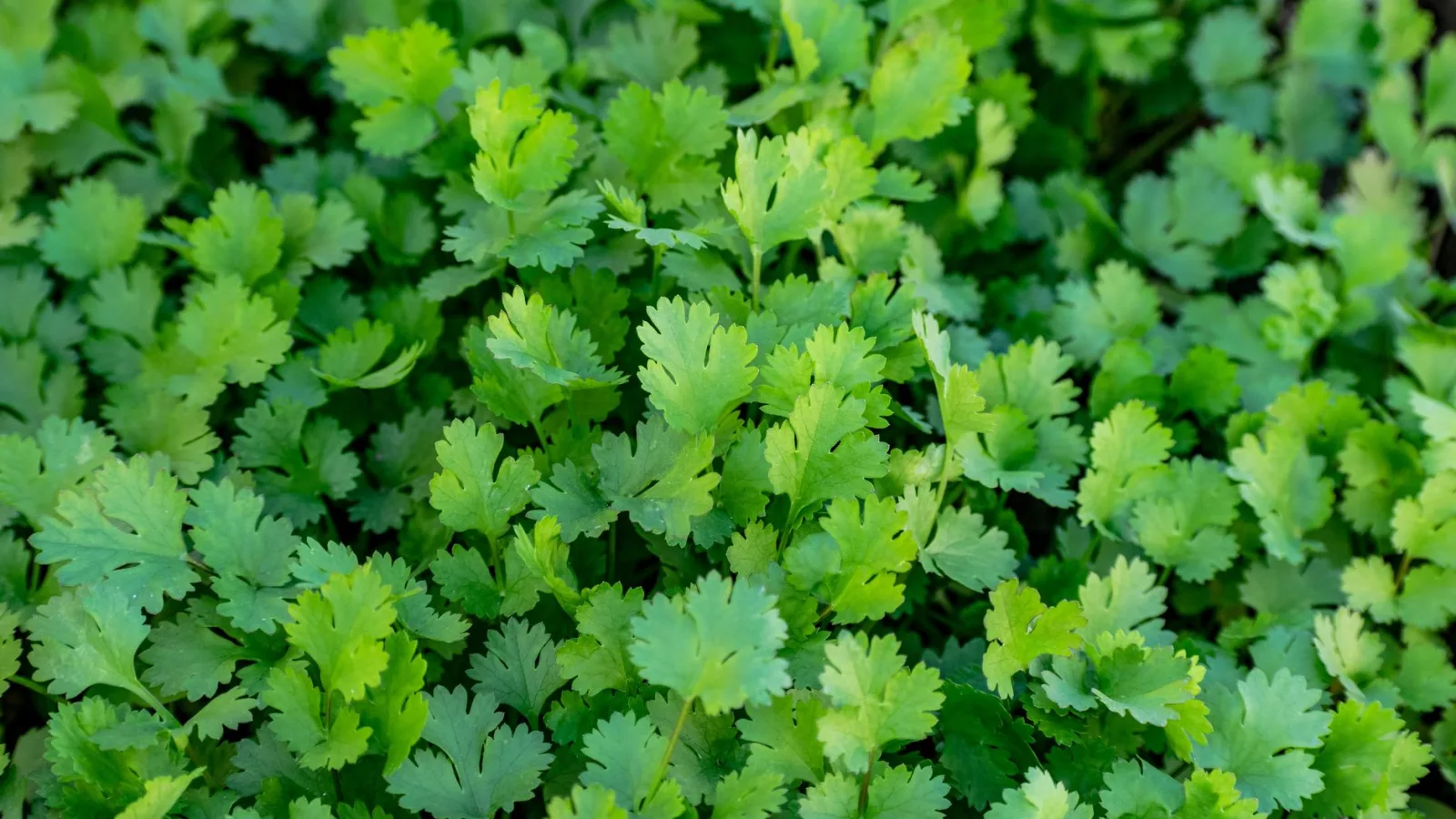
Cilantro, and What the Dongui Bogam Saw in It
Cilantro divides the dinner table like few other herbs, and the Dongui Bogam — Korea's 17th-century medical compendium — had plenty to say about it: warming the gut, cutting fishy odors, even coaxing out a rash. Here's how those old notes line up with what we know today.
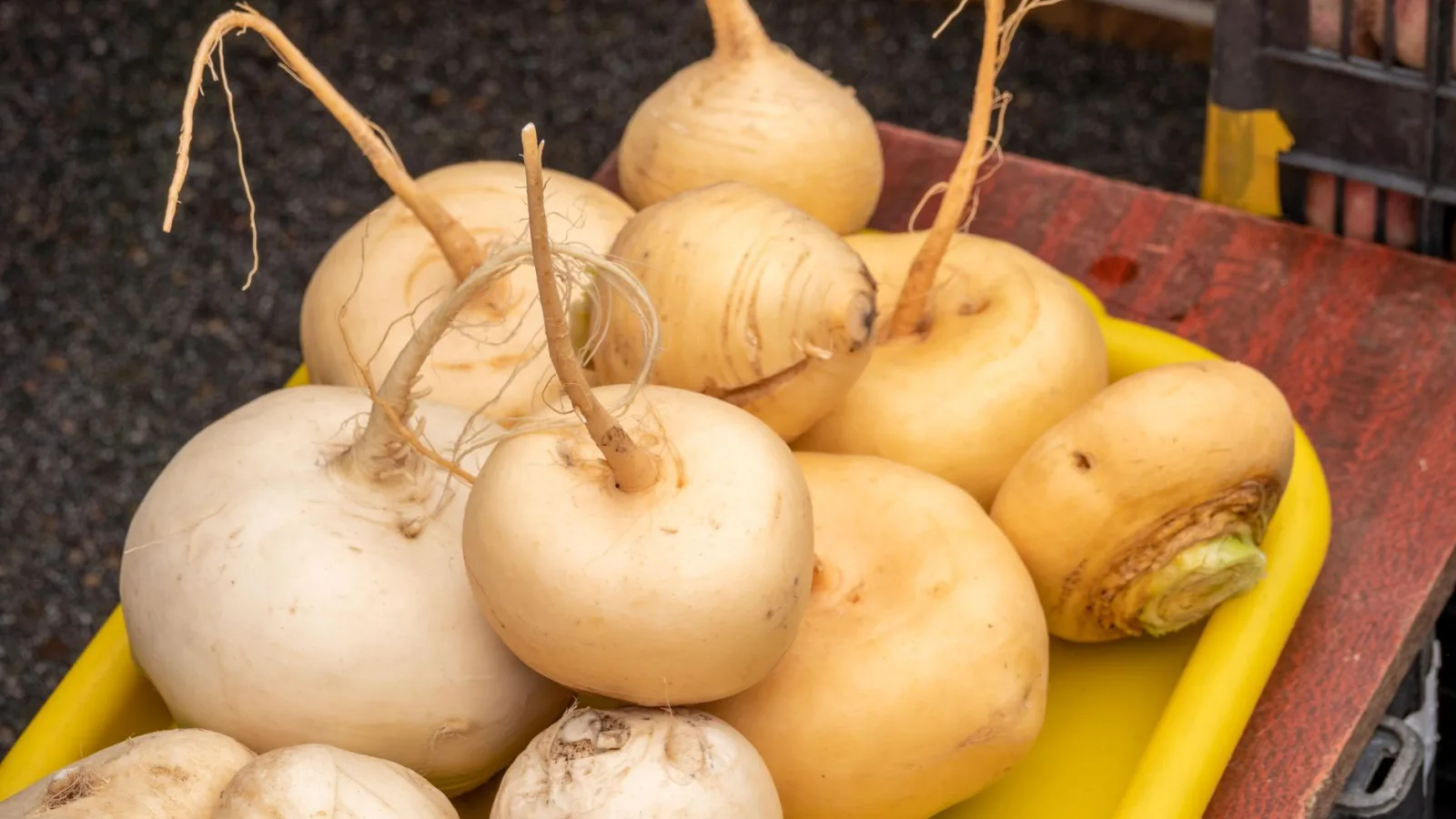
Turnips: What the Dongui Bogam Saw
Turnips give a home gardener something to pick in all four seasons, from spring shoots to winter roots. Korea's 17th-century medical canon, the Dongui Bogam, called them the most useful vegetable of all — here's what it recorded, and how it reads alongside modern nutrition.
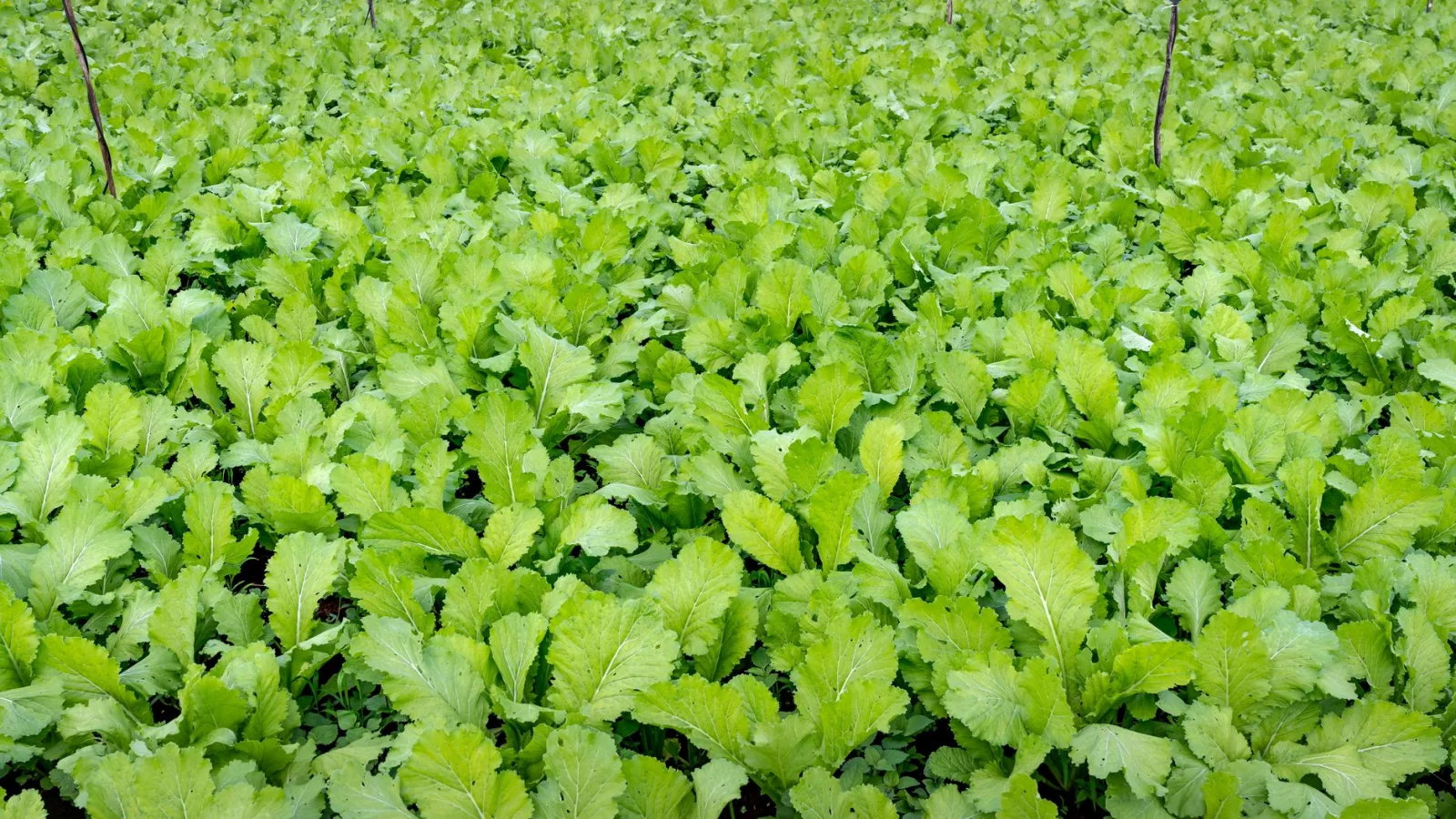
The Radish, as the Donguibogam Saw It
Korean radish shows up at nearly every Korean table — pickled, simmered, dried for winter. The Donguibogam, Korea's great seventeenth-century medical text, praised it first for helping food go down, and modern nutrition arrives at a curiously similar place.
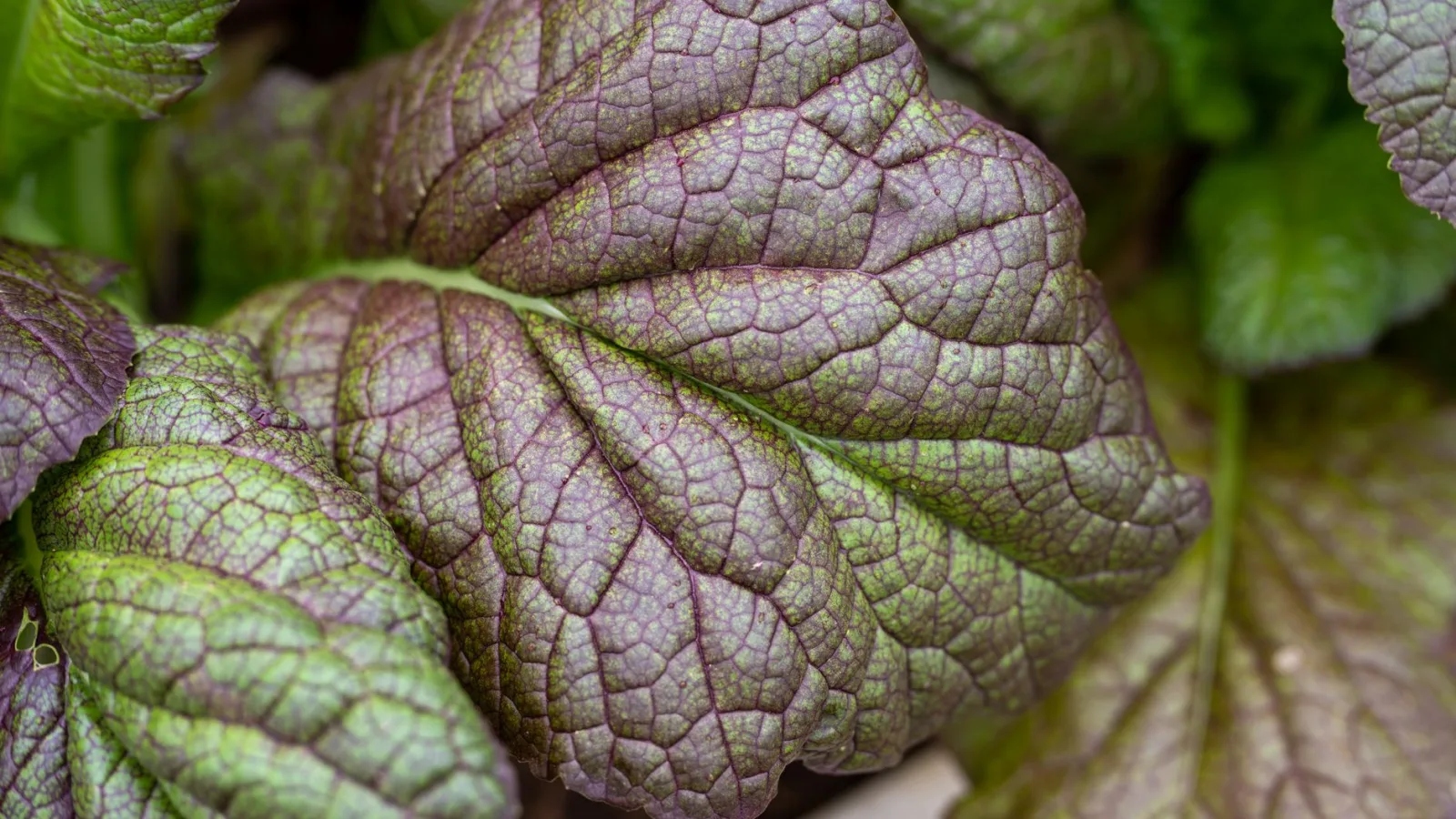
Mustard Greens, as the Donguibogam Saw Them
Korean leaf mustard (gat) only grows thicker and sharper after a frost, and Korea's great medical classic, the Donguibogam, prized it for exactly that heat. Here's what the old text recorded, how it reads today, and how to put a bundle of your own leaves on the winter table.
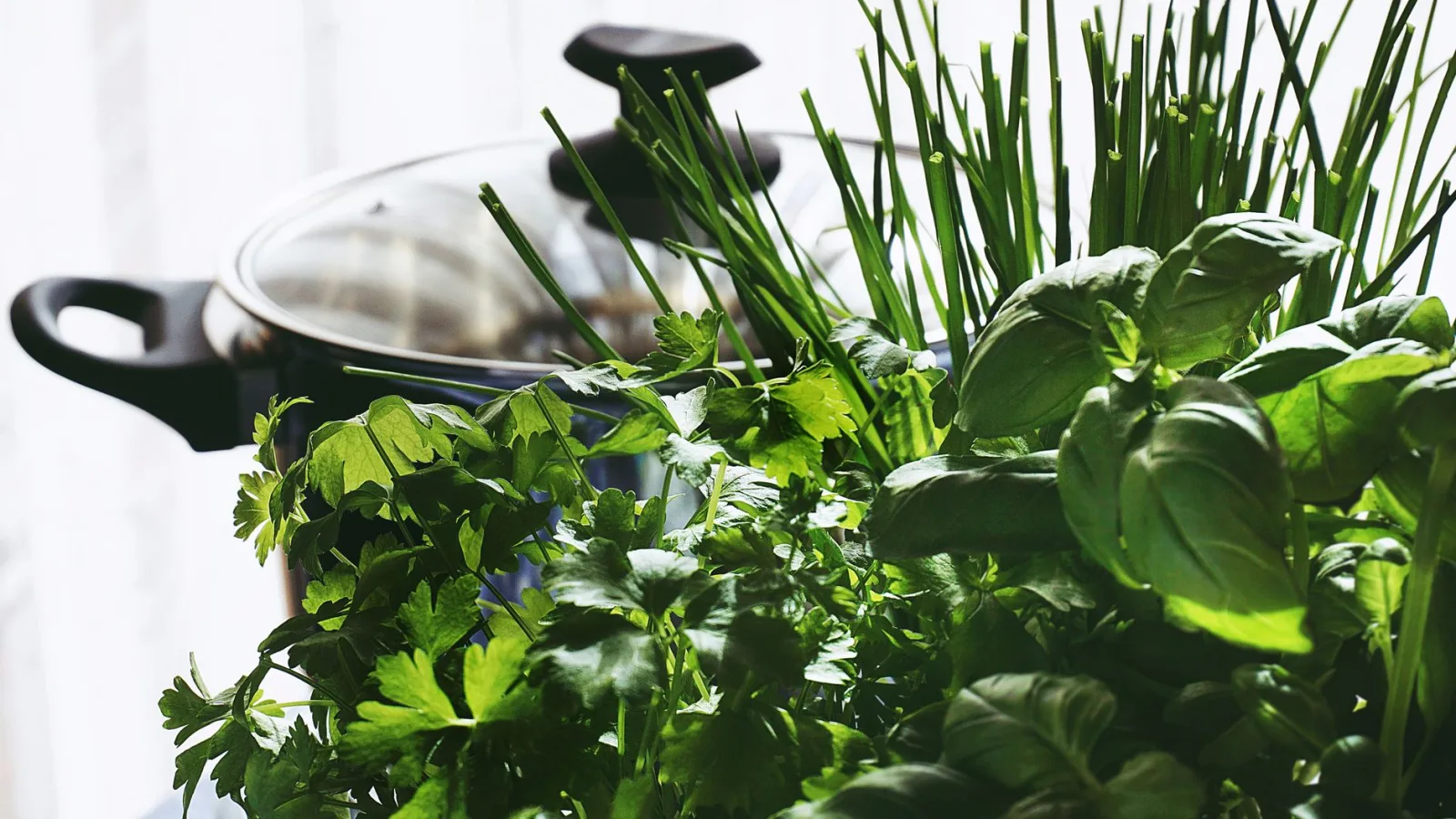
Scallions, Health as the Donguibogam Saw It
Korea's great medical compendium recorded the humble scallion not as a seasoning but as a warming remedy, used mainly at the first sign of a cold. Here's what the old text said, how modern nutrition compares, and how to carry it from the garden to the table.
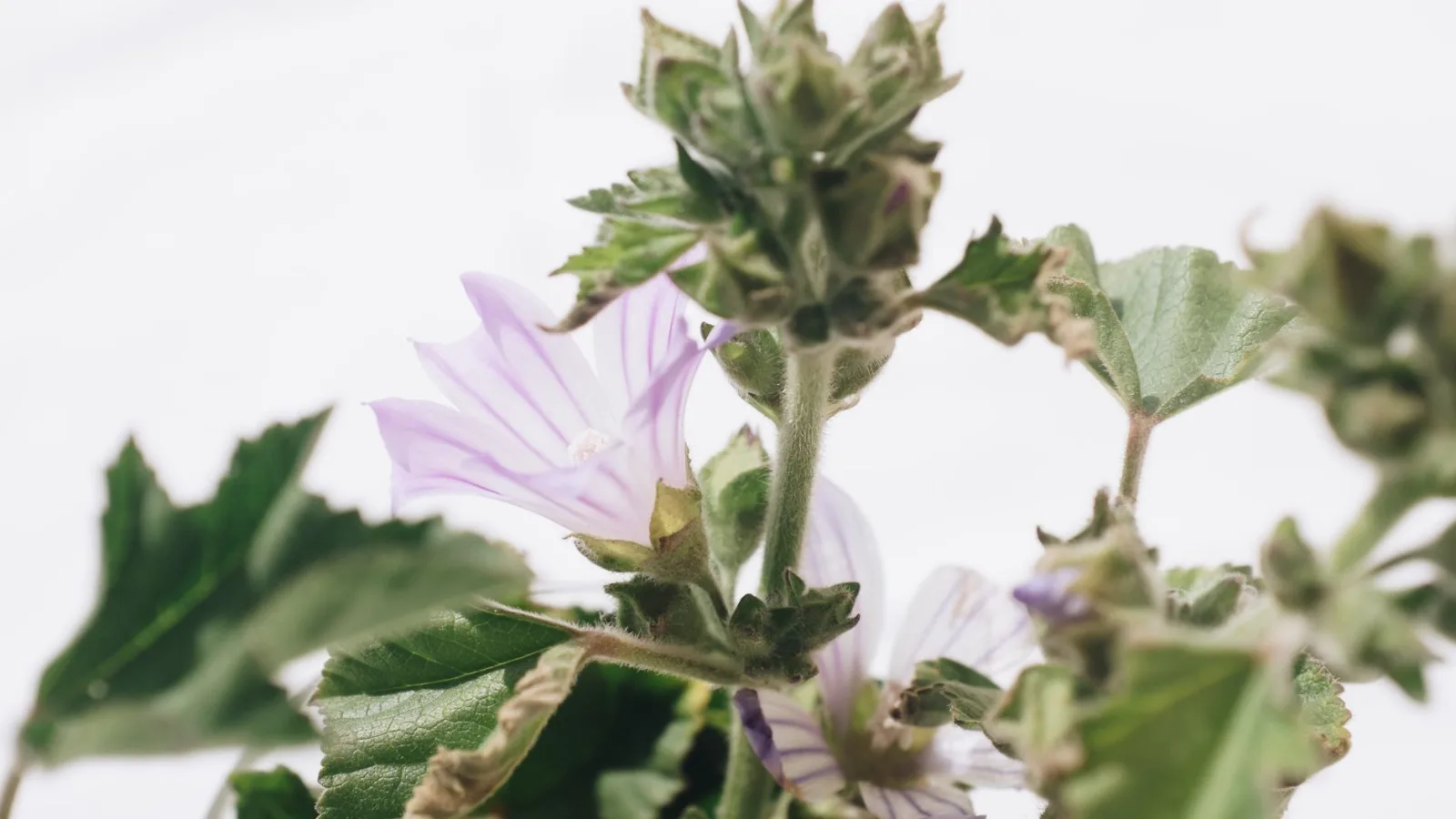
Curly Mallow: What the Donguibogam Saw
Curly mallow (aoug) is the slippery green behind Korea's most comforting doenjang soup, long served to new mothers. Here's how the Donguibogam, Korea's great 17th-century medical compendium, read that slipperiness — and how it lines up with what we'd call fiber today.
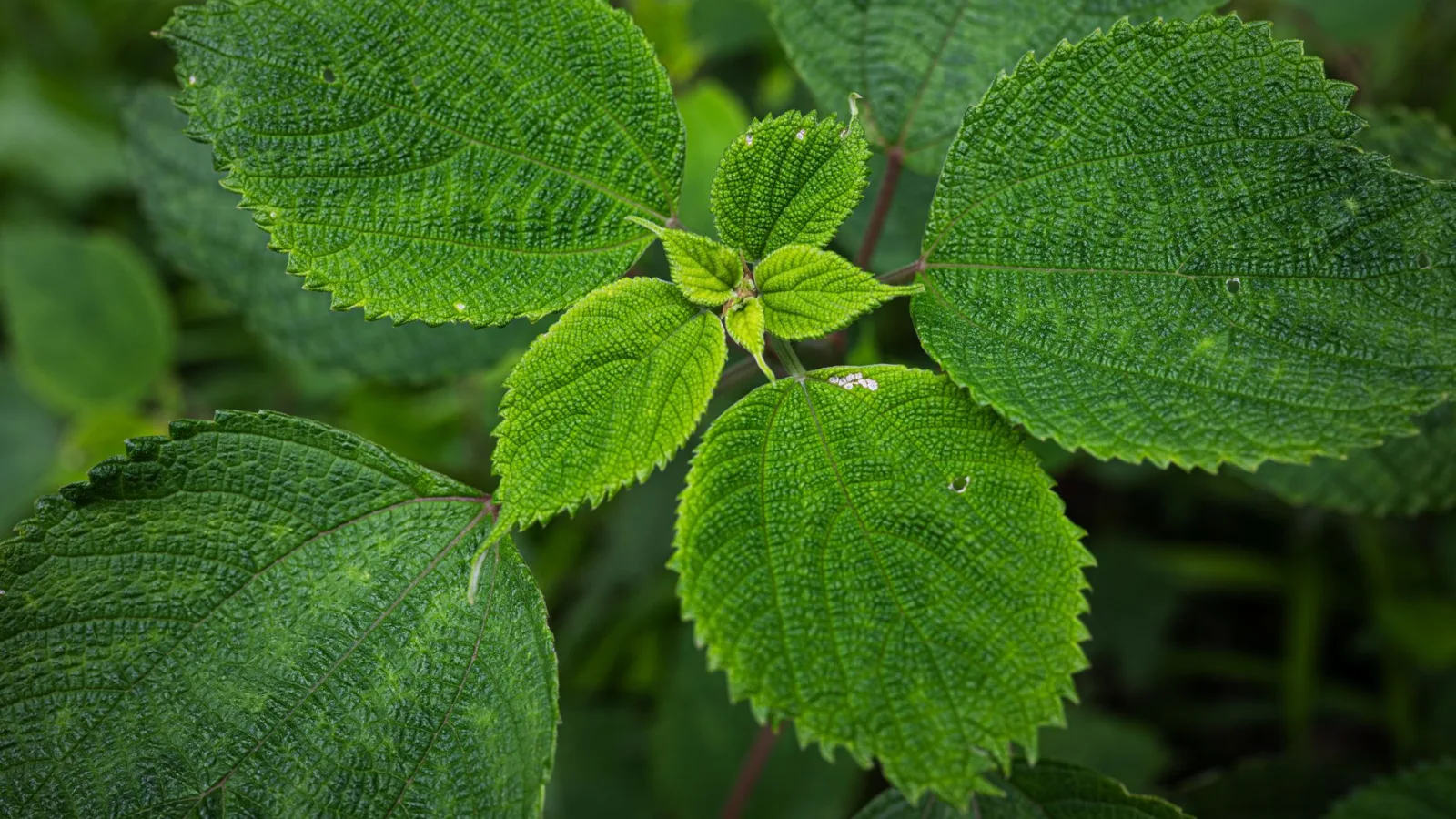
Perilla: What the Donguibogam Saw in It
Korea's classic medical text described perilla as warm and pungent, good for calming a cough and moistening the lungs — and modern nutrition finds a few surprising echoes in that old reading. A look at the leaves, the seeds, and the oil, from garden bed to dinner table.
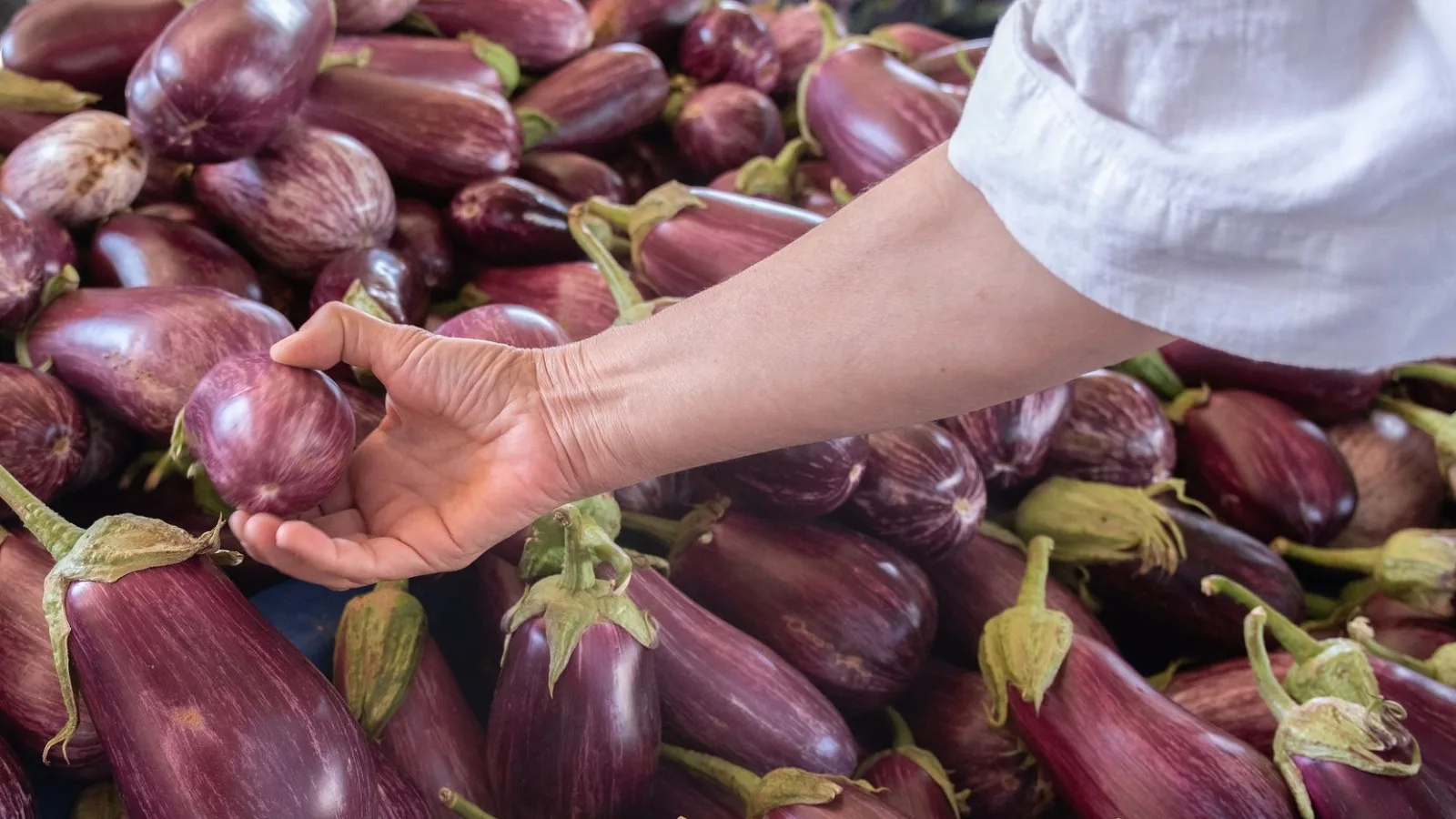
Eggplant: What the Dongui Bogam Saw
The Dongui Bogam, Korea's classic 17th-century medical compendium, treated eggplant as more than a summer side dish: cooling in nature, useful for bruises and stagnant blood, with the roots, stems, and even the calyx put to separate use. Here's how that old record reads alongside what we know today.
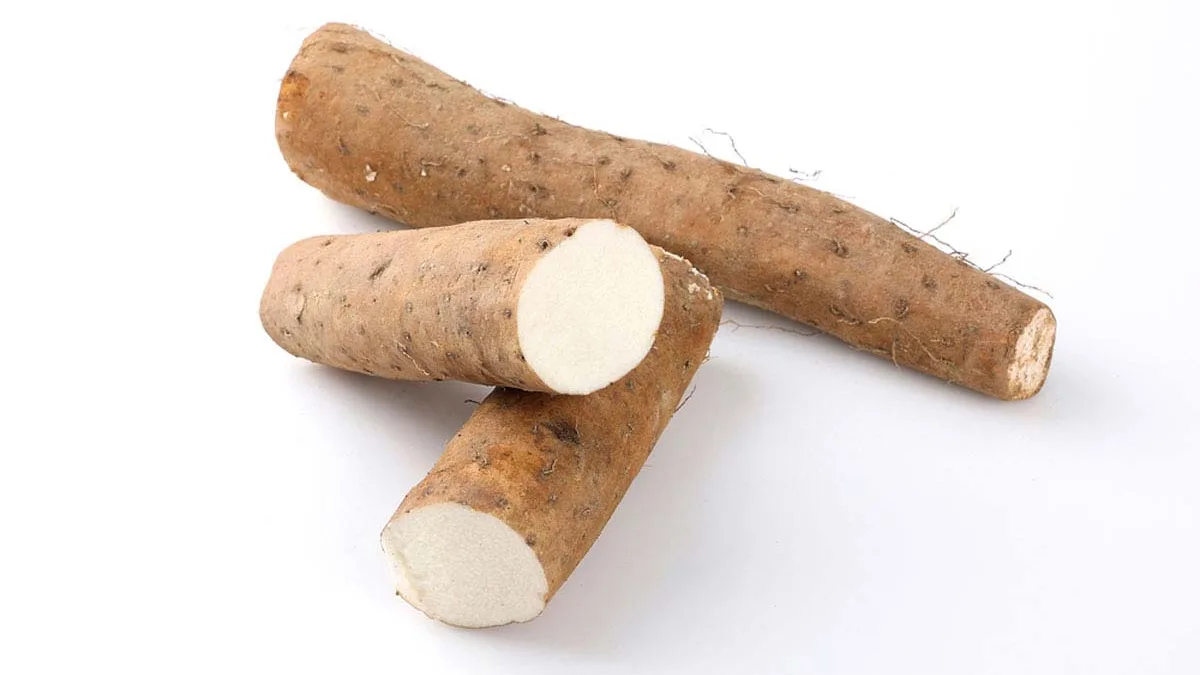
Chinese Yam: What the *Donguibogam* Saw in It
A humble garden root that classical Korean medicine once prized as a top-grade tonic, the Chinese yam was valued not for a quick cure but as an everyday food to be eaten steadily. Here's how the old herbals saw it, how modern nutrition compares, and how to bring it from your garden to your table.
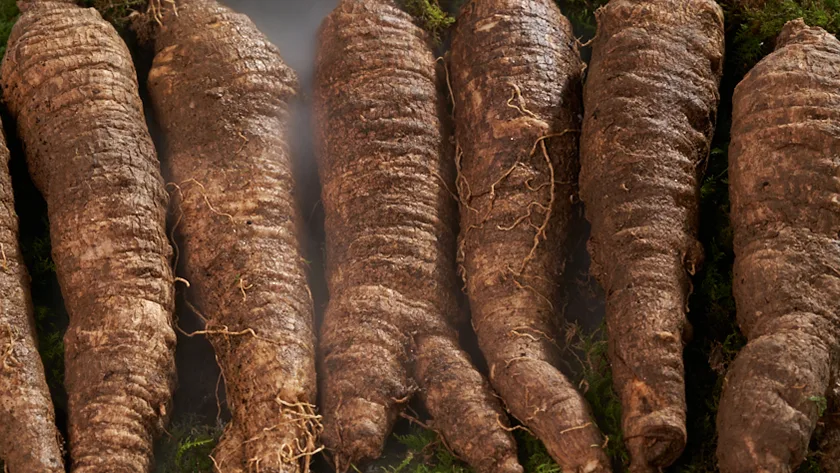
Deodeok: Health Through the Eyes of the Dongui Bogam
Deodeok, a fragrant mountain root that thickens in the garden year after year, was recorded in Korea's Dongui Bogam as "goat's milk" — a mild remedy for the lungs and throat. This column traces how those old records line up with today's nutrition science, and how to bring the root from garden to table.
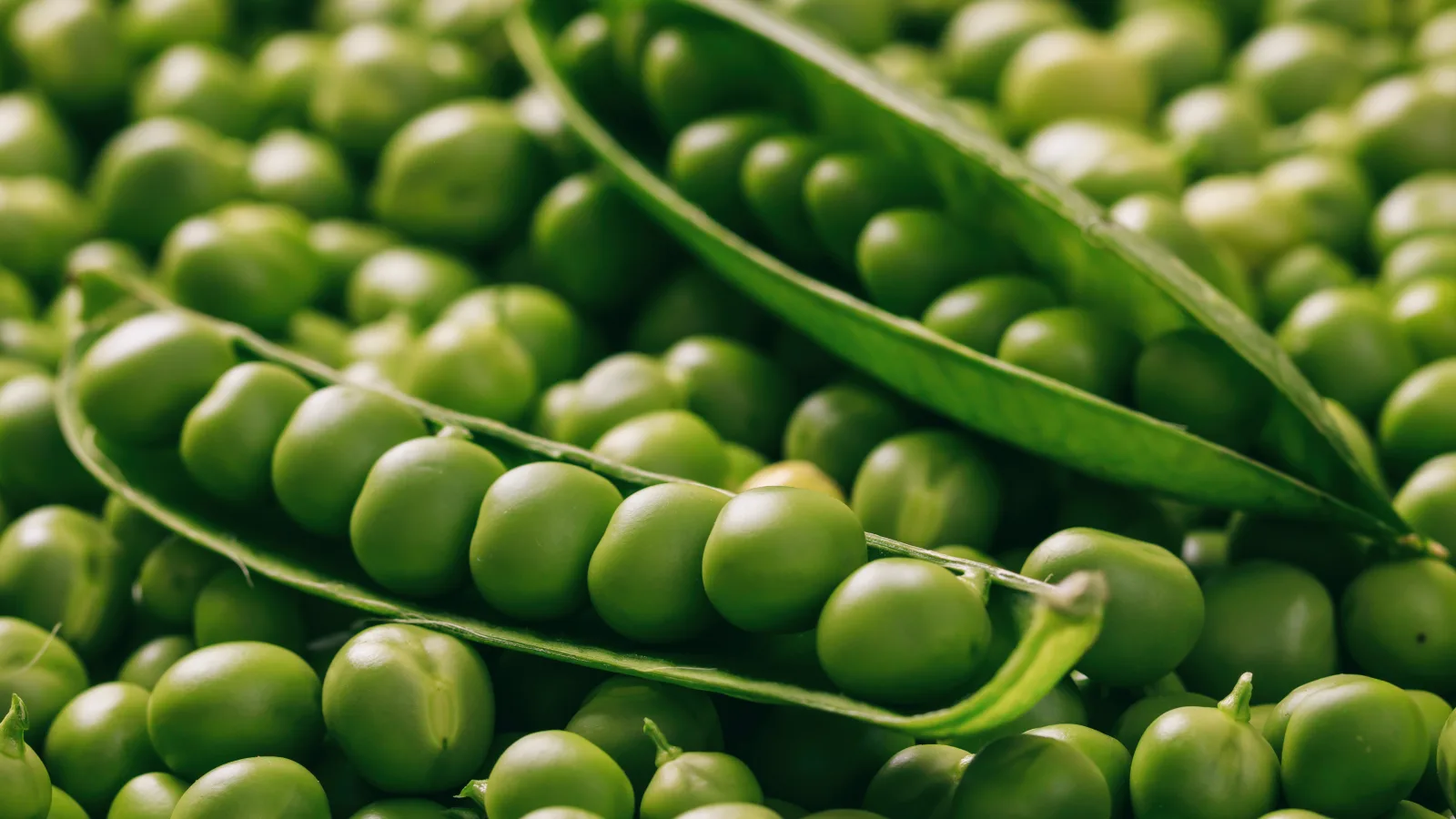
Garden Peas: Health Through the Eyes of the Dongui Bogam
Garden peas have been tended in Korean kitchen plots for centuries, and Korea's landmark 17th-century medical encyclopedia, the Dongui Bogam, tells us exactly why. Gentle, balanced, and quietly sweet, peas were prized for soothing the spleen and stomach, quelling persistent thirst, and steadily supporting the body's underlying foundation.
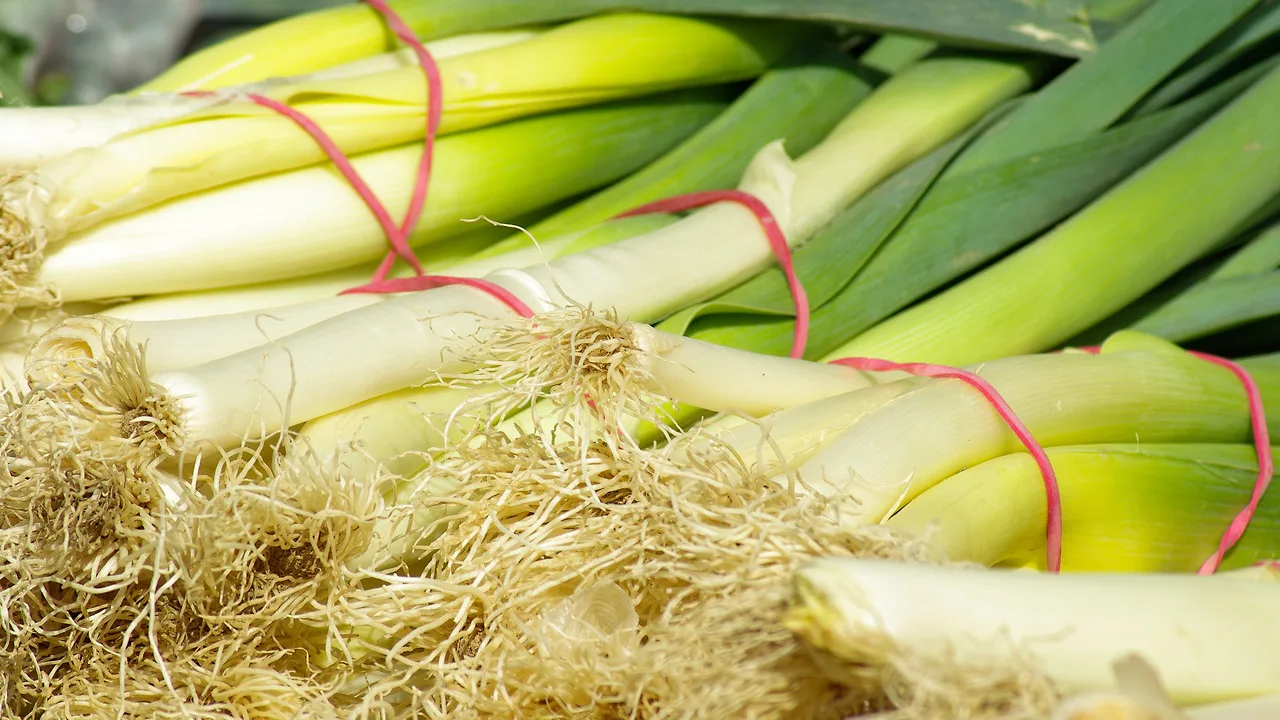
Green Onion Wellness, as Seen by Dongui Bogam
The large green onion growing in your garden has a quietly distinguished history in Korean classical medicine. Dongui Bogam gave its thick white base a dedicated name — chongbaek — and relied on it as a household remedy for early-stage chills, best simmered with ginger in a warming broth.
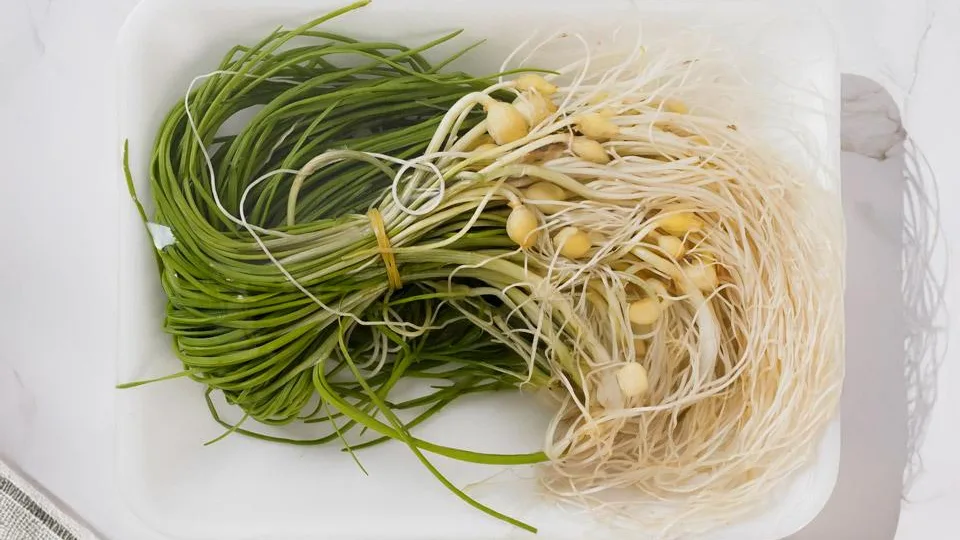
Korean Wild Chive: What Dongui Bogam Said About Its Health Benefits
Korean wild chive turns up almost unbidden in a winter-rested garden, and it has been welcome on the Korean table for centuries. The Dongui Bogam, the landmark 1613 Korean medical encyclopedia, classified it as a warming food for digestion — a view that aligns surprisingly well with what modern nutritional science notices in the same plant.