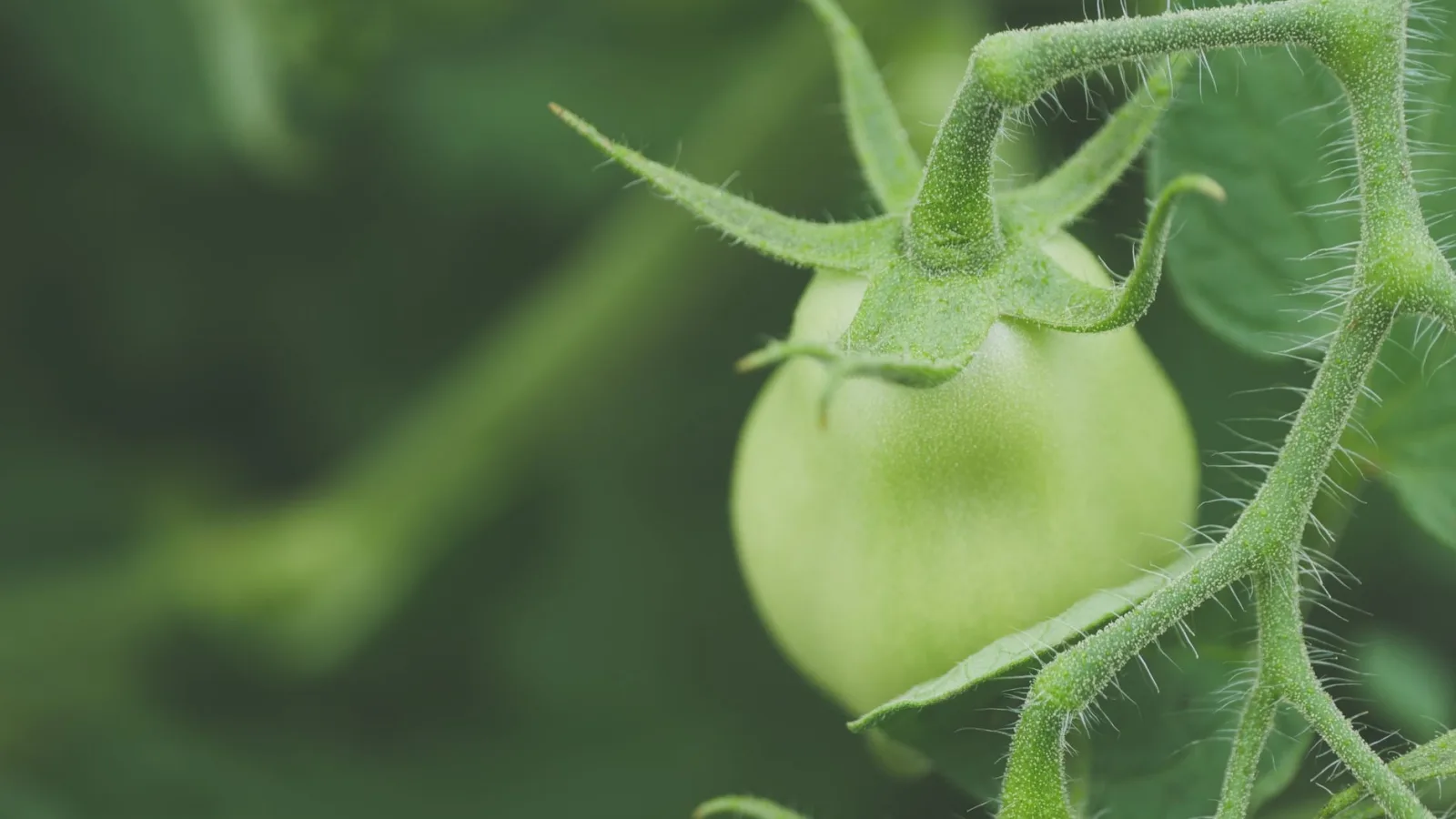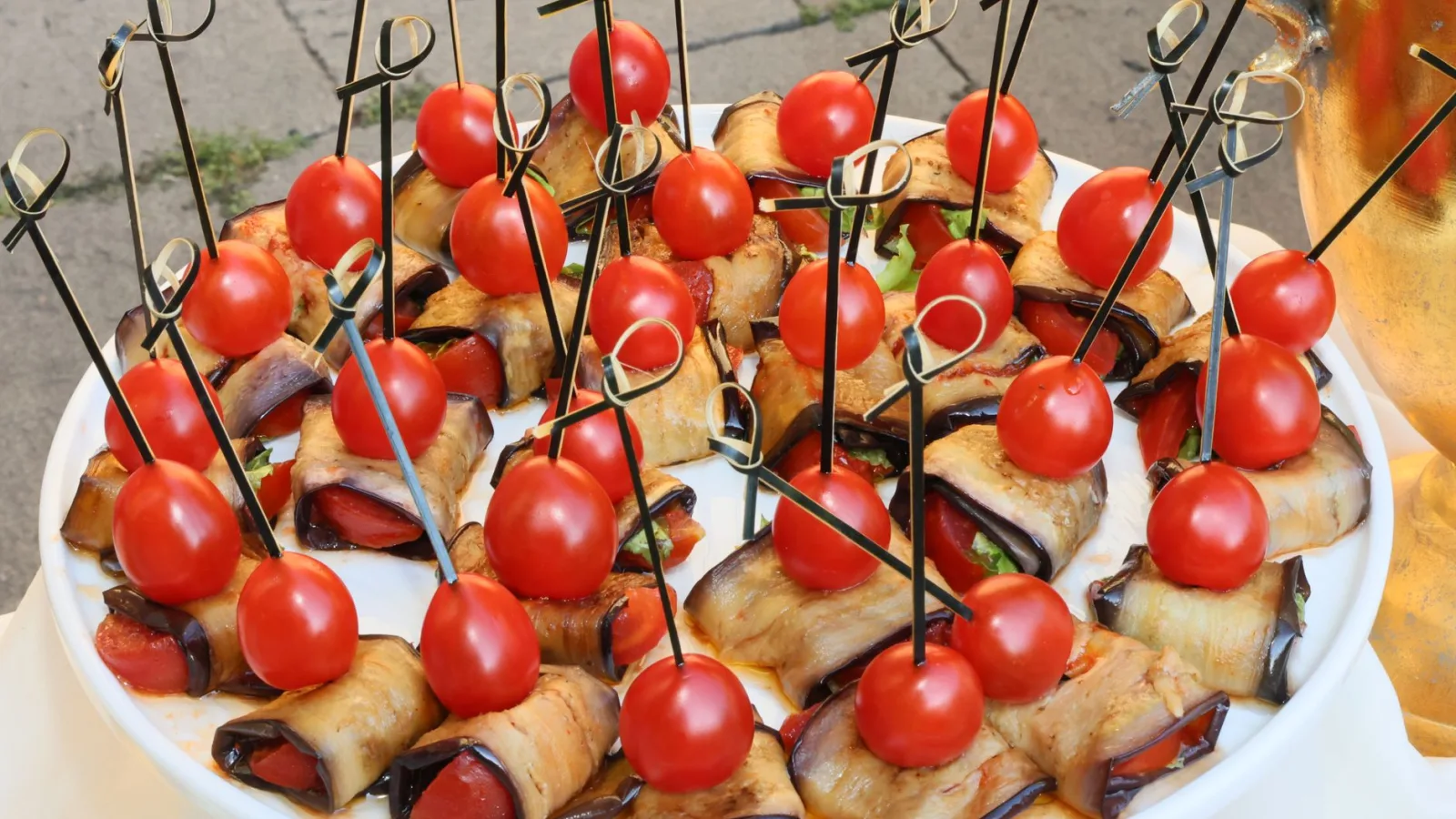
Pick a handful of cherry tomatoes from the garden and set them out on a plate, and the kids will nibble two or three before heading for the fridge. Out comes a juice box or a can of soda. The fruit from the garden stays on the plate while the sweet drinks go down fast.
If evenings like this repeat year after year, what do they leave behind in the body? A study that tracked childhood drinking habits for 25 years offers one answer.
A 25-Year Record
Researchers followed people who regularly drank soda, sports drinks, and fruit juice as children, tracking them into adulthood. The share of this group who developed high blood pressure was higher than among those who drank less, and the gap was too large to put down to chance.
It's still too early to say that sugary drinks caused the rise in blood pressure. This was a long-term observational study, so for now we can only say that the two moved together. Still, the pattern held steady. Among people who swapped a single daily drink for fruit, milk, or water, the researchers found a noticeably lower risk of high blood pressure.
It also helps to remember that the tastes we form as children tend to stay with us. Someone who reached for a sweet drink to quench their thirst at 10 is likely to do the same at 30. What those 25 years of records reveal isn't the habit of a single year but how many years that habit lasted.
What Disappears When You Juice
Fruit juice is often seen as one of the healthier sweet drinks. But when fruit is pressed into juice, most of the fiber from the peel and pulp is lost. What's left is water and sugar. With no chewing involved, that sugar also goes down much faster. A single glass of juice can hold the sugar of three or four oranges, yet few people could eat three oranges back to back.
When you eat fruit whole, the fiber slows how quickly the sugar is absorbed and keeps you full longer. The potassium in fruits and vegetables also helps the body flush out sodium, which supports healthy blood pressure. It's a modest boost on the prevention side, not a treatment, but over 25 years it adds up to a real difference.
Sweetness Straight from the Garden
This isn't about giving up sweetness. It's about changing where it comes from, and the garden is a good place to start. Cherry tomatoes grow best between 20 and 27°C (68–81°F), so they ripen well in warm weather. Plant seedlings in April or May (in the Northern Hemisphere) and you'll be picking all summer long. Strawberries ripen best in cool weather and are at their sweetest in spring.
- Cherry tomatoes — Pick them as they ripen, rinse them, and leave them out in a bowl. Little hands will reach for them before the fridge.
- Cucumbers and chamoe (crisp yellow Korean melons) — Full of water, they're ideal for quenching summer thirst. Chill them, then slice and serve.
- Strawberries and blueberries — Freeze them, then blend with milk. Unlike juice, the fiber stays in.
No garden? No problem. A single cherry tomato plant in a pot on the balcony can keep you in snacks all summer. And fruit that kids have watered and picked themselves never lasts long on the plate.
At dinner tonight, put a glass of water where the drink usually goes, and set a plate of just-picked fruit beside it. Changing those 25 years starts with a single glass today.
Reference — A long-term observational study that tracked childhood beverage intake and adult blood pressure over 25 years