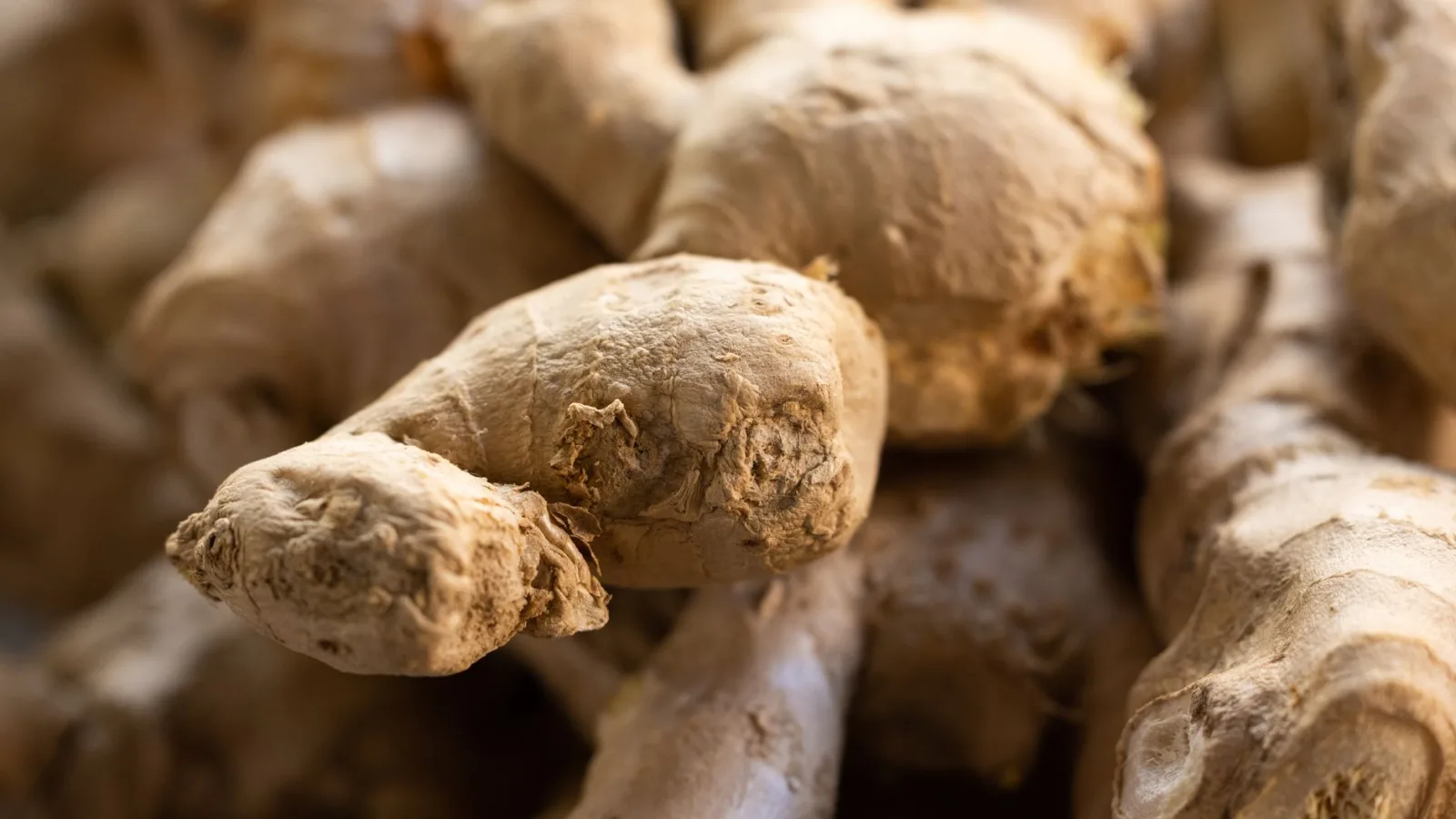
A Knob of Ginger, Fresh from the Soil
Have you ever harvested ginger from your fall garden? Pull on the leafy stalks and the knobby roots come up with them. Brush off the soil, and that sharp, spicy scent stays on your fingertips for a long time. It's the same root we grate by the spoonful into kimchi seasoning, or slice thin and steep in hot water on a cold day.
Ordinary as it seems, ginger got real respect in the old medical texts. The Donguibogam, the landmark Korean medical encyclopedia compiled in the early 1600s, gives fresh ginger (saenggang) and dried ginger (geongang) entries of their own. It goes further still and names baekgang, which is ginger peeled and then dried, and geonsaenggang, which is ginger left to dry on its own with the skin on. One root became several distinct medicines depending on how it was prepared. Let's take a slow look at what the text says.
What the Donguibogam Says
The Donguibogam describes fresh ginger as "slightly warm in nature, pungent in flavor, and nontoxic." It also says the root's medicinal effect reaches all five of the body's major organs, including the lungs, stomach and spleen.
The text lists several main uses. Ginger clears phlegm and brings rising qi (vital energy) back down. It stops vomiting and drives out the harmful influences of wind, cold and damp. Another line recommends it for coughing fits and shortness of breath. Most striking, the volume on medicinal substances calls ginger "the sovereign remedy for vomiting and regurgitation." That gives you a sense of how much people once relied on this root to settle an upset stomach.
The text also has an interesting note on preparation. It says ginger's flesh is warming while its skin is cooling. To warm the body, you peel it; to cool excess heat, you leave the skin on. So the same root could do different jobs depending on how you handled it.
Dried ginger is a different medicine. The Donguibogam calls it "very hot in nature." It says dried ginger opens up the five organs and the joints of the limbs and drives out the aching stiffness caused by wind, cold and damp. It also warms the spleen and stomach, helps break down food that has sat undigested, and clears cold phlegm. The text draws a clear line between the two forms: fresh ginger pushes energy outward toward the surface of the body, while dried ginger warms it from the inside.
How It Compares with Modern Nutrition
Put these old records next to the way we eat today and some of it matches up. Ginger's sharp bite comes from compounds such as gingerol, and most of us know how a warm cup of ginger tea settles the stomach and warms you through. That fits well with what the Donguibogam called onjung, or "warming the center."
The same goes for nausea. The Donguibogam treated ginger as a remedy for vomiting, and plenty of people still reach for it today to ease motion sickness or morning sickness. The text's claim that dried ginger warms the body more deeply than fresh is also worth thinking about now that chilled and raw foods are so common on our tables. Still, these are only places where traditional thinking and everyday experience overlap. They are not a substitute for medical treatment. If your body is clearly telling you something is wrong, it's safest to see a health-care professional first.
From Garden to Table
Getting ginger onto your table is easy. Slice it thin and steep it in hot water for ginger tea. You can also add a couple of slices to another warm drink, like the "two slices of ginger in ssanghwa-tang" the Donguibogam mentions (ssanghwa-tang is a traditional Korean herbal tonic tea). You probably already grate it into sauces and marinades or squeeze out the juice for cooking. Roots you've just dug up, with the soil still on them, will keep their fragrance for some time if you wrap them in newspaper and store them somewhere cool.
On how much to eat, the old text gives advice worth keeping in mind. The Donguibogam says ginger can be kept on hand and eaten regularly, but not in large amounts, and not at night. It advises caution for people with a yin deficiency who tend to run hot, people who often have a dry mouth and feel feverish and restless, and people who bleed easily. Even for one small, spicy root, people in the past thought carefully about when and how much to eat. Enjoy your ginger, and pay attention to how your own body responds.