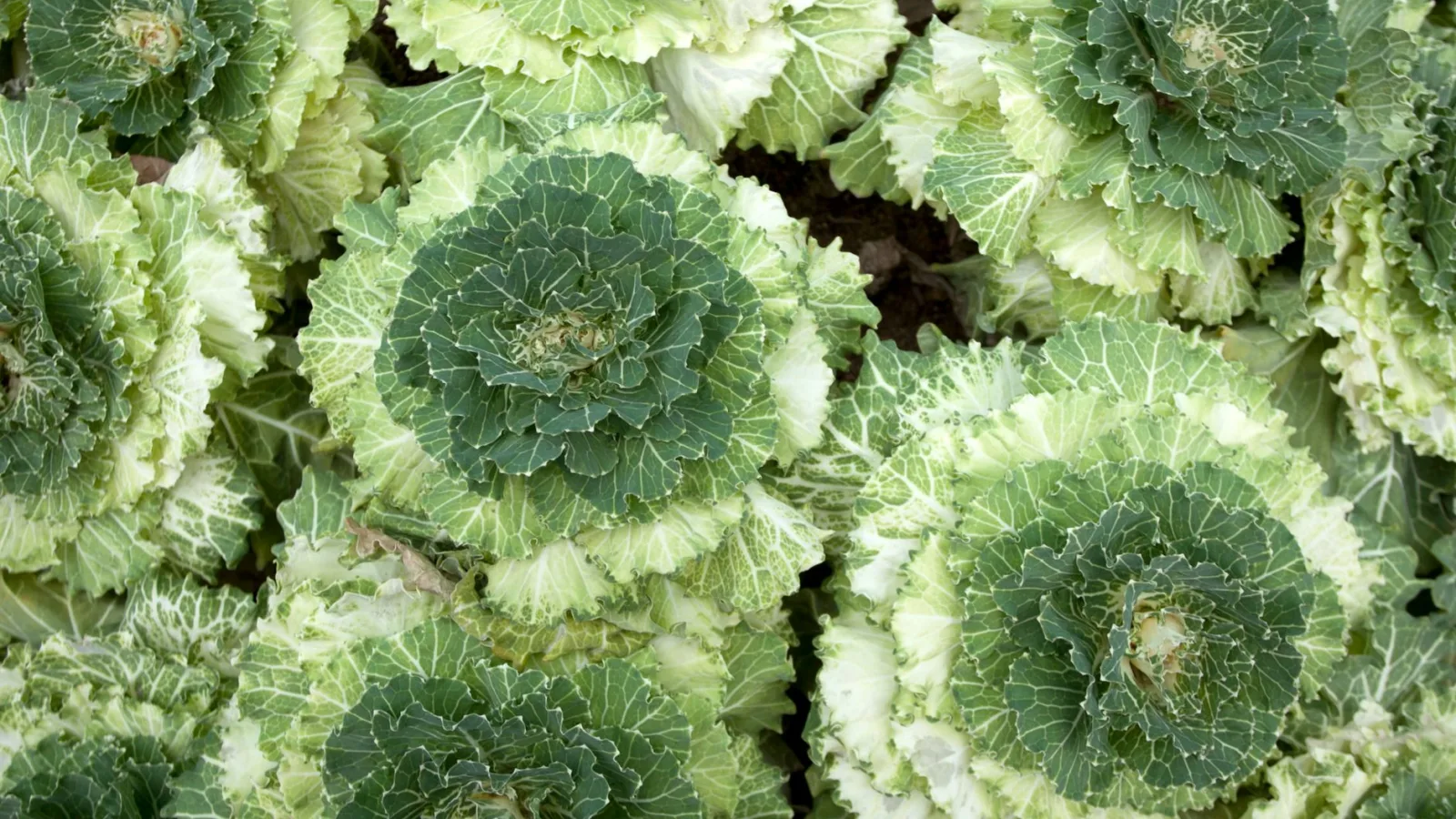
In some gardens, rapeseed transplanted in spring never grows more than a hand's span tall, and its lower leaves start turning red. If you've watered and fed the plants and they still aren't responding, test your soil's pH first. Rapeseed (the plant canola oil comes from) has two uses in Korea. The tender spring shoots are picked as greens, and the plants left in the ground set seed that is pressed for oil. Whether you're eating the leaves or harvesting the seed, the plant shows you clearly what condition your soil is in.
What Happens When Soil Turns Acidic
Red soil exposed to years of rain gets a little more acidic each year as calcium and magnesium wash out of it. In a study of acidic red soil in southern China, the soil measured pH 4.93 before the trial began. At that level of acidity, aluminum dissolves out of the soil and damages fine new roots. Phosphorus also binds with iron and aluminum and becomes hard for plants to absorb. That's why crops can lag even when you've been generous with fertilizer. If the soil is also low in organic matter, it holds water and nutrients poorly too.
What Happened When Compost and Charcoal Were Combined
The researchers grew rapeseed in three kinds of plots: organic fertilizer only, biochar (a charcoal-based soil amendment) only, and both together. Every approach raised the pH to between 5.04 and 6.47, and organic matter increased by 18 percent to as much as 74 percent. But combining the two didn't always produce a better harvest. Results depended on which materials were used. Some pairings increased seed weight and others reduced it. Finding the right pairing for your bed does more good than simply adding more material.
The Bacteria Around the Roots Change
The real driver of the soil's recovery seems to be the bacteria living around the roots more than the amendments themselves. Each treatment produced a clearly different bacterial community, and certain combinations increased a group called Firmicutes. Plots with a higher share of these bacteria also produced seeds with higher oil content. Many Firmicutes species break down organic matter and dissolve phosphorus that has been locked up in the soil. Water and nutrients likely collect in the tiny pores on the charcoal's surface, and that may help these bacteria multiply. The study only shows that bacteria levels and oil content rose together. It doesn't prove that one caused the other. Still, it is useful evidence that improving your soil can also improve the quality of what you grow.
What to Try in Your Garden Today
- Test the pH in two or three spots in your bed with test strips or an inexpensive meter. A reading below 5.5 means it's time to treat the soil.
- Mix in charcoal at only 2 to 5 percent of the soil volume. Avoid briquettes that contain lighter fluid or binders. Use broken pieces of hardwood lump charcoal or rice-hull charcoal instead.
- Charcoal used alone locks up nitrogen at first. Blend it with well-rotted compost and work it in 2 to 3 weeks before planting.
- Wood ash raises pH sharply, so apply it a handful at a time.
Correcting acidic soil takes more than one season. Test your pH this weekend, and you'll have a better idea how much compost to add when you plant fall napa cabbage and Korean radish.
Source: Frontiers in Microbiology (international scientific journal), a study of how combining organic fertilizer and biochar affects the ecological structure of acidic red soil and the growth of rapeseed