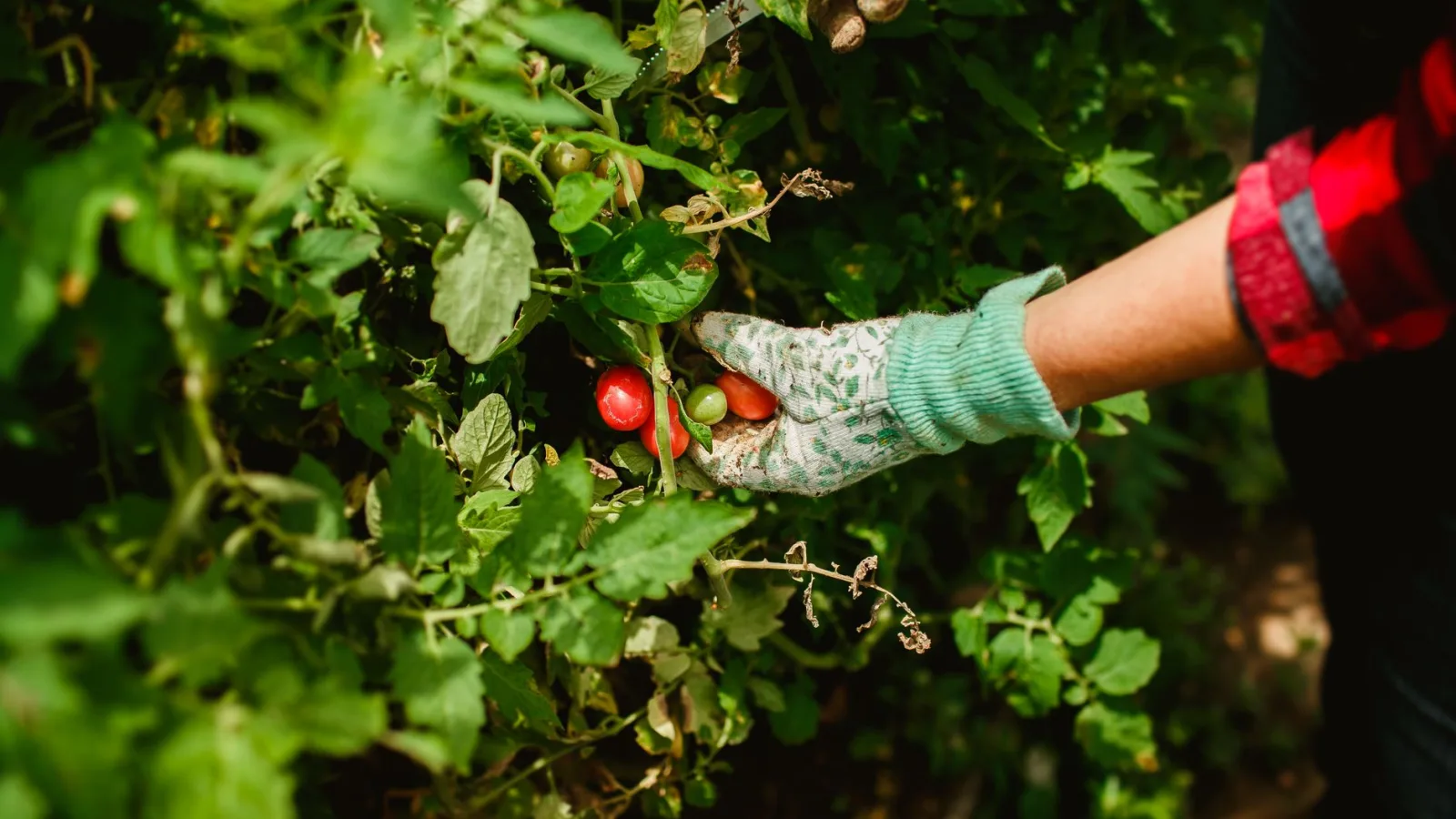
Pick a handful of cherry tomatoes in the summer garden, pop them in your mouth, and you get a burst of sweetness. Korean melons (chamoe, the small yellow-striped melons) and corn get noticeably sweeter as their season peaks, too. But your body doesn't handle all sweetness the same way. Fructose, plentiful in fruit, and glucose, plentiful in rice and bread, have similar names and appear together as "sugars" on nutrition labels. Yet new research suggests the brain treats them differently.
Same "Sugar," Different Signals
Fructose and glucose are both simple sugars. Nutrition labels list them together under "sugars," and both provide 4 calories per gram. That's why we long assumed sugar was just sugar. Recent research, however, suggests that how hungry we feel depends on which sugar we eat. The calories may match, but the body's response doesn't.
Glucose vs. Fructose: The Fullness Gap
In one animal study, giving mice glucose clearly calmed the brain cells that drive hunger. When the mice got the same amount of fructose instead, those cells calmed down far less. Put simply, glucose sent a fairly clear "you can stop eating now" signal, while fructose's signal was weak. The two sugars had similar calories, but they didn't produce the same sense of fullness.
Why Is High-Fructose Corn Syrup So Hard to Resist?
High-fructose corn syrup, common in processed foods and drinks, contains a large share of fructose. In the study, the mice responded more strongly to it and preferred it. It delivers plenty of sweetness but only a weak signal to stop, so you may keep reaching for more. These findings come from mouse studies, though, so we can't assume people respond the same way yet. For now, treat them as an early hint of how things may work in people.
No Need to Worry About Your Garden Fruit
So should you avoid the melons and tomatoes from your garden because they contain fructose? Here's the key difference. Fruit doesn't contain fructose alone. It also has fiber, water, and vitamins. Fiber slows how quickly sugar is absorbed and helps fill you up. That's why a plate of whole fruit and a glass of soda sweetened with high-fructose corn syrup affect your body very differently, even though both contain fructose.
- Whole seasonal fruit keeps you full longer than a sugary drink.
- Eating fruit whole instead of juicing it slows absorption.
- Check processed-food labels for high-fructose corn syrup (also listed as glucose-fructose syrup).
This isn't about cutting out sweets. For today's snack, try fruit from your garden or whatever's in season, eaten whole, instead of a sugary drink. Chewing and fiber both help you feel full, so the same sweetness leaves you less hungry. That's a good way to enjoy the sweetness of a summer garden.