
Tangaek — Decoctions · Herbs
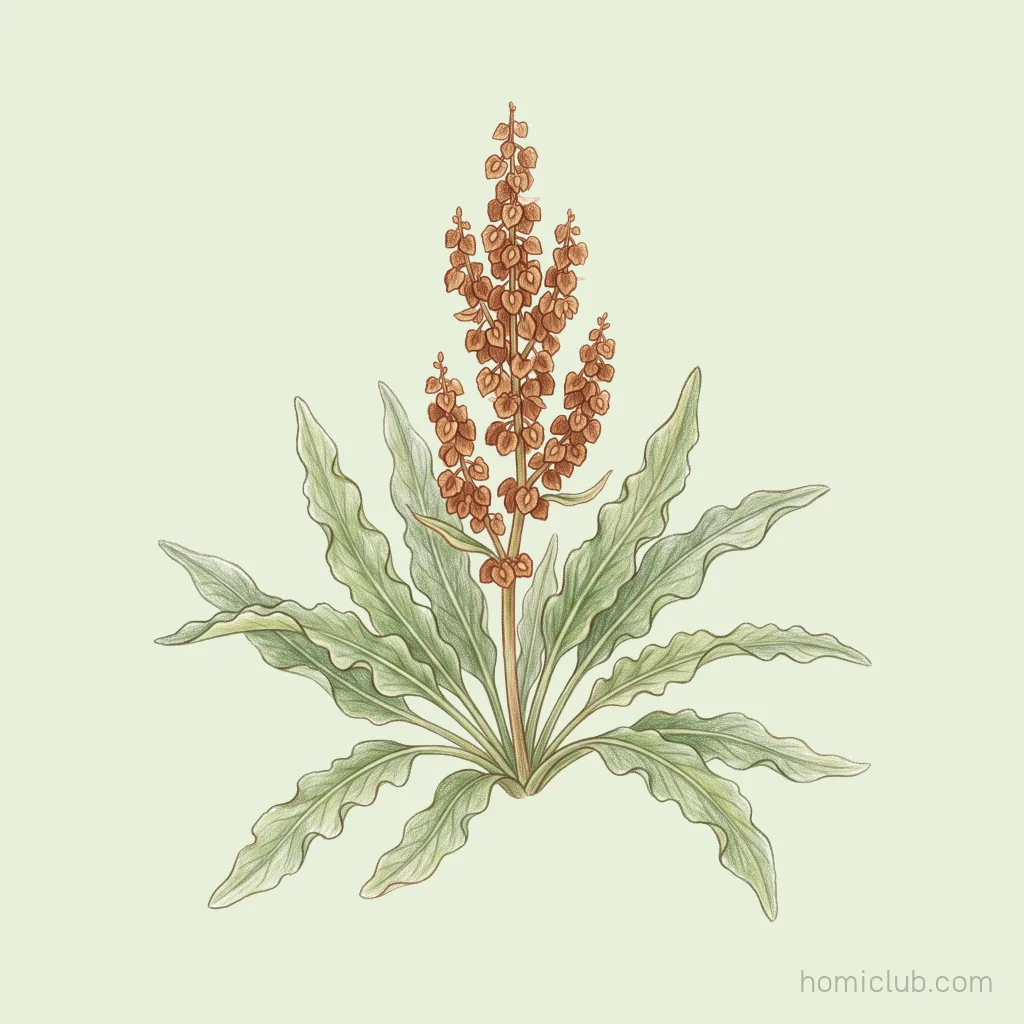
羊蹄根 Curly Dock
 Related Crop · Curly Dock →
Yangjegeun is the root of curly dock. It is the same plant as the sorijaengi in the crop guide, common along paddy banks and roadsides, its young spring leaves dressed as a seasoned green. The Donguibogam splits the entry into root, fruit, and leaf, and adds sour-leaved seunga alongside.
Original, read line by line 東醫寶鑑 · Tangaek — Decoctions vol. 3
-
性寒, 味苦辛, 無毒一云有小毒. 主頭禿疥癬疽痔, 女子陰蝕浸淫. 殺諸蟲. 療蠱毒, 付腫毒. 處處有之. 《本草》
Its nature is cold and its taste bitter and pungent; it is non-toxic, though one account says it is slightly toxic. It governs baldness of the head, scabby skin disorders, abscesses and piles, and erosive and spreading sores of the female genitals. It kills the various worms. It treats godok (蠱毒) and is applied to swelling toxin. It is found everywhere. 《Boncho (本草)》
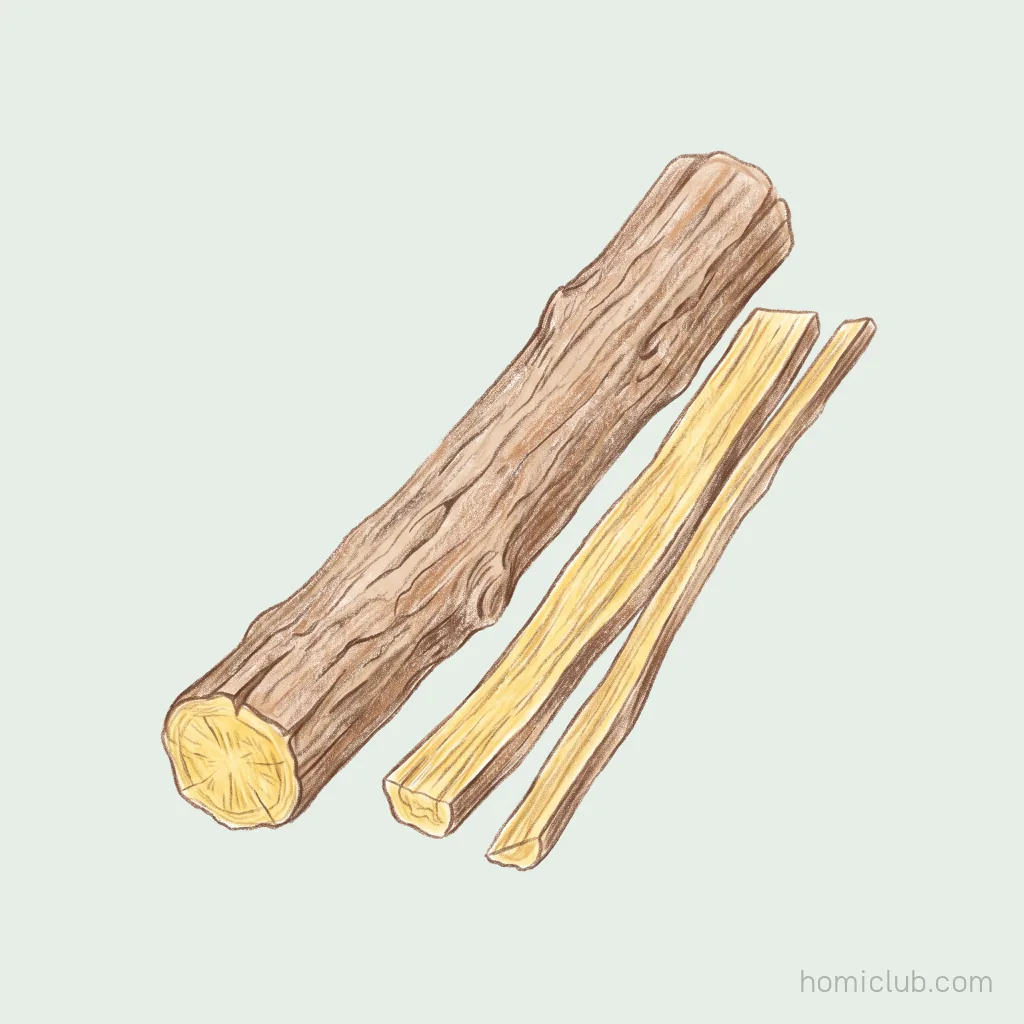
HomiclubYangjegeun is the root of sorijaengi (curled dock), a knotweed-family perennial common on paddy banks and roadsides in Korea; its young spring leaves are dressed and eaten as namul. The root is thick and taproot-like, with a yellow cut surface.
Related Crop
Curly Dock →
Reading on Curly Dock
Herbs — more entries
This is a cultural and historical record from a classical text, not a claim about any food’s effects. Nothing here is a health supplement or intended to prevent or treat disease. Consult a medical professional about health concerns. · Text: Korean Medicine Classics DB · Reading: Homiclub