
Tangaek — Decoctions · Herbs
酢漿草 Creeping wood sorrel
 Related Crop · Creeping wood sorrel →
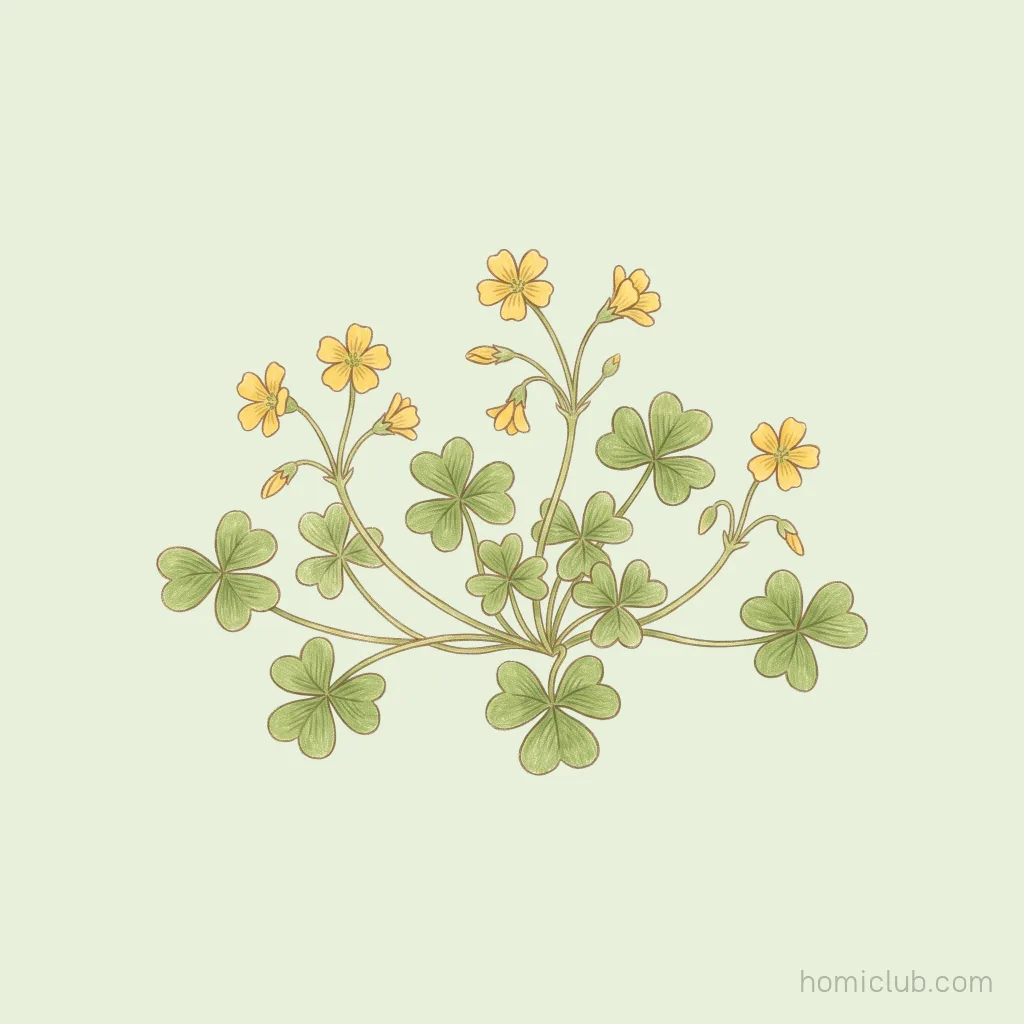
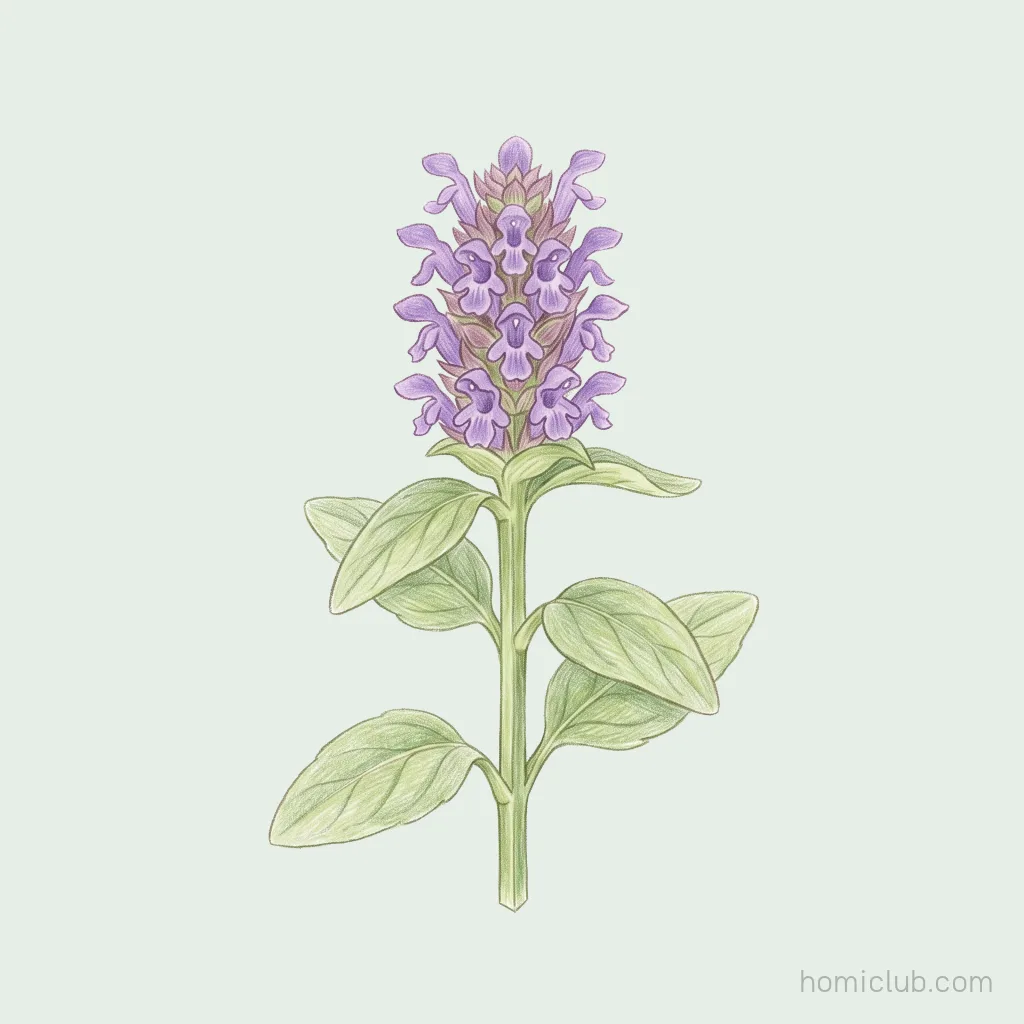
Chojangcho is a small plant of low damp ground, 'goeseunga' in old Korean and sanchacho in common speech, nibbled by children. It is the wood sorrel of today, recognized by its three heart-shaped leaflets and sour taste.
Original, read line by line 東醫寶鑑 · Tangaek — Decoctions vol. 3
-
性寒, 味酸, 無毒.
Its nature is cold, its taste sour, and it has no toxicity.
HomiclubAlthough the text says it has no poison, the Hong Kong Hospital Authority's atlas of poisonous plants lists the whole wood sorrel plant (Oxalis corniculata) as poisonous. Eating large amounts lets oxalate form calcium oxalate crystals in the renal tubules, causing acute tubular necrosis; the reported lethal dose is 10 g of oxalate, equivalent to about 83 g of dried plant.
-
主惡瘡瘑瘻.
It chiefly governs malignant sores and gwaru (creeping fistulous sores).
-
殺諸小蟲.
It kills all the small worms.
-
處處有之, 生下濕地.
It is found everywhere, growing in low, damp ground.
HomiclubIt is a small plant whose three heart-shaped leaflets meet at one point, common at the foot of walls and in the cracks between paving stones. It folds its leaves on cloudy days and at night.
-
小兒食之, 俗名酸車草. 《本草》
Children eat it, and it is popularly called sanchacho (酸車草). 《Boncho (本草)》
HomiclubChewed, it tastes sour, so children picked and ate it, and the character 酸 (sour) entered its name. In Korean it is called gwaengibap.
Related Crop
Creeping wood sorrel →
Reading on Creeping wood sorrel
Herbs — more entries
This is a cultural and historical record from a classical text, not a claim about any food’s effects. Nothing here is a health supplement or intended to prevent or treat disease. Consult a medical professional about health concerns. · Text: Korean Medicine Classics DB, collated with the Jangseogak copy of the 1613 wooden movable-type edition · Reading: Homiclub