
Tangaek — Decoctions · Herbs
茴香 Fennel
 Related Crop · Fennel →
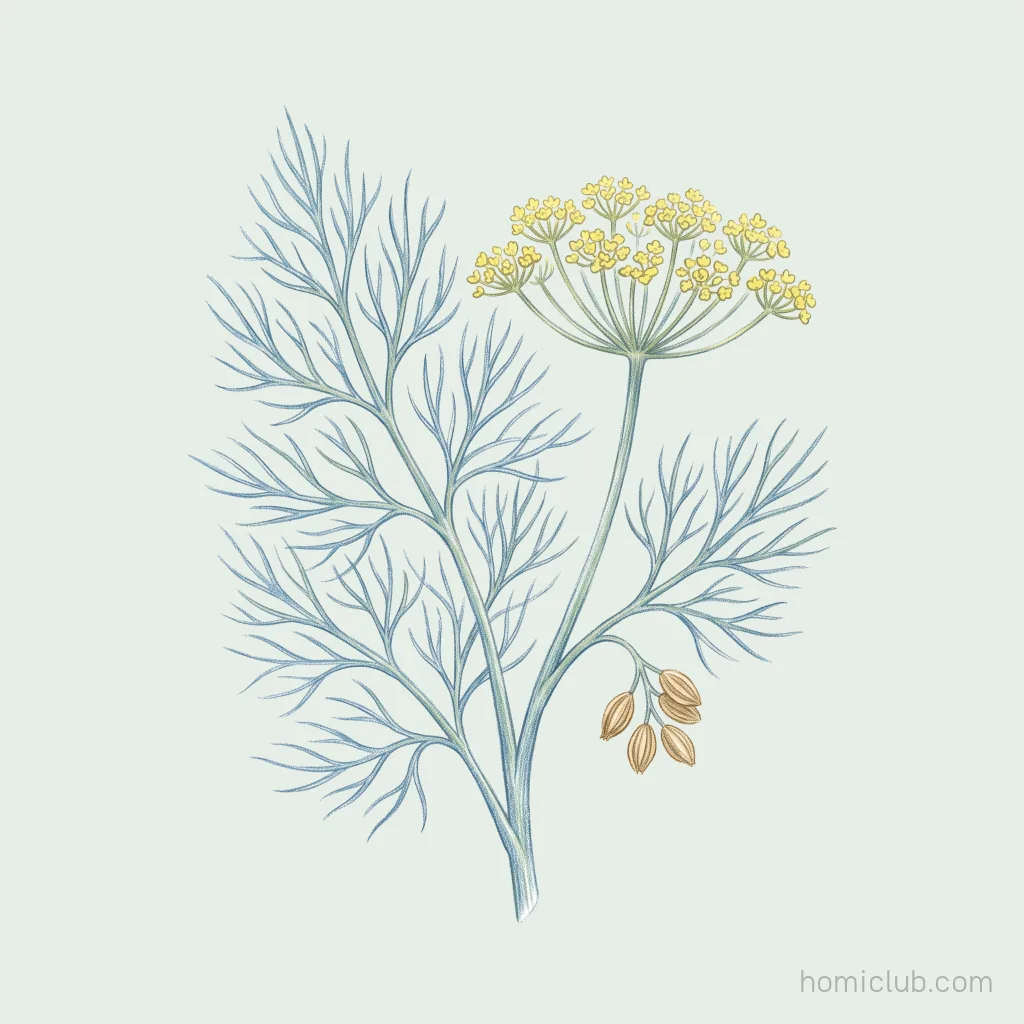
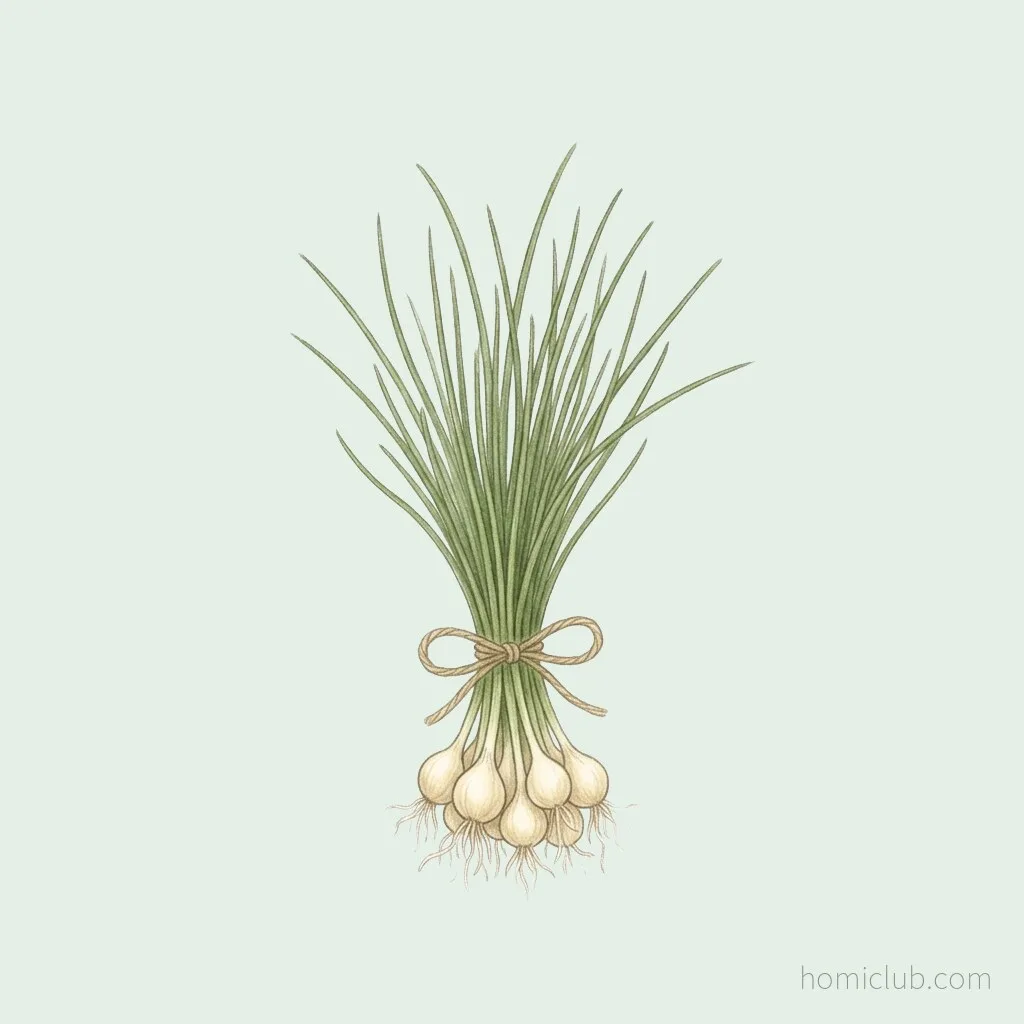
Fennel grows in clumps of fine, sparse leaves resembling old coriander, the same plant as the hoehyang in the crop guide. Its green barley-sized seed is gathered in the eighth and ninth months and dried in shade. Today the seed is a spice and the stalk and fronds a vegetable.
Original, read line by line 東醫寶鑑 · Tangaek — Decoctions vol. 3
-
性平, 味辛, 無毒.
Its nature is neutral, its taste pungent, and it is without toxicity.
-
開胃下食.
It opens the stomach and sends food down.
-
治霍亂及惡心, 腹中不安, 療腎勞㿉疝, 及膀胱痛, 陰疼.
It treats gwallan (sudden turmoil disorder) and nausea, unease within the abdomen, kidney taxation and toesan (bulging hernia), pain of the bladder, and pain in the genitals.
-
又調中煖胃.
It also harmonizes the center and warms the stomach.
-
葉似老胡荽, 極疏細, 作叢生.
Its leaves resemble mature coriander, extremely sparse and fine, and it grows in clumps.
HomiclubHoehyang is an umbellifer whose leaves divide into fine thread-like segments.
-
結實如麥而小, 靑色.
Its fruit is like barley but smaller, and green in color.
HomiclubThis seed is what spice shops sell today as fennel seed.
-
八月九月採實, 陰乾. 得酒良. 《本草》
In the eighth and ninth months the fruit is gathered and dried in the shade. It fares well with liquor. 《Boncho (Materia Medica)》
-
溫腎與膀胱小腸.
It warms the kidney, the bladder, and the small intestine.
-
入手足少陰太陽, 本治膀胱藥也.
It enters the hand and foot shaoyin and taiyang channels; it is fundamentally a medicine for treating the bladder.
-
酒浸一宿, 炒黃色, 搗碎用. 《入門》
It is soaked in liquor overnight, stir-fried to a yellow color, then pounded and broken up for use. 《Immun》
-
又一種八角茴香, 氣味燥烈, 專主腰痛. 《入門》
There is another kind, palgak-hoehyang, whose qi and flavor are drying and fierce; it governs lower back pain alone. 《Immun》
HomiclubPalgak-hoehyang is the fruit of a quite different tree, an eight-pointed star known today as star anise.
-
我國種植, 隨處有之. 《俗方》
In this country it is planted and found in many places. 《Sokbang》
Related Crop
Fennel →
Reading on Fennel
Herbs — more entries
This is a cultural and historical record from a classical text, not a claim about any food’s effects. Nothing here is a health supplement or intended to prevent or treat disease. Consult a medical professional about health concerns. · Text: Korean Medicine Classics DB · Reading: Homiclub