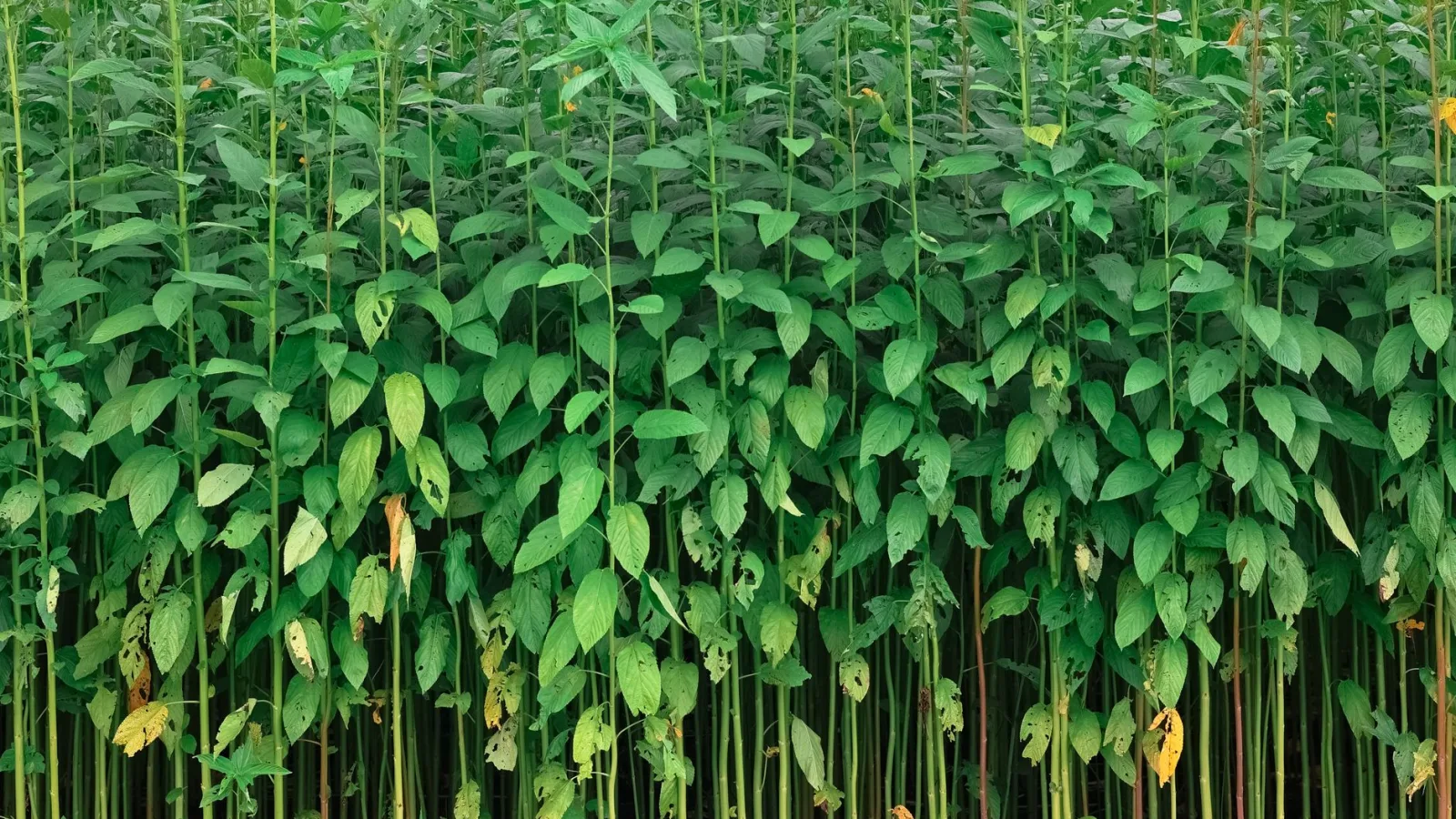
The rainy season has passed, you've pinched out the suckers, and your tomatoes are shooting up. But one plant stands out: its leaves are yellowing and drooping. A deep watering perks it up only for a moment. Puzzled, you gently lift the roots and find the fine feeder roots studded with pea-sized knots. These are the marks of root-knot nematodes. Too small to see, they're hard to fight by hand, and once they spread, they linger in the soil into the following year.
The chemical nematicides growers have relied on for decades certainly work, but because of the toll they take on people and on other life in the soil, the situations where they can be used keep narrowing. That's why researchers keep turning to plant-derived compounds to keep nematodes in check, and a recent study has reported results with garlic oil.
Why Garlic Oil Cuts Down on Nematodes
Slice into a clove of garlic and that sharp, pungent smell hits you at once. What you're smelling is the sulfur compounds in garlic. Out in the field, those same compounds are known to disrupt nematodes and a range of other soil pests. It's also why gardeners have long said that rows planted with garlic or green onions draw fewer pests.
The researchers extracted garlic oil using two different solvents, ethanol and ethyl acetate, and analyzed what each one contained. The type and amount of sulfur compounds varied with the extraction method, and that difference carried through to the experiments that followed.
Why They Made Tiny Droplets
Garlic oil is hard to use in the garden as is. It doesn't mix well with water, and it evaporates quickly, so its effect doesn't last. The researchers therefore broke the oil into extremely fine droplets that disperse evenly through water. The result is called a nanoemulsion.
The droplets they produced measured 138 nanometers or less, several hundred times thinner than a human hair. At room temperature, the mixture held together for 16 weeks without separating into layers. Poured onto the soil like water, the oil seeps evenly around the roots and lingers right where nematodes gather.
What the Greenhouse Trials Showed
When this garlic oil solution was poured onto soil planted with tomatoes, the knots forming on the roots dropped noticeably. The number of juvenile nematodes hatching in the soil fell as well, and with healthier roots, the tomatoes grew better. Of the combinations tested, the ethanol-extracted oil blended with an emulsifier performed best, holding its own even against the conventional chemical nematicide.
That said, these results came from a greenhouse. Whether the same effect holds in a real vegetable plot or an open field, and at what concentration and how often it should be applied, still needs to be worked out. Garlic oil is a promising candidate for the future, not a product you can buy and pour on today.
What You Can Do in Your Garden Today
Even while you wait for a treatment to reach the market, there are ways to bring nematode numbers down. Start by pulling any plant that's wilting and failing to grow, and check its roots. If you find knots, remove that plant along with the soil around it, and don't follow it in the same spot with another nightshade like tomato, eggplant, or pepper. Next year, rotate in garlic, green onions, or marigolds between them.
- Pull diseased plants roots and all, and don't leave any of them in the soil
- Don't plant nightshade crops in the same spot year after year
- Work garlic, green onions, and marigolds into your rotation
Slip in crops that soil nematodes can't stand, and their numbers gradually dwindle. Planting a head of garlic this fall is a way of looking after next year's tomato crop.