Step into the garden in early summer and you'll find plump bees burrowing into the squash blossoms. Bigger and fuzzier than honeybees, these are bumblebees. Their bodies are barely the length of a fingertip, yet they play an outsized role in what ends up on our plates. About one-third of the crops people grow depend on pollinating insects like bees to set fruit. Recent studies, however, are raising worrying questions about how well these bees are reproducing.
What Bumblebees Do in the Garden
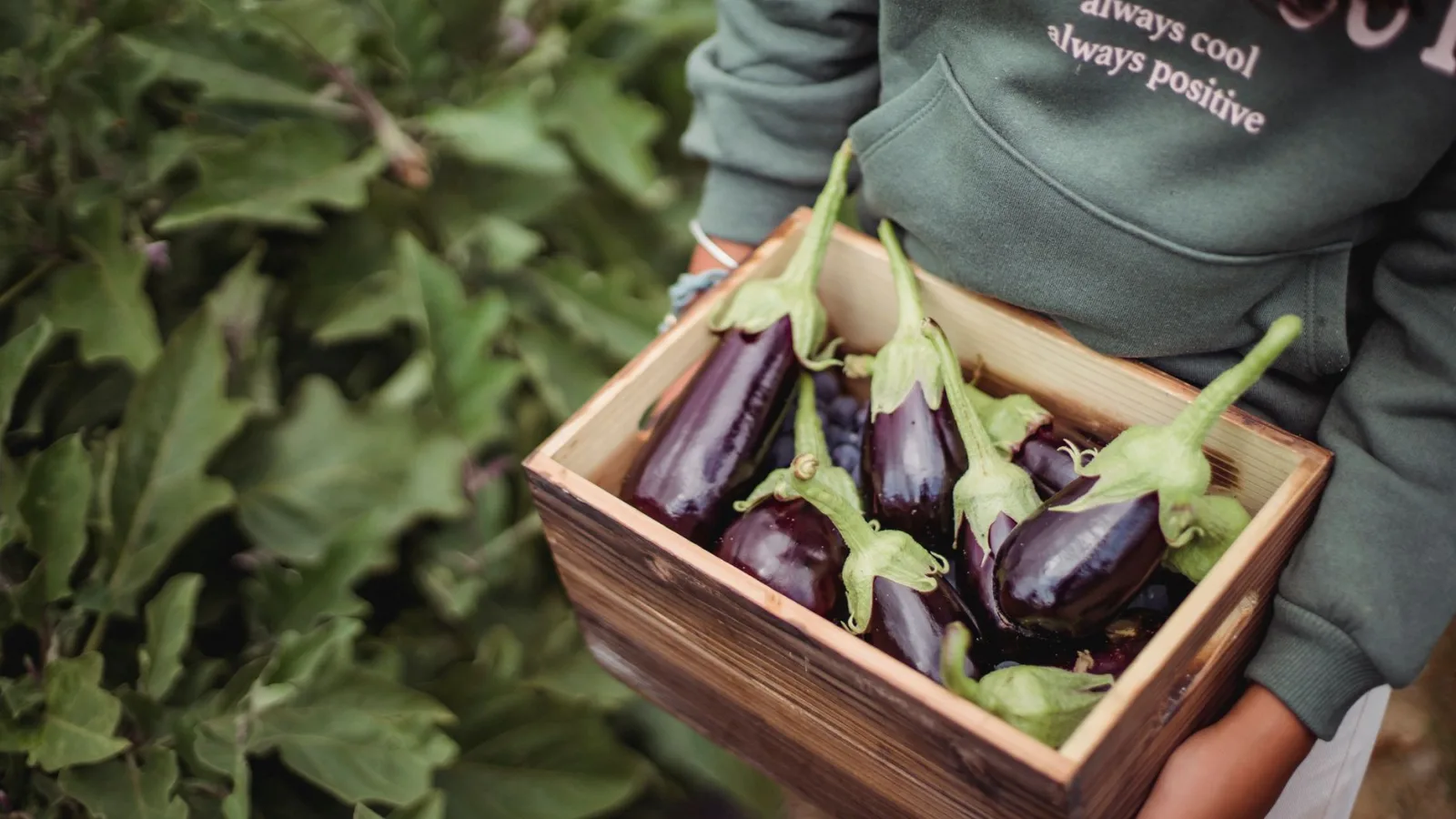
Bumblebees do a job that honeybees struggle with. In crops like tomatoes, eggplants, and chili peppers, the pollen is locked inside the anthers. It only comes out when a bee vibrates its flight muscles rapidly enough to shake the flower. Bumblebees are experts at this "buzz pollination," which is why greenhouse tomato growers bring in bumblebee colonies of their own. Even in a backyard plot, squash and tomatoes tend to set fruit more evenly in years when bumblebees visit often.
The "Safer" New Pesticides
For years, neonicotinoid insecticides were blamed as a leading cause of harm to bees, and the European Union banned several of them for outdoor use. New ingredients soon took the place of the banned ones. These were next-generation insecticides such as flupyradifurone and sulfoxaflor, and their manufacturers promoted them as safer for bees. When several research teams actually fed them to bees, though, the results told a different story.
Why Fewer Bees Are Being Born
In one study, researchers fed bumblebee colonies food laced with one of these new insecticides, at levels the bees could realistically encounter in the field. The bees became sluggish foragers, and the colonies raised fewer new queens and males. Queens are the bees that start new colonies the following year, so fewer queens means a smaller next generation overall. The insecticide appears to act on the bees' nervous systems, disrupting their sense of direction and their memory. More research is needed to confirm whether the same thing happens under all conditions. Still, a growing number of experts warn that it's too early to trust a "safe" label on its own.
How to Help Bees in Your Garden
Fortunately, even a small garden can do a lot for bees. Here are a few things you can start doing today.
- Avoid spraying insecticides during the day while plants are in bloom. If you have to spray, wait until after sunset, once the bees have gone home.
- Plant a few nectar-rich flowers, such as lavender, borage, and cosmos, along the edges of your garden to give bees a place to feed.
- Add flowers that bloom in early spring and late fall so bees have food throughout their active season.
- Leave one corner of soil untidy and undisturbed. Bumblebees that nest underground may move in.
A bumblebee moving in and out of a squash blossom is a sign of a healthy garden. This summer, keep track of how many bees come to visit, and start by planting one more flower.