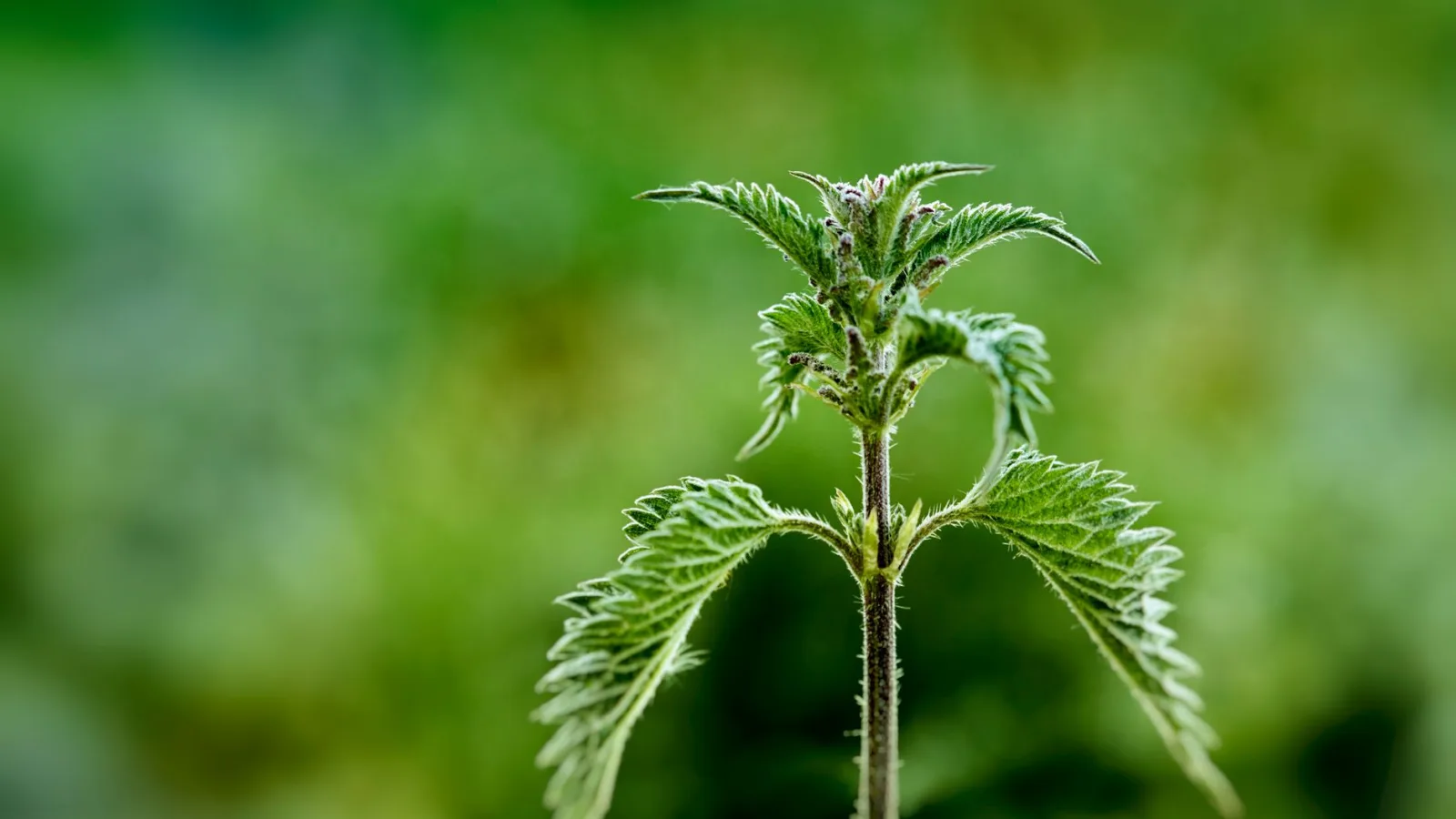
In high summer, a stand of motherwort on a field bank catches the eye from far off. The stem is square, and between the deeply cut, finger-like leaves, pale pink or purplish flowers bloom in rings at every node. Pluck a leaf and chew it, and the bitterness lingers in your mouth for a good while. That bitterness is why motherwort has long been a plant people took with something else. China is its main home, and it grows wild in the fields of Korea, Japan, and Vietnam, so it isn't hard to come across a plant or two at the edge of a garden. So what should go with it, if you want to finish the whole cup?
Why it tastes bitter
Two alkaloids, leonurine and stachydrine, have been isolated from plants in the motherwort genus. Both are counted as marker compounds that set this group apart within the mint family, and the Chinese Pharmacopoeia names stachydrine as the standard for measuring the content of the medicinal herb. Flavonoids play a part in both the bitterness and the purple color. The Donguibogam, the 17th-century Korean medical compendium, calls the seed chungwija (motherwort seed) in its section on herbs and records it as pungent and sweet in taste and free of toxins, but chew a fresh leaf and the bitterness arrives well before any sweetness. All of this is simply chemical composition and the notes of an old medical text. It does not mean the plant prevents or cures any illness, and it is not the same as today's medical judgment. People long ago steeped it briefly and added something sweet to take the edge off.
A light tea, never steeped past 3 minutes
The most common way to take motherwort is to steep the shade-dried leaves and stems. A pinch of the dried herb is plenty for one teacup. On a scale, that's 1 to 2 g. Pour 200 ml of hot water over it and wait just 3 minutes. Go any longer and the bitterness rushes in, and you'll lose all interest in brewing a second cup. In summer, steep a batch, let it cool, and sip it a little at a time; the bitterness is far less noticeable that way. You'll keep the habit longer brewing it weak and drinking it often than brewing it strong and downing it in one go.
Two or three jujubes, one slice of licorice
When you want something stronger than tea, add sweetness to a decoction. Combine 5 g of dried motherwort, 500 ml of water, and two or three pitted jujubes (Korean red dates), and simmer over low heat for about 15 minutes. With the jujubes' sweetness layered on top, a cup goes down much more easily. A slice of licorice root makes the sweetness more pronounced, but licorice is a medicinal herb, so skip it if you're taking any medication. Jujubes alone soften the bitterness plenty. Plant a single jujube tree along the garden fence, and you can harvest the fruit in fall and keep adding it to this tea all winter long.
Fresh juice goes into honey water, and gets used on the spot
In high summer, when the flowers begin opening in rings around the stem, cut the stems and leaves and pound them, and out comes a deep green juice. Drinking it straight is a tall order. Stir a spoonful of honey into 200 ml of cold water, then add just a spoonful or two of the juice to keep the dose small. Plain cold water works too. Bitterness is best managed by quantity, and honey comes second. The juice spoils easily, so use it all where you pressed it and don't keep leftovers. Never press it in the evening and leave it sitting until the next morning.
Cutting and drying for next summer
Once you've settled on what to pair it with, it's time to put up the herb itself. The Donguibogam says to cut the stems and leaves on the fifth day of the fifth lunar month and dry them in the shade, keeping them out of sun and away from fire, and to avoid iron vessels. That date is Dano, a traditional Korean holiday, which usually falls in June on the solar calendar and lines up with the start of flowering. Spread the cut stems in a thin layer in an airy, shaded spot to dry. Collect the seeds in the ninth lunar month, around October, once the flower stalks have dried out. Motherwort is most often a biennial: it sprouts in fall, overwinters as a young plant, and sends up its flower stalks the following summer. It grows well at 15–25°C, and once rooted it stands up to most dry spells. A field bank where seed dropped this year can be cut again next summer. The warning about iron vessels is easy to follow as written. Store the dried herb in glass jars, and use a glass or ceramic pot when you make the decoction.
Sources: Donguibogam, Herbs section, entry on chungwija (motherwort seed) · Shang X. et al., Journal of Ethnopharmacology, 2014 · Pharmacopoeia of the People's Republic of China, entry on motherwort