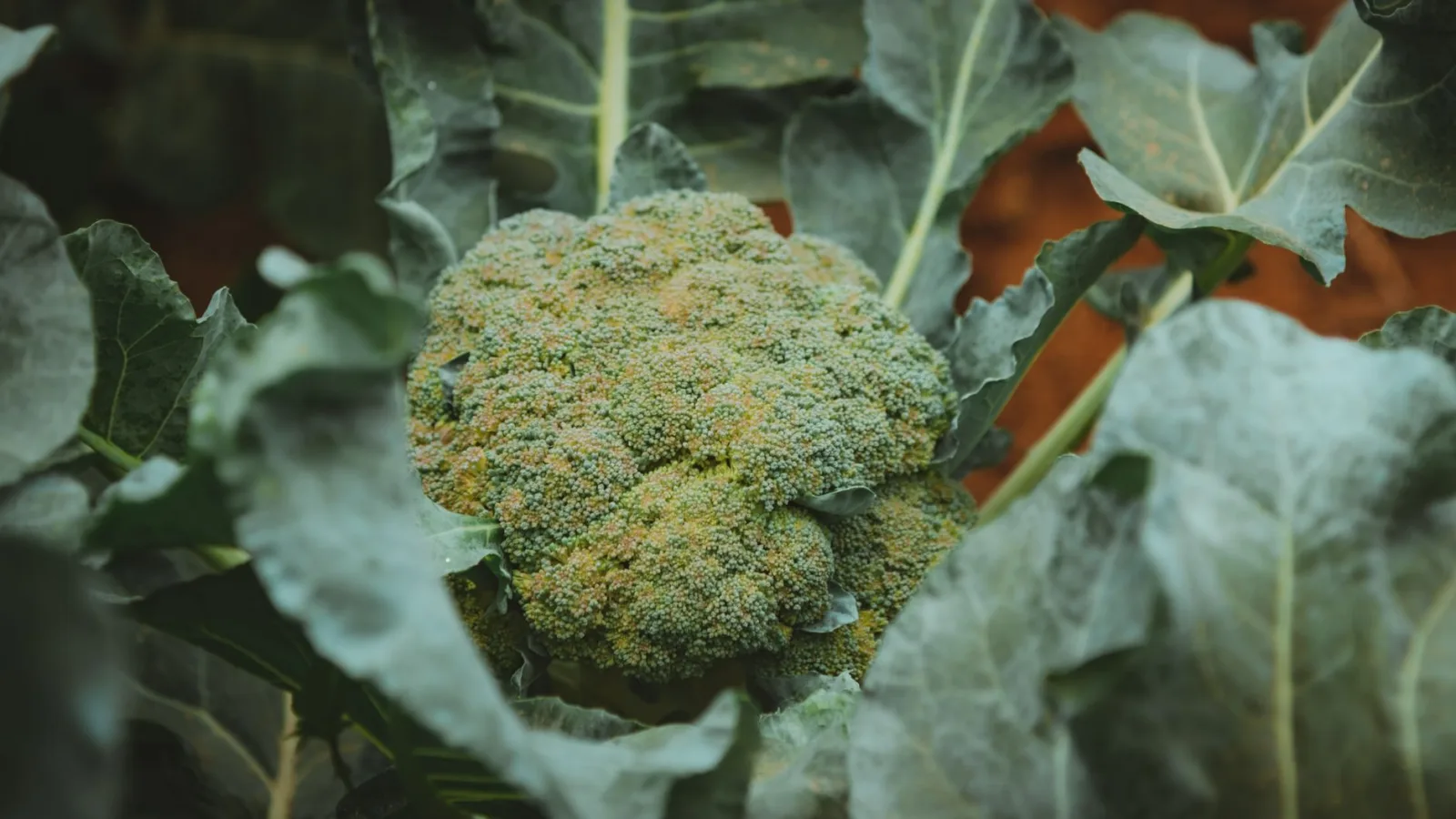
When the morning and evening air turns cool, it's time to clear a bed and plant fall greens. In the Northern Hemisphere, kale and bok choy seedlings set out in late August or September will keep you in leaves right up to the first frost. You pick the outer leaves one at a time, and the plant keeps going. Both crops thrive in cool weather, and the thicker the leaves grow, the sweeter they taste. It's the season when those leaves start standing in for meat at dinner more and more often.
Sooner or later, though, a question comes up. If you cut back on meat and milk on a child's plate and add more vegetables, what happens to bones that are still growing?
What Ten Months in Finnish Daycare Centers Showed
A study in Finland ran two different menus across 23 daycare centers for ten months. A little over half the centers added more plant-based foods, cut back on red meat, and kept milk to moderate servings. The rest kept serving their usual meals. Researchers collected blood samples and food records from children ages 3 to 5 twice, once at the start and once at the end, and compared them.
Children on the plant-forward menu showed higher levels of bone-specific alkaline phosphatase, an enzyme that rises when the body is building new bone. Another enzyme, one that rises when old bone is broken down, was higher as well. Bone spends a lifetime dissolving worn tissue and laying down fresh tissue in its place, and both halves of that cycle appeared to speed up. Whether that's a good sign for a growing child is hard to say from a single study. The researchers themselves noted that what this difference means for bone health later in life still needs to be worked out.
Nutrient Intake Didn't Differ
Over the same period, intake of calcium, vitamin D, phosphorus, and protein was the same in both groups. In other words, adding vegetables didn't leave the children short on the nutrients bones need. Blood levels of vitamin D were in the adequate range for both groups, too. Keep in mind that Finland, with its short winter days, fortifies dairy products and cooking fats with vitamin D, so local conditions likely played a part in that result.
With just over a hundred children taking part, and only 46 giving blood at both points, it's too early to apply the findings broadly. This isn't evidence that a vegetable-centered diet harms bones. It's better read as a reason to pay deliberate attention to calcium and vitamin D whenever you change what a child eats.
Growing Calcium in the Fall Garden
Not all leafy greens deliver calcium equally. Spinach and Swiss chard are rich in calcium, but they also contain oxalic acid, which cuts down how much the body can absorb. Kale, bok choy, and collards, by contrast, are low in oxalic acid, so the calcium they carry actually gets put to use. The same goes for broccoli leaves and shoots.
- Kale and bok choy — Sow in August or September in the Northern Hemisphere. Harvest the outer leaves first and the plants will keep producing until frost.
- Sesame seeds — Grind whole seeds and sprinkle them over namul, Korean seasoned greens, for an extra dose of calcium.
- Tofu — Tofu set with calcium salts contains more calcium. Check the ingredient list on the package.
- Shiitake mushrooms — Dry them in the sun for half a day with the caps facing up, and their vitamin D content climbs.
Blanch the leaves you've picked and toss them with doenjang, Korean fermented soybean paste, or serve them as ssam, leaf wraps, with tofu in place of meat. A drizzle of oil helps the body absorb the vitamin K in the leaves. For kids, chop the leaves fine and stir them into rice. They go down easily that way.
Today, clear one row and tuck in three or four kale seedlings. And if you've decided to cut back on meat, it's worth deciding first what will take its place on the plate.
Reference — Study on a plant-based dietary shift in Finnish daycare centers, European Journal of Nutrition