

- Type
- Grains
- Difficulty
- Moderate
- Season
- Summer
- Sowing
- From seed
Sesame
Sesamum indicum
Sesamin and lignans in a nutty oilseed, not a cereal grain
In traditional East Asian materia medica sesame was recorded as homa (胡麻), and the ancient Shennong Bencao Jing listed it in its superior grade. That is how the old texts named and ranked it, and it differs from modern judgement. The toasted aroma comes from compounds formed while the seed is roasted, and the compounds most associated with sesame are lignans such as sesamin and sesamol. Lignans slow the oxidation of the oil, which is the usual explanation for sesame oil resisting rancidity better than many other oils. Meta-analyses pooling trials that gave sesamin as a separate supplement have reported a tendency toward lower blood lipid and blood pressure readings, but results differ from study to study and cannot be carried over to sesame eaten at the table. If perilla is about the leaf and its oil, sesame is the toasted seed and the oil that anchor the base flavour of the Korean table.
Year-Round Calendar
- 1
- 2
- 3
- 4
- 5
- 6
- 7
- 8
- 9
- 10
- 11
- 12
- 5
- 6
- 9
Where It Grows
- Main producer Grown on a wide scale in the low-rainfall fields of the savanna belt. A major pillar of the world sesame trade.
- Main producer The region counted as the birthplace of sesame cultivation, and still a leading producer today. Gujarat and Rajasthan are the growing areas.
- Main producer Centred on the dry fields of the central Dry Zone.
- Major producer The savanna around Lindi and Mtwara in the south is the growing area.
- Major producer Grown for export in the northern savanna.
- Major producer Central China — Henan, Hubei and neighbouring provinces — is the growing area.
Its wild relatives are clustered in Africa, while cultivation appears to have begun on the Indian subcontinent, so no single country has been identified here as its place of origin. Production today is heavily concentrated in the African savanna belt and in South and Southeast Asia, and what every growing region has in common is a summer of little rain and strong sun.
- Optimum
- 25~30℃
- Range
- 20~35℃
- Hardiness
- Not hardy
- Day length
- Short-day
It grows well where the weather is hot and the sun is strong, and its deep roots make it tolerant of drought. What it cannot stand is standing water: flooding during the monsoon rains is the biggest hurdle, and the crop has to ripen before the frosts arrive.
In Korea Nationwide
Grown all over the country, but it needs a well-drained field where water does not pool during the monsoon rains. Sown in the first and middle part of May, and cut from late August to mid-September.
How to grow
- Light
- It wants a lot of sun and loves the heat
- Soil and depth
- 25cm deep with good drainage
- Spacing
- 20cm
- Watering
- Sparingly. Standing water in the rainy season topples and rots it
- Feeding
- Sparingly. Too rich and it grows tall and falls over
- Harvest
- When the lowest capsules begin to split, cut the plant and hang it upside down to dry
What makes the difference. Leave it until fully dry and the capsules burst and the seed is gone. Cut a little earlier than feels right
Why this one is harder. Getting through the rainy season is the whole thing. In ground that holds water it nearly always fails
Common problems
- Blight You will see Stems blacken and collapse after the rains What to do Raise the bed so water cannot stand
This page describes how a crop is grown and used. It does not claim health effects for any food, nor is it intended to prevent or treat disease. Component and study notes are references only and do not mean the same result occurs in people. Consult a medical professional about health concerns.
Health Benefits
Lignan research — supplement conditions. Several meta-analyses have pooled trials that gave lignans such as sesamin as a separate supplement. Those results come from supplement conditions, and designs and durations differ enough that the findings do not line up. They cannot be carried over to sesame eaten at the table, and what can be stated here stops at the compositional record.
Antioxidant lignans. Sesamin, sesamol and sesaminol are lignan-class compounds found in sesame. Activity that slows the oxidation of oil has been measured under test-tube conditions, and it is the usual explanation for sesame oil resisting rancidity comparatively well.
Nutrition
- Sesamin and lignans (Lignan-class compounds found in sesame) — Compounds involved in slowing the oxidation of the oil
- Unsaturated fats and vitamin E (Oleic acid, linoleic acid, tocopherol) — The fatty acids and tocopherol that make up sesame oil
Lignans (sesamin & sesamol) These lignan-class compounds are distinctive to sesame and slow the oxidation of the oil, which is the usual explanation for sesame oil resisting rancidity comparatively well. Meta-analyses pooling trials that gave sesamin as a separate supplement have reported a tendency toward lower blood lipid and blood pressure readings, but those results come from supplement conditions, differ from study to study, and cannot be carried over to sesame eaten at the table.
Unsaturated fats & vitamin E Most of the fatty acids in sesame oil are unsaturated — oleic and linoleic acid — and vitamin E (tocopherol) is present alongside them. Tocopherol, like the lignans, is one of the compounds discussed in connection with the oil's oxidative stability.
Pairings
○ Spinach and namul (sesame-dressed greens) — Tossing blanched greens with kkaesogeum (toasted ground sesame salt) and sesame oil adds nutty flavor while helping the body absorb fat-soluble nutrients. It's the basic dressing for Korean namul, seasoned vegetable side dishes. Spinach
○ Seaweed and sea vegetables — Adding sesame oil and seeds to miyeok-guk (seaweed soup) or seasoned miyeok deepens the flavor and pairs the minerals of the sea vegetables with the fats in sesame. Sea Mustard (Wakame)
○ Salt (kkaesogeum) — Kkaesogeum, made by grinding toasted sesame seeds with salt, is a staple Korean seasoning that delivers a lot of nutty flavor from just a small amount.
Varieties
- White sesame (baek-kkae) (Seed) — The common type, toasted or pressed for oil; shake the pods out as soon as they ripen.
- Black sesame (heugimja) (Seed) — Dark seed with a stronger toasted aroma for powders and porridge; grown the same way.
- Early-maturing type (Seed) — Fills its pods sooner and can be cut before the autumn rains, which suits a late start.
Source: Rural Development Administration (Nongsaro) · Shennong Bencao Jing (Divine Farmer's Classic of Materia Medica)
Stories about Sesame
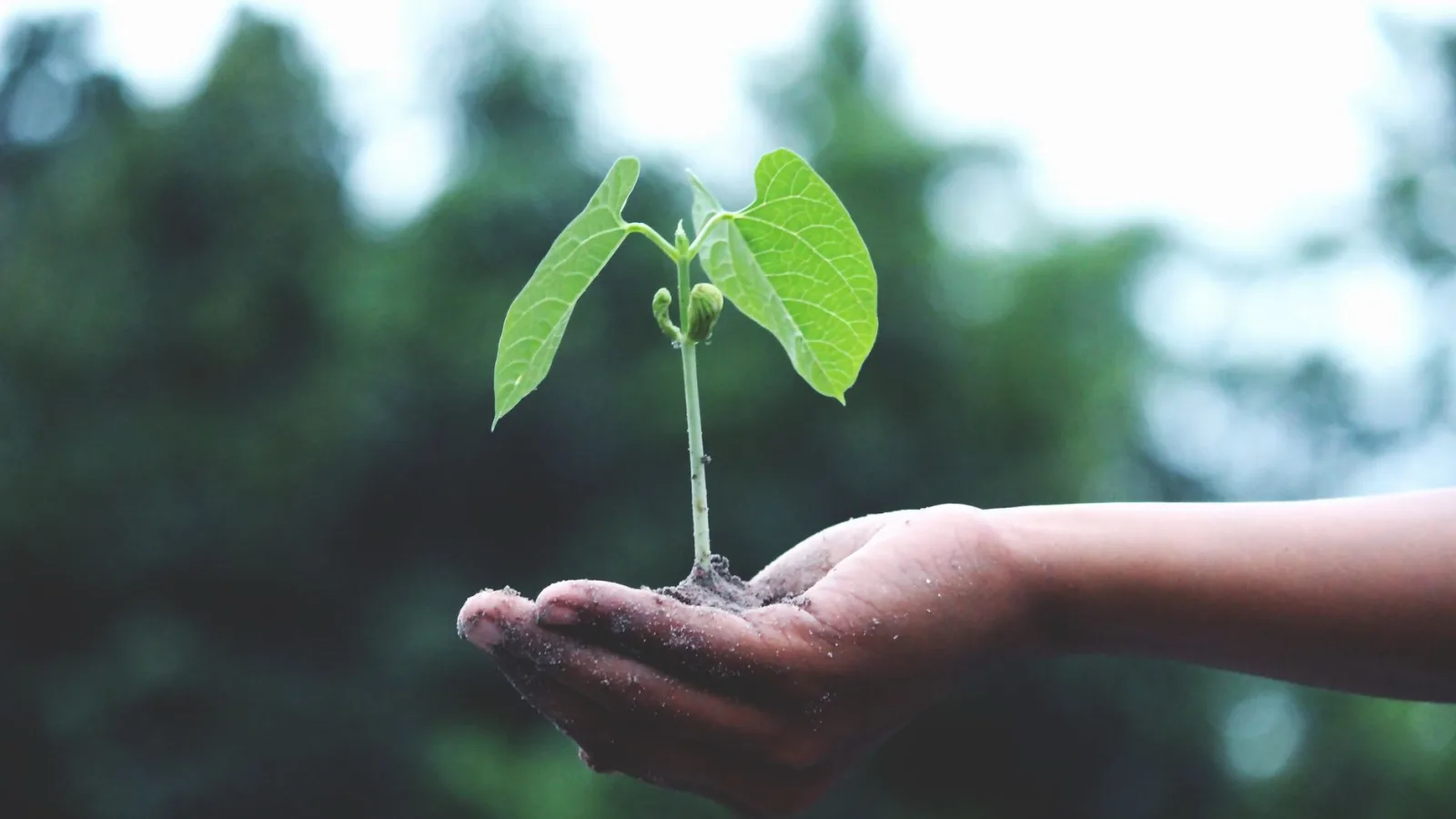
Sesame's Health Benefits: What We Can Say So Far
Trials of sesamin supplements have hinted at lower cholesterol and blood pressure, but those results don't carry over to a sprinkle of seeds. Here's what sesame reliably does, and how to make the most of it in your kitchen.
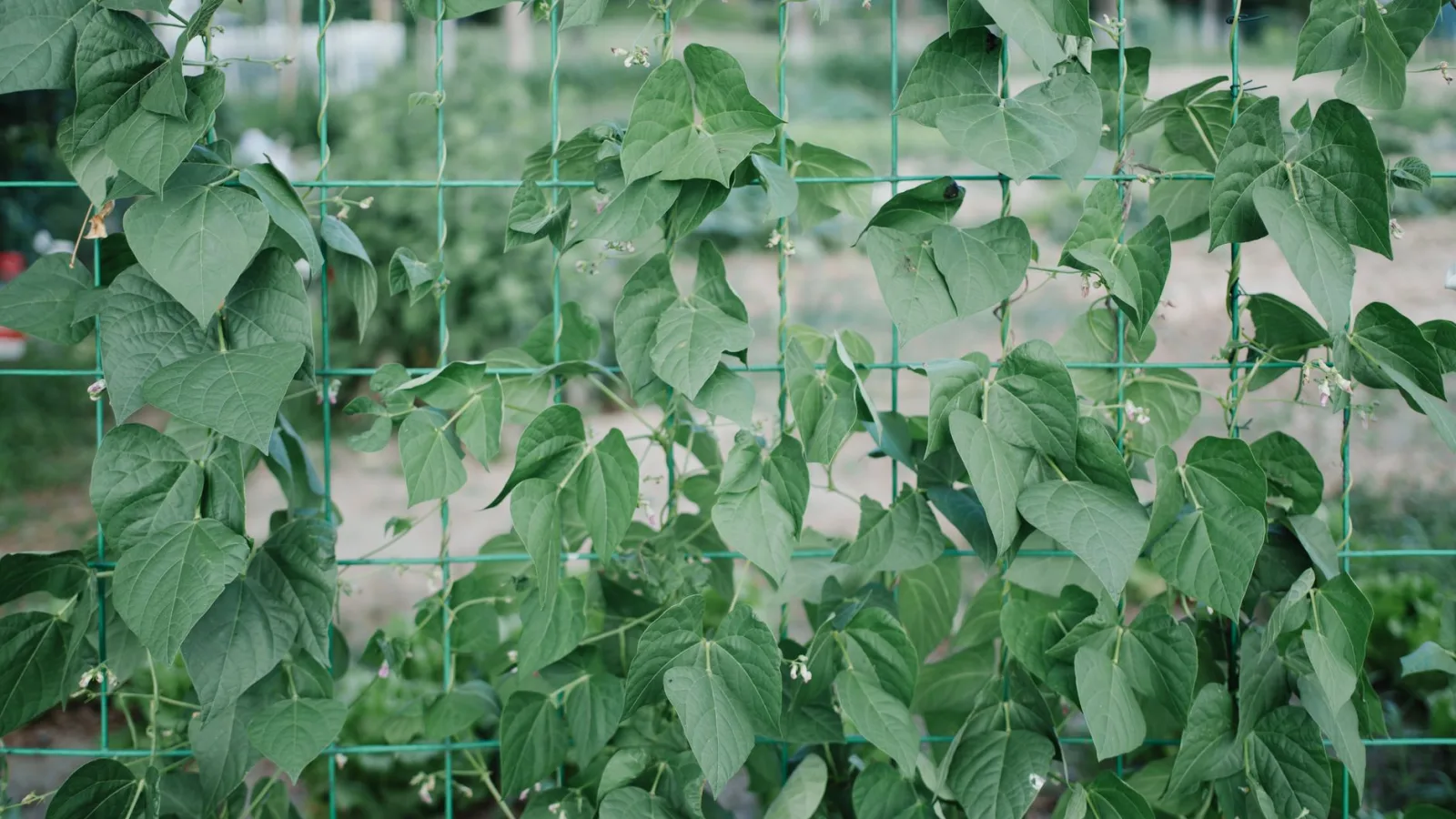
Pole Beans from the Garden, Three Ways: Garlic, Sesame, and Salad
By September, pole bean vines are still loaded with tender pods — more than one dinner can absorb. Blanch the whole pick at once, then split it between a garlicky sauté, a sesame-dressed namul, and a crisp summer salad.
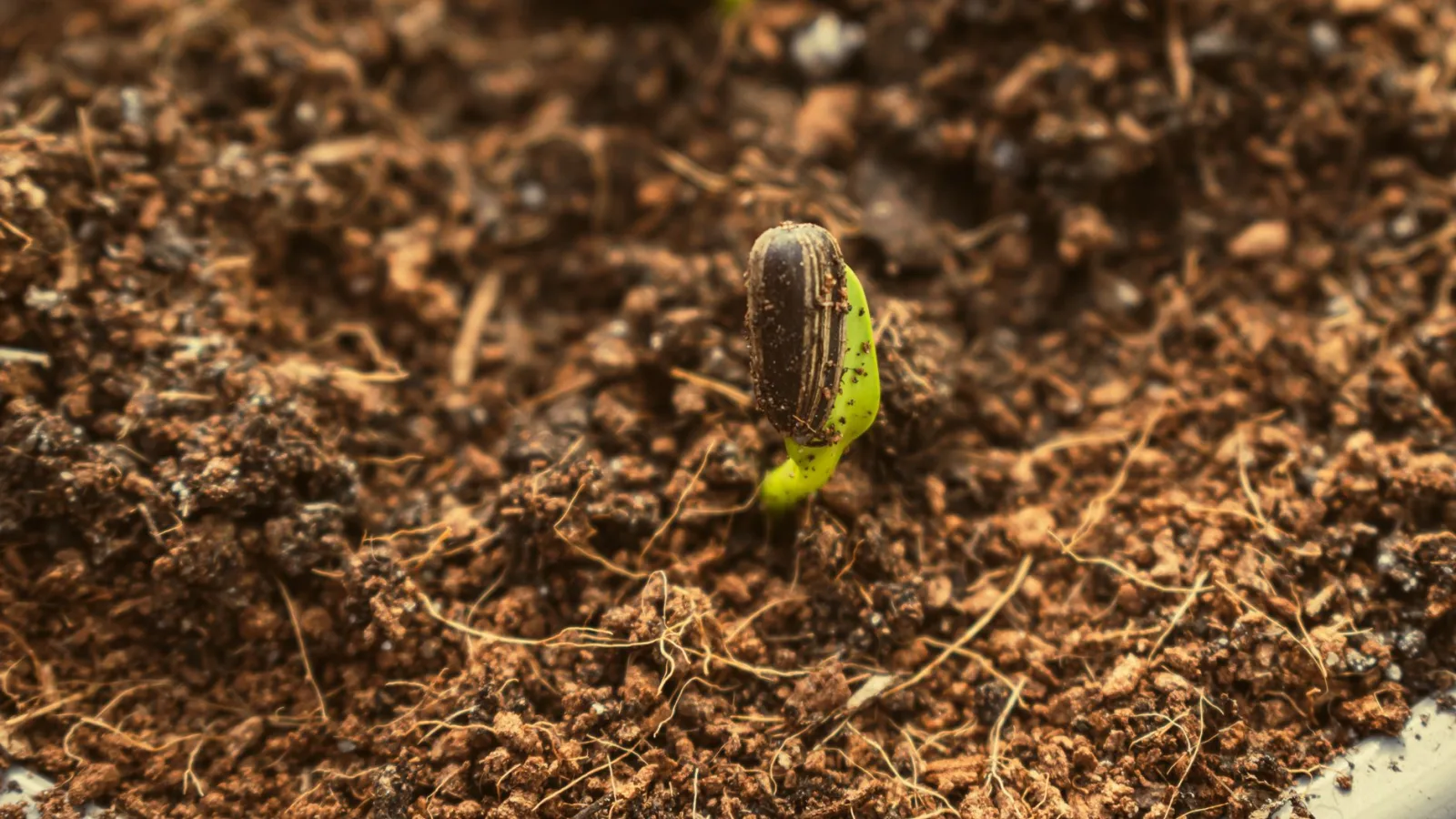
Sesame and Health Through the Eyes of the Donguibogam
Sesame grows in the corner of the garden and turns up on nearly every Korean table, and old herbal texts valued it as a food that builds strength over time. We look at how traditional medicine saw sesame, where modern nutrition science agrees, and how to enjoy it sensibly.
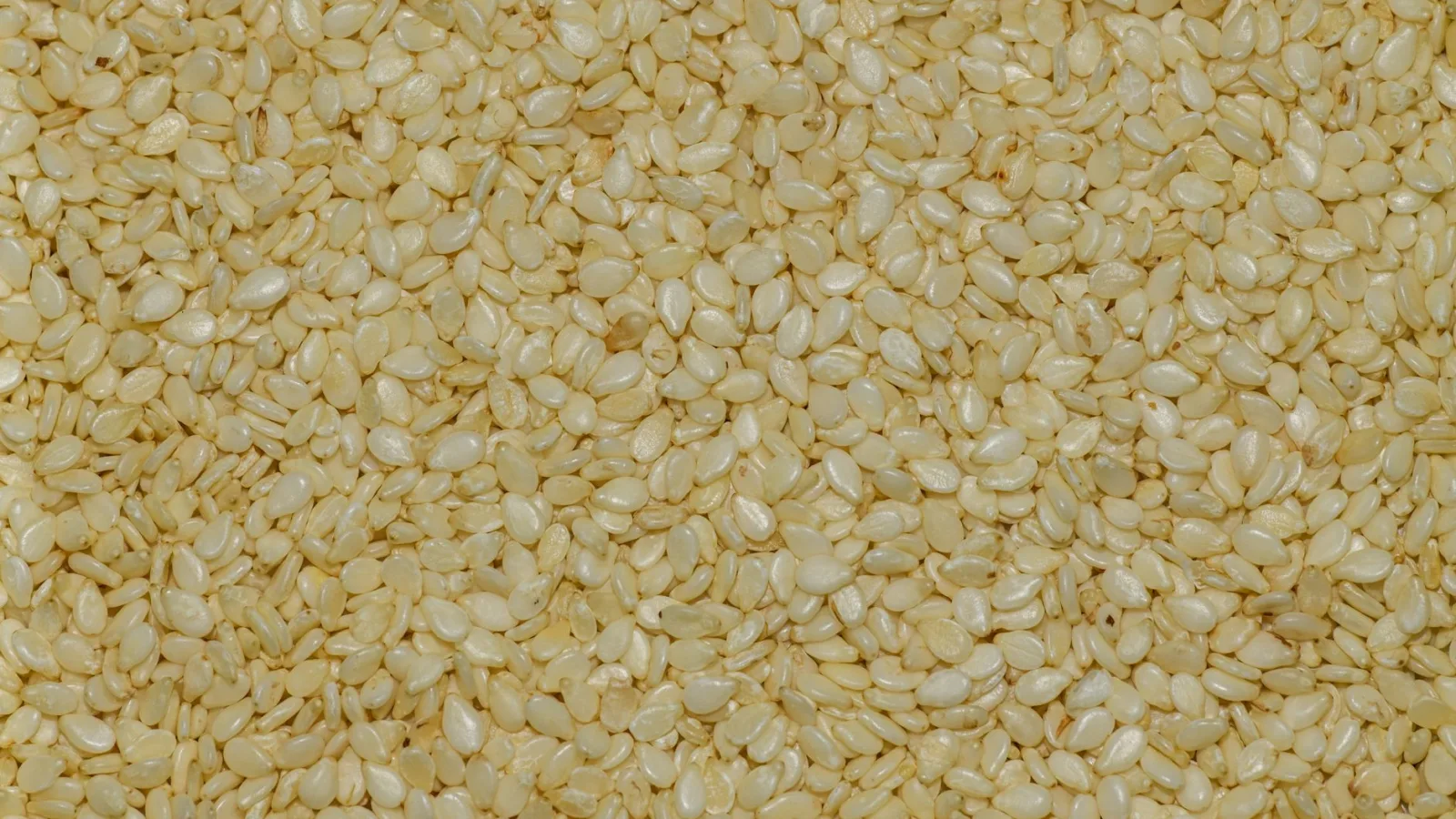
Sesame Harvest Season: A Fresh Look at Food Allergies
Sesame ranks just behind milk and eggs among food allergy triggers in Saudi Arabia, and Korean kitchens lean on it just as heavily. Here's what a review of twenty studies suggests about cutting foods out — and about filling the gaps back in from your own garden.