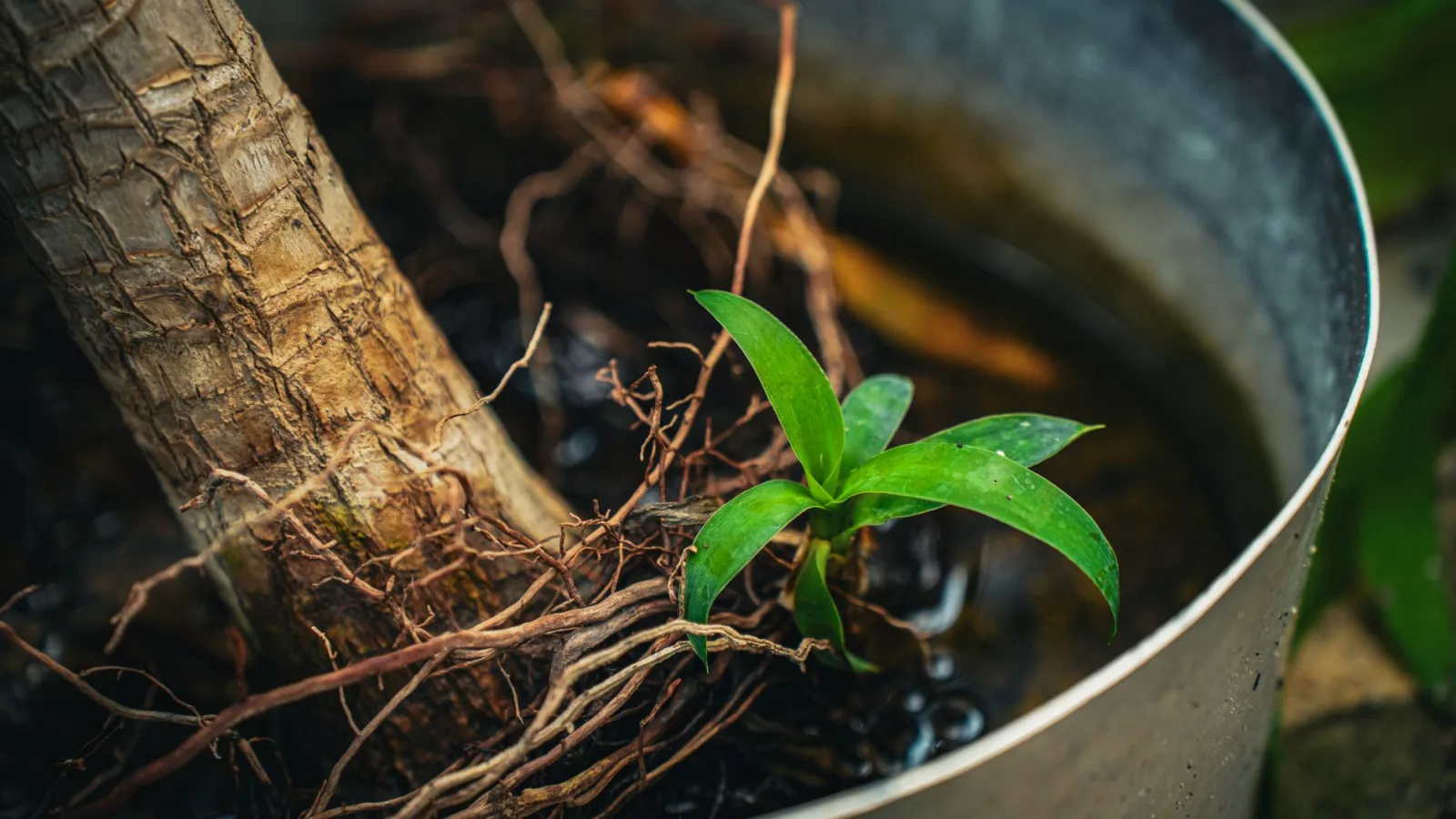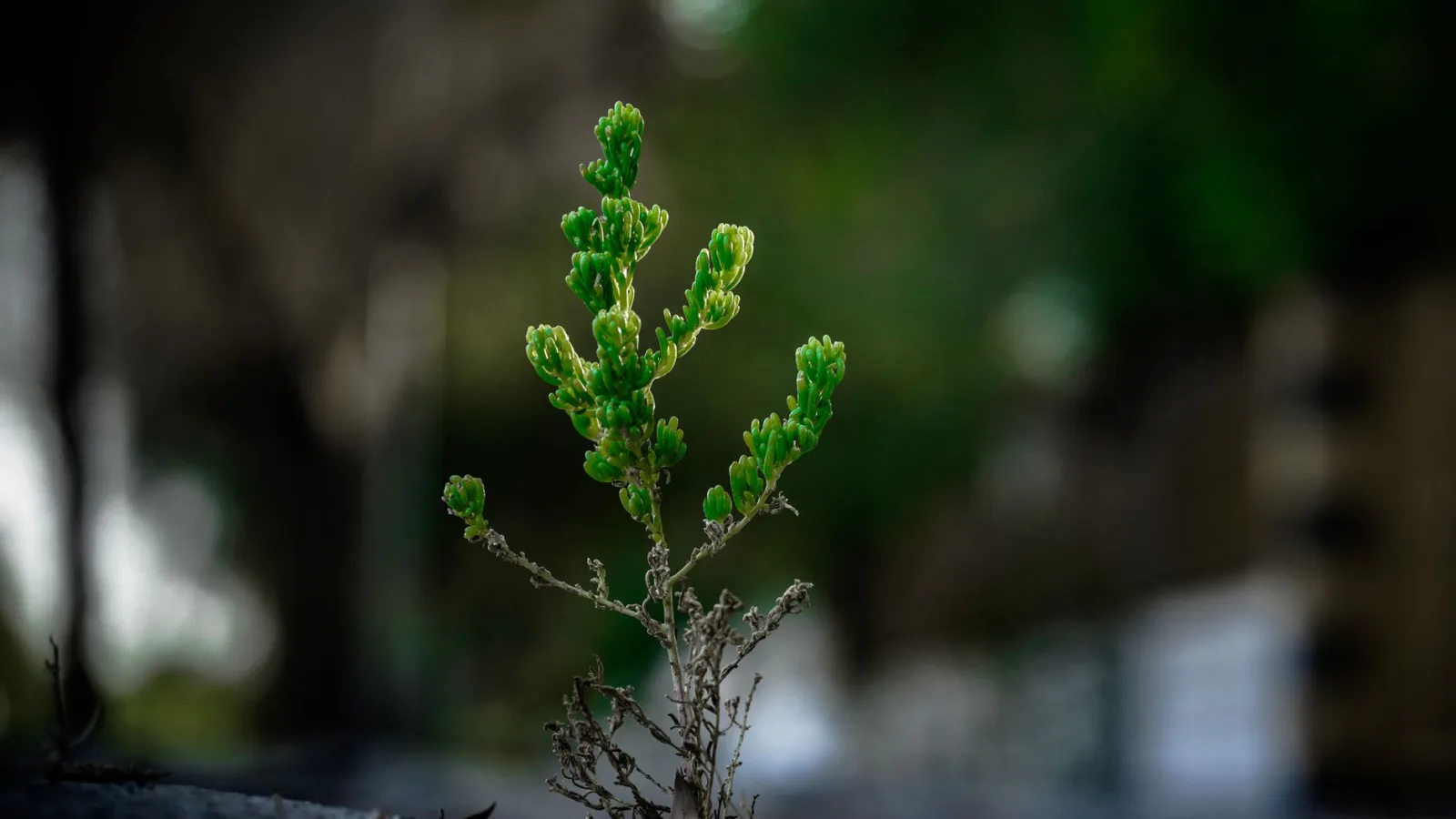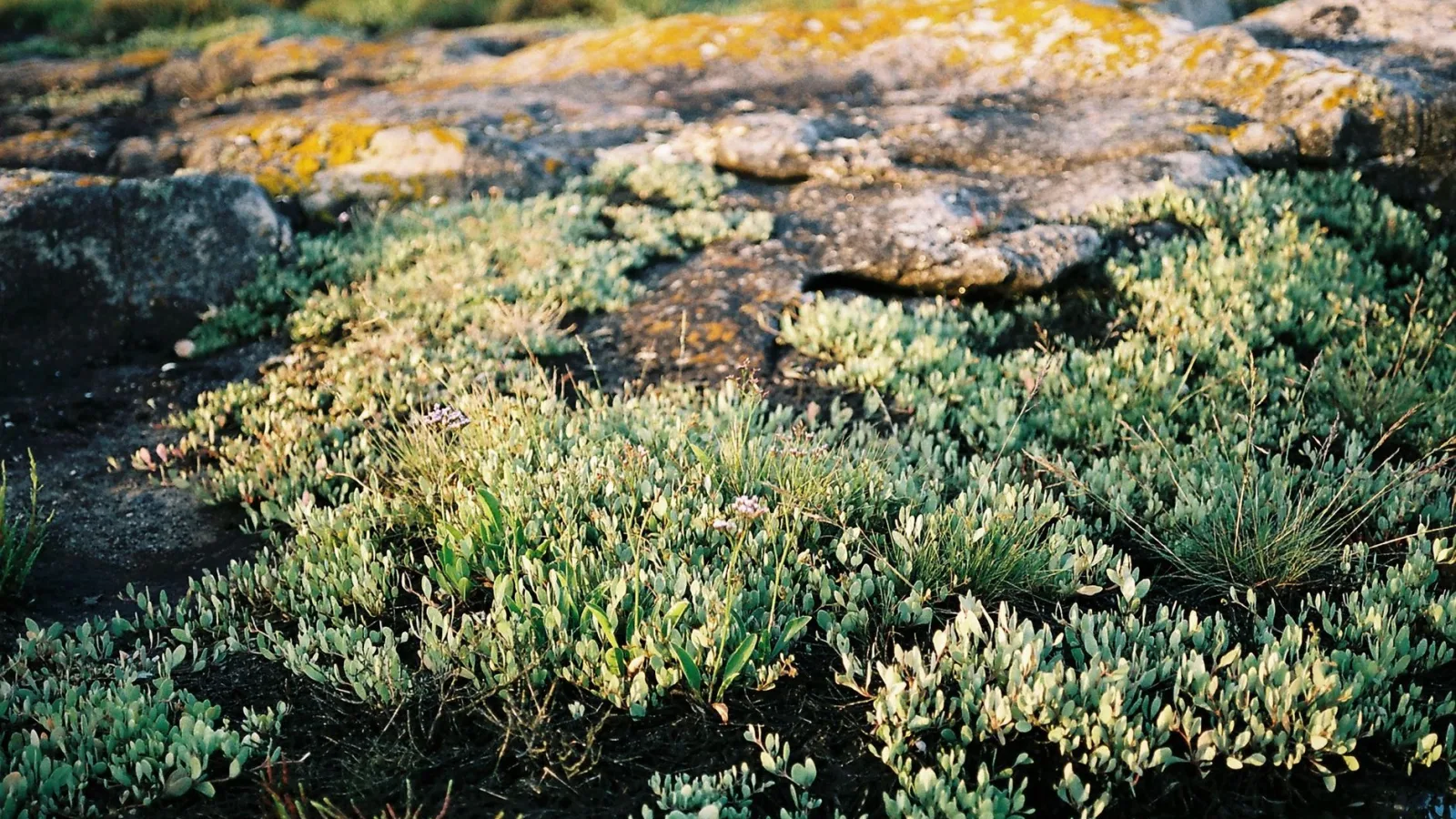
In the Northern Hemisphere winter, from December through March, when the garden soil is frozen and there is nothing to plant, people along Korea's west coast are out on the tidal flats gathering gamtae. Gamtae is a green seaweed in the same group as parae, Korea's everyday green laver. Its thread-fine fronds grow in tangled mats, so harvesters strip it off by hand. It is finer and more tender than parae, with a faint bitterness that comes through as you chew. So which ingredients bring out that flavor best?
What to Know Before You Buy
Gamtae's season is set by water temperature and the tides rather than by the weather. It begins growing on the mud and rocks of the flats in late fall, once the water drops below 15°C (59°F), and lies thickest in midwinter. It grows best between 5 and 15°C (41 to 59°F); when the water warms in spring, it breaks down and disappears. Because it favors brackish estuary flats where freshwater lowers the salinity, both its range and its season are narrow. Korea is the main producer, Japan harvests a good deal as well, and it also grows wild in China.
The name gamtae can cause confusion, because it is used both for this green seaweed of the tidal flats and for a brown kelp from the waters off Jeju Island. The gamtae you toss into a side dish is the green alga with the scientific name Ulva prolifera; the gamtae that turns up in dietary supplements and cosmetics is a different seaweed altogether, Ecklonia cava. If the packaging or your source lists a scientific name, check it.
What's in It, and What the Old Books Say
Gamtae gets its green color from the pigment chlorophyll. It contains dietary fiber, both soluble and insoluble, along with minerals such as potassium and calcium. Dietary fiber is known for supporting regular digestion. That said, reference guides give no figures for how much of these nutrients gamtae actually contains, so it is hard to say what share of your daily needs a single plate would cover.
The Donguibogam, a 17th-century Korean medical encyclopedia, lists gamtae in its vegetable section under the name 甘苔. In the terms of traditional Korean medicine, it describes the seaweed as cold in nature and salty in taste, notes that it grows in the sea, and gives cheongtae (靑苔) as an alternate name. This is a record from an old medical text, and it is separate from any modern medical judgment.
Vinegar and Sugar: Fresh Gamtae in a Tangy Dressing
Making fresh gamtae into chomuchim, a side dish tossed in a vinegar dressing, involves no heat at all, so the seaweed keeps its bright green.
- 100 g fresh gamtae
- 15 ml vinegar
- 5 g sugar
- 5 ml soy sauce
Start by rinsing the fresh gamtae in several changes of cold water to wash out any sand, then squeeze it firmly by hand to wring out the water. Any water left behind will thin the dressing. Stir together the vinegar, sugar, and soy sauce, pour it over the gamtae, and toss gently. Left in vinegar too long, the green fades to yellow and the fronds go limp, so eat it the same day you make it.
Sesame Oil and Soy Sauce: Gamtae Sheets
Spread freshly gathered gamtae in a thin layer over a bal, a mat woven from fine bamboo or reeds, let it dry, and you get a sheet much like gim, the Korean laver that is a cousin of Japanese nori. In Korea this is called gamtae-gim. The Donguibogam also notes that gamtae can be hung to dry and eaten like po (脯), strips of dried meat, so drying it was already a known practice back then.
Brush a sheet of gamtae-gim with sesame oil and serve soy sauce alongside. It is fragrant enough without toasting, and when you wrap a bite of rice in it, the faint bitterness comes through nicely. Koreans call this way of eating, wrapping rice in laver or a leaf, ssam. If you do want to toast it, hold each side over low heat for just a moment and take it off right away.
Oysters and Radish: Winter Harvests in Season Together
Gamtae, oysters, and radish all come into season together in the Northern Hemisphere winter. If you pulled Korean radish (mu, a stout white radish much like daikon) from the garden in late fall, this dish is a good place to use it.
- 200 g Korean radish
- 100 g shucked oysters
- 50 g fresh gamtae
- 3 g salt (for salting the radish)
Cut the radish into matchsticks, salt it, let it sit, then squeeze out the liquid firmly. Rinse the gamtae, wring it dry, and toss it with the radish first. Rinse the oysters gently under running water and add them at the very end. Put them in too early and they will break apart while you toss.
Add a pack of gamtae-gim to your shopping basket today, brush it with just a little sesame oil, and wrap it around a bite of rice.
Sources: Donguibogam, Vegetable Section (菜部), entry on 甘苔; National Institute of Fisheries Science, Korea