A regular in the corner of the plot
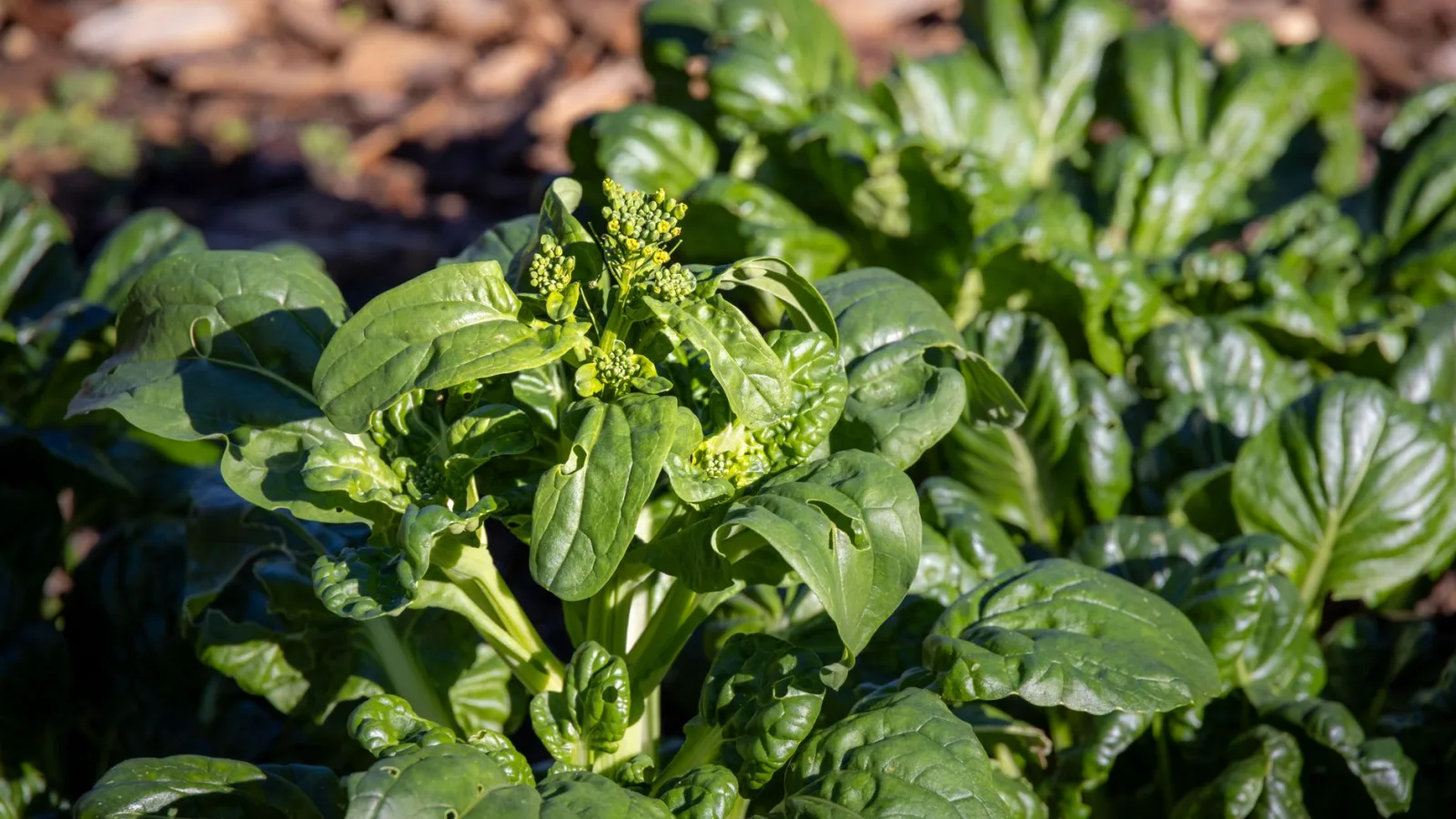
Walk through your garden in early spring or fall and spinach is probably one of the crops your hands reach for most often. It shrugs off the cold, holds up in chilly weather, and once it's blanched and dressed, it's the side dish that never quite leaves the table. You've likely noticed the faint blush of red down at the base of the plant — and that red root is exactly what caught the eye of people centuries ago.
Picture carrying a bunch of spinach into the kitchen, the soil just shaken loose from the roots. What did the Dongui Bogam — the great Korean medical compendium of 1613 — have to say about such an everyday green? It's easy to walk right past a vegetable you eat all the time, but seen through the lens of an old medical text, a single spinach leaf turns out to carry a fairly long history.
How the Dongui Bogam saw it
The Dongui Bogam called spinach jeokgeunchae (赤根菜), "the red-root vegetable." The name comes from the reddish tint at the base of the plant, and the old text read that red color in the traditional way: as a sign that the plant nourishes the blood and supports the liver.
As for its nature, spinach is recorded as cool in property, sweet in taste, and free of toxicity. Its medicinal action was understood to reach the large intestine and the stomach, the liver and the kidneys.
Here are a few of the main benefits the compendium credited to it. First, it was seen as a vegetable that dispels pathogenic influences (sagi, 邪氣) from the five viscera, nourishing the body broadly and helping it clear toxins. It was also held to break up the aftereffects of alcohol (haeju, 解酒) — the custom of eating seasoned spinach or spinach soup after a night of drinking is long established in both Korea and China.
Moistening the intestines to keep the bowels moving (yunjang tongbyeon, 潤腸通便) is another use the Dongui Bogam noted. Looking at the slippery, mucilaginous quality of the leaves, people of the time concluded that spinach softens the gut. They also credited it with helping food move down and easing digestion (hasik, 下食) — in other words, a plate of spinach after a heavy meal settles the stomach.
The text set down its cautions, too. Because spinach is cool by nature, it advised that anyone with weak kidneys, a chilly constitution, or a tendency toward loose stools go easy on it. It further held that eating large amounts over a long stretch could leave the legs and lower back feeling cold.
Set beside today's nutrition science
The Dongui Bogam's reading of spinach as a green that "supports the liver and nourishes the blood" makes for an interesting overlap when you set it next to what we now take for granted: that spinach is a leafy vegetable relatively rich in iron and folate. You can't claim modern nutrition directly proves an old interpretation that found blood-building meaning in a red root, but it's worth noting that two views separated by centuries point in much the same direction about the same plant.
The idea that spinach moistens the intestines runs along the same grain as the fact that it carries a generous amount of dietary fiber. Translate that old phrasing about mucilage and fiber softening the gut into today's language and it doesn't sound so far off. The traditional reading that it clears the aftereffects of drink isn't far from the modern habit of reaching for vegetables and fluids after a night out, either.
One modern caution is worth adding. Spinach contains a fair amount of oxalate, so anyone with a history of kidney stones is better off not eating large quantities of it often. As it happens, that runs along much the same lines as the Dongui Bogam's warning to be careful of the vegetable's cool nature.
From the garden to the table
The most common way to enjoy spinach is to blanch it briefly and dress it. The preparations the Dongui Bogam recorded were much the same: blanched and seasoned, simmered into soup, or cooked into jeon (savory pancakes) or steamed dishes. Since it's a vegetable of cool nature, cooking it through with a quick blanch fits naturally with what the old record advises.
Plenty of people think of a bowl of spinach soup when their stomach feels heavy the morning after — which means the Dongui Bogam's view of spinach as a cure for drink and the habits of our own tables have been flowing along together for a very long time.
That said, if you're a gardener who tends to run cold, who often has loose stools, or whose kidneys are weak, enjoy it in moderation rather than eating a large amount at once. Blanched, served warm, in a sensible portion. As a freshly harvested bunch of spinach makes its way from the plot to the table, a single line of advice from an old medical text alongside it makes those green leaves feel that much more reassuring.