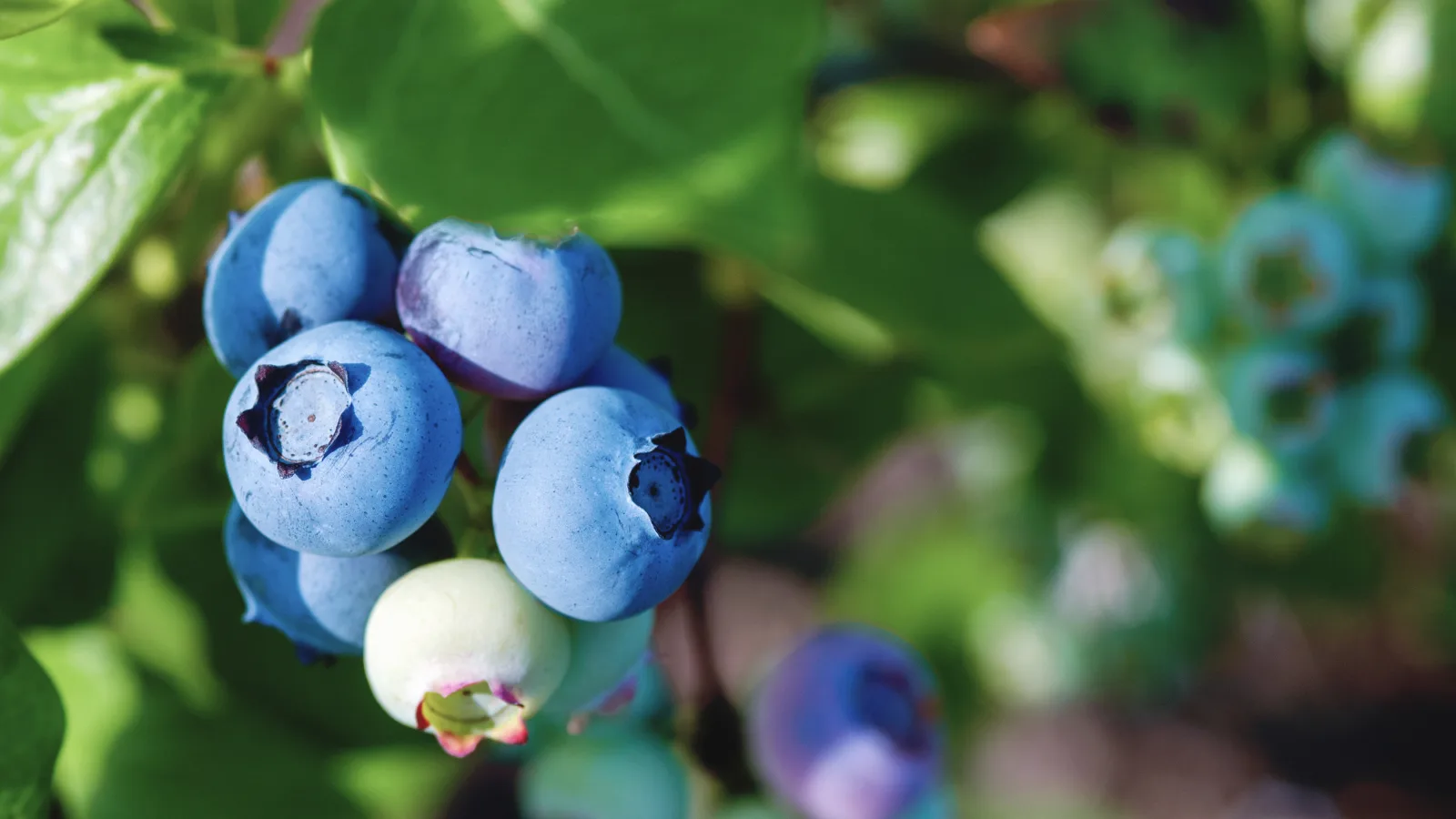
Late July keeps you busy in the garden. The blueberries need going over every other day, ripe ones only; the ginger buried back in spring has sent up leaves that reach the knee. Where the bolted lettuce came out, in go seeds for fall ssam greens — the tender leaves you wrap around a bite of rice. And once all of it lands on the dinner table, the question surfaces sooner or later: what are these vegetables actually doing inside us?
A Name for It: Oxidative Stress
Simply breathing and eating produces a steady supply of free radicals in the body. In small amounts they're useful — cells use them to signal one another. But when they pile up faster than the body can clear them, the fats and proteins in cell membranes take damage, and so does genetic material. That state is what's called oxidative stress. A comprehensive review published in a scientific journal in 2026 laid out how cancer, cardiovascular disease, diabetes, stroke, and neurodegenerative conditions including dementia are, for the most part, tangled up with it.
The body comes equipped with enzymes that handle free radicals. But with age — and with smoking, heavy drinking, and too little sleep stacked on top — that cleanup slows down. Some of the compounds plants make to defend themselves flip a switch telling the body to produce more of those enzymes, an effect observed again and again in the lab. The protein that receives the signal is called Nrf2. There are also reports that the same compounds push the other way on NF-κB, which turns inflammatory signaling up.
Compounds You Meet in the Garden and at the Table
The ingredients the review gathered its data on aren't far from our own gardens and dinner tables.
- Ginger — gingerol, the compound behind its heat, shows antioxidant and anti-inflammatory activity. In cell studies it appears to take part in the signaling that prompts damaged cells to clear themselves out.
- Turmeric — curcumin, its yellow pigment, is the most heavily studied compound of the group. In Korea's southern provinces, gardeners grow the rhizome themselves.
- Berries — the deep purple of blueberries, bokbunja (Korean black raspberry), and mulberries comes from anthocyanins and other polyphenols.
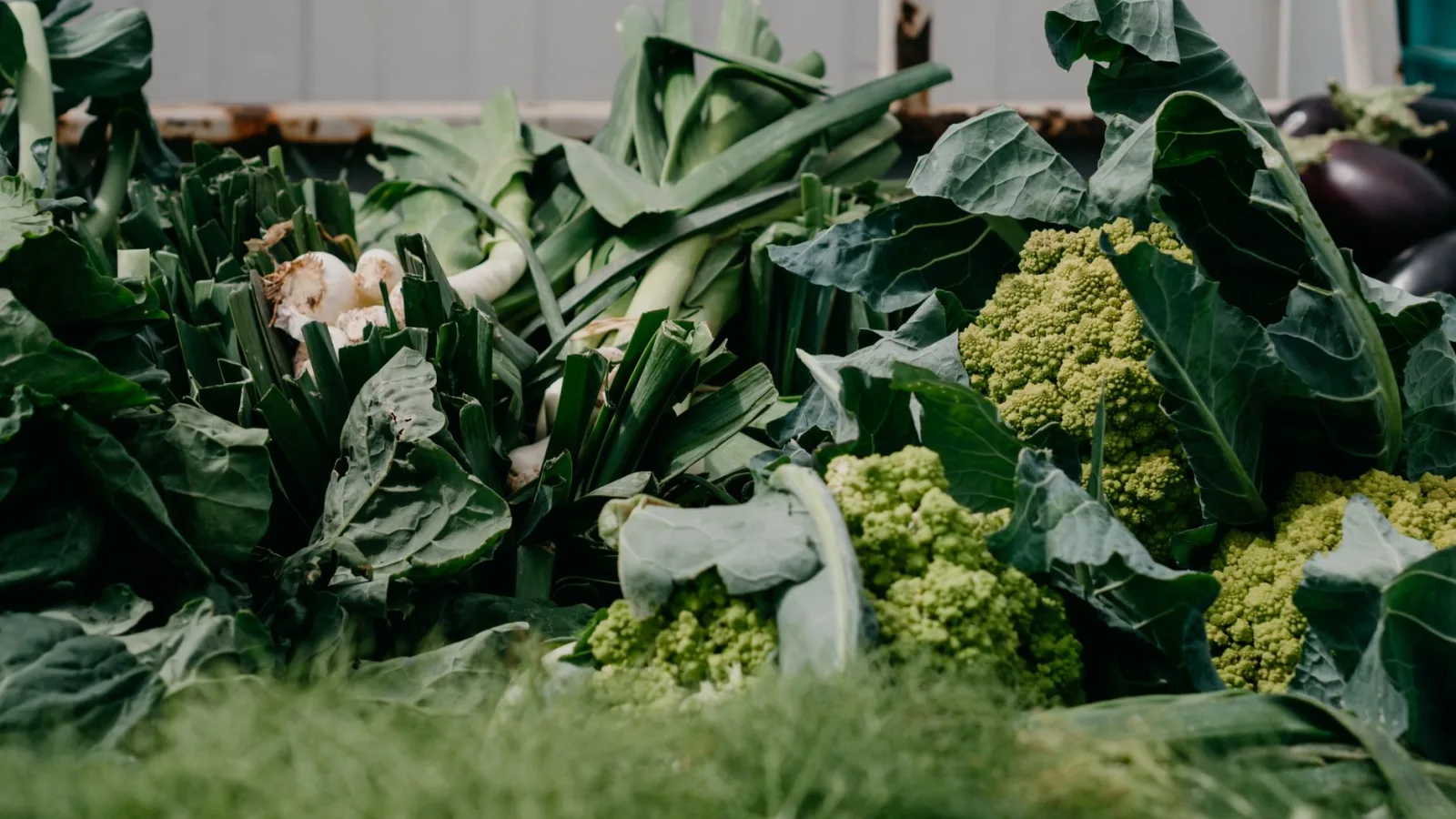
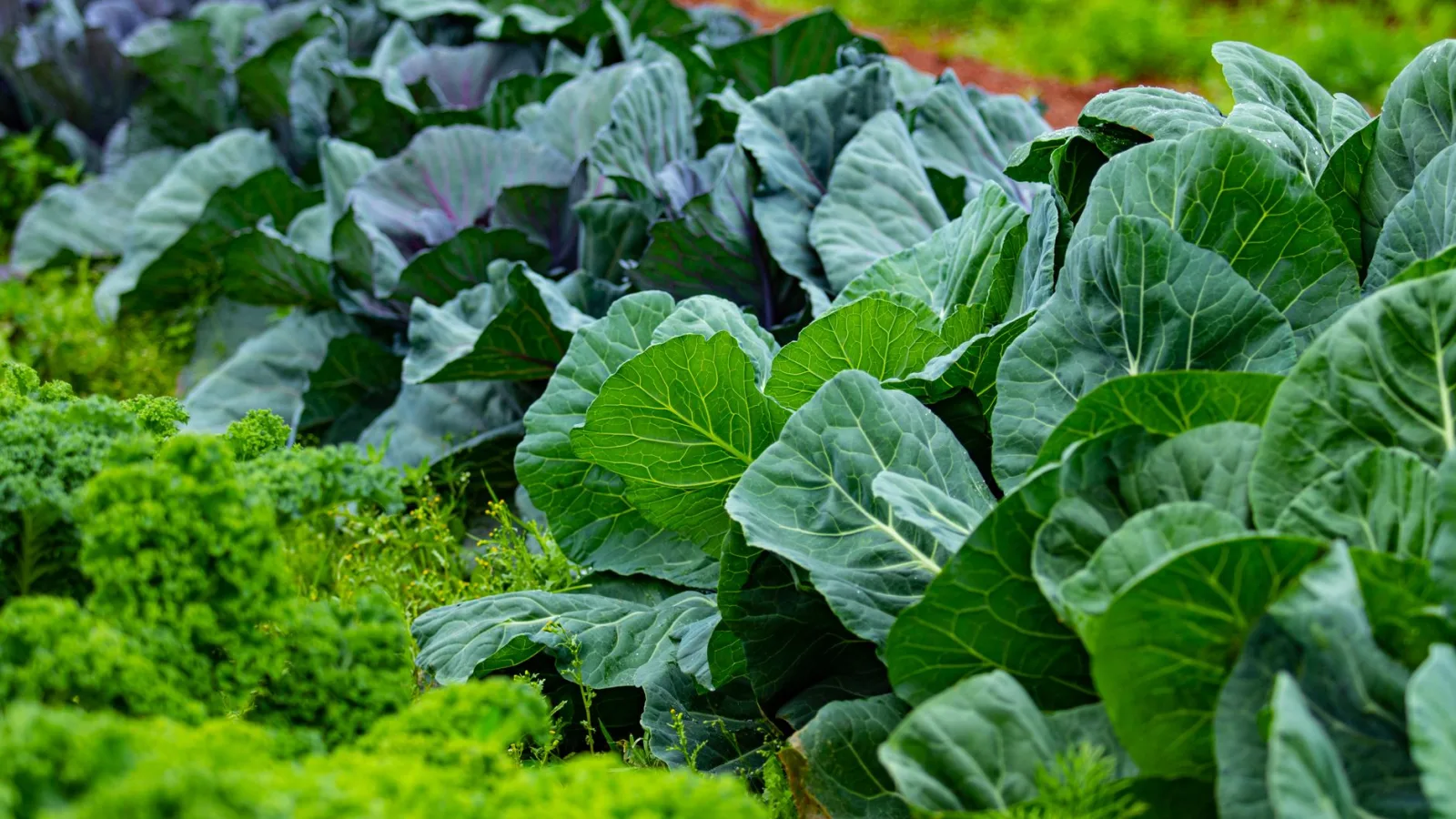
- Leafy greens — the flavonoids in spinach, kale, and lettuce belong to the same family.
- Amla — the Indian gooseberry, long a part of the diet in India, is high in vitamin C and used there as a traditional medicine.
How much is actually known varies a good deal from one to the next. The evidence that a diet with steady leafy greens and berries supports cardiovascular health is relatively solid. The findings that curcumin and gingerol suppressed the growth of cancer cells came mostly out of cell and animal studies, so it's early to expect the same in people. Bacosides from brahmi and withanolides from ashwagandha, both known for supporting memory, are likewise at the stage of showing promise for protecting nerve cells. The review itself said only that these can serve as preventive and supportive measures — not that they stand in for treatment.
Getting Them Onto Tonight's Table
There's no need to memorize the names. Small changes in how you prep and cook are enough to change how much of a compound survives.
- Slice ginger thin, skin and all, and steep it in hot water. Gingerol holds up reasonably well to heat.
- Cook turmeric powder in oil and add a little black pepper; your body absorbs more of it that way. Try half a spoonful in fried rice or in soup.
- Don't wash blueberries after picking. Freeze them as they are and rinse just before eating, so less of the pigment bleeds out.
- Instead of a long blanch, wilt greens briefly — or eat them raw.
A little of several differently colored vegetables every day beats a lot of any single one. Tonight, try a plate of greens from the garden and a cup of ginger tea.
Reference — a comprehensive review of oxidative stress modulation by medicinal plants and functional foods, published in 2026 in the international journal Molecular Biology Reports