This is the season for digging up peanuts and spreading them in the yard to dry. Shake the dirt off enough pods and your fingertips go rough. On the kitchen shelf sits a bag labeled fox nut, and the white kernels inside are lighter than peanuts and leave no oil on your hands. These kernels are what Koreans call gasiyeonbap, the fox nut. The name says nut, but they don't sit easily next to peanuts or walnuts. Most of a peanut's calories come from oil. Most of a fox nut's calories come from starch.
Six Names, One Seed
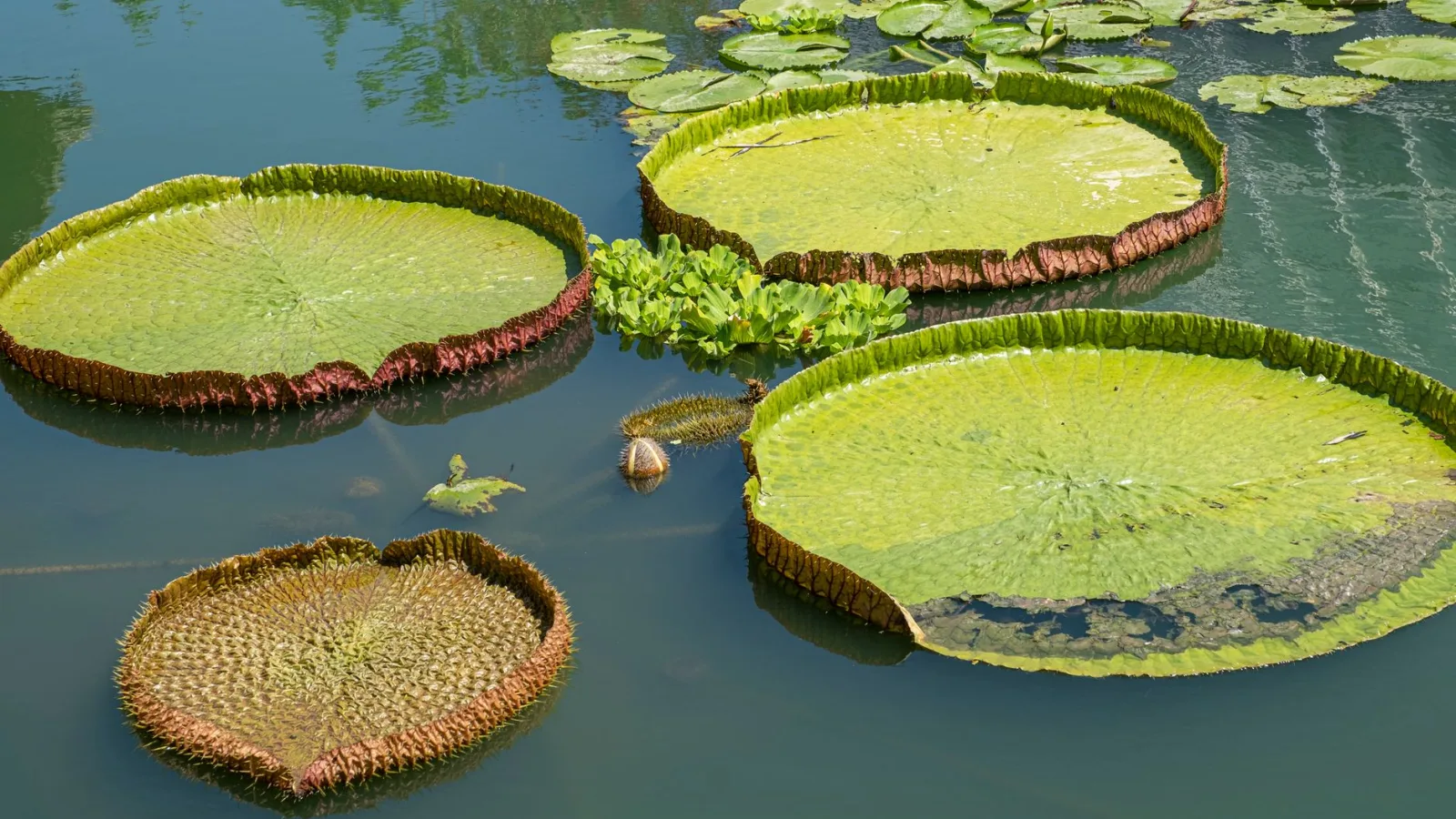
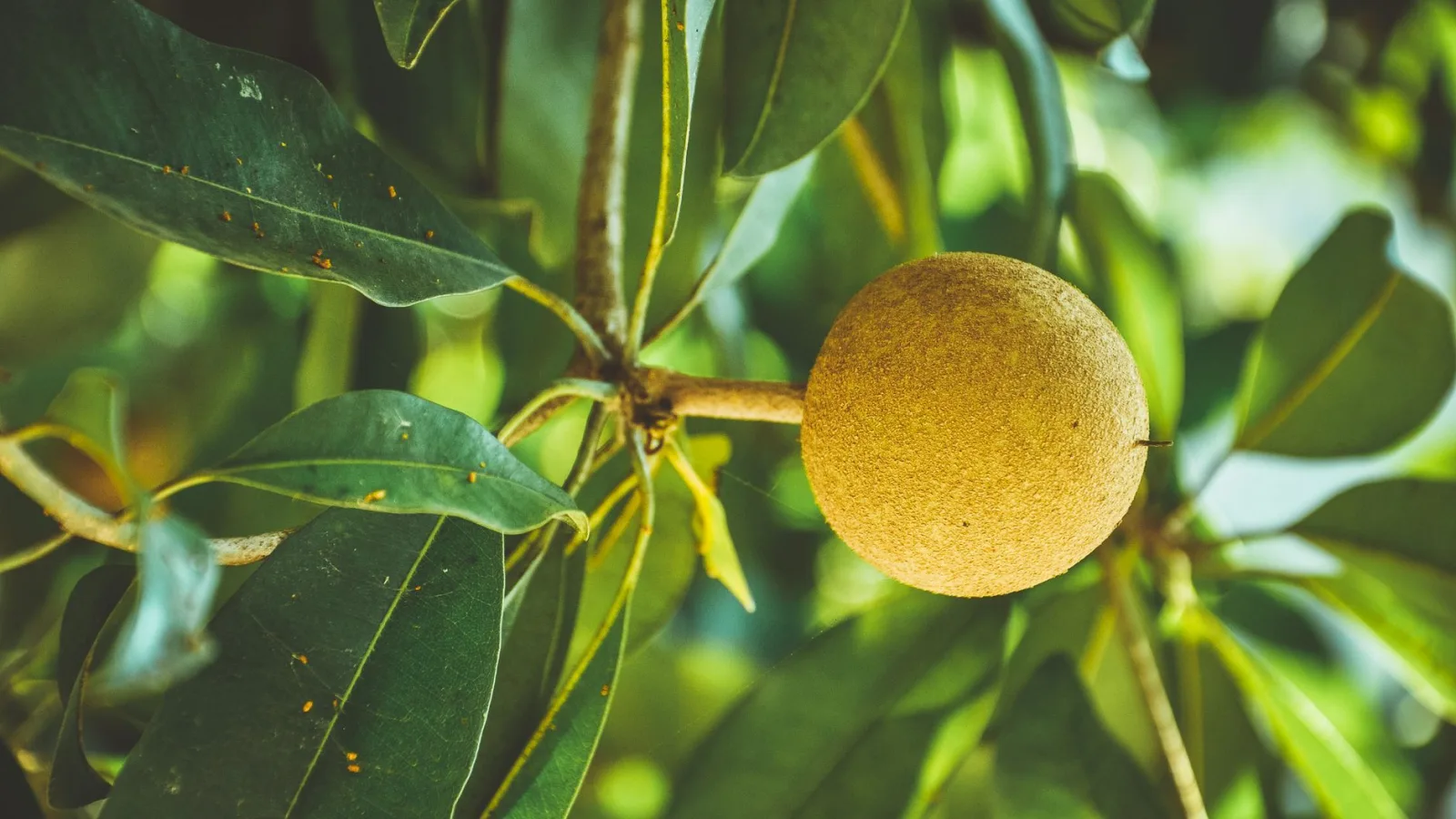
Fox nuts are the seeds of the prickly water lily (Euryale ferox), a plant that grows in ponds. Its leaves spread 1 to 2 m across, and stiff spines bristle densely along the leaf veins, stems, and fruit rind. The Donguibogam, Korea's 17th-century medical classic, lists the seed in its Fruits section as geomin (芡仁) and describes the leaves as large and wrinkled like a lotus leaf, with spines. The same entry explains a second name, gyedusil (雞頭實), or chicken-head fruit, because the fruit resembles a chicken's head. In English the seed goes by fox nut or gorgon nut, and in India and China the seeds are roasted and sold as a snack called makhana. Six names, but they all point to one seed.
The reason they're hard to call nuts lies in what they're made of. Walnuts and peanuts are rich in oil, which coats your fingers and turns rancid easily, while in a fox nut the main source of calories is starch. Its protein content is on the high side for a starchy seed. That doesn't make it a grain, either. Rice and wheat are the seeds of grasses raised in paddies and fields. The fox nut is the seed of an aquatic plant that floats its leaves on the water. The nut on the bag means a snack you pick up by the handful. As a plant, it's a pond seed.
Steamed and Shelled Before It's Eaten
In the Northern Hemisphere the fruit ripens in August and September. The rind is spiny and will cut bare hands, so wear thick gloves when handling it. The seeds are steamed and shelled before use. Underripe seeds are astringent and hard, and nearly impossible to eat as they are. In Korea the seeds were cooked into porridge or ground into flour. One caution: the prickly water lily is listed by Korea's Ministry of Environment as a Class II endangered wild species, and picking the fruit or digging up plants from reservoirs or wetlands is punishable by law. The makhana sold as a snack is grown and processed at scale in India and China, and the kernels in the bag have already been steamed, shelled, and roasted once. What's left to do at home is roast them again until they're crisp.
From a Dry Pan to a Snack
Start by setting a dry pan over medium-low heat and adding 100 g of fox nuts. Roast with no oil for 6 to 8 minutes, stirring, until the kernels turn golden and crumble when pressed between your fingers. If you want to add oil, keep it to 5 ml or less. Any more and they go soggy. Turn off the heat, sprinkle on about 1 g of salt, and you have something to reach for instead of popcorn. After roasting, cool them completely and store them in an airtight container so they don't soften.
For porridge, coarsely grind 50 g of roasted kernels, add them to 500 ml of milk, and simmer over low heat for 15 to 20 minutes, stirring. In India, this milk-based porridge is called kheer. Toss in 4 dried jujubes (Korean dates), pitted and sliced, and their sweetness and faint tartness mean you won't need to add sugar. To stir them into rice porridge, use 50 g of rice to 50 g of roasted kernels. They take little effort to chew, which makes them a good addition to meals for older adults and young children.
Where Those Kernels Land in the Body
Since they're essentially lumps of starch, eating more means more calories and a bigger load on your blood sugar. A handful at a time, about 20 to 30 g of roasted kernels, is plenty. This is also why they're mixed into milk or rice porridge. The milk supplies the protein and calcium that starch lacks. Among minerals, they contain potassium and magnesium and almost no sodium, so if you go light on salt when roasting, they can stand in for salty crackers. Flavonoids and polyphenols are phenolic compounds common in plants. The antioxidant activity of fox nut extract has been confirmed in test-tube and animal studies, but clinical evidence in humans is still thin. The Donguibogam held that geomin has a binding quality, gathering in what leaks from the body, but that's the record of an old medical text and differs from today's understanding. Anyone whose bowels don't move easily is better off eating less.
Nutrients and pairings are laid out in our fox nut crop guide. Roast a panful while the peanuts dry, and you'll have a snack on the shelf that leaves no oil on your hands. You can leave the word nut on the bag as it is. Just know it's a pond seed when you reach for one.
Sources: Donguibogam, Fruits section, entry on geomin (芡仁). Lee et al. (2002), Experimental and Molecular Medicine, on the antioxidant activity of Euryale ferox seed extract.