
Tangaek — Decoctions · Herbs
百合 Tiger Lily
 Related Crop · Tiger Lily →
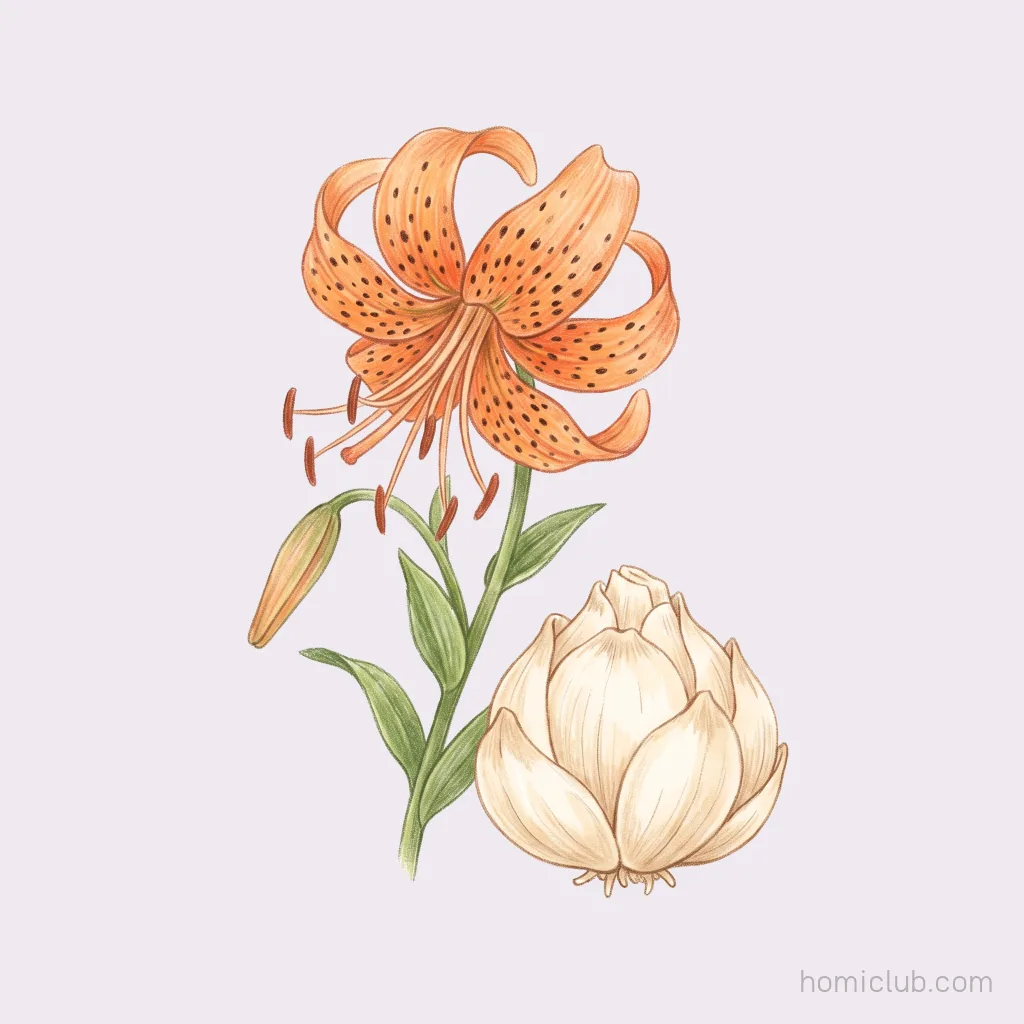
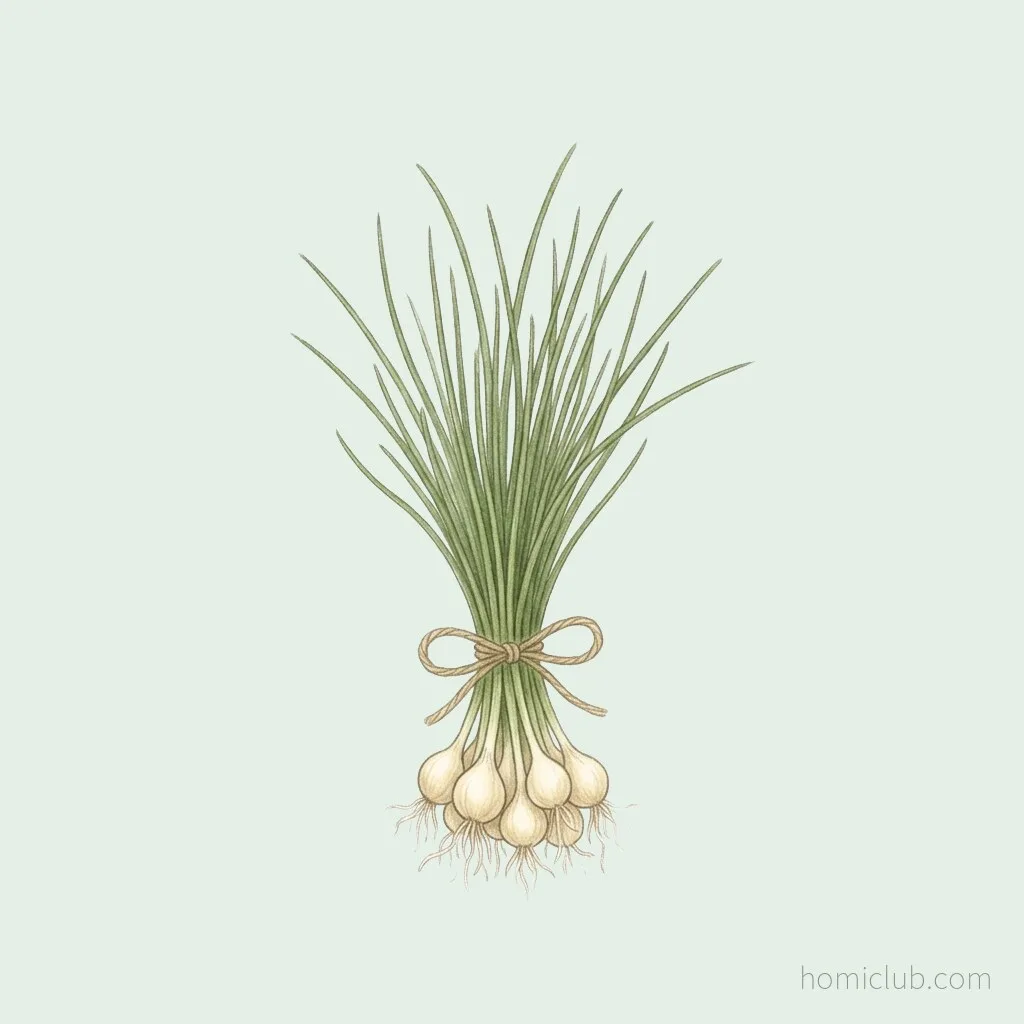
Baekhap is the lily bulb, the scaly underground stem of the lily; the field guide's tiger lily belongs to this group. Its overlapping scales stack like a head of garlic, and the bulb still goes into porridge and braises. Donguibogam preferred the larger, white-flowered kind.
Original, read line by line 東醫寶鑑 · Tangaek — Decoctions vol. 3
-
性平, 味甘, 無毒一云小毒.
Its nature is neutral and its taste sweet, with no toxicity, though some sources note a slight toxicity.
-
療傷寒百合病, 利大小便.
It treats the post-febrile restlessness known as lily disease and promotes both urination and bowel movement.
-
治百邪鬼魅, 啼泣狂叫.
It calms those tormented by malign spirits who weep without reason or cry out in delirium.
-
殺蠱毒, 治乳癰發背及瘡腫.
It dispels parasitic toxins and heals breast abscesses, carbuncles on the back, and various sores and swellings.
-
生山野, 有二種.
It grows in the mountains and fields, and comes in two main varieties.
-
一種細葉, 花紅白色,
One kind has slender leaves and bears flowers of a reddish-white hue.
-
一種葉大, 莖長, 根麄, 花白色, 宜入藥用.
The other has large leaves, a long stem, a thick root, and white flowers, and this one is suited for medicinal use.
-
又一種花黃有黑斑, 細葉, 葉間有黑子, 不堪入藥.
There is also a kind with yellow flowers spotted black, slender leaves, and dark seeds between the leaves, which is unfit for medicinal use.
-
根如胡蒜, 數十瓣相累.
The root resembles garlic, with dozens of scales stacked layer upon layer.
-
二月八月採根, 暴乾.
The roots are harvested in the second and eighth lunar months and dried in the sun.
-
紅花者, 名山丹, 不甚良. 《本草》
The red-flowered variety is called shandan and is not considered particularly effective. From the Bencao.
-
其根, 百片累合而生,
Its root grows as a hundred scales fused together, which gives the herb its name baihe, meaning hundred united.
-
亦滲利中之美藥.
It is also an excellent remedy among those that gently drain dampness from the body.
-
花白者佳. 《入門》
The white-flowered kind is the finest for medicinal use. From the Rumen.
Related Crop
Tiger Lily →
Herbs — more entries
This is a cultural and historical record from a classical text, not a claim about any food’s effects. Nothing here is a health supplement or intended to prevent or treat disease. Consult a medical professional about health concerns. · Text: Korean Medicine Classics DB · Reading: Homiclub