
Tangaek — Decoctions · Herbs
地膚子 Kochia
 Related Crop · Kochia →
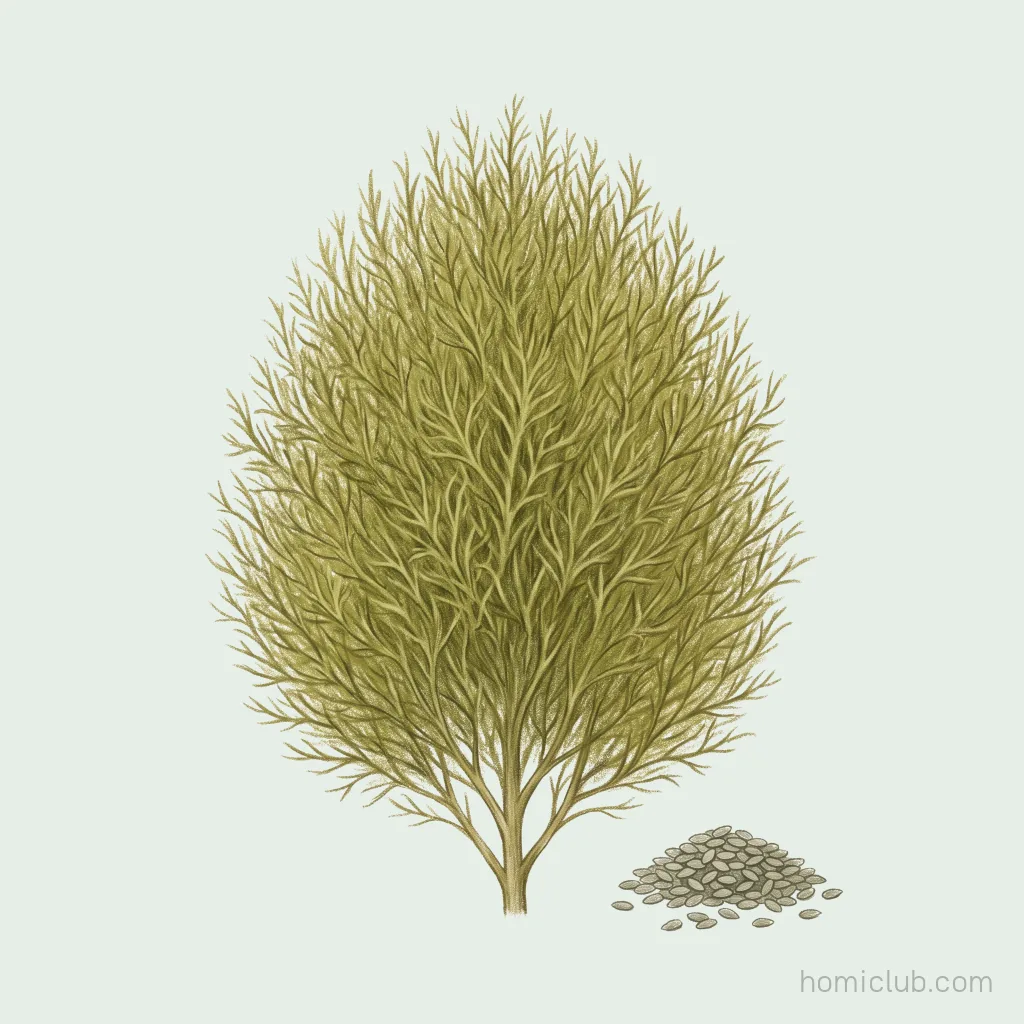
Jibuja is the seed of summer cypress, an annual once planted beside the yard. Its autumn stems were cut and bundled into brooms, which earned it the second name nakchuja, fallen broom. Donguibogam said to gather the seed in the eighth or ninth lunar month and dry it in shade.
Original, read line by line 東醫寶鑑 · Tangaek — Decoctions vol. 2
-
性寒, 味苦, 無毒. 主膀胱熱. 利小便, 治陰卵㿉疾, 及客熱丹腫.
Its nature is cold, its taste bitter, and it is non-toxic. It chiefly addresses heat in the bladder. It frees urination and treats toejil (㿉疾, scrotal swelling) and danjong (丹腫, red swelling) from visiting heat.
HomiclubJibuja is the seed of the summer cypress. Once planted at the edge of a yard, the plant is now more often grown in flower beds and parks as the ornamental kochia, whose foliage turns red in autumn.
-
處處有之, 莖赤葉靑, 大似荊芥, 花黃白, 子靑白色, 似一眠起蚕沙.
It is found everywhere; its stem is red, its leaves green, largely resembling hyeonggae (荊芥, schizonepeta); its flowers are yellowish white and its seeds greenish white, like the droppings of silkworms just risen from their first molt.
-
堪爲掃箒, 一名落箒子. 八九月採實, 陰乾. 《本草》
It serves well for making brooms, whence the other name nakchuja (落箒子, broom seed). Gather the fruit in the eighth or ninth month and dry it in the shade. 《Boncho (本草)》
HomiclubStalks cut in autumn were bundled into yard brooms, which is where the name comes from. Such brooms are still made in some rural districts.
-
一名千頭子. 《回春》
It is also called cheonduja (千頭子, thousand-head seed). 《Hoechun (回春)》
Related Crop
Kochia →
Reading on Kochia
Herbs — more entries
This is a cultural and historical record from a classical text, not a claim about any food’s effects. Nothing here is a health supplement or intended to prevent or treat disease. Consult a medical professional about health concerns. · Text: Korean Medicine Classics DB · Reading: Homiclub