
Tangaek — Decoctions · Herbs
紫菀 Tatarian Aster
 Related Crop · Tatarian Aster →
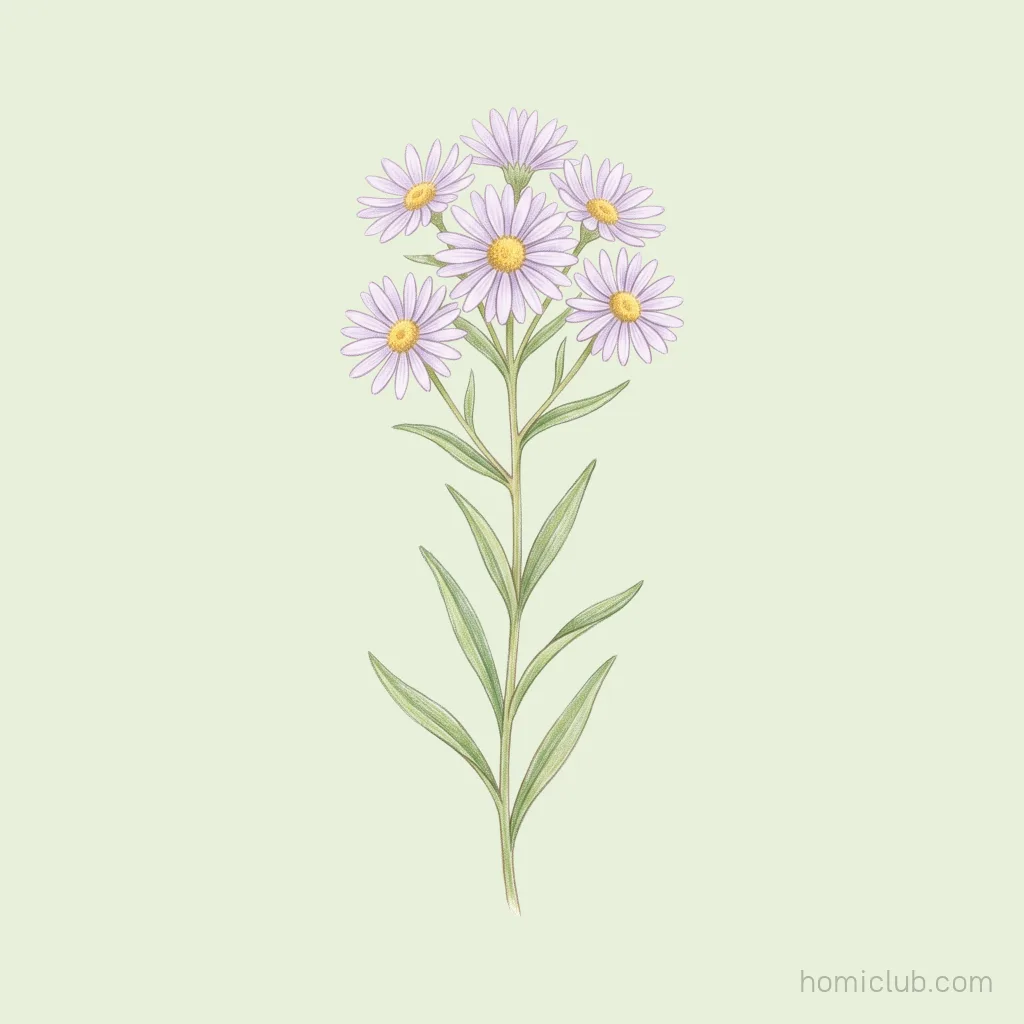
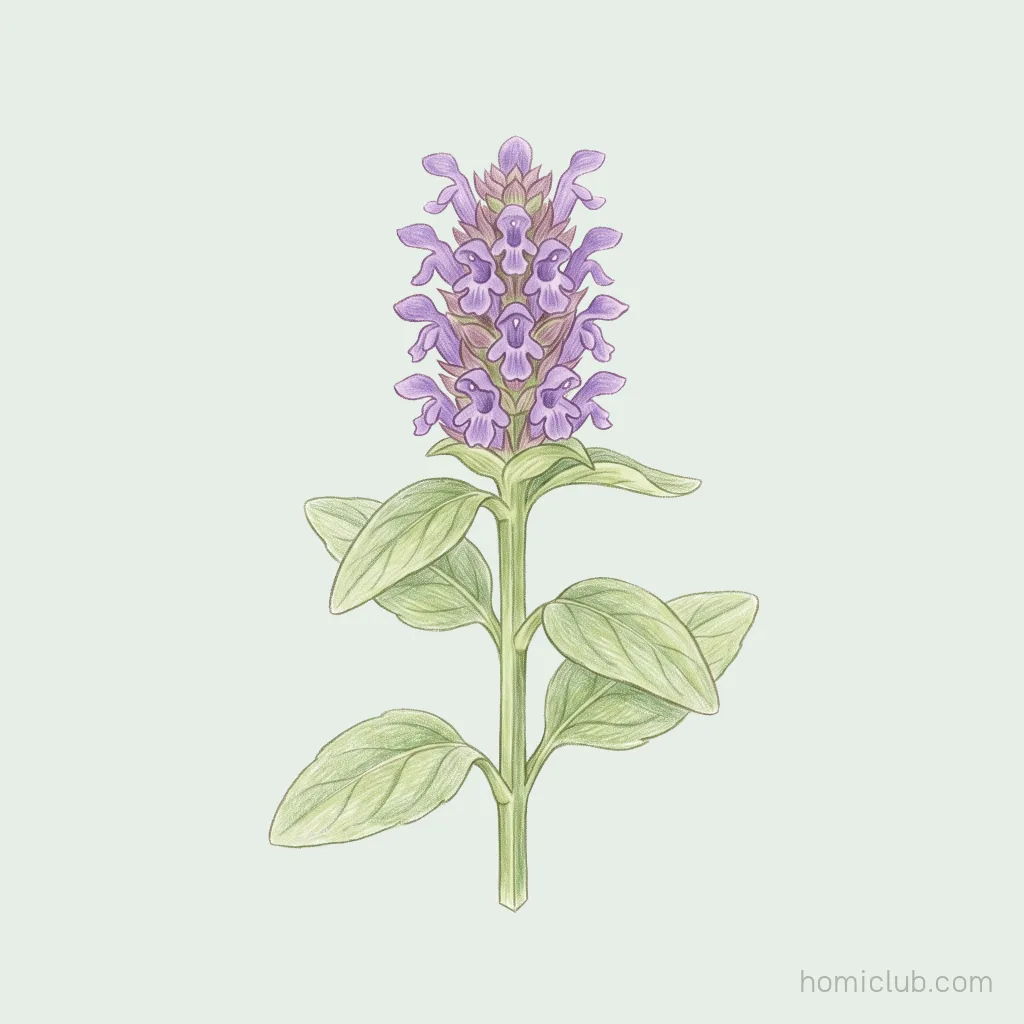
Jawan is the root of gaemichwi, a purple-flowered aster and the same gaemichwi shown in the crop guide. Its young shoots are dressed as a spring namul, and the plant is grown for its autumn bloom. The Donguibogam also records the name banhoncho and has the root soaked in honey water, then dried over a low fire.
Original, read line by line 東醫寶鑑 · Tangaek — Decoctions vol. 3
-
性溫一云平, 味苦辛, 無毒.
Its nature is warm—some say neutral—the taste is bitter and pungent, and it has no toxicity, making it gentle enough for long-term use.
-
治肺痿吐血, 消痰止渴, 咳逆上氣, 咳唾膿血, 寒熱結氣, 潤肌膚, 添骨髓, 療痿躄.
It treats lung wasting with blood-spitting, dissolves phlegm and quenches thirst, calms upward-rebelling cough, pus-and-blood expectoration, and chill-fever knotted qi; it also moistens the skin, replenishes marrow, and relieves wasting paralysis of the legs.
-
生原野, 春初布地生.
It grows in open fields, sprouting in early spring with leaves spread flat upon the ground, a common wildflower of sunlit meadows.
-
其葉三四相連, 五六月開黃紫白花, 有白毛, 根甚柔細.
Its leaves grow in clusters of three or four, and in the fifth or sixth month it bears yellow, purple, or white flowers covered with fine white hairs, while its roots remain remarkably soft and slender—and it is these roots that serve as medicine.
-
二月三月採根, 陰乾.
The roots are gathered in the second or third month and dried slowly in the shade, a careful method preserving the herb's fragrance and potency.
-
色紫而體潤軟者, 佳. 《本草》
Roots that are purple in color with a moist, supple body are considered the finest, as recorded in the Bencao.
-
又有白菀, 卽女菀也.
There is also a white aster, which is none other than the so-called nyeo-wan, a botanical cousin often paired with purple aster in classical texts.
-
療體相同, 無紫菀時, 亦可通用. 《本草》
Its therapeutic action is the same, so when purple aster is unavailable, white aster may be used in its place, as the Bencao advises.
-
一名返魂草.
It is also called the soul-returning herb, a name born from the ancients' awe at how it revives the breath of those worn down by chronic cough.
-
蜜水浸焙乾用. 《入門》
It is steeped in honey water, then gently dry-roasted before use, a preparation noted in the Ipmun that softens the bitterness and gentles its action upon the lungs.
Related Crop
Tatarian Aster →
Herbs — more entries
This is a cultural and historical record from a classical text, not a claim about any food’s effects. Nothing here is a health supplement or intended to prevent or treat disease. Consult a medical professional about health concerns. · Text: Korean Medicine Classics DB · Reading: Homiclub