- Type
- Leafy Greens
- Difficulty
- Moderate
- Season
- Spring
- Sowing
- From seed
Spring Cabbage (Bomdong)
Brassica rapa subsp. pekinensis
Vitamin C and dietary fiber - bomdong, the open-leaf cabbage that overwinters in the field
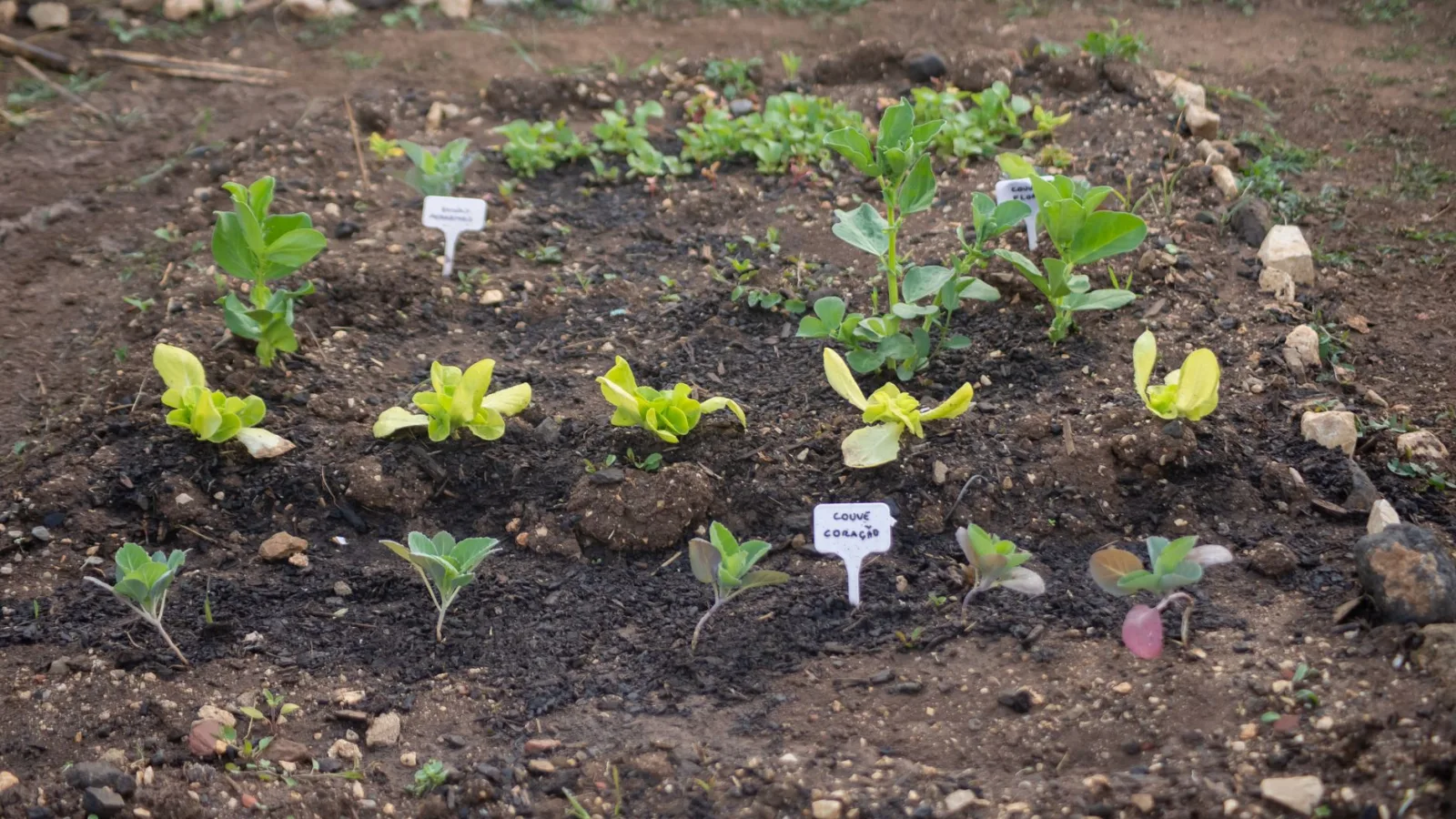
This entry covers bomdong: the napa cabbage sown in autumn and left to winter in the open field, which does not form a head. It belongs to the same group as the headed cabbage grown for kimjang, but its sowing and its harvest fall at different times: headed kimjang cabbage goes in around late August and is cut in November, while bomdong is sown in September or October, winters over in the field and is harvested from February to April. The leaves spread wide and flat. Through the cold they build up sugar, which gives them a sweet edge, and as a leafy green it carries vitamin C and dietary fiber. The leaves are tender, so they go into geotjeori (a quick, lightly seasoned fresh kimchi), into ssam (wrapping leaves) and into soybean-paste soup alike.
Year-Round Calendar
- 1
- 2
- 3
- 4
- 5
- 6
- 7
- 8
- 9
- 10
- 11
- 12
- 9
- 10
- 2
- 3
- 4
Where It Grows
- Origin Napa cabbage arose in North China. The region still accounts for most of the world's brassica production, centred on Shandong and Hebei.
-
Main producer
This is where the non-heading method — sowing in autumn and letting the crop winter over in the open field — took hold. Haenam, Jindo and Sinan in South Jeolla are the centre of it. Harvest February, March, April
- 2
- 3
- 4
- Major producer Hakusai is widely grown, but the non-heading method of wintering over in open fields is rare.
Napa cabbage arose in North China and spread to the Korean peninsula and Japan. Bomdong is not a separate species but that same cabbage sown late in autumn and left to winter over in the open field, and the place where this method took hold is Korea's south coast. The FAO counts napa cabbage together with head cabbage and others as "cabbages and other brassicas," so production figures for napa cabbage alone cannot be broken out by country.
- Optimum
- 15~20℃
- Range
- 5~25℃
- Hardiness
- Hardy
- Day length
- Long-day
Hardier than the tight-headed cabbage grown for kimjang, it winters over in open fields in the south. When it takes cold of −5 to −8℃, the leaves press down against the ground and spread out like a cushion, and their sugar rises. A plant that has been through the winter cold will send up a flower stalk once the days lengthen in spring, so it must be harvested before then.
In Korea Southern Korea
The main growing area is the south coast — Haenam, Jindo and Sinan in South Jeolla. Wintering over in the open field requires places where the ground does not freeze deep and snow does not lie long. In the central region it has to be covered with tunnels or protected structures.
How to grow
- Light
- Somewhere sunny
- Soil and depth
- 30cm deep or more. It drinks a lot, so it needs the volume
- Spacing
- 40cm. Too tight and the head will not fill
- Watering
- Plenty. If it dries while heading, you get no head at all
- Feeding
- A generous base dressing, then feeds at three and six weeks after planting out
- Harvest
- Press the head; firm means ready. For kimchi, wait for two frosts and it sweetens
What makes the difference. Plant out late August in the centre of the country, early September further south. Miss that window and it will not head
Why this one is harder. Success is the head filling, and if the timing, the water or the caterpillars go wrong you get leaves and nothing else
Common problems
- Cabbage white caterpillars You will see Large holes, then they bore into the heart What to do Net it from the day you plant out. Once they are inside you cannot reach them
- Soft rot You will see The base goes mushy and smells What to do Raise the bed so water drains. Pull affected plants at once
This page describes how a crop is grown and used. It does not claim health effects for any food, nor is it intended to prevent or treat disease. Component and study notes are references only and do not mean the same result occurs in people. Consult a medical professional about health concerns.
Health Benefits
A crucifer that carries glucosinolates. Bomdong is a cruciferous vegetable like cabbage and kale, and composition analyses confirm that it contains glucosinolates along with their breakdown products, the isothiocyanates. That is not to say eating this vegetable holds off any particular disease.
Vitamin C in winter and early spring. Bomdong, which overwinters in the open field, came to the table in the season when fresh leaves were hard to find, carrying vitamin C and folate. That is its place as a seasonal ingredient, and there is no ground to claim more.
Dietary fiber. It is established that dietary fiber passes undigested to the large intestine and adds bulk there. That is not to say eating this vegetable makes any particular symptom go away.
Carotenoids. The deep green leaves hold beta-carotene, lutein and zeaxanthin, and it is established that lutein and zeaxanthin accumulate in the macula of the retina. That is not to say eating this vegetable holds off any particular eye disease.
Nutrition
- Vitamin C (Abundant) — A water-soluble vitamin held in the leaves
- Glucosinolates (Cabbage-family compound) — The sulfur compounds characteristic of the Brassicaceae
- Dietary fiber (Abundant) — A structural component of leaf and stalk
Glucosinolates & isothiocyanates Bomdong contains glucosinolates, the sulfur compounds common to the Brassicaceae, along with their breakdown products, the isothiocyanates. They are the source of its peppery yet mild flavor, and they are compounds handled mainly in laboratory research.
Beta-carotene, lutein & zeaxanthin Because bomdong does not form a head, every leaf grows in full light, and those deep green leaves hold beta-carotene, lutein and zeaxanthin. These pigments are why its leaves are darker than the pale inner leaves of a headed napa cabbage.
Vitamin C As a leafy green, bomdong carries vitamin C. Its place is the Korean winter and early spring, when fresh leaves are hard to come by in the open field.
Vitamin K, folate, calcium & dietary fiber Vitamin K, folate, calcium and dietary fiber are all present. The basic nutrients of a leafy vegetable are evenly distributed, so a single bowl of seasoned greens brings several micronutrients together.
Sugars Bomdong leaves that have withstood the cold accumulate sugar to keep from freezing, which gives them their sweetness. The mechanism is the conversion of starch into simple sugars at low temperature, and it is the source of the soft sweetness particular to this vegetable.
Pairings
○ Doenjang (fermented soybean paste) — Bomdong dressed with doenjang is a fixture of spring cooking. The salty, savory umami of the paste brings out the cabbage's natural sweetness, and the probiotic benefits of the fermented food come along for the ride.
○ Gochujang and vinegar — Bomdong geotjeori (fresh, quick kimchi) is built on a base of gochujang (fermented chili paste) and vinegar. The spicy, tangy seasoning balances the tender sweetness of the cabbage, making it a classic light spring side dish. Chili Pepper (Gochu)
○ Sesame oil, perilla oil, and garlic — Sesame or perilla oil with added garlic is the standard dressing for a seasoned bomdong dish. The oil helps the body absorb the cabbage's fat-soluble carotenoids, while the aroma of garlic lifts the flavor a step higher. Garlic
○ Oysters and clams — Bomdong tossed with oysters is a golden spring pairing of minerals and vitamins. The zinc and minerals from oysters meet the cabbage's vitamins, making it a restorative spring dish.
○ Tofu — Bomdong with tofu is a balanced combination of plant protein and vegetable nutrition. The softness of the tofu contrasts with the crisp bite of the cabbage, adding textural pleasure to the dish.
○ Multigrain rice — Bomdong bibimbap brings multigrain rice and cabbage together in a single bowl for both nutrition and flavor. The carbohydrates and protein from the grains complement the vitamins and minerals of the bomdong.
△ Thyroid conditions, blood thinners, and kidney failure — The glucosinolates in spring cabbage (bomdong) can partially interfere with thyroid hormone production when eaten in large amounts, its vitamin K can interact with anticoagulants, and its potassium can burden people with kidney failure. Normal dietary amounts are fine, but if any of these conditions apply to you, keep your intake consistent.
△ Long cooking at high heat — Spring cabbage loses its sweetness and vitamins when cooked at high heat for too long. A quick blanch—or eating it raw—is the best way to preserve its signature flavor and nutritional value.
Varieties
- Overwintered in the open (seed) — Sown in autumn and left through the cold. The leaves spread flat against the ground and sweeten as the winter passes.
- Early spring sowing (seed) — Sown in early spring and cut before a head forms. The leaves stand a little more upright and the sweetness is lighter.
Source: Food and Nutrition Information