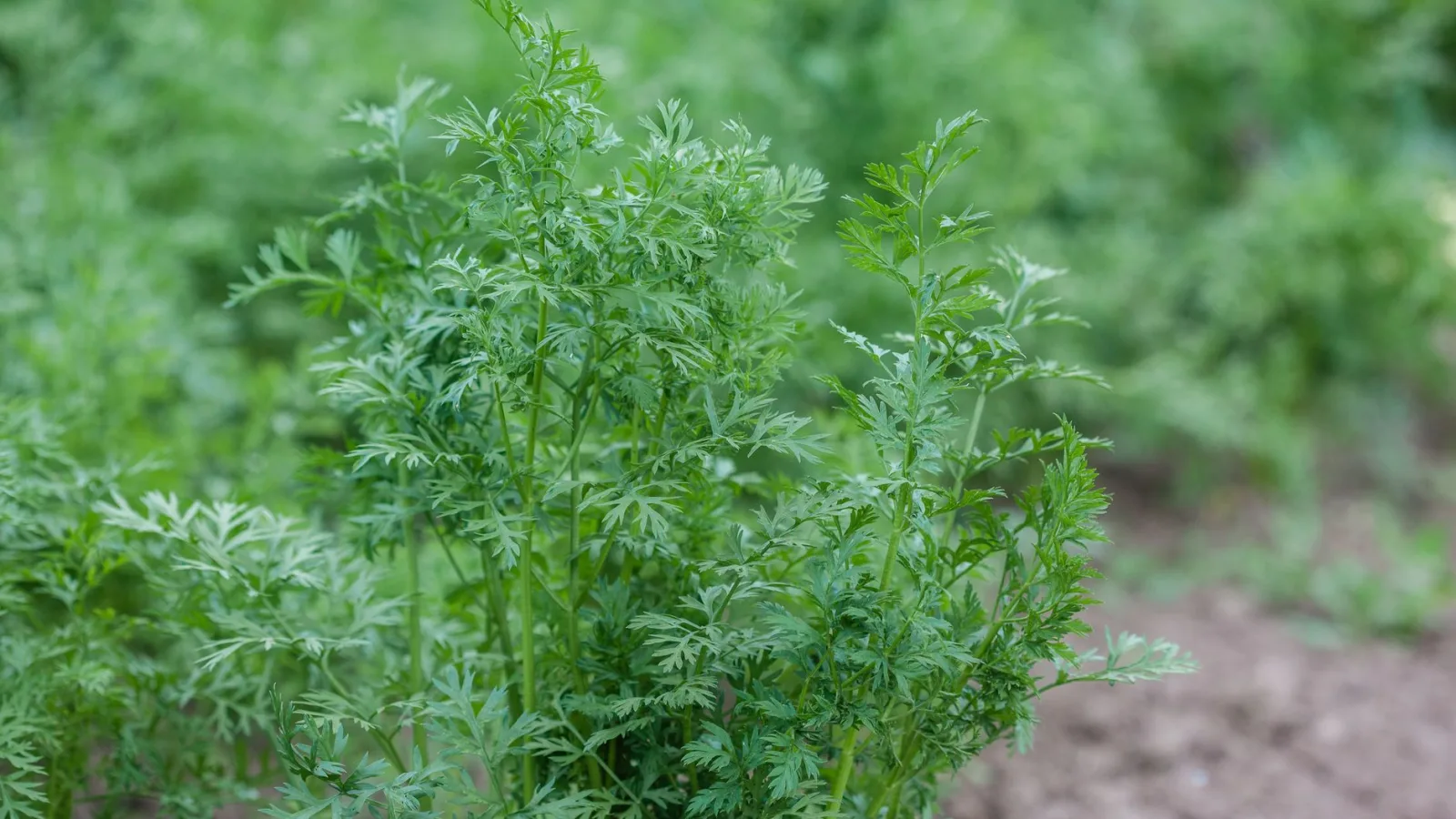
On potato-harvest day, a soil test that comes back clean is reassuring. Yet the leaves of potatoes grown in that very same field can carry contaminants at concentrations far higher than the soil beneath them.
A study of farmland in southern Israel documented exactly this. Potato leaves contained per- and polyfluoroalkyl substances (PFAS) at levels well above those in the surrounding soil. The researchers concluded that root uptake from the soil alone could not account for the gap, and proposed that airborne PFAS had settled directly onto the leaf surfaces.
What Are PFAS?
PFAS are a family of synthetic chemicals built on carbon-fluorine bonds. They have long been used in nonstick cookware, waterproof clothing, and firefighting foam. They repel water and oil remarkably well and hold up under heat. Those same qualities become a problem once they reach the environment: PFAS break down extremely slowly and linger for years in soil, water, and living organisms, which is why they are often called "forever chemicals."
A number of studies have linked ongoing exposure to effects on immune function, thyroid hormones, and liver health. Safety limits vary from country to country, and in Korea the debate over national standards is still under way.
The Pathway Soil Tests Miss
A soil test measures contaminants bound to or dissolved in the soil. Airborne PFAS reach crops by an entirely separate route. Carried on dust and aerosols, they travel on the wind and settle onto leaf surfaces.
The study area sat near military installations, and firefighting drills and the use of military-grade foam were identified as likely sources of the airborne contamination. The researchers noted that analyzing the leaves themselves is a more sensitive way to detect airborne contamination than analyzing the soil. For a garden plot near a similar source, a clean soil test is no guarantee that the leaves will tell the same story.
What Urban Gardeners Can Do Now
Start by taking a fresh look at where your garden sits and what surrounds it. Plots near major roads, incinerators, factories, or military bases carry a heavier burden of airborne pollution.
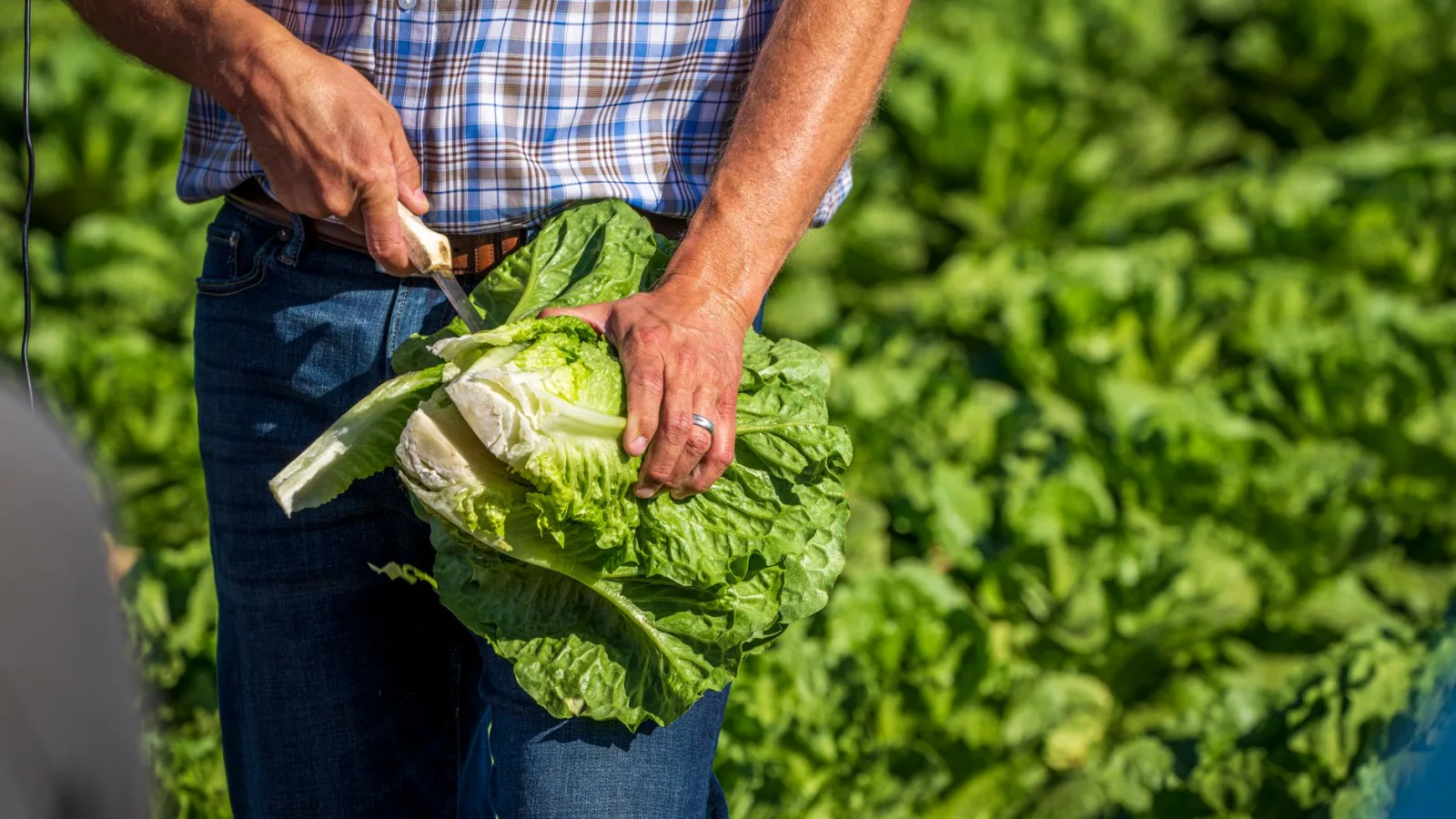
- Rinse harvested leafy greens thoroughly under running water to reduce contaminants on the surface.
- With crops like potatoes and carrots, which are peeled or cooked before eating, the part you actually consume is far less exposed to anything that lands on the leaves.
- If your surroundings give you cause for concern, have a certified lab analyze the leaves alongside the soil.
Even when a soil test comes back clean, a separate leaf analysis gives you a much clearer picture of what is really going on. And whatever you harvest today, give those leaves one more careful rinse under running water.