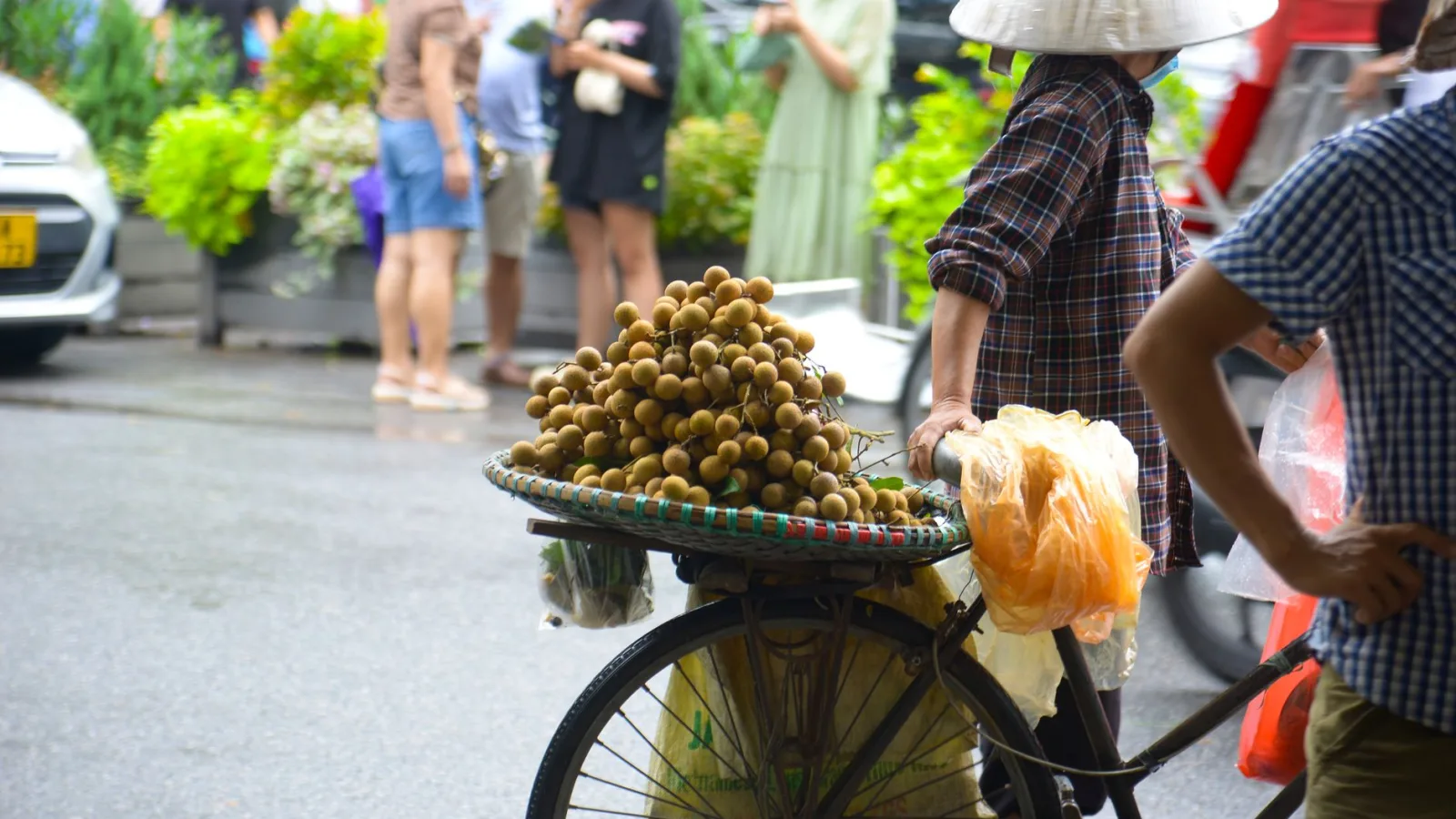
In the Northern Hemisphere, September brings one harvest after another in the garden. Chili peppers turn red, and perilla, a leafy Korean herb in the mint family, grows thicker leaves. You're also looking for a spot to plant one last round of leafy greens before the frost. But at this time of year, the kitchen shelf holds a fruit that didn't come from the garden: dried longan, shriveled and dark reddish-brown. Most people know the name lychee, but longan is less familiar.
A Tree That Needs Warmth
Longan grows on a tree in the soapberry family, which makes it a close cousin of the lychee. It grows best at 20 to 30°C and can handle anything from 10 to 35°C. It can survive a short dip below freezing, but not a Korean winter outdoors. That's why no one in Korea grows it as a garden crop. Instead, Koreans buy it dried, canned, or fresh during the short summer season when it's imported. Most longan comes from China, Thailand, Vietnam, and Taiwan.
Day length doesn't decide when the tree sets flower buds. What matters is how long the winter stays cool and dry, in the 15 to 22°C range. When rain follows, the tree blooms. That's why longan bears fruit more reliably at the northern edge of the subtropics than in tropical lowlands. In the Northern Hemisphere, the harvest runs from July through September.
What's Inside
The skin is thin and tan. Peel it and you'll find translucent white flesh around a single round black seed. Because it looks like a dragon's eye, it got the name longan, which means "dragon eye."
The sweetness comes from fructose, glucose, and sucrose. The flesh also contains water-soluble vitamin C and polyphenols, a large group of compounds found throughout the plant world. Dried and fresh longan show very different numbers on a nutrition label because the drying removes the water. This happens with every dried food: as the weight drops, each gram holds more sugar.
So dried longan is best eaten a few pieces at a time. If you want to watch how much you eat, try putting today's portion on a small plate ahead of time.
The Name in an Old Text
The fruit section (gwabu) of the Donguibogam, Korea's early 17th-century medical encyclopedia, lists longan as yongan (龍眼). The entry calls it neutral in nature, sweet, and nontoxic. It says the fruit comes from the southwest, where lychee also grows. It also compares longan to other fruits: it looks like a betel nut but is smaller, and its flesh is thinner than lychee's, but it is sweet and good to eat. The entry gives two other names, wonan (圓眼, "round eye") and ikji (益智, "boosting the mind"). It also notes that longan was once called yeojino (荔枝奴), "the lychee's servant," because it doesn't taste as good as lychee when eaten fresh. This is what an old medical text says, and modern medicine doesn't necessarily agree. Today, you can simply enjoy longan as a sweet, easy-to-eat dried fruit. (Source: Donguibogam, Fruit Section [Gwabu], Yongan [龍眼])
How to Use It in the Kitchen
Simmer a few pieces of dried longan with jujubes (Korean red dates) and ginger, and their flavors blend in the pot. Once the water boils, turn down the heat and let it simmer gently. Ginger gets spicier the longer it cooks, so try adding it at the end.
Longan also works well in porridge made with glutinous (sweet) rice. When the porridge is almost done, add the dried longan and simmer it for just a few minutes. If you cook it too long, it falls apart and leaves behind nothing but sweetness. The porridge will taste sweet even without sugar.
Serve it with nuts like walnuts or pine nuts, and the sweet and nutty flavors set each other off. Just don't store them in the same container, because the nuts and the fruit will go soft. Mix them only when you're ready to eat.
- When choosing fresh longan, skip any with split skins or a soft, damp feel.
- Give the fruit a shake and choose ones where the seed doesn't rattle. A rattling seed means the flesh has dried out and pulled away from it.
- Store longan in airtight containers, and keep dried and fresh longan apart.
Tonight, try putting five pieces of dried longan and a few jujubes in a pot. Pour in 500ml of water and set it over low heat. Add the ginger just before you turn off the heat. You can't grow this fruit in your garden, but you can still enjoy it in your kitchen.