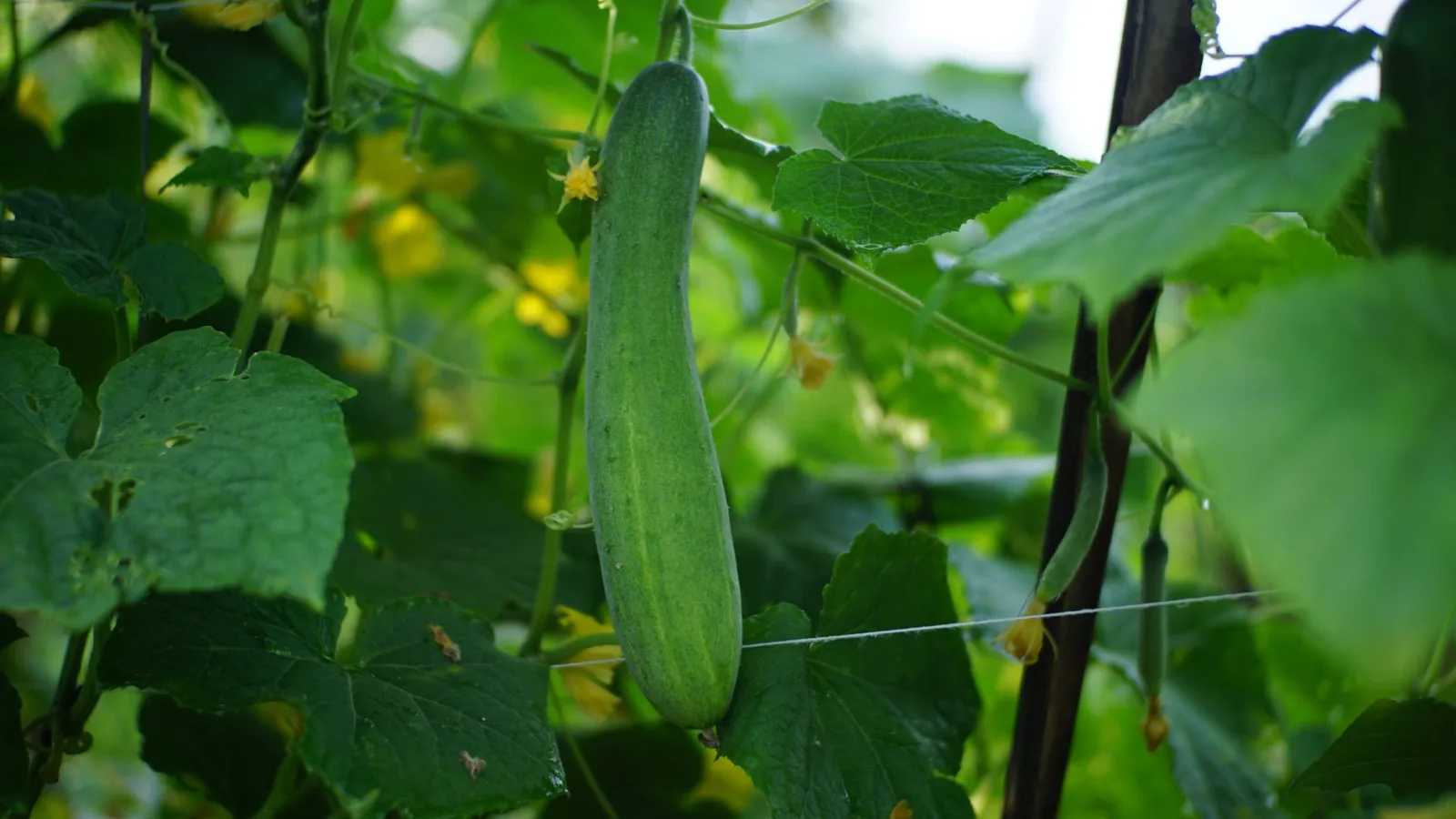
Summer on a Single Vine
Step into a summer garden, fellow gardeners, and the first thing you notice is the cucumber vine climbing its trellis. Each morning one or two more fruits have filled out, and it's hard not to pick one and bite into it right there. That rush of cool juice is, I'd say, about half the fun of growing cucumbers.
Cucumbers are always on the table, too. You can float them in naengguk (a chilled summer soup), toss them into a seasoned side dish, or make a batch of oi-sobagi (stuffed cucumber kimchi), and midsummer appetites come right back. Few vegetables ask so little of the cook and do so much for a family worn out by the heat. Because we eat them so often, we rarely stop to think about cucumbers and health. Yet the Donguibogam, the classic Korean medical text from the early 1600s, gave this ordinary crop surprisingly close attention. Common as it is, the cucumber was never something to dismiss.
What the Donguibogam Says
The Donguibogam records the cucumber as cold in nature and sweet in flavor. It also notes a slightly irritating quality near the stem end. The text held that the cucumber's medicinal action goes mainly to the stomach, bladder, and large intestine, which shows the parts of the body it was believed to affect.
The first use it lists is clearing heat and quenching thirst (解熱止渴). When people were drained by summer heat and badly parched, or dizzy from heatstroke, cucumbers were what they reached for. The thinking was that the vegetable's cold nature calmed the heat inside the body.
Next comes its diuretic effect, meaning it helps urine flow freely. The text says it was used alongside other remedies for swelling or sluggish urination. There's also a tradition of applying the juice to the skin. Cucumber juice was dabbed on burns, boils, acne, and sunburned skin to soothe it. Finally, the text saw the cucumber's crisp, fresh flavor as an aid to digestion, since it perks up the appetite and balances rich, oily foods.
One thing I want to be clear about, friends. This is strictly the traditional record left by the Donguibogam. It is not a claim about proven medical benefits today. It simply shows how people in the past thought about the cucumber.
How It Compares with Modern Nutrition
Put these old ideas next to what we know today, and some common ground appears. Cucumbers are more than 95 percent water. The Donguibogam's view that they relieve thirst in hot weather lines up naturally with the modern understanding that all that water helps keep the body hydrated.
The diuretic effect can also be read alongside the fact that cucumbers are rich in potassium. The old records linking cucumbers to swelling and urination fit well with the modern description of a vegetable high in water and potassium. The idea that its fresh taste stirs the appetite matches how we think of cucumber today, as something that cleans up the palate between heavy summer dishes. Still, these are only rough comparisons with common knowledge. They are a long way from saying cucumbers cure anything. It's enough to note that an old medical text and modern nutrition point in a similar direction about the same crop.
From Garden to Table
There are plenty of ways to enjoy cucumbers you've grown yourself. The easiest is to eat them raw. Bite into one fresh off the vine or juice it. Put some up as oi-sobagi or oiji (salt-brined pickled cucumbers) and you'll have them on hand for weeks. Served as muchim (a lightly seasoned salad) or in chilled naengguk, they bring summer appetites back. And when your skin feels hot and flushed, pressing out the juice and patting it on like a face mask is a remedy that goes back generations.
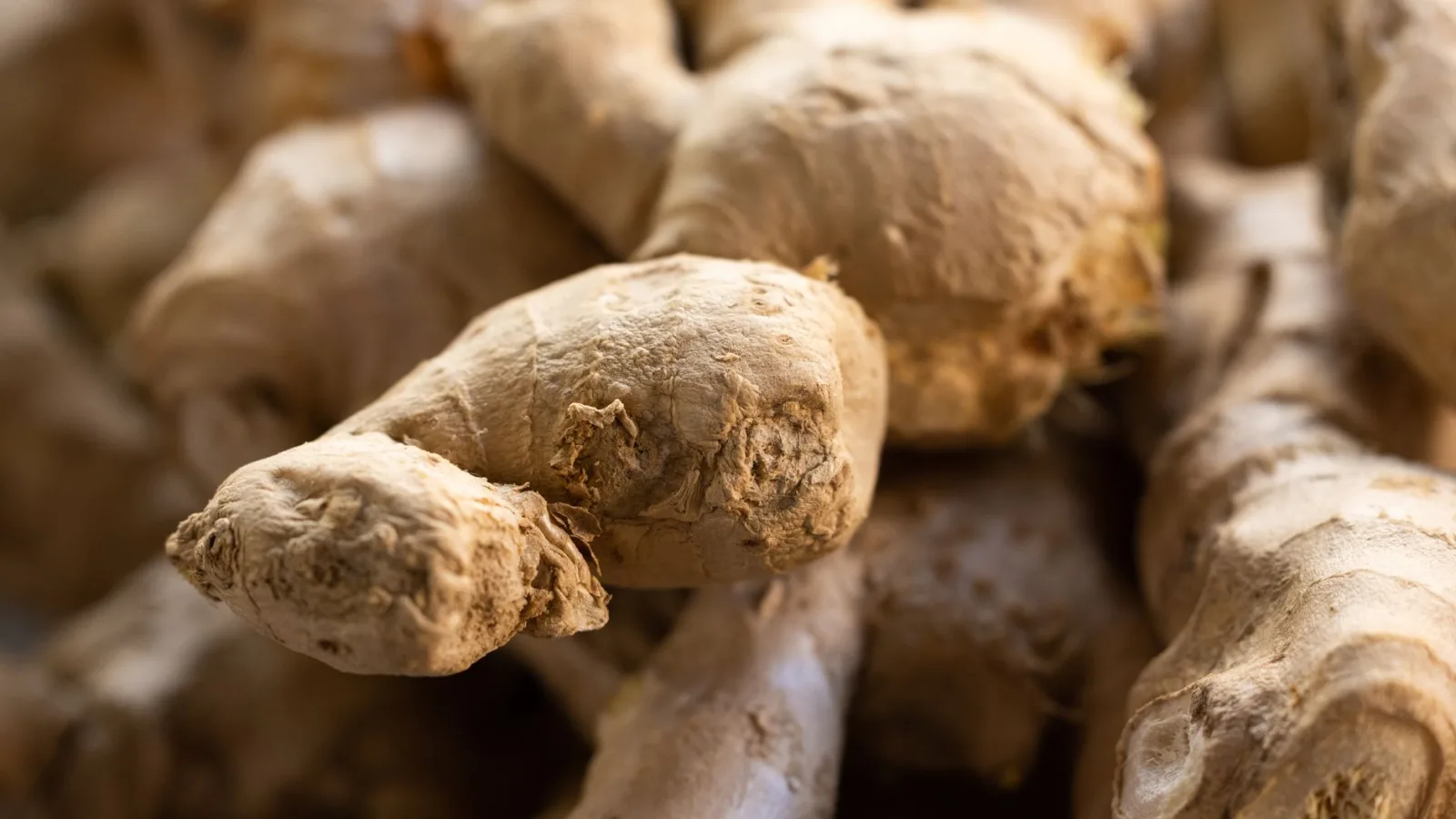
A few gentle cautions, too. Because the Donguibogam considered cucumbers cold in nature, it advised people with weak stomachs, those who tend to run cold, and anyone prone to loose stools not to eat a lot at once. It also advised against eating large amounts late in pregnancy. Cucumbers can be hard on some people's stomachs, so you may find them easier to enjoy with warming ingredients like vinegar or ginger.
So this summer, friends, when cucumbers ripen in a corner of your garden, pick one and enjoy it cold. The reason people long ago kept cucumbers close in the heat is right there in the one in your hand.