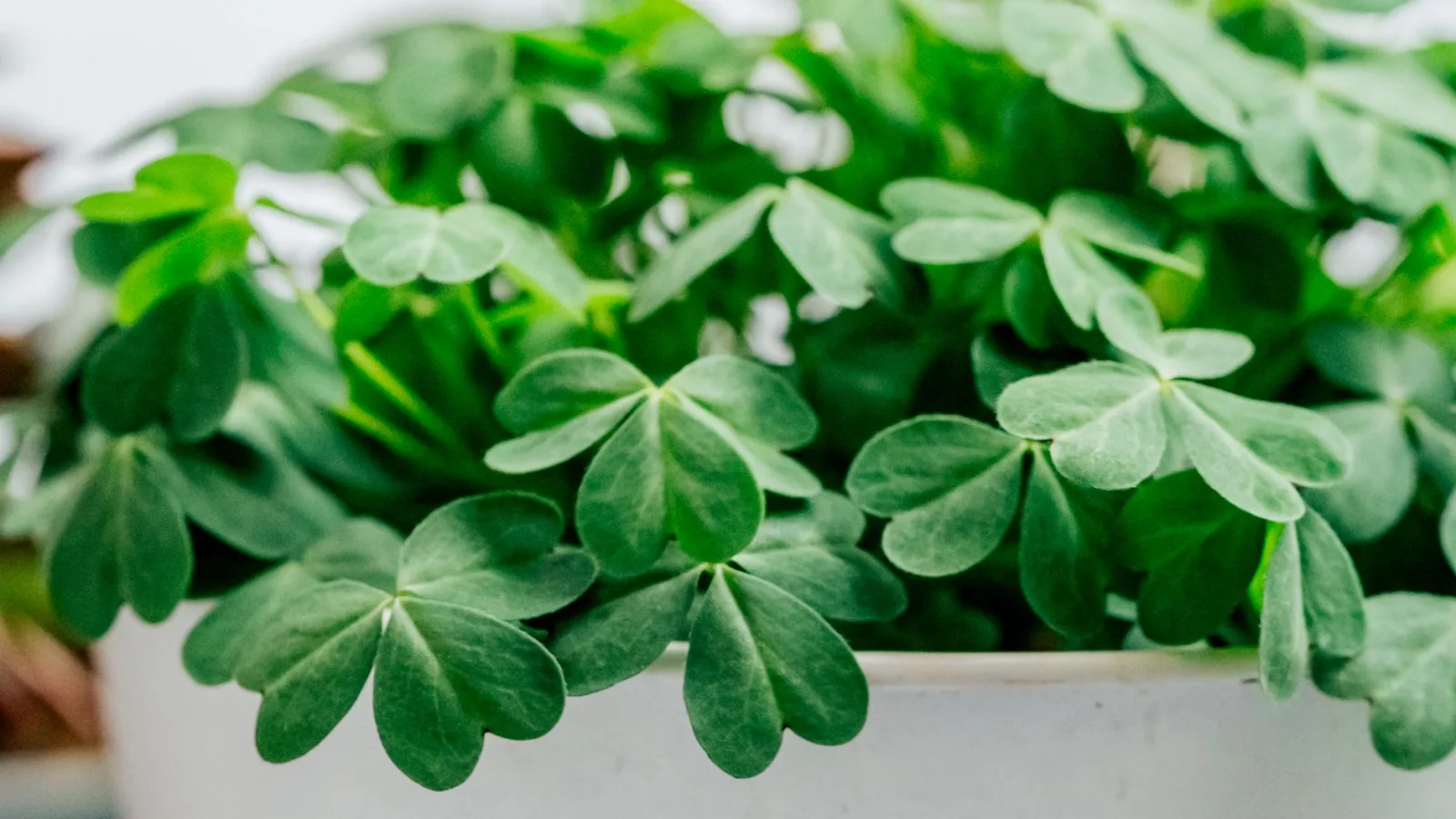
By late August, the fenugreek pods in one corner of the garden have dried to a straw yellow. The leaves withered a while ago, and when you rub a dry pod between your fingers, ten or so angular yellow seeds drop out. In the Northern Hemisphere, seeds sown in April or May are harvested like this in July and August. Hold a few in your palm and bring them close to your nose, and you'll catch a faint, sweet scent. It's the same smell you know from a pot of curry.
How did the Dongui Bogam describe this seed?
The seed appears under the name horopa (葫蘆巴) in the Herbs section (草部) of the Dongui Bogam, the 17th-century classic of Korean medicine. The entry calls it warm in nature and bitter in taste, and says it is not toxic. On where it came from, the entry records one account that it is the seed of a radish from the far southern lands. It also explains how to prepare it: rinse the seeds in wine, then toast them lightly. The 【唐】 mark beside the name shows that it was imported from China. Botanically, it's the seed of an annual legume, Trigonella foenum-graecum. Today we call it fenugreek and use it in Indian curries and spice blends. Keep in mind that this description comes from an old medical text and does not reflect how the seed is judged today. You can read the original text and a commentary in the Dongui Bogam entry on horopa.
A second look through modern chemistry
Flavor scientists trace fenugreek's sweet aroma to a compound called sotolon. People can smell it even at extremely low concentrations, and compounds from the same family are used in artificial maple flavoring. The seeds contain galactomannan, a polysaccharide that turns thick when it meets water. Diosgenin, the core structure of steroidal saponins, has also been isolated from fenugreek. The seeds store protein as well.
The old record and today's knowledge overlap in how the seed is prepared. Rinsing it in wine and toasting it lightly is close to what cooks still do now: a quick fry in oil to bring out the aroma. The two describe the seed in very different terms, though. The old medical text wrote down sensations people felt, like warm and bitter, while modern analysis records compound names and concentrations. For that reason, we don't take the uses listed in the old entry as proven health benefits today.
When the scent carries over
People have noticed many times that eating a lot of fenugreek can make sweat and urine smell a bit like maple syrup. In some documented cases, the scent was noticed in a breastfeeding person and mistaken for a sign of something else. These are observations about smell, and they are separate from any reports of effects on the body. A little fenugreek used as a spice is very different from large amounts eaten regularly, so if you plan to eat more of it, talk with a health professional first.
Grow it, toast it, pair it
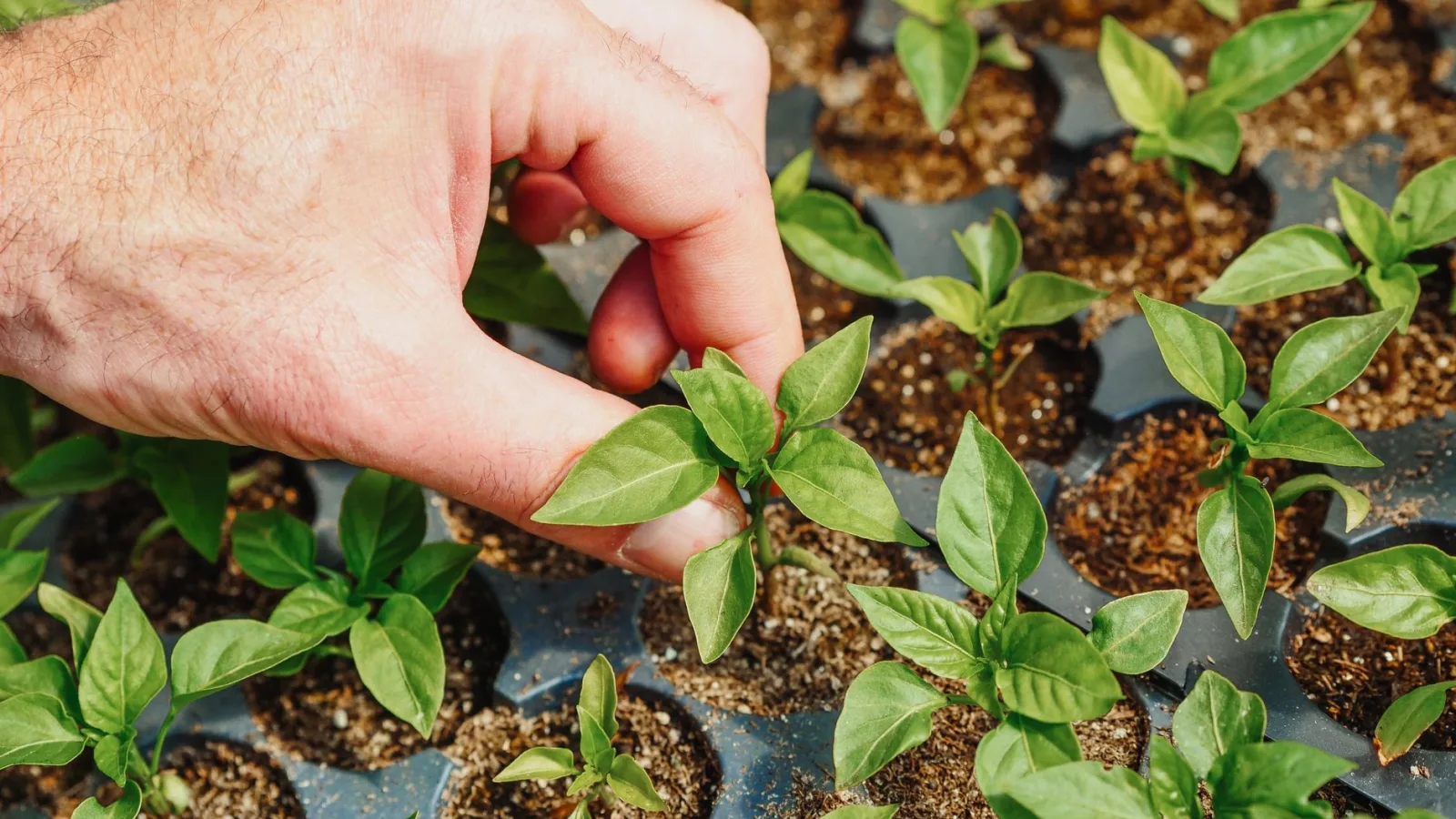
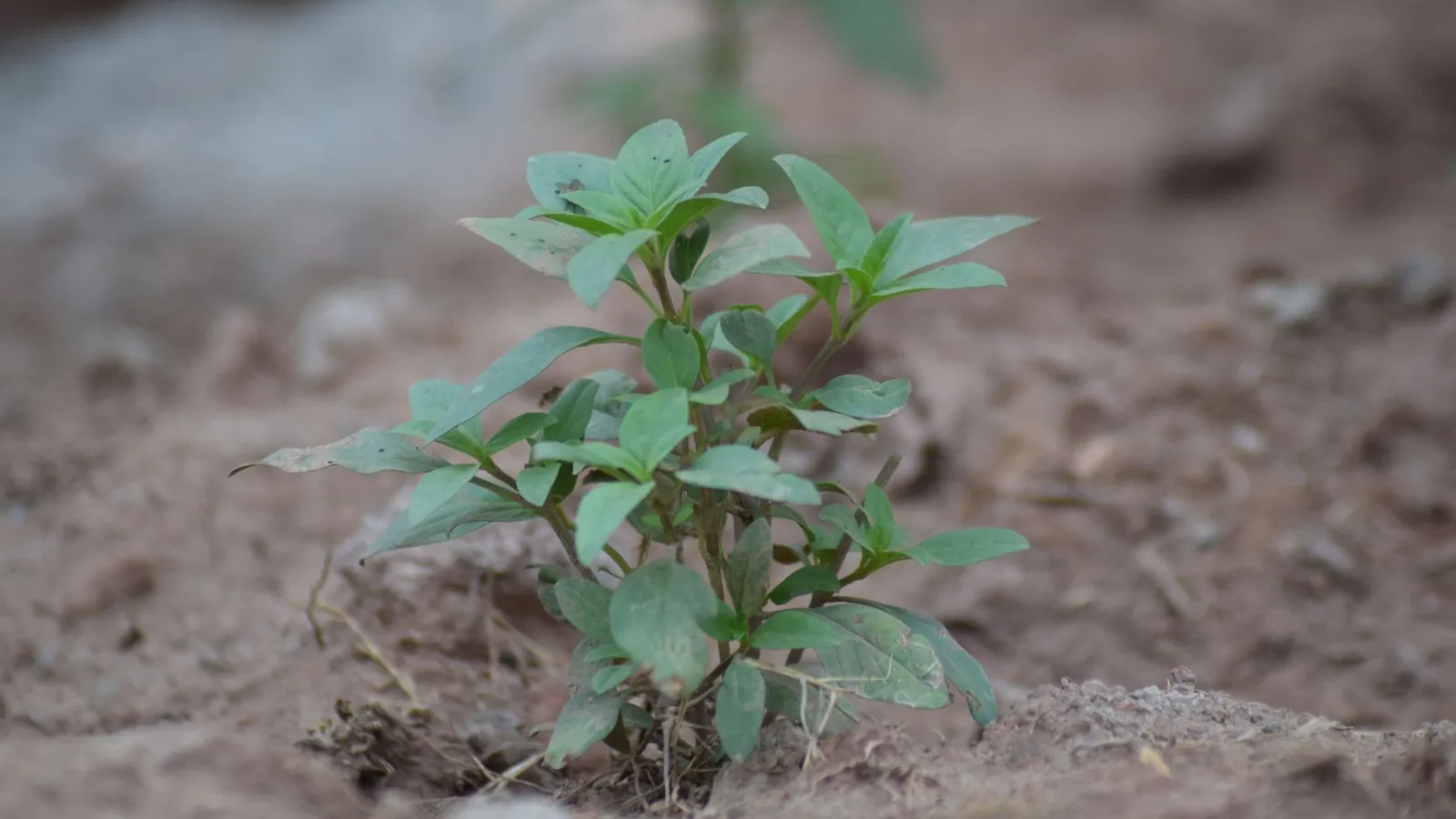
In the Northern Hemisphere, sow the seeds in April or May and harvest in July or August. When the pods have dried to yellow, gather them, then rub them between your hands to free the seeds. Planting and harvest months, along with ingredients that go well with fenugreek, are listed in our fenugreek crop guide.
In the kitchen, heat a little oil and briefly toast the fenugreek with cumin and coriander to bring out their aroma, then add the rest of your ingredients. Put the fenugreek in last, and move to the next step as soon as its color starts to change. In Indian-style simmered dishes, pair it with mild ingredients like potatoes or lentils, and use only a little, because its flavor is strong. You can also stir a small amount of toasted, finely ground seed into yogurt. The galactomannan helps it blend in smoothly and thicken the yogurt. Give it a few minutes after mixing before you taste.
Take a spoonful of the seeds you harvested today and toast them in a pan just until they turn light brown. Then add them to tonight's pot as the very last ingredient.