- Type
- Legumes
- Difficulty
- Moderate
- Season
- Spring
- Sowing
- From seed
Fenugreek
Trigonella foenum-graecum
Sotolon and galactomannan · the maple-scented seed in curry
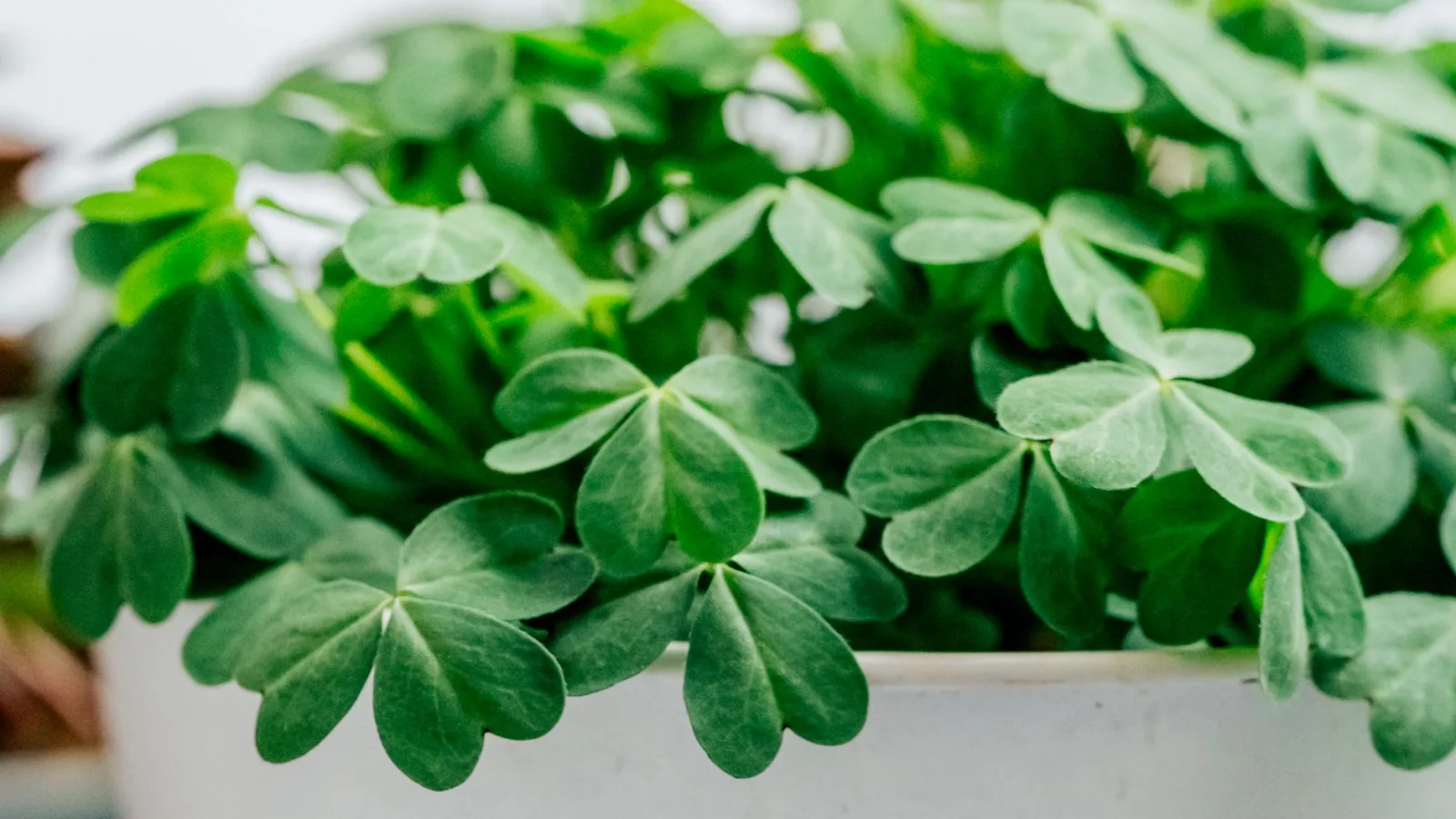
Fenugreek is the seed of an annual legume, sold under that name in the spice aisle. It belongs in Indian curry blends, and its dried leaf is handled separately as methi. Toast the seed lightly and a sweet, maple-syrup aroma comes up; the compound behind it is sotolon. The same class of compound appears in artificial maple flavouring, which is why reports keep recurring of sweat and urine smelling of maple after a large intake of fenugreek. The Donguibogam lists it in the Herb section as 葫蘆巴, giving it a warm nature, a bitter taste and no toxicity. It records a view that the seed is that of a radish from the southern lands, and notes that it was washed in liquor and lightly toasted before use. Sow the seed in a pot and shoots come up within days, so a jar of spice seed doubles as a vegetable crop.
Year-Round Calendar
- 1
- 2
- 3
- 4
- 5
- 6
- 7
- 8
- 9
- 10
- 11
- 12
- 4
- 5
- 7
- 8
Where It Grows
-
Main producer
It accounts for most of the world's fenugreek production and exports. Rajasthan is the centre, and the crop is a winter one, sown in October–November. Harvest February, March
- 2
- 3
- Major producer It is grown on the dry fields of central Anatolia.
- Major producer It is grown as a winter crop on irrigated land in the Nile valley, where it is called helba.
- Major producer It is grown on the winter rains of the Mediterranean.
- Major producer It is grown on fields of the high plateau, mixed in with other grains.
- Major producer It is grown on irrigated land in the dry interior.
Its origin is taken to be the belt running from West Asia to the eastern Mediterranean, and no single country can be named as its home. Today India supplies most of the world's volume, and the remaining growing areas are likewise clustered in the Mediterranean, West Asian and North African climate zones, where winters are cool and rain is light. Seed and dried leaf (methi) are traded separately, and the statistics are usually based on seed.
- Optimum
- 15~25℃
- Range
- 7~32℃
- Hardiness
- Half-hardy
Fenugreek is a winter crop that likes cool, dry weather. In India it is sown in October–November and carried through the winter. Young plants will take a light frost, but in frequent rain and damp the lower leaves rot first, so in climates with a summer monsoon rainy season the pods have to be filled out before it arrives.
In Korea Nationwide
Commercial cultivation is effectively nil; it stays at the level of kitchen gardens and pots. Winters are too cold to grow it as an Indian-style winter crop, so it is sown in April–May and the pods are filled out before the summer monsoon rains. Those summer rains are the single biggest obstacle.
How to grow
- Light
- Full sun all day. It runs best through the cool, bright weather of spring and autumn
- Soil and depth
- Free-draining soil at least 20cm deep. Being a legume, it does not need rich ground
- Spacing
- 15 to 20cm apart for seed; sown dense for leaf
- Watering
- Water when the surface dries. Standing water damages the roots, so never leave water in the pot saucer
- Feeding
- Almost no feeding. As a legume, heavy nitrogen only gives leaf
- Harvest
- When the pods yellow and dry, cut the whole stem, hang it upside down to dry and thresh. Pick leaves while they are soft, before flowering
What makes the difference. For sprouts, use the spice seed as it comes. Soak overnight, spread it in a sprouter or on damp cloth, rinse twice a day, and it is ready in four to six days
Why this one is harder. A Korean summer is hot and humid for fenugreek. Once the rainy season sets in the lower leaves go soft, so sow early in April and fill the pods before it arrives
Common problems
- Aphids You will see They mass on new shoots and flower stalks What to do Wash them off with a jet of water; if they return, use a soap or oil spray
- Powdery mildew You will see A white dust settles on the leaves in the rainy season What to do Open the spacing for airflow and remove affected leaves
- Root rot You will see A plant wilts suddenly after watering What to do Water less often and empty the saucer. Pull out plants that have rotted
This page describes how a crop is grown and used. It does not claim health effects for any food, nor is it intended to prevent or treat disease. Component and study notes are references only and do not mean the same result occurs in people. Consult a medical professional about health concerns.
Health Benefits
The old record — horopa (葫蘆巴). The Donguibogam lists the seed in its Herb section as 葫蘆巴. It records a warm nature, a bitter taste and no toxicity. It carries a view that the seed is that of a radish from the southern lands, and notes that it was washed in liquor and lightly toasted before use. What an old medical text wrote differs from how it is judged today.
Sotolon and aroma. Flavour analysis attributes the characteristic sweet aroma of fenugreek to sotolon, a compound detectable at very low concentrations; the same class appears in artificial maple flavouring. This is an analysis of aroma.
The smell that carries over. Repeated reports describe sweat and urine smelling of maple syrup after a large intake of fenugreek. Cases are on record where the smell was noticed in a breastfeeding person and mistaken for another cause. This is an observation about smell.
Nutrition
- Sotolon (the aroma of the toasted seed) — the compound behind the maple-syrup scent
- Galactomannan (abundant in the seed endosperm) — a polysaccharide that thickens on contact with water
- Diosgenin (reported in the seed) — the backbone of the steroidal saponins isolated from fenugreek
- Protein (present as in other legume seeds) — the storage component of the seed
What the maple aroma is The sweet aroma of toasted fenugreek comes from sotolon. It is powerful at very low concentrations, so a small amount shifts the aroma of a whole blend. Burnt, the bitterness rises sharply, so toast only until the colour barely changes.
It thickens in water The seed is rich in a polysaccharide called galactomannan, so ground and mixed with water it thickens. Indian doughs and sauces use that property directly. Simmered whole and long, it makes the liquid slippery.
Bitterness The bitterness of fenugreek is discussed in connection with its saponin compounds. Soaking overnight softens both the bitterness and the seed itself, which makes grinding easier. Throw the soaking water away.
The distance between research and food Human studies on fenugreek continue, but they mostly use measured doses of extract or powder, a different setting from the few pinches that go into cooking. This entry stays with the compositional record.
Pairings
○ Toasted with cumin and coriander — Bloom it in oil with cumin and coriander before the main ingredients go in. Add the fenugreek last and move on as soon as the colour shifts.
○ Potato and lentils — In Indian braises fenugreek goes with mild ingredients such as potato or lentils. The aroma is strong, so keep the amount small enough not to bury them. Potato
○ Yoghurt — Toasted and finely ground, stirred into yoghurt a little at a time, it blends readily and thickens thanks to the galactomannan. Let it stand a moment before tasting.
△ Peanut and chickpea allergy — Fenugreek is a legume, and cross-reactions have been reported in people allergic to peanut or chickpea. Start with a very small amount the first time, and if you have ever reacted, check spice blend labels. Peanut
△ More than a culinary amount during pregnancy — During pregnancy, do not exceed the amount that goes into cooking as a spice. Avoid taking spoonfuls of ground seed daily or using it in extract form. The same applies while breastfeeding.
△ If you are on medication — Fenugreek is a material with ongoing research on blood sugar and blood clotting. If you take related medication, speak to a clinician before eating more than culinary amounts regularly, and tell your surgical team in advance of an operation.
Varieties
- Seed lines (seed) — Grown on to fill and dry pods. This is the seed sold as spice
- Leaf lines (methi) (seed) — Grown for the leaf, treated as a vegetable in India
- Grown as sprouts (seed) — Not a cultivar distinction but a method. Spice seed sown as it comes and cut as sprouts within days
Source: Donguibogam, Herb Section 葫蘆巴 · Korea National Arboretum, Korean Plant Names Index