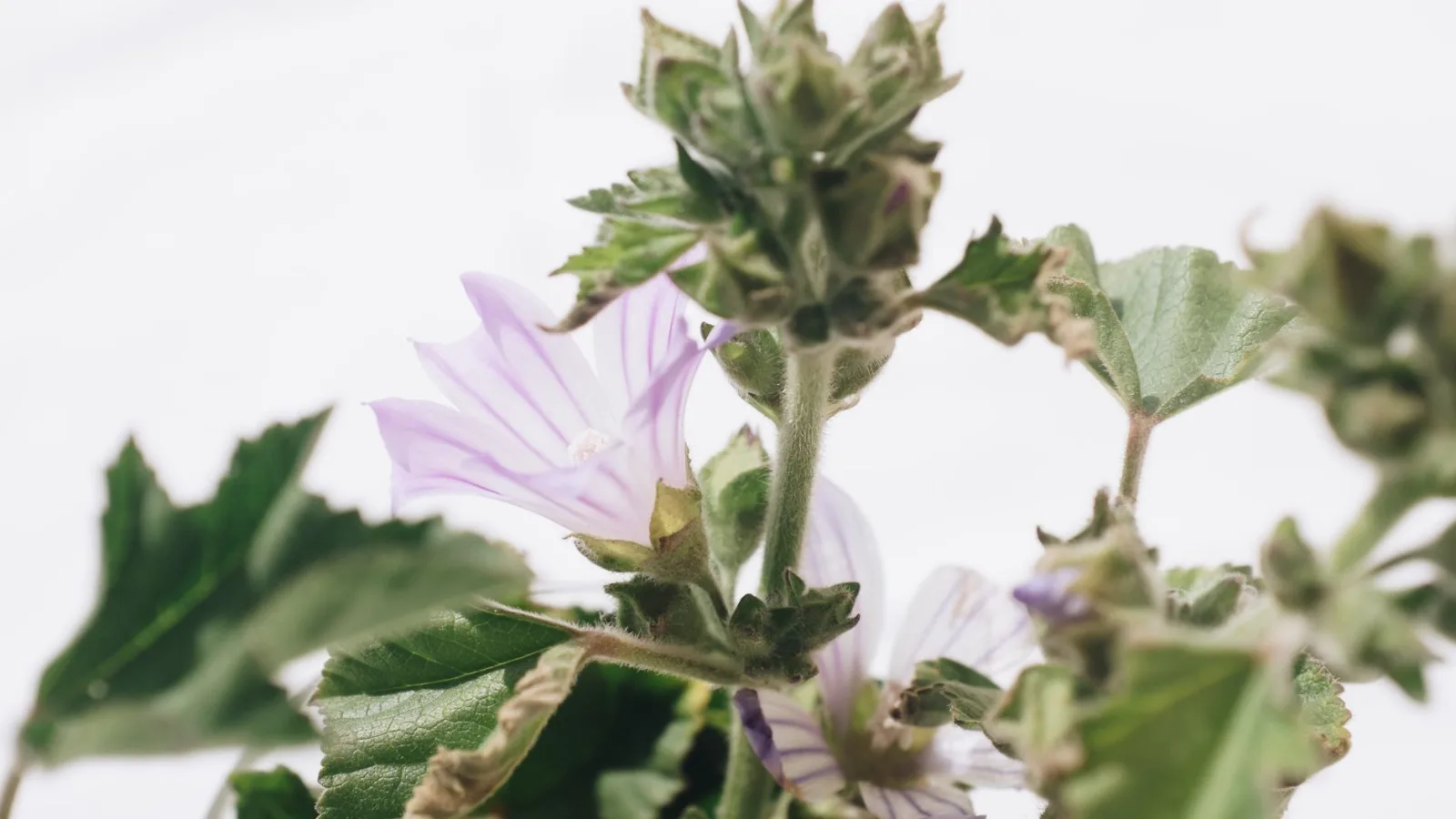
Mallow in the Corner of the Garden
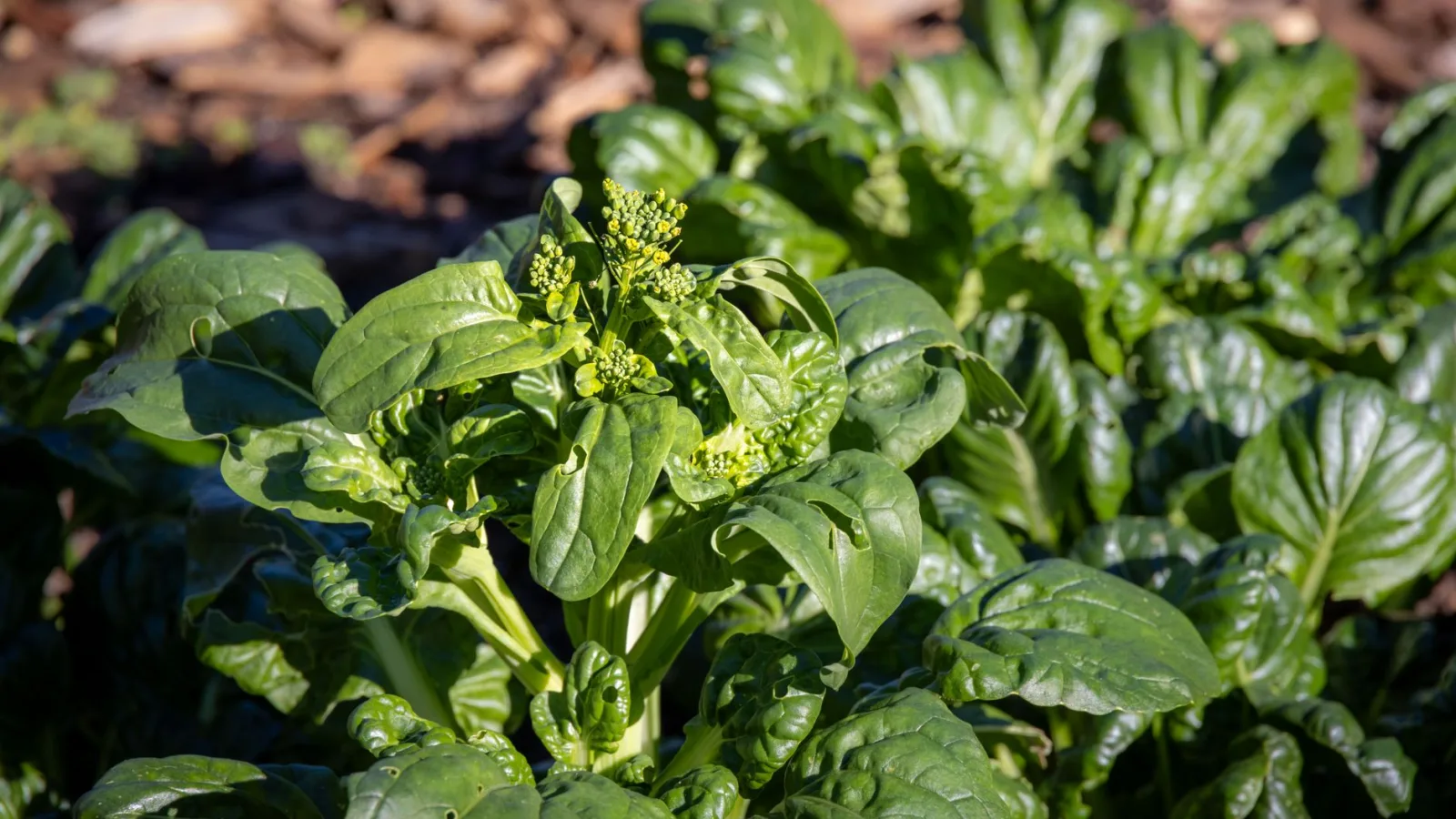
Homi, once spring settles in, curly mallow starts shooting up in the corner of the garden. The round leaves spread like open palms, and one good rain later they've gained another handspan — a busy, industrious crop that turns into a thicket if you don't thin it. Blanch a handful and squeeze, and you'll feel the slick mucilage clinging to the leaves. That slipperiness is precisely what makes mallow mallow.
At home, most of us meet it in a bowl of aoukguk, mallow soup stirred with doenjang (fermented soybean paste). The custom of simmering that soup for new mothers goes back a long way. Let's take a look at how the Donguibogam, the classic Korean medical compendium, recorded this vegetable we've been eating without much thought.
How the Donguibogam Sees It
The Donguibogam described mallow (gyuchae, 葵菜) as cooling in nature, faintly sweet, and free of toxicity. Its influence was said to reach the large intestine, the bladder, and the small intestine — acting on urination and bowel movement. In short, it was classified as a vegetable that governs the gut and opens the waterways.
The effect the Donguibogam paid most attention to was moistening the intestines to move the stool (yunjang tongbyeon, 潤腸通便). The mucilage abundant in the leaves was thought to loosen constipation gently, so mallow appeared often in prescriptions for constipation or sluggish urination. A diuretic action was recorded alongside it, for swelling or difficulty passing water, and the text held that pregnant women could use it safely for edema.
The entries concerning new mothers stand out, too. The Donguibogam held that mallow both promoted milk flow when postpartum supply ran short (hayu, 下乳) and relieved postpartum constipation at the same time. That traditional view is the reason mallow soup settled so firmly into Korea's postpartum recovery diet. The mucilage in the leaves was also said to coat and soften the linings of the stomach, intestines, and airways, and the vegetable was used to break up the heaviness of food sitting undigested. The seed, donggyuja (冬葵子), was handled separately in herbal formulas as a pill or a powder.
Set Against Today's Nutrition Science
Where the Donguibogam read bowel movement and mucosal protection into that slipperiness, modern nutrition talks about dietary fiber and mucilage — and the two run along the same grain. Mallow is known as a fiber-rich vegetable, and the idea that fiber supports intestinal movement and softens stool overlaps naturally with the old text's notion of moistening the intestines.
The slick coating that comes off when you blanch it is more than texture, too; it's the very substance the Donguibogam credited with calming the mucous membranes. That said, Homi, take comparisons like this as nothing more than laying an old record and general common sense side by side. Rather than concluding that mallow cures anything, it's more fitting to understand the eyes through which people of the past ate this vegetable.
From Garden to Table
Harvested mallow just needs the leaves and stems rubbed lightly under water before use. As you work it, foam rises and the slick mucilage washes away — and since that mucilage is exactly what the Donguibogam saw as moistening the gut and calming the membranes, go easy rather than scrubbing it clean. The simplest preparation is aoukguk, the soup stirred with doenjang; when you want something gentler, simmer it down with rice into a mallow porridge; for a side dish, blanch it briefly and dress it as a muchim (seasoned salad). If you peel off the tough outer layer of the stems before simmering, the result is far more tender. Unlike donggyuja (冬葵子, mallow seed), which the Donguibogam handled as pills and powders, the leaves and stems you pull from the garden are easy, everyday ingredients.
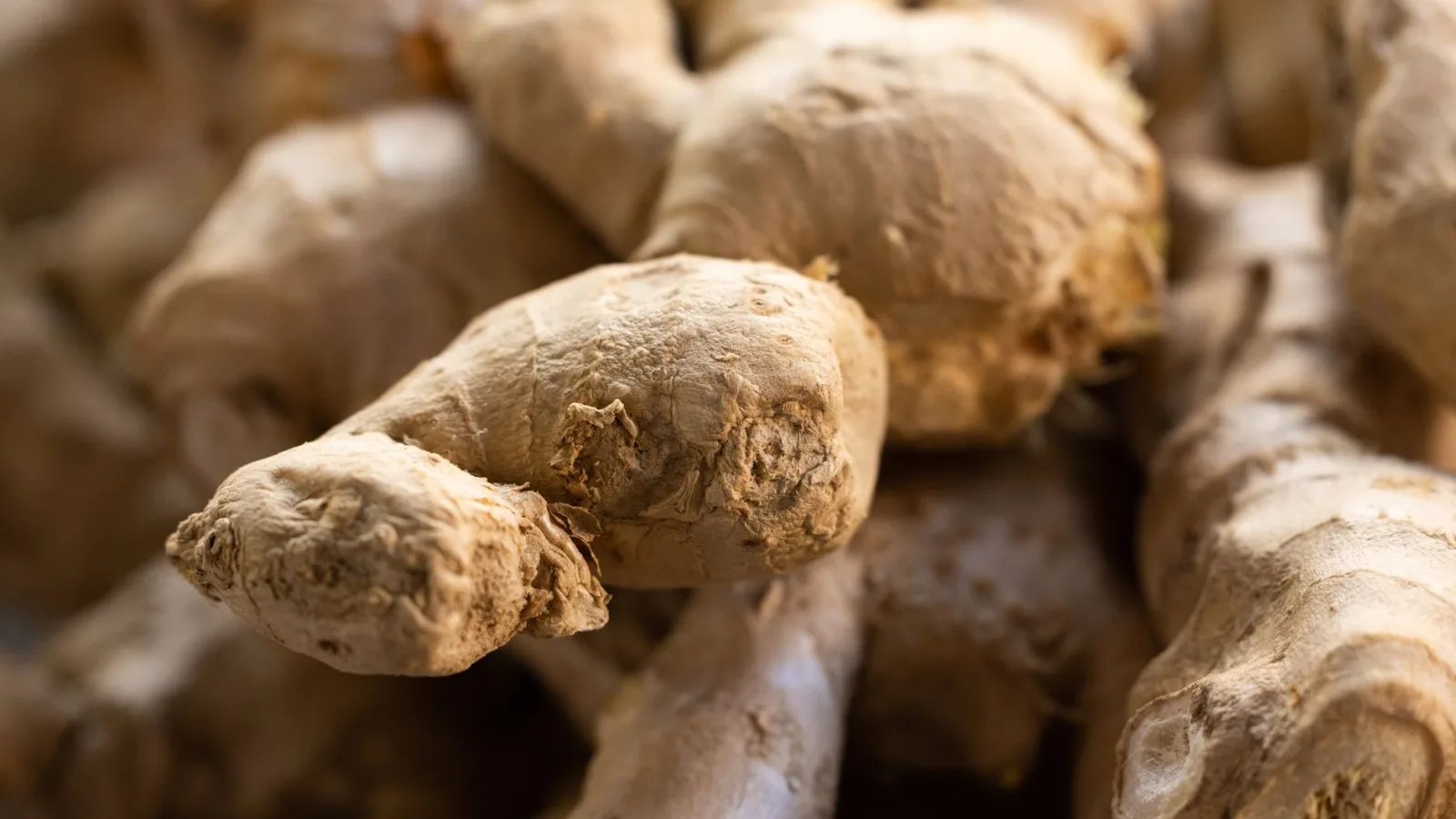
One thing worth keeping in mind. Mallow is cooling in nature, so if you tend to have cold hands and feet, loose stools, or a touch of diarrhea, Homi, it suits you better with a generous hand of warming seasonings — doenjang, gochujang (red chili paste), ginger. And in early pregnancy, while the leaves and stems are considered safe to eat, using much donggyuja seed is best avoided, as it's said to risk uterine contractions.
Even a bowl of mallow soup you've simmered without a second thought carries a point of view this long in the making. As you thin a handful from the garden and bring it to the table, I hope your evening feels a little more solid, Homi.