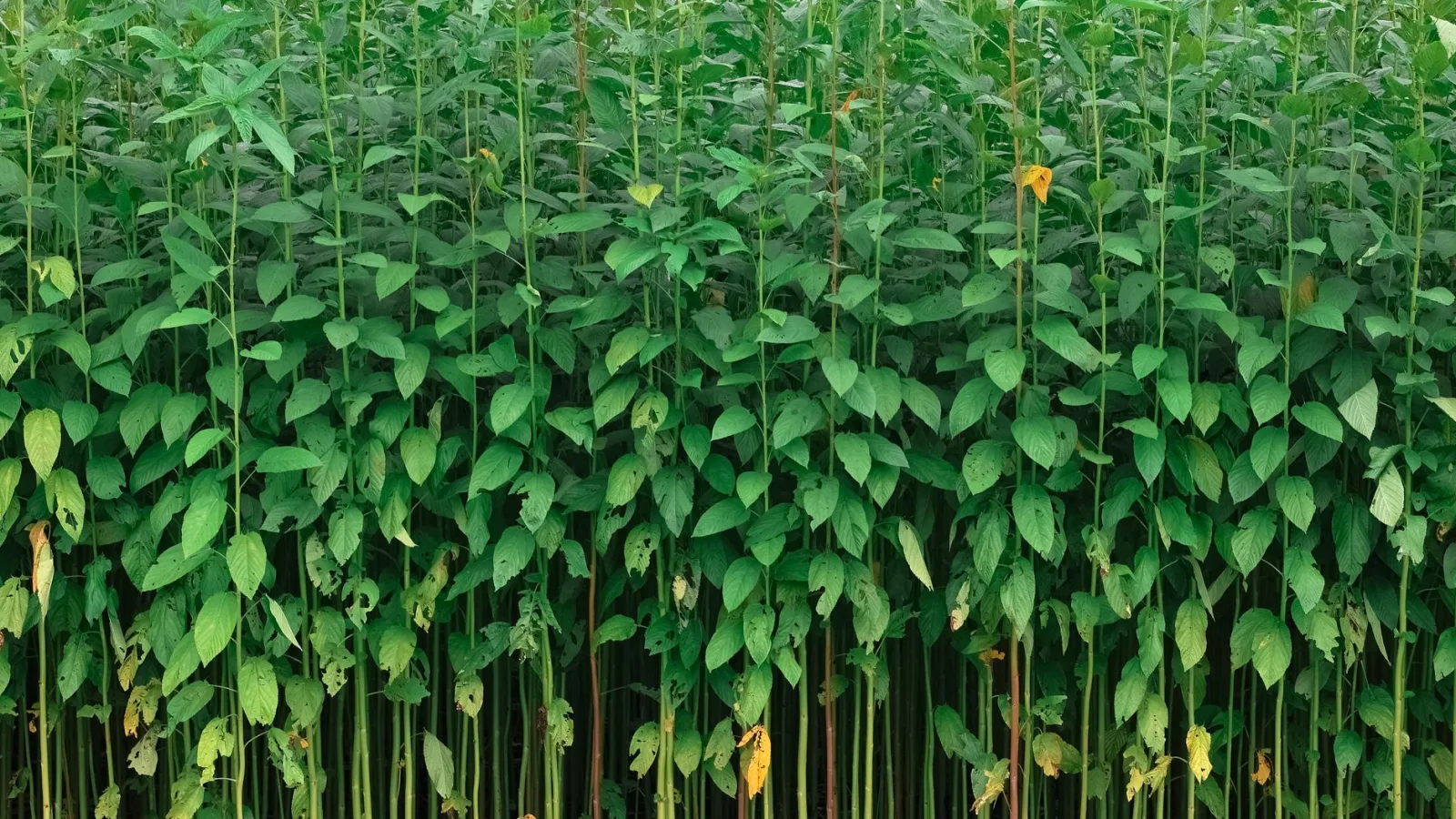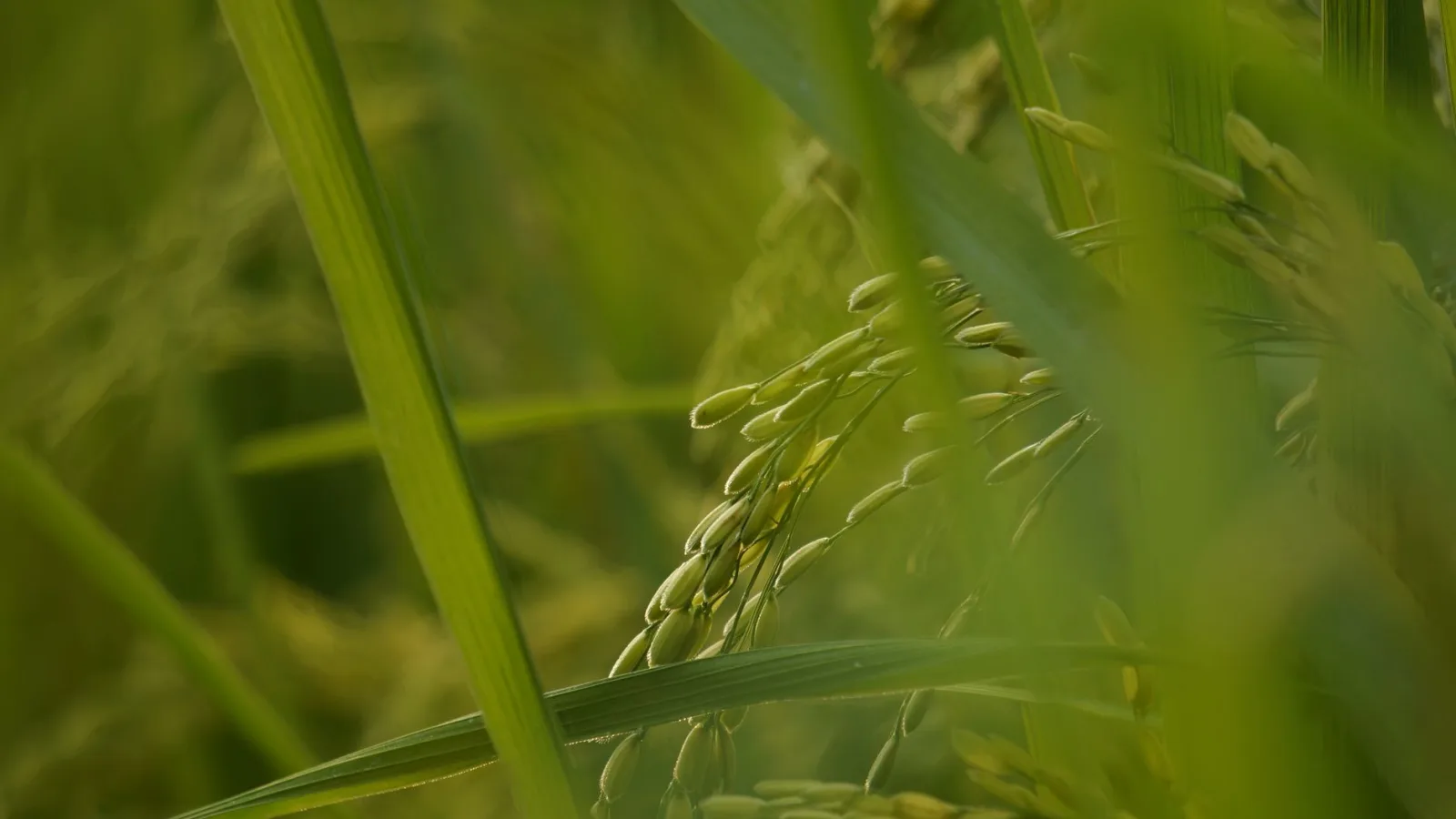
Mid-September in the Northern Hemisphere, and in the big rubber tub you filled with water, the wild rice leaves have grown long and sway in the breeze. Part the base of a clump and you'll find a stalk swollen fat inside its green sheath. Manchurian wild rice (Zizania latifolia) is a tall grass that grows at the water's edge, and from now through October is the season for harvesting those white shoots. The Dongui Bogam, a medical text published in Korea in 1613, has an entry for this plant.
Gogeun (菰根), as the Dongui Bogam Recorded It
The Dongui Bogam lists wild rice in its herb section, the chobu (草部), under the name gogeun (菰根) — wild rice root. It calls the plant very cold in nature (大寒), sweet in taste (甘), and free of toxicity (無毒), with the caveat that one should not eat much of it. It describes the look of the plant too: it grows in water, its leaves resemble sugarcane or silvergrass, and older roots tangle together into thick mats. Each edible part got a name of its own.
- Gochae (菰菜): a mushroom-like growth that sprouts from the clump in summer.
- Gosu (菰首): the pale, tender stalk that rises from the center of a clump more than three years old. This is the white shoot we harvest now.
- Johomi (彫胡米): the grain that ripens in fall, which the text records was cooked and eaten as rice.
This is a record from an old medical text, and it differs from today's medical understanding. You can read the original passage with commentary in the Homiclub Dongui Bogam entry for gogeun.
Why Does Only Some of the Crop Form a White Shoot?
The Dongui Bogam says the white stalk rises from clumps older than three years. Plant pathology and crop science trace it to a fungus instead. When Ustilago esculenta, a species of smut fungus, takes up residence in a clump, the lower portion of each new stalk swells thick and becomes the white shoot.
Researchers have also observed that clumps without the fungus send up flowering stalks and never form a shoot. This is an account of how the tissue forms; it has nothing to do with preventing or treating illness.
What the Nutrition Numbers Share, and Where They Part
Here's how today's nutrition data describes the shoots and the grain.
- Water: so much of it that the shoots are low in calories for their bulk.
- Dietary fiber: gives them a bite much like bamboo shoots.
- Potassium: a mineral common across vegetables, not something unique to wild rice.
- Starch: the main component of johomi, the grain once cooked as rice.
What the old book and the modern table share is the edible part. The white stalk and the grain that the Dongui Bogam records as food are still treated as food today — the stalk as a fibrous vegetable, the grain as a starchy cereal. Where they part is the yardstick for what a food does in the body. The old text reasoned in cold and hot natures; modern nutrition reasons in nutrients and calories. There's no way to convert "cold" into a figure on a nutrition label, so the old record is best read on its own terms.
Growing It in a Tub, Harvesting It in Fall
Because wild rice grows in water, a large watertight container suits it well. In the Northern Hemisphere, lay soil in the tub in April or May, set in your plants, then keep it topped up so the soil stays submerged. Since the shoot forms only in clumps carrying the fungus, start with a division from a clump that has produced shoots before rather than from seed. Flag any clump that sends up a flowering stalk in summer — it may not carry the fungus.
From September to October, start with the clumps whose bases have visibly swollen: cut the stalks, then peel off the outer husk for the white shoot inside.
All that water means a bigger helping adds few calories. Still, in keeping with the Dongui Bogam's caveat, serve it as one side dish alongside the meal rather than eating a great deal at once. Planting and harvest months, plus the cooking methods that suit it, are listed in the Manchurian wild rice crop guide.
Today, go part the base of the wild rice in your tub and see whether a swollen stalk is waiting.
Source: Heo Jun, Dongui Bogam, Tangaek section, Herbs (草部), "Gogeun (菰根)" (citing the Bencao).