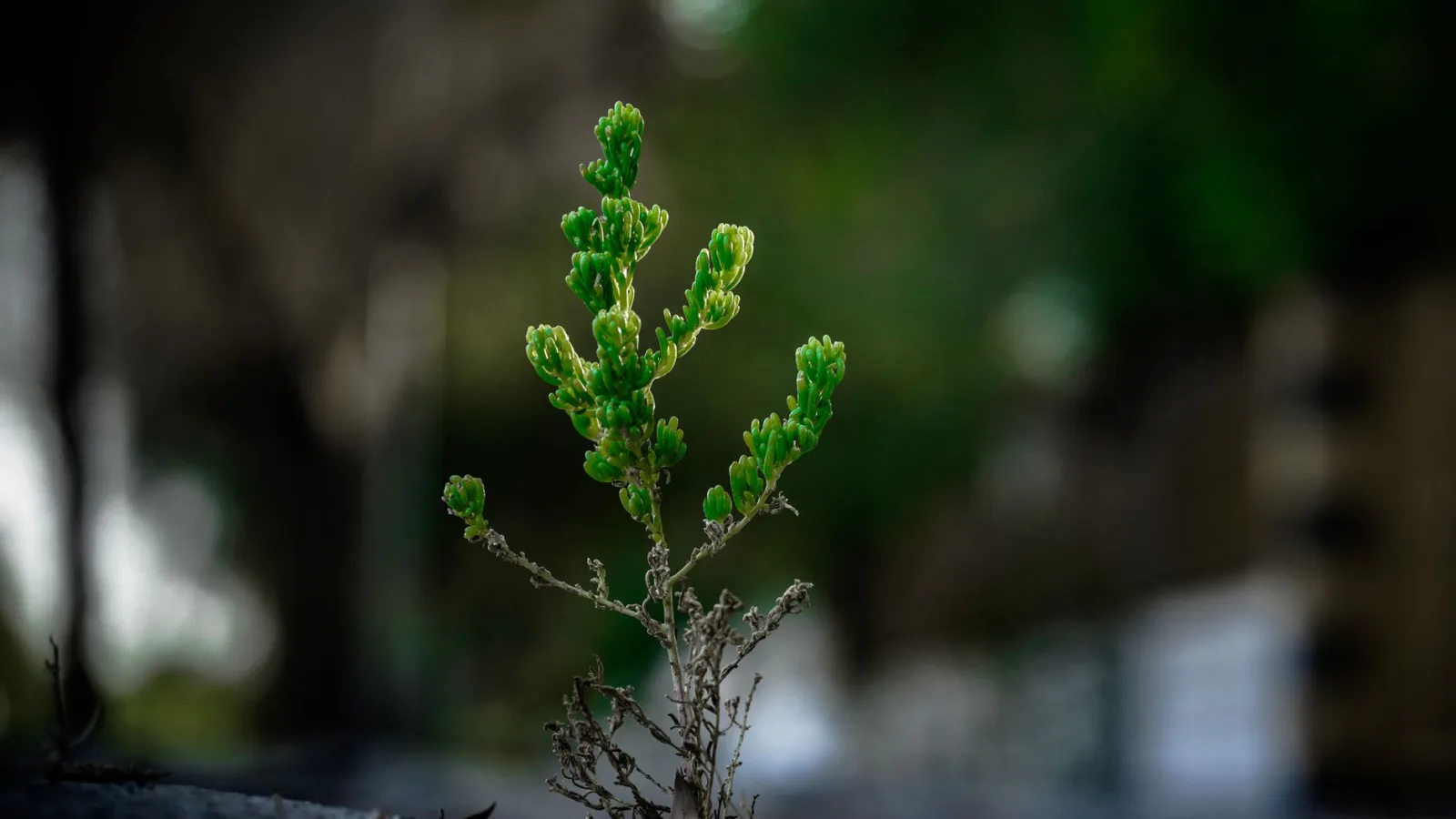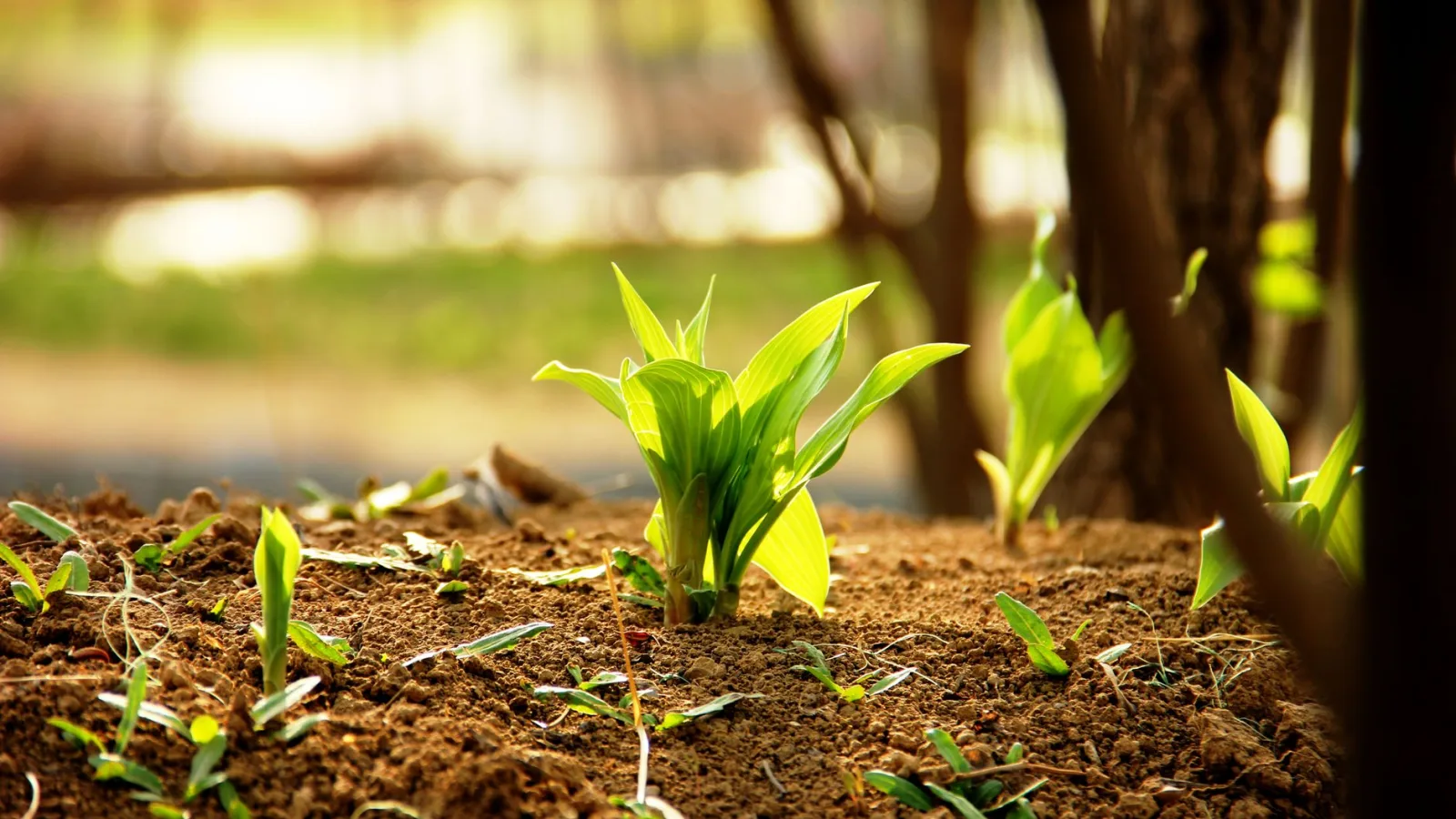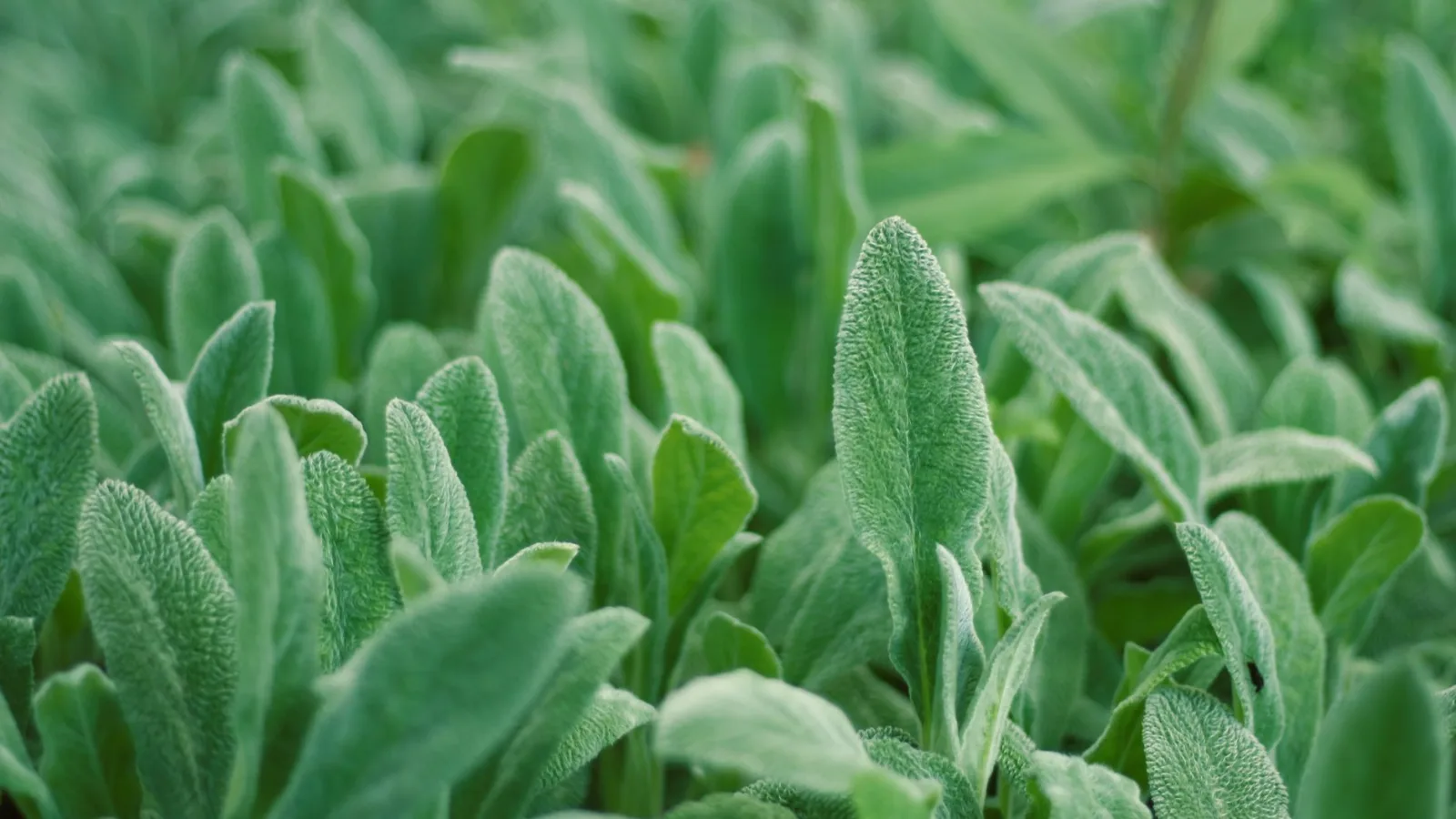
Dig up a licorice plant in October (in the Northern Hemisphere), when the wind turns cold, and you'll find yellowish roots reaching deep into the soil. Licorice is sown from seed in April and harvested in October and November. Snap a dried root and a fine powder puffs up from the break. That is why the Dongui Bogam, an early 17th-century medical compendium from Korea's Joseon era, records that licorice was also called buncho (粉草), or "powder herb." Once harvested, the root rarely works alone. It usually shares a pot with other ingredients. So which ingredients make good partners, and how many slices should you add?
A Sweetness That Arrives Late and Lingers
Licorice gets its sweetness from glycyrrhizin, a glycoside (a compound bonded to a sugar). It is far sweeter than sugar, but it behaves differently. Sugar floods your mouth the moment it hits your tongue, while licorice's sweetness builds slowly and stays. Let that guide what you pair it with. Licorice comes through best next to ingredients with a short or bitter finish, rather than ones that are sweet up front.
Licorice is a plant of dry, sun-baked continental grasslands, and it does best at 15–25°C (59–77°F). China and Uzbekistan are the main producers, Kazakhstan and Afghanistan grow plenty as well, and it grows wild in Mongolia. Its deep roots carry it through drought and through winters around -30°C (-22°F). In waterlogged soil or a long rainy season, though, the roots turn soft and lose their sweetness. That makes it tricky to grow in places with humid summers, like Korea. If you're planting it in your garden, choose a well-drained spot that gets sun for most of the day.
In Europe, the same root is made into black licorice candy. In Korea, where it's called gamcho ("sweet herb"), a few slices go into broths and teas. Several species are sold under the name licorice, among them Chinese licorice (Glycyrrhiza uralensis), European licorice (G. glabra) and G. inflata, and analyses suggest their glycyrrhizin content varies from species to species. So the same amount may taste a little sweeter or milder depending on the product.
The Dongui Bogam lists licorice in its section on herbs (the Chobu) and describes it as neutral in nature, sweet in taste and nontoxic. It also records the nickname gungno (國老), meaning "elder statesman of the nation." Old medical texts don't reflect what we know today, though. For how much to eat or drink, follow the guidance of modern food-safety authorities.
Simmered into Tea with Jujube and Ginger
Jujube, ginger and licorice are the classic trio of Korean herbal tea (hanbang-cha, tea simmered from medicinal herbs). Licorice's slow sweetness comes in on top of ginger's warm spice and jujube's sweetness and draws out the finish. If an unsweetened herbal tea leaves a sweetness that lingers, licorice is probably in it.
- Put the jujubes, ginger and licorice in water together and bring to a boil.
- A couple of slices of licorice is plenty.
- Once it boils, turn down the heat, simmer gently, then strain out the solids.
If you grow your own jujubes and ginger, see our growing guides for both. With all three harvested in the fall, you can brew a whole pot from your own garden.
A Few Slices in the Pot for Pork
When you make suyuk (a whole slab of pork boiled and thinly sliced) or jokbal (pig's trotters braised in a soy-sauce seasoning), a few slices of licorice in the water cut the gamey smell and add some sweetness to the broth. Many home cooks add it along with doenjang (fermented soybean paste), green onions and ginger.
Take the licorice out once the meat is done. If you leave it in, it keeps releasing sweetness and the broth turns too sweet. And if you drink the broth, you also take in the glycyrrhizin that steeped into it.
When Brewing Bitter Roots and Leaves
When you simmer strongly bitter roots or leaves, such as dandelion root, one slice of licorice makes the brew much easier to drink. That is probably because licorice's sweetness stays on the tongue after the bitterness fades.
Adding more won't make it taste better. Start with one slice, taste, and add more a little at a time only if it needs it.
Keep Track of How It Adds Up
Some people who consumed large amounts of glycyrrhizin over long periods have developed raised blood pressure or low blood potassium. That's why food-safety authorities in a number of countries have issued guidance on daily intake. Licorice also turns up in herbal teas and health drinks, and as a sweetener in snacks and candy. You may already be getting some on top of the couple of slices you add at home. Rather than counting cup by cup, keep a rough tally of your combined total over the day.
When you shop, check ingredient lists for licorice, licorice extract or glycyrrhizin. On days when you've had several cups of licorice tea, cut back on snacks that contain licorice. If you're managing your blood pressure, talk to your doctor before you start drinking licorice tea often.
If you're brewing jujube-ginger tea today, add just two slices of licorice. While you're at it, check the ingredient labels on the teas and snacks in your pantry.
Sources: Dongui Bogam, Chobu (herbs section), "Gamcho (甘草)" · Nongsaro, Rural Development Administration of Korea