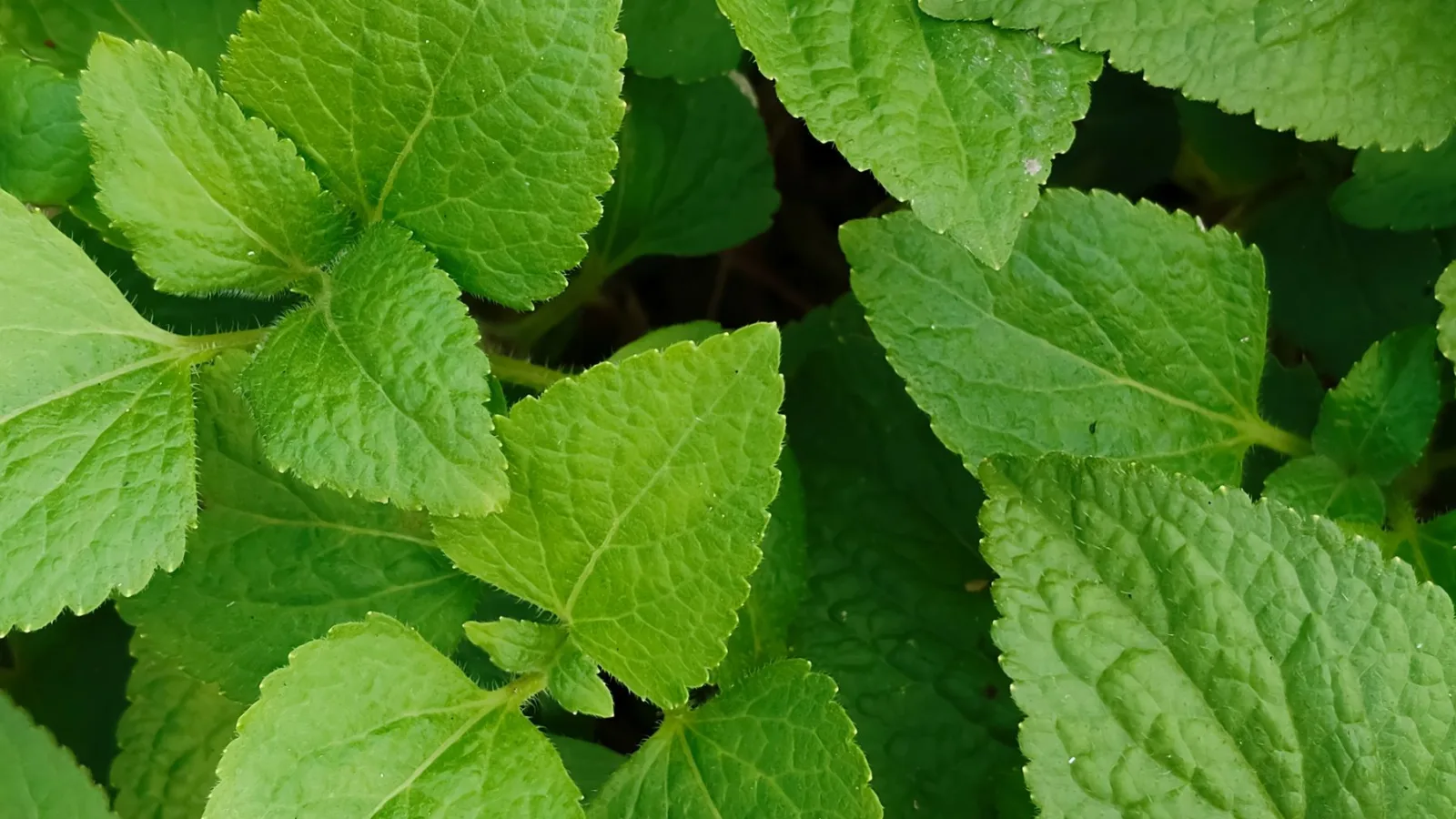
Brush your fingers against a potted spearmint plant and that cool, faintly sweet scent lingers on your skin. But the same spearmint can smell noticeably different — stronger or softer, with a different balance of compounds — depending on where it grew. That's the finding from a study comparing four growing sites in the mountains around Kashan, Iran.
Spearmint: a workhorse herb, from digestion to disinfection
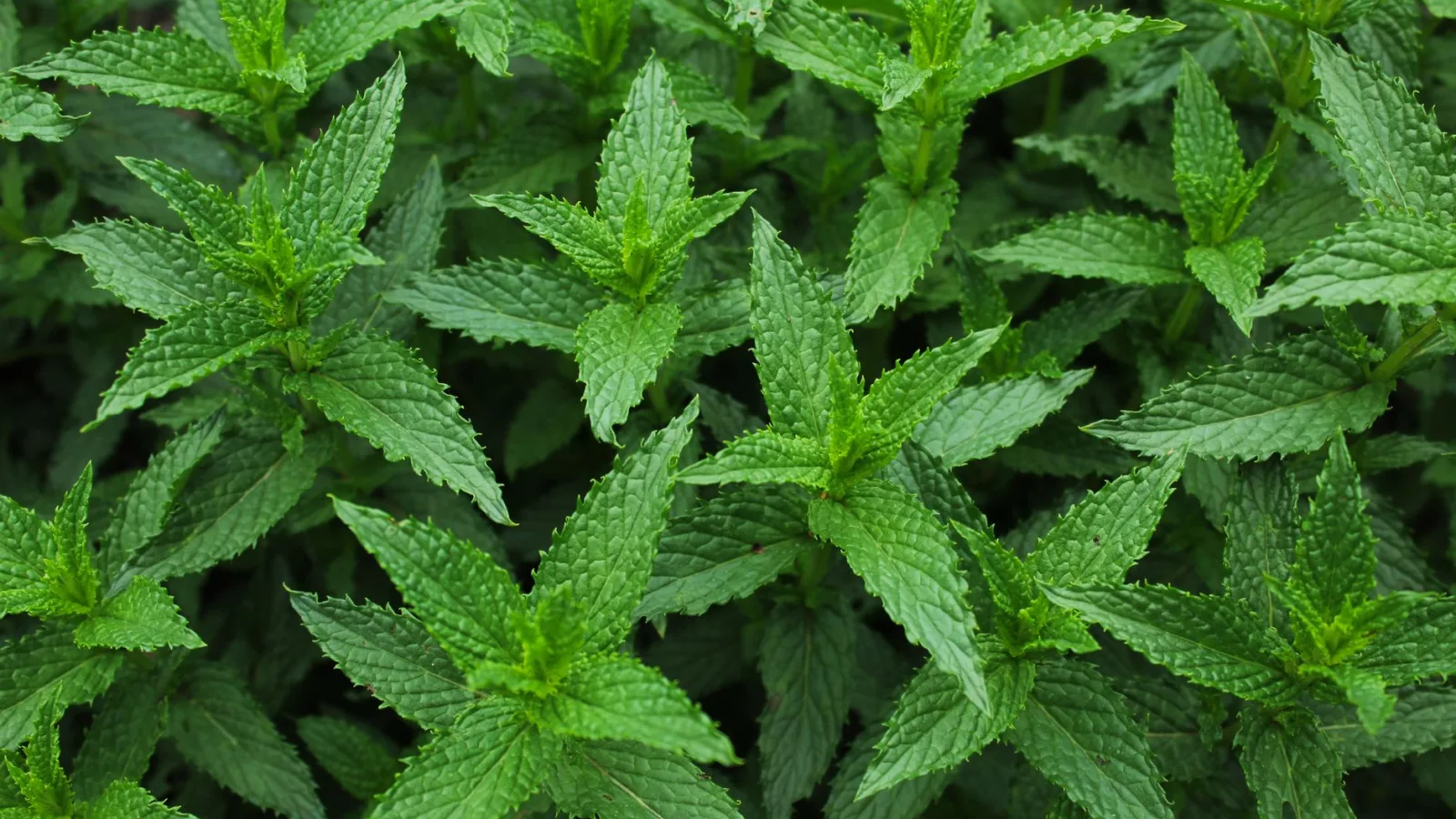
Spearmint (Mentha spicata) is a perennial in the mint family. Across Iran, the Middle East, and Central Asia, it has long been a folk remedy for indigestion and respiratory complaints. Its aroma is gentler than peppermint's, and it turns up as an ingredient in food, cosmetics, and aromatherapy. The leaves go into tea fresh or dried, and researchers continue to study the extracted essential oil as an antibacterial agent.
This study analyzed the essential oil from spearmint grown at four sites in the Kashan region — Barzok, Hosnarood, Kamoo, and Viduj — using gas chromatography–mass spectrometry (GC-MS), then tested each oil against bacteria. Because the sites differed in altitude, soil, and moisture, the researchers could see how growing conditions shape the oil itself.
Lower ground and plenty of moisture mean more oil
Hosnarood — the lowest of the four sites, with the most plant-available water in its soil — gave the highest essential oil yield at 5.04%. Kamoo, the highest and driest site, managed only 1.08%.
The researchers read this as a resource story: when water is plentiful, a plant can afford to put more into making oil. Organic matter, nitrogen, and pH also varied from site to site, and those differences tracked with the yield gap too. Since all three conditions were in play at once, it's hard to pin the result on any single factor.
Carvone, the main compound, shifts with altitude
Carvone is the compound behind spearmint's signature coolness. It was the dominant component at all four sites, but its share of the oil varied. Low-lying Viduj topped the list at 63.98%, followed by Hosnarood at 54.45%, Kamoo at 47.01%, and Barzok at 46.85%. The general trend: the higher the site, the lower the carvone.
The antibacterial tests varied by site as well. Barzok's oil was the most effective against Bacillus subtilis, producing a 12mm zone of inhibition, while Kamoo's oil produced a 9.5mm zone against Escherichia coli. Both held up impressively even against the antibiotic rifampin. That said, these were lab-dish results — a long way from anything you'd use as a treatment.
Growing fragrant spearmint in your own garden
Plant the same spearmint seed in different soil and you'll get a different balance of oil compounds, shaped by how well that soil holds water and how good it is overall. If you want the fullest aroma, aim for a mix that drains but stays moist — blending 20 to 30% leaf mold or compost into your soil will help it hold water longer.
Timing your harvest matters too. Under strong midday sun, leaves dry out fast and their aromatic compounds escape with the heat, so picking in the early morning gives you a more intense scent. Planting spearmint today? Work a handful of compost into the potting soil before you do.
Source: Study on Mentha spicata L. essential oil and growing conditions, BMC Plant Biology, 2026