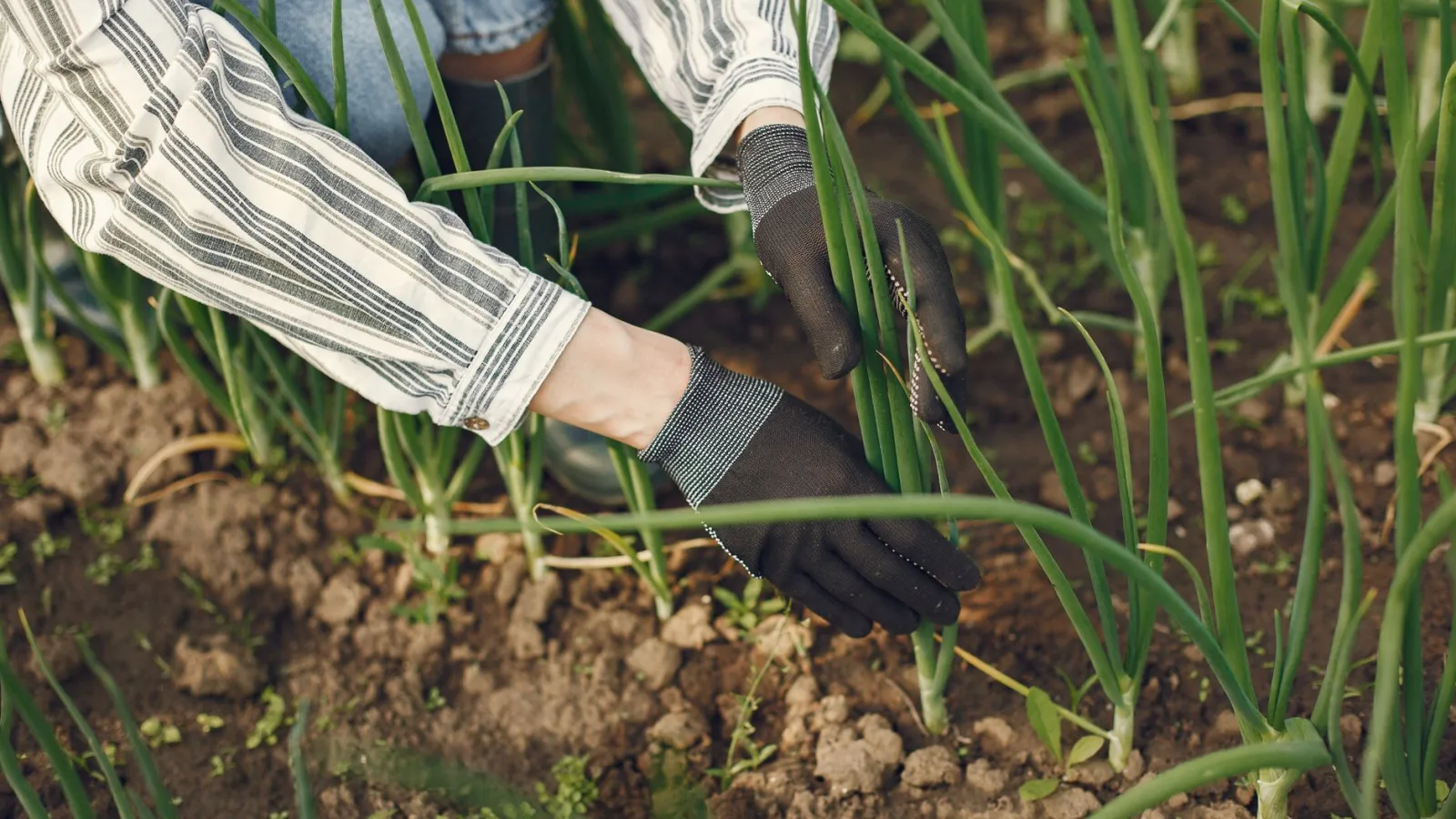
The spot where the potatoes and onions came out is still bare. Under the midsummer sun, the exposed soil dries until the surface cracks; grab a handful and it crumbles apart. Leaving a bed empty for a month or two while you decide what goes in next is a common thing in a home garden. All the while, the organic matter still in the soil keeps breaking down, and nothing new comes in.
How we use land matters more than you'd think. By some calculations, close to 20 percent of global greenhouse gas emissions come out of the process of changing how land is used. Which is why a recent study looked at how much carbon soil holds onto — and in particular, how it persists in the deeper layers.
Soil doesn't end at the depth of a spade
In a garden, the soil you actually reach is usually about one spade deep. A study conducted in the subtropical Terai region of northeastern India sampled soil from the surface down to two meters, divided into seven intervals. The deeper the sampling went, the higher the pH climbed, shifting toward alkaline. Bulk density — a measure of how compacted the soil is — increased, while silt and clay fractions generally decreased.
The nature of the carbon differed by layer too. The surface held plenty of carbon that microbes break down quickly; farther down, the share of carbon that resists decomposition grew. Carbon that settles deep, in other words, stays put that much longer.
Fields that never rested held more carbon
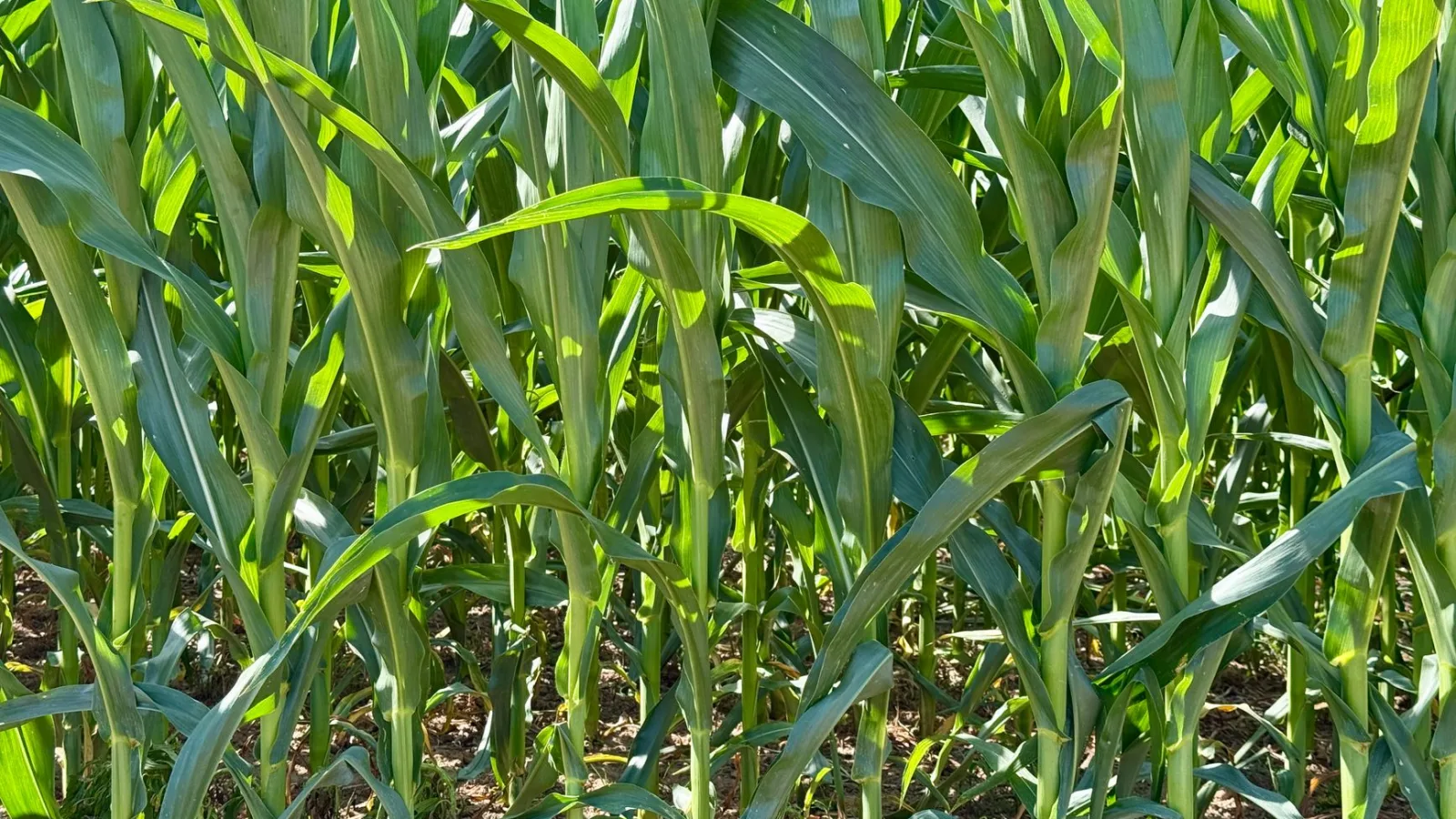
The study compared five land uses: forest growing sal and sissoo; fallow land left out of cultivation; fields planted with rice alone; fields rotating rice and jute; and fields running rice, potato, and jute back to back for three harvests in a single year.
Totaled to two meters, organic carbon was highest in the forest at 126.3 tons per hectare, with fallow land next. Among cultivated land alone, the three-harvest fields held 89.1 tons and the rice-only fields 56.4 tons. Same farmland, and the gap was more than 1.5-fold.
When crops go in often, roots keep pushing through the soil, and the fine roots and leaves left behind after harvest enter as organic matter. A field planted just once, by contrast, spends the rest of the year as bare ground. Nothing new comes in, and the surface layer dries out and washes away.
Something to try in that empty bed today
- Put a fast-growing crop in the space you've left open — yeolmu (young summer radish), perilla, or buckwheat. Sow by early August and you'll harvest before fall.
- If you're not planning to harvest anything, scatter a green-manure cover crop like rye or hairy vetch and turn it under next spring.
- When a crop is finished, cut it off at the base instead of pulling it up by the roots. The fine roots break down right where they are.
- Cover the surface with straw, dried grass, or fallen leaves. It cuts down on how much the soil cracks and dries.
This was one study in one region, so it doesn't transfer directly to your own garden. But the direction it points is clear enough: the longer roots stay in the soil, the longer the carbon stays too. This evening, pick one empty bed and start with a handful of yeolmu seed.
Source · Study on land use and deep soil organic carbon distribution in the subtropical Terai region of India, Environmental Monitoring and Assessment, 2026