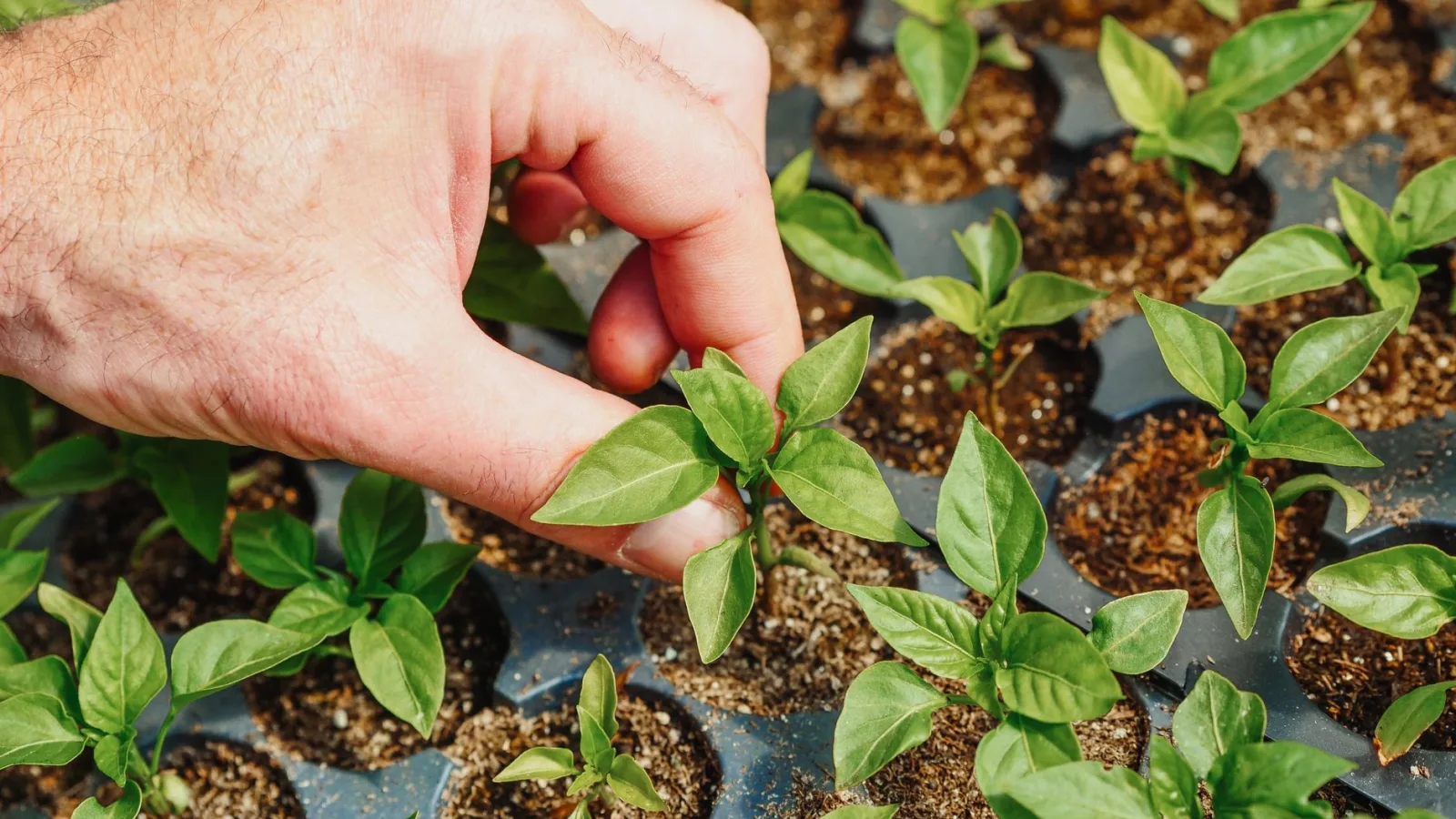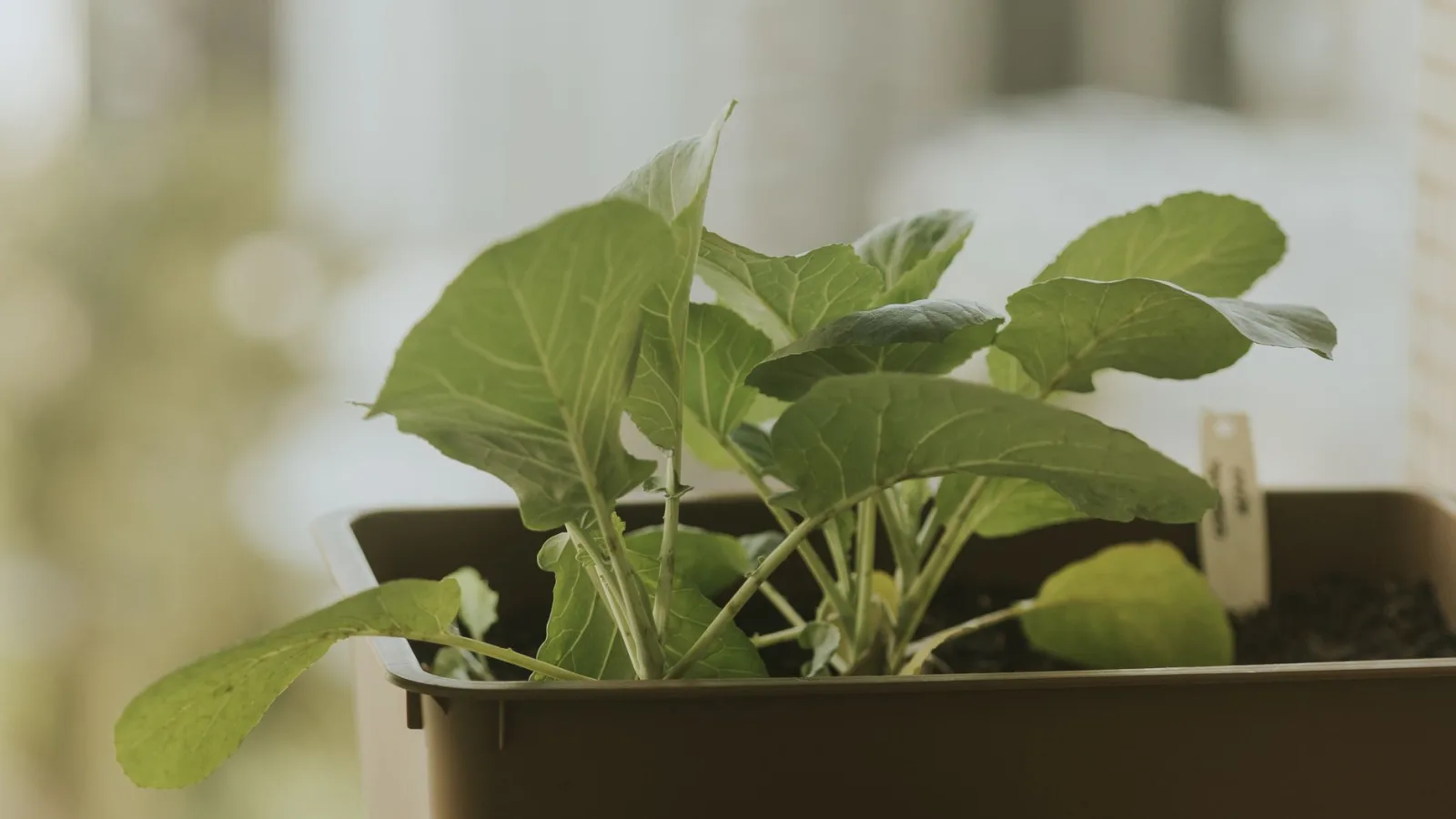
In the Northern Hemisphere, August and September are when Chinese onion sets go into the soil. Plant them in a pot now and they'll overwinter, ready to be lifted as plump white bulbs the following June or July. In between, they ask almost nothing of you, and they do just fine on a balcony. If you turned last early summer's harvest into rakkyo — the bulbs salted first, then steeped in vinegar and sugar — your jar is probably running low by now. But some people find that after an evening of nibbling a few tangy bulbs, the lower belly swells and the gas builds, and they go looking for answers about Chinese onion. The place to start is the fiber inside it.
Most of the fiber in Chinese onion is fructan
Chinese onion (Allium chinense) is a perennial vegetable with grassy, chive-like leaves above a thick white bulb. It's widely grown in China, Japan, and Korea. The fiber in that bulb is mostly fructan. Fructan is a soluble fiber made of fructose units strung together, and human digestive enzymes don't break it down well. So it travels past the stomach and small intestine all the way to the colon.
The colon is home to bacteria that ferment these sugars. Fermentation produces gas, and gas pooling in the gut is what registers as a bloated belly. That heavy, full feeling after a few pickled bulbs can be traced to this process. The sharp aroma that rises when you slice a Chinese onion comes from its sulfur compounds; the faint bitterness on the finish comes from saponins. Both can irritate the stomach if you eat a lot of them on an empty one.
Is it heartburn, or is it bloating?
"Chinese onion doesn't agree with me" covers two rather different complaints. If you've eaten several bulbs on an empty stomach and feel a burning up high, the sulfur compounds and saponins may be irritating your stomach lining. This is the person who loves the tang so much they grab a handful before a meal. If you had only a few bulbs alongside a full meal and still feel your lower belly distend, with frequent gas, fructan fermenting in the colon is the more likely explanation.
Lower-belly symptoms vary enormously from person to person. Someone with irritable bowel symptoms may bloat on a very small amount of fructan. Two or three bulbs from the same jar can be a pleasant palate cleanser for one person and an evening of discomfort for another. Which is why the right serving is better set by your own body's response than by anyone else's experience.
How far should we read gut-bacteria studies and old texts?
Hearing only that fructan causes bloating might make you want to skip Chinese onion altogether. Yet test-tube and animal studies have also reported that the fructan in Chinese onion serves as fermentation fuel for gut bacteria. The gas in your belly comes from bacteria fermenting those same sugars, so the two accounts describe one process, not two. That said, these are results from test tubes and animals — they don't establish that the same thing happens when a person eats a few pickled bulbs. The same caution applies to research showing that saponins extracted from Chinese onion had antioxidant activity in a test tube. That's an isolated compound under laboratory conditions, which is a different matter from eating the vegetable pickled or in soup.
Dongui Bogam, the Korean medical compendium compiled by Heo Jun during the Joseon dynasty, lists Chinese onion in its materia medica chapter, under vegetables, as haechae (薤菜). It describes the plant as warm in nature, pungent and bitter in taste, and non-toxic, and it preserves a note on the name: among vegetables it was considered the equal of lingzhi, the mushroom used in medicine, and so was called chaeji (菜芝), the "vegetable lingzhi." This is a historical medical text, and it should be read as distinct from modern medical judgment.
Work your way up slowly
Start with one bulb per meal. Avoid an empty stomach; eat it with rice or alongside other dishes. Set it next to something rich — Japanese curry, or anything fried — and the vinegar's brightness and the crisp bite cut through the heaviness. Jot down a quick note on how your stomach feels that evening and the next morning, and you'll learn the number of bulbs at which discomfort starts.
If one bulb causes no trouble, wait a few days and add another. Three or four per meal is a reasonable ceiling. If even two bring on gas, stop at one. If you're pickling your own rakkyo, start the day you harvest. Salt the bulbs first and draw off the water, then steep them in vinegar and sugar — that's what keeps them crisp rather than soft. For planting and harvest months, plus foods that pair well, see the Chinese onion entry in the Homiclub crop guide.
If you're opening the rakkyo jar today, have just one bulb with your rice — and write a single line tomorrow morning about how your stomach feels.