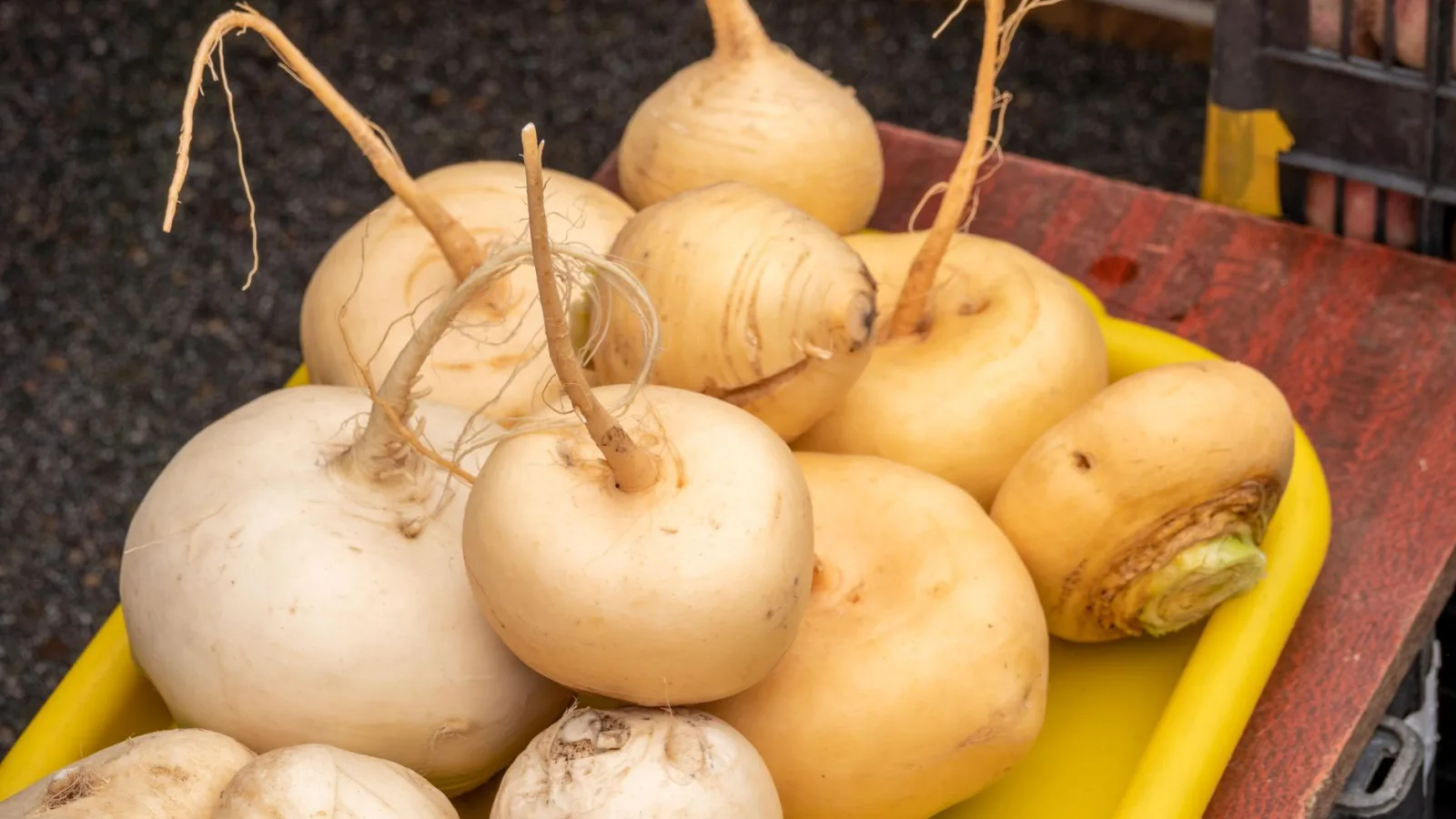
The Turnip in the Corner of the Garden
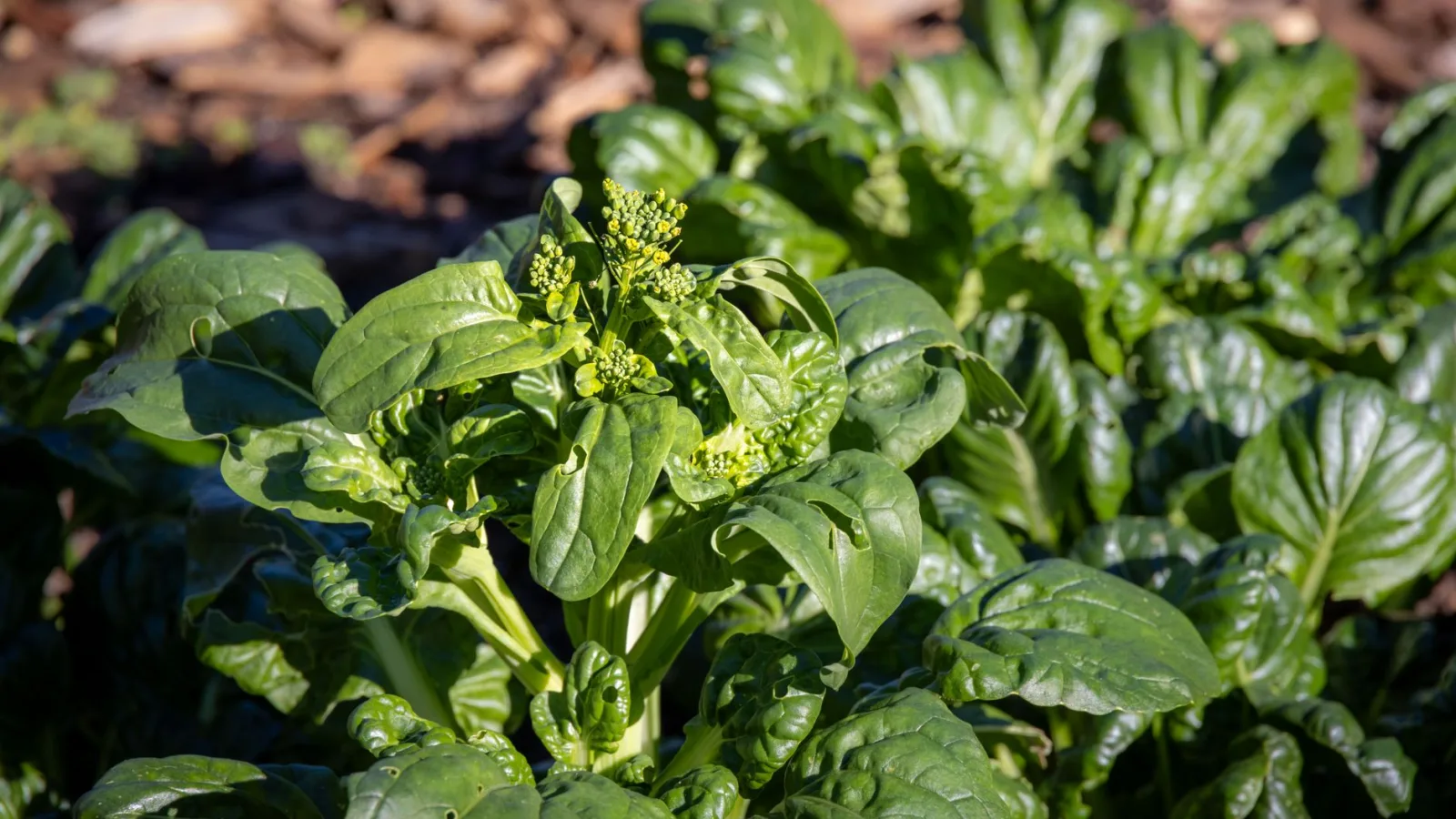
Homi, have you ever pulled a turnip from the corner of your garden on a cool autumn day? Shake off the soil and a plump white root appears, with greens still standing bright above it — there isn't a part of this plant you'd throw away. In spring you can pick the young shoots, in summer the leaves, and in autumn the stems and the root, one after another. Few vegetables ask so little of a gardener and give back so much.
Turnips make a crisp, refreshing kimchi, and dropped into soup they lend the same faintly sweet broth a daikon would. Sliced thin and eaten raw, they have a lovely snap. On Ganghwa Island, where turnips are something of a local specialty, they go into dongchimi (a clear water kimchi) and kkakdugi (cubed radish kimchi) to be eaten straight through the winter. They resemble the Korean radish but taste noticeably sweeter, and the flesh is firm enough that it doesn't collapse when cooked — one more point in their favor for the kitchen gardener. Today let's follow the record in the Dongui Bogam, Korea's great 17th-century medical canon, and see how the old physicians regarded this common root that turns up so often on our tables.
What the Dongui Bogam Recorded
The Dongui Bogam calls the turnip mancheong (蔓菁) and describes it as sweet and bitter in flavor, warm in nature, and free of toxicity (性溫, 味甘, 無毒). In other words, it was classed among the warming vegetables.
Its chief uses were to open the stomach and move food downward (消食下氣) and to benefit the five viscera (主利五藏) — the idea being that it helps what you eat settle and keeps the belly comfortable. To this the text adds that turnips were used to treat jaundice (療黃疸) and to counter the effects of drink. The phrase "lightens the body and boosts one's energy" (輕身益氣) appears alongside these.
The canon took particular note of how the turnip grows in all four seasons. You eat the shoots in spring, the leaves in summer, the stems in autumn, and the root in winter; the root, it says, overwinters underground without withering and sends up new growth again come spring. It was called a vegetable worth keeping against a lean year, and the most beneficial of all vegetables — one that, eaten regularly, makes a person stout and strong (常食之, 令人肥健). The text goes so far as to say that among all vegetables it does good and no harm, and is the best suited to long-term eating (有益無損, 最宜長服). You can guess from that how highly the old physicians thought of it.
The seed, called mancheongja (蔓菁子), gets its own entry. It was held to be warm in nature, to move energy downward and brighten the eyes (下氣明目), to treat jaundice, and to promote urination; the text also gives a method for steaming the seeds, drying them in the sun, and taking them over a long period. The turnip, then, was a plant used from root to seed.
Alongside Today's Nutrition Science
The turnip is a brassica, in the same family as the Korean radish and mustard greens. Vegetables in this group contain compounds called glucosinolates, which come up often in discussions of antioxidants and detoxification. The human clinical evidence is still limited, though, so it's hard to claim any specific benefit with confidence.
When the Dongui Bogam says the turnip opens the stomach and moves food downward, that isn't so far from the everyday wisdom that a meal goes down easier with vegetables alongside it. The note about countering drink is best taken as a window onto how people once used turnips — a traditional perspective rather than a claim. The same goes for the record that the seeds brighten the eyes: read it less as a stated benefit and more as a glimpse of an old household practice, in which mancheongja was set aside and kept as a medicine. Rather than expecting the old records and modern nutrition to say the same thing, it's fair to think of them as two different languages describing the same vegetable.
From the Garden to the Table
Homi, part of the pleasure of turnips is that what you harvest depends on when you harvest. Blanch the young leaves and dress them as namul, turn the stems into kimchi or jangajji (soy-brined pickles), and put the root into soup or serve it raw as a crisp salad. Since the Dongui Bogam considered it a warming vegetable, adding it to a brothy dish in the cold months makes for a bowl that warms you from the inside.
That said, no vegetable is so beneficial that you should eat it to the exclusion of others — variety serves you better. And if you take medication regularly or have particular health concerns, please talk with a professional rather than trying to set something right through diet alone. This is the season when a single turnip pulled fresh from the garden can anchor a whole table. I hope turnips find their way onto yours often, Homi.