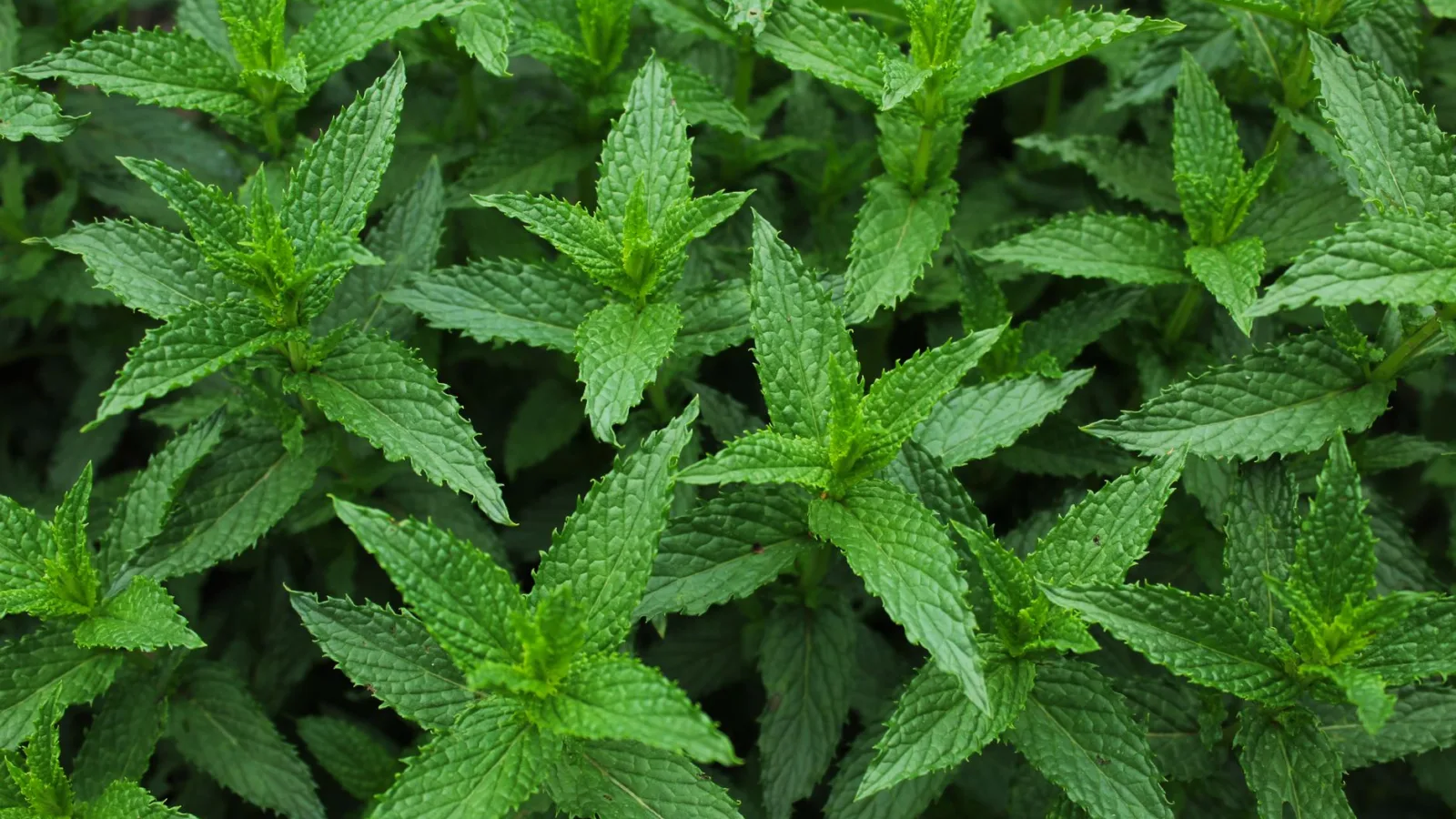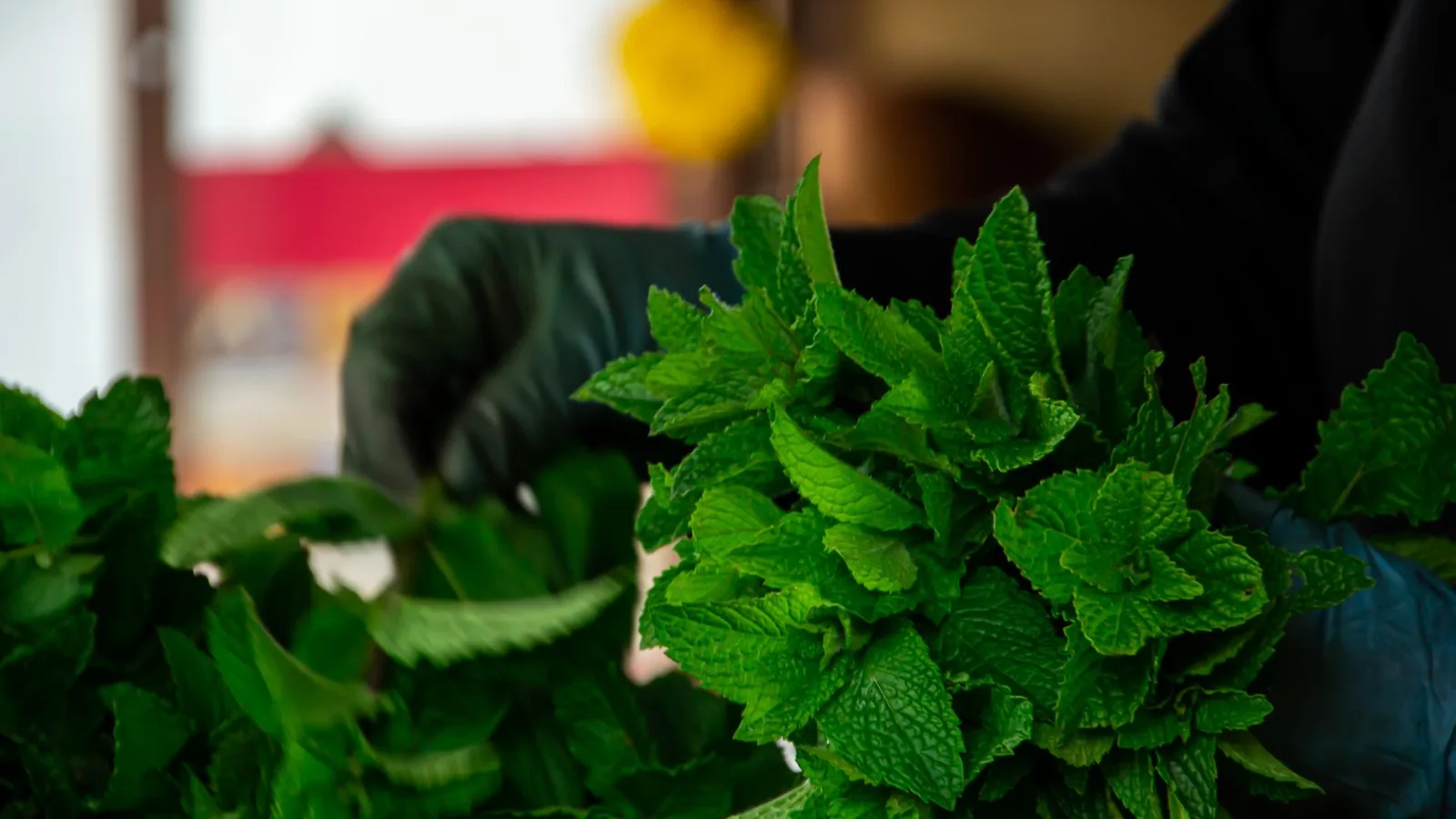
Down by the water's edge in the garden, where the soil never quite dries out, a clump of mint has grown lush and full. Water mint (Mentha aquatica) lives up to its name: it thrives in damp ground like this and puts out plenty of leaves. Pick a few on a summer evening, drop them into hot water, and the fragrance rises almost at once. But the fact that the aroma has come through doesn't mean everything good in the leaf has come with it.
What's Inside a Water Mint Leaf
Water mint leaves contain a good range of polyphenols and flavonoids. The main ones are quercetin, ferulic acid derivatives, and diosmetin derivatives. These compounds are known to slow the rate of oxidation in the body, and some have been reported to help keep unwanted microbes in check.
Quercetin and the diosmetin derivatives are thought to do most of the work, both as antioxidants and as antimicrobials. How much of them actually leaves the leaf, though, depends a great deal on what you steep it in.
Water Alone Only Gets You Halfway
In one study of water mint grown in Morocco, researchers steeped the leaves in three different solvents (water, 70% ethanol, and acetone) and compared the results. The water-and-ethanol blend produced the richest extract. It yielded about 62 mg of polyphenols per gram of dried leaf, nearly three times the roughly 22 mg from water alone. Flavonoids followed the same pattern.
In tests measuring how well each extract slowed oxidation, the water-ethanol extract again came out strongest. In other words, hot water on its own is plenty for fragrance, but the polyphenols in the leaf come out more readily when there's a little alcohol in the mix.
As a Tea, and as a Tincture
For everyday use, it helps to divide the job in two. When you want fragrance and a clean, refreshing lift, steep the leaves in hot water for about 5 minutes and drink it as a tea. When you want to capture more of those beneficial compounds, soak the leaves in a fairly strong spirit for a few days. Then stir a small splash into water to freshen your mouth after a meal, or use it as a flavoring.
Keep in mind that water mint's antioxidant and antimicrobial properties can support prevention and everyday health care, and that's all. They are no substitute for medical treatment. When you cook with the leaves, add them at the very end, over a salad or into a cold drink, so heat doesn't drive off the aroma.
This evening, head down to the water's edge and pick a handful of water mint. Brew half as tea and steep the other half in a small jar of spirits, and the same leaves will give you two different uses.