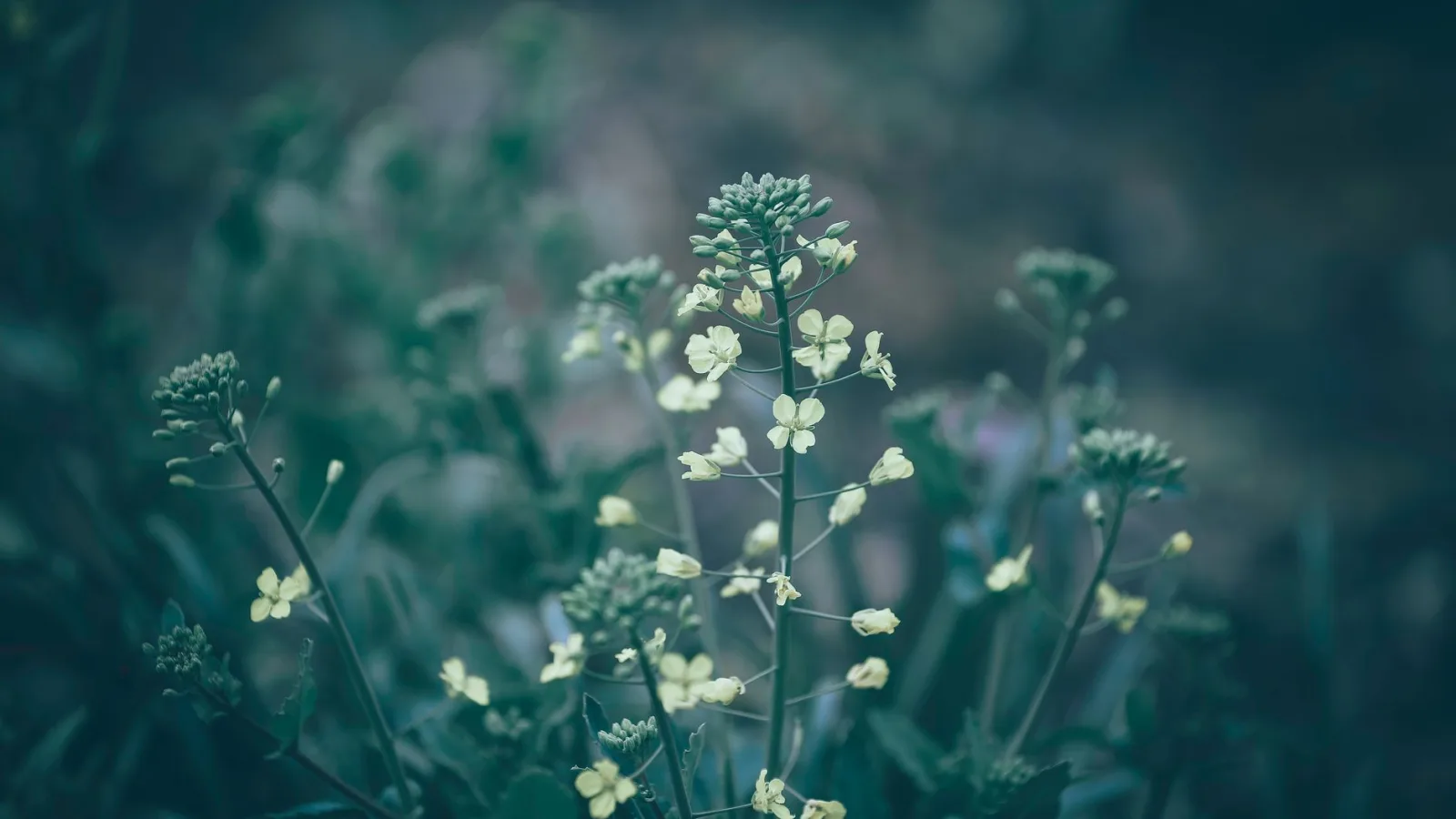
Spring, Found Just Under the Soil
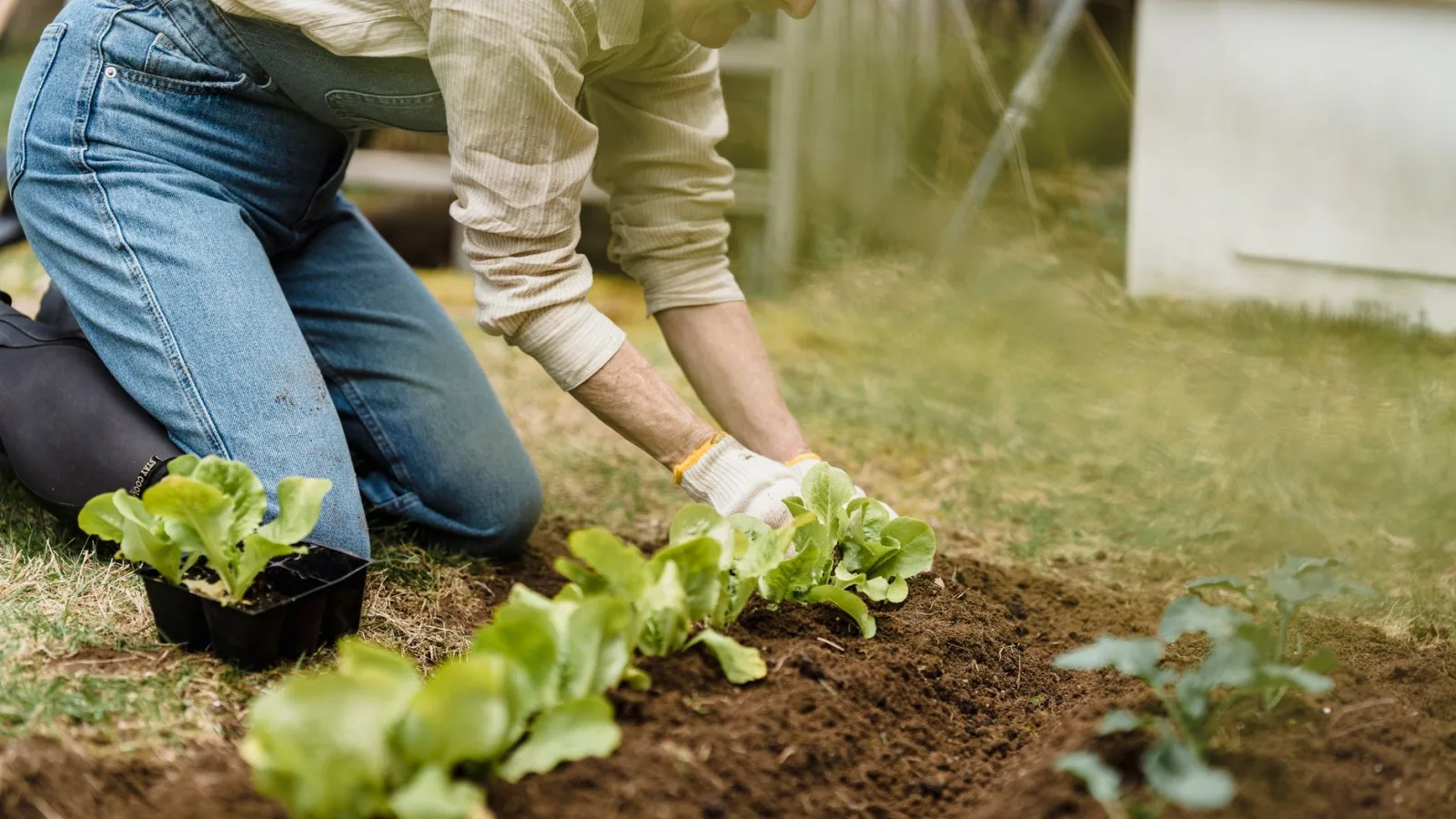
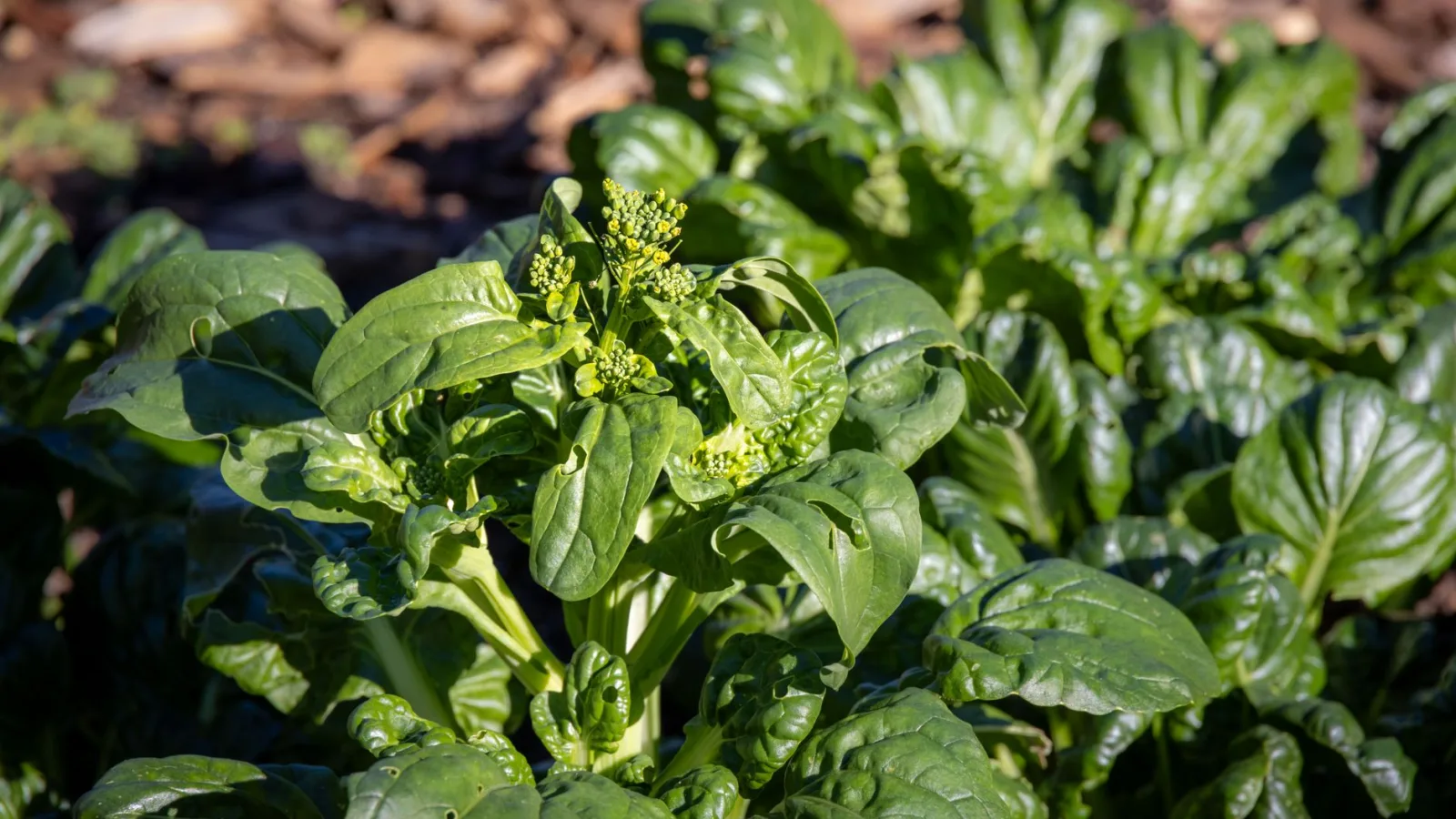
Homi, when the garden soil that froze all winter finally begins to loosen, the first thing to poke its head up is shepherd's purse. It grows anywhere — along the edges of fields, in ground left fallow — and it survives the cold without dying back. The Dongui Bogam, Korea's classic 17th-century medical text, noted that it grows in open country and lives through winter, so it seems the old physicians had their eye on this plant's stubborn vitality too. Work the tip of your hoe gently under it and lift the whole root out, and a sharp, nutty fragrance stays on your fingers. Simmer a handful into a bowl of doenjang soup — Korean fermented soybean paste — and spring arrives at the table ahead of schedule.
For all how commonly it turns up, our ancestors didn't leave shepherd's purse in the category of "spring greens" and stop there. The Dongui Bogam records it clearly as a medicinal plant. Today, with a handful of it fresh from the garden in front of us, let's look at how that book saw this small, tenacious weed.
What the Dongui Bogam Recorded
The Dongui Bogam treats shepherd's purse under the name jechae (薺菜). Its nature is warm (性溫), its flavor sweet (味甘), and it carries no toxicity (無毒). We tend to associate spring greens with a bracing bitterness, so it's striking that the text places shepherd's purse on the sweet side of the palate.
As for its uses: it benefits the energy of the liver (利肝氣), settles and harmonizes the middle of the body (和中), and benefits the five viscera (利五藏). Cooked into a porridge in particular, the text says, it draws the blood back to the liver and brightens the eyes (明目). Binding the liver and the eyes together in a single thought is very much the Dongui Bogam's way of seeing.
And it isn't only the leaves and stems that were used. The book breaks the plant down part by part. The seed (薺菜子), also called seongmyeongja (菥蓂子), was said to supplement what is deficient in the five viscera, brighten the eyes, and ease eye pain — taken over a long period, the text adds, it makes things appear sharp and distinct. The root (根) was used for aching eyes, and the stems and leaves (莖葉) were burned to ash before use. A single plant, in other words, was read as several different remedies. The book also offers a curious note: in autumn, shepherd's purse holds the yang within the yin and sends up new growth again — an old attempt to explain how this plant endures the cold.
Set Beside Modern Nutrition
Put the Dongui Bogam's view — a vegetable that brightens the eyes and fortifies the body — next to what we know about nutrition today, and there are points where the two meet. Shepherd's purse is known as a spring vegetable generous in vitamin A and vitamin C, with minerals such as iron and calcium in the mix as well.
Vitamin A is closely tied to eye health, which overlaps neatly with that old notation of myeongmok (明目) — brightening the eyes. And the iron and calcium sit comfortably alongside the traditional sense of this as a restorative green, something to steady a body worn thin by winter.
None of which means we can claim shepherd's purse cures anything. The Dongui Bogam's entries belong to traditional medicine, and modern nutrition describes vegetables in an entirely different language. But when a book written centuries ago and today's nutritional understanding happen to point the same direction, the handful of greens you dig up in spring feels that much more companionable.
From the Garden to the Table
Freshly dug shepherd's purse carries a lot of soil, so rinse it several times under running water, working between the roots. Just as the Dongui Bogam described cooking it into a porridge, it takes beautifully to being simmered with rice. It's also at home in a doenjang soup, or blanched briefly and dressed as a seasoned side dish — either way the spring fragrance comes through. Since you eat this one root and all, there's no need to trim away too many of the fine rootlets when you clean it.
One note on eating it. Shepherd's purse has a strong aroma and a strong flavor, so a moderate portion at a meal is the way to enjoy it. If it doesn't agree with you, or if you're taking medication, treat it as food and keep it light, as you would anything else. The Dongui Bogam's entries are a guide to how people once understood this plant — not a prescription promising a cure.
Spring is short, and so is the window when shepherd's purse comes up. If it appears in your garden, Homi, dig up a handful and let spring reach your table first.