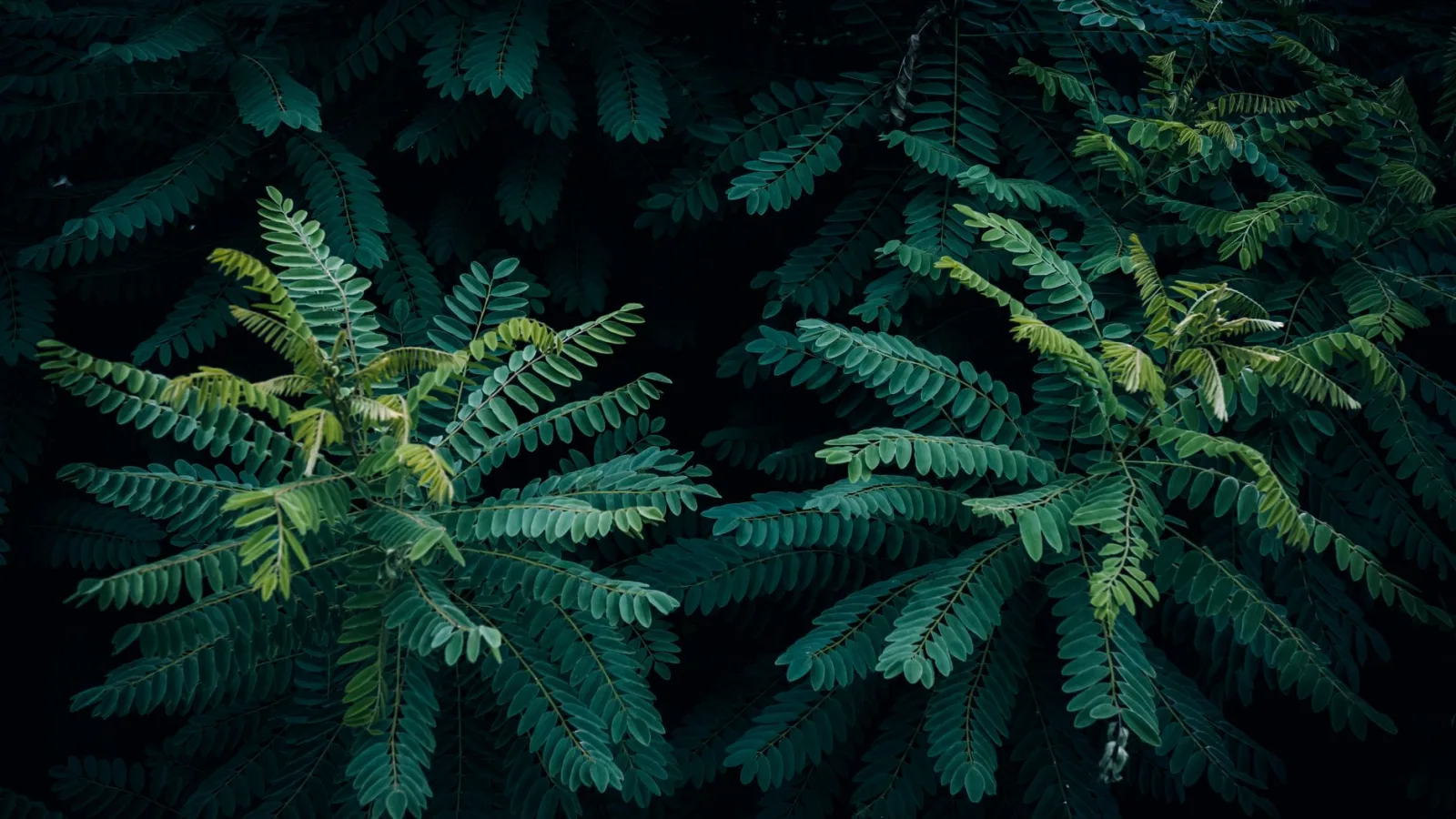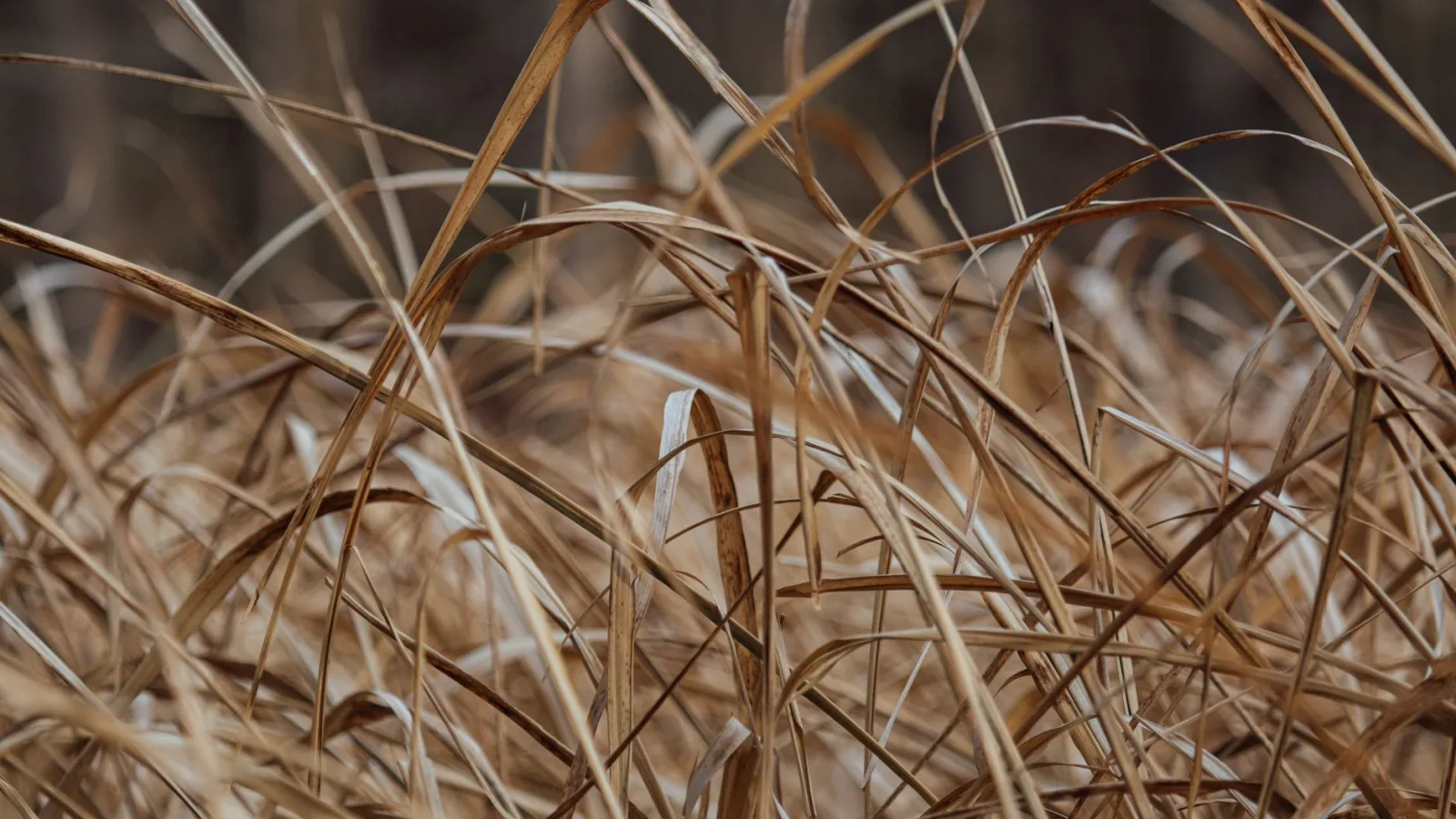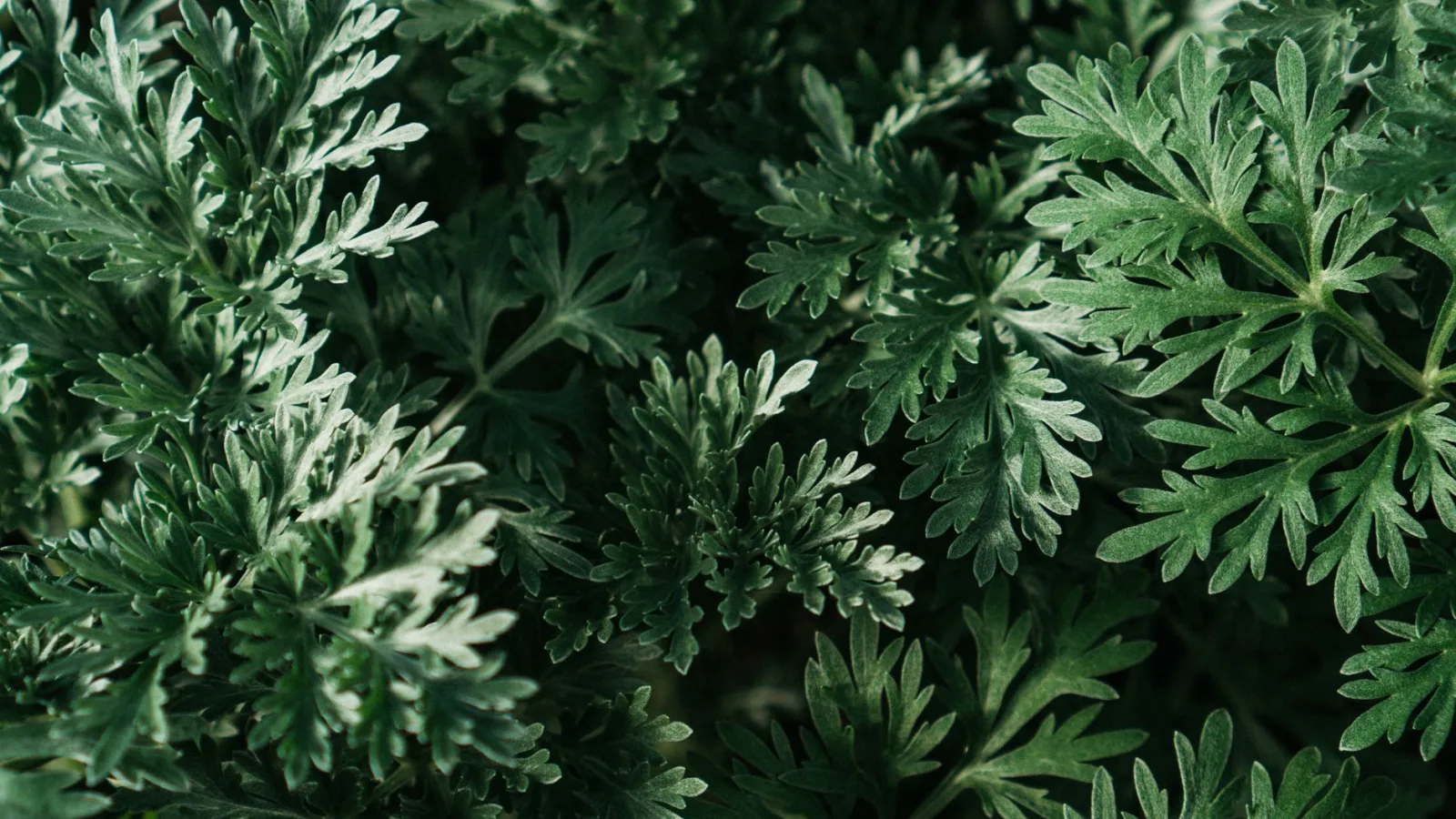
After the second frost, the leaves of Gmelin's wormwood turn yellow-brown and crumble at a touch. The stems, though, stay standing. The lower stem hardens and carries the plant through winter, and the following spring new shoots push up from the base of that old stalk. Few plants in the mugwort family overwinter on their stems this way, so in a late-autumn garden that one upright stalk is all you need to pick it out. And if you cut a bundle in summer and hung it to dry in the shade, this is the right moment to bring it out and brew it into tea.
Injinho: The Plant as Heo Jun Recorded It
The herb section of the Donguibogam, published in 1613, lists this plant as injinho (茵蔯蒿) and gives its Korean name as deowijigi. It describes the plant's nature as slightly cold, adding that some call it cool, and its taste as bitter and pungent and free of toxicity, while also noting the view that it is slightly toxic. Two differing opinions sit side by side within a single entry. In appearance, the text says, it resembles mugwort but with denser, finer leaves and no flowers or fruit, and it grows everywhere. The entry also explains the name. Because the leaves wither after autumn but the stem does not die in winter, and new growth comes again from the old shoot, the plant is called injinho. For harvesting, it instructs cutting stems and leaves in the fifth and seventh lunar months, drying them in the shade without exposing them to fire, then removing roots and soil and chopping the herb finely for use. This is a 17th-century medical text, and its statements on the plant's nature and toxicity do not match today's medical judgment. The original text and a gloss are available in our Donguibogam injinho entry.
Where Modern Botany Agrees, and Where It Doesn't
Start with the overlap. Botanists treat Gmelin's wormwood (Artemisia gmelinii) as a subshrub whose lower stems harden and survive the winter, which matches the undying stem Heo Jun described. It grows widely across the dry uplands of Korea, China, Mongolia, and Siberia, which squares with "grows everywhere." The bitter taste and sharp aroma are unchanged as well. Our crop guide attributes the scent to essential oils and the bitterness and color to flavonoids. The disagreement is over flowers. Gmelin's wormwood produces dense clusters of tiny blooms in late summer, so the claim that it bears no flowers or fruit reads as a record that simply missed flowers easy to overlook.
When it comes to chemistry, a naming problem gets in the way. Korean herb-trade records show two species sold under the name injin mugwort: Gmelin's wormwood and capillary wormwood (Artemisia capillaris). The Korean Pharmacopoeia names capillary wormwood as the source plant for injinho. And in the analysis our crop guide cites, the material from which scoparone, a coumarin compound, was isolated was also capillary wormwood. The guide has no separate compound figures for Gmelin's wormwood, so the capillary wormwood analysis must not be read as if it applied to Gmelin's wormwood. That two species share one market name is an accident of trade, and no source ranks one above the other. The one you grow in a garden is the stem-overwintering Gmelin's wormwood, and on that point Heo Jun's record and today's plant describe the same herb.
Sow in Spring, Cut in Summer, Leave the Stems Alone
Sow seed in March or April in the Northern Hemisphere. Gmelin's wormwood is a plant of sunny slopes and dry, well-drained ground, so give it a spot with long hours of sun and steer clear of any place where water pools. Harvest before flowering, in June and July, when the stems and leaves are at their most tender. Heo Jun's fifth and seventh lunar months fall, on today's calendar, somewhere between this window and midsummer. Tie the cut stems into bundles and hang them in an airy, shaded place to dry, away from heat and direct sunlight. That is the same practice as the entry's instruction not to expose the herb to fire. When the leaves wither in autumn, do not cut the stems. Leave them where they stand. Next spring new shoots will rise from beneath the old stalks, and once the plant is established you can harvest from the same spot for several years. The sowing calendar and compound table are in our Gmelin's wormwood crop guide.
How to Brew a Light Tea
Take a pinch of dried stems and leaves, about what you can lift between your thumb and two fingers, add it to 1 liter of water, boil for about 5 minutes, then strain. Don't go over time; the longer it boils, the more sharply the bitterness climbs. Cool the tea, refrigerate it, and drink it within two days. If the bitterness puts you off, add two or three pitted jujubes (Korean dates) and simmer them together. This is a long-standing method, and the added sweetness makes the tea much easier to drink. For first-timers, blending it with roasted barley is easier still. Use a generous measure of barley and only a little wormwood, brew them together, and the toasty barley flavor comes forward while the wormwood's bitterness fades into the background.
Buy a bag labeled injin mugwort at a Korean herb market and the packaging alone won't tell you whether it holds Gmelin's wormwood or capillary wormwood. Grow the plant yourself and the question never comes up. Anyone who has watched those stems stand in the garden all winter doesn't need to ask which one it is.