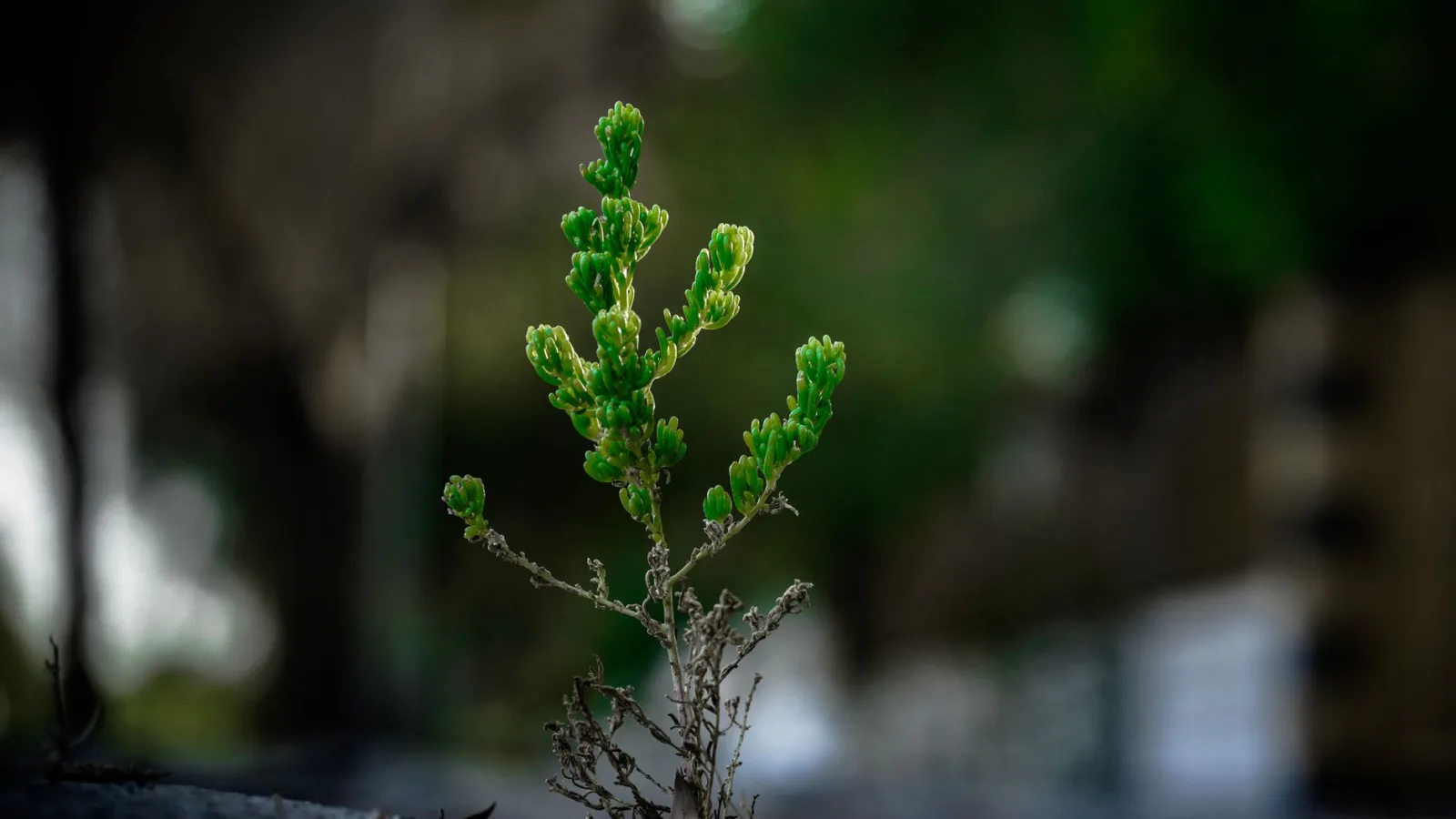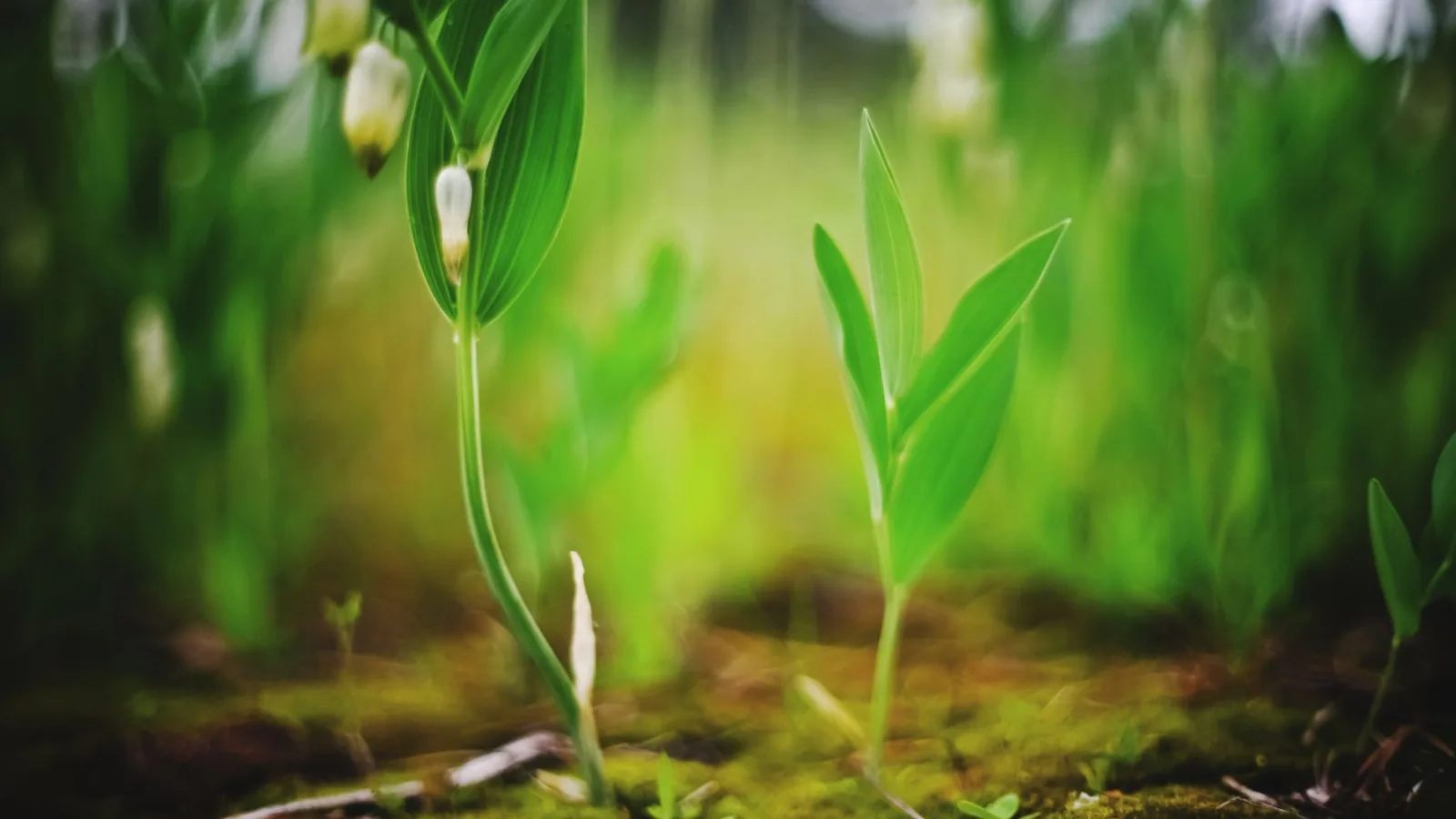
In a part-shade corner of the fall garden, the leaves of hwangjeong (Siberian Solomon's seal) are starting to wither. Once the top growth dies back, it's time to dig the rhizomes. In the Northern Hemisphere, harvest runs from October to November, and the rhizomes come out of the ground a yellowish color. They're bitter and acrid when raw, so nobody eats them straight from the soil. Blanch them to remove the bitterness, then steam and dry them. After that you can simmer them with jujubes and ginger or steep them with roasted grains for tea. In spring, the young shoots are seasoned and eaten as namul.
The Ingredient: Check the Name, Then the Scientific Name
Hwangjeong is a perennial in the same genus as dunggulle, the Solomon's seal Koreans know from the roasted tea of the same name. That genus is Polygonatum. In Korea, the plant is called cheungcheung-galgori-dunggulle. Long ago, people went by the shape of its leaves and called it dyukdaet bulhwi, meaning "root of the jukdae," after a related plant with similar foliage. Most of what's sold as hwangjeong is Polygonatum sibiricum, but the dunggulle tea that Koreans drink every day is made from Polygonatum odoratum. These are different species in the same genus, so when you buy dried hwangjeong, check the scientific name printed on the bag. China is the main producer, and the plant also grows wild in Korea, Mongolia, and Russia.
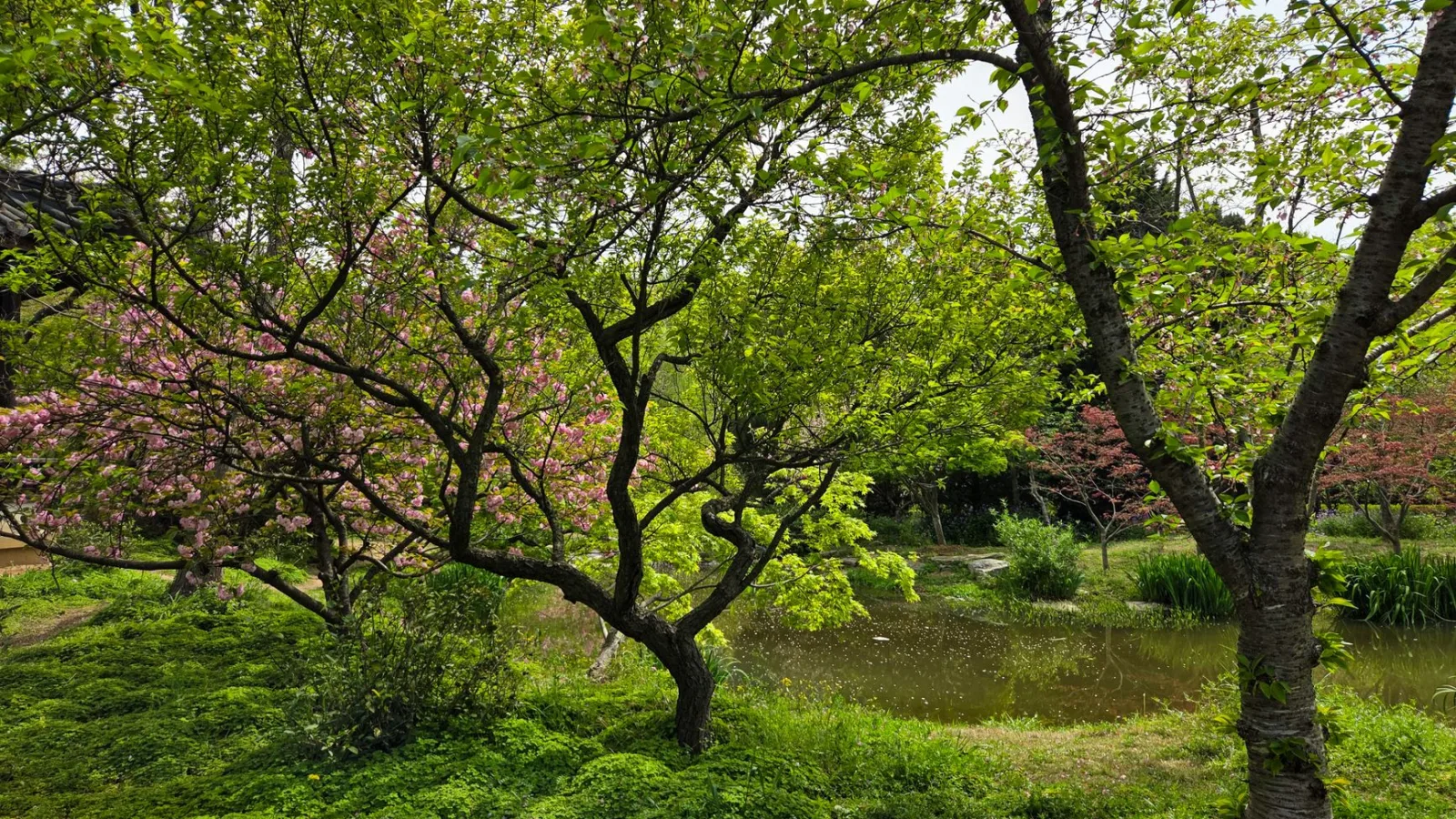
In the wild, it grows in the dappled shade at forest edges, in well-drained soil covered with fallen leaves, and it grows best at 15–22°C. Strong midsummer sun scorches the leaves, and soggy ground rots the rhizomes. In the Northern Hemisphere, divide and plant the roots in March or April. Pick a spot where taller crops or trees block the midday sun. In winter the top growth dies back, but the rhizomes survive underground and send up new shoots the next year.
Preparation: Blanch, Steam, and Dry
The herb section (草部) of the Donguibogam, Korea's 17th-century medical classic, describes hwangjeong (黃精) as neutral in nature, sweet in taste, and nontoxic. It also records another name for the plant, seoninban (仙人飯), "rice of the immortals." The book gives a preparation method as well. If you plan to eat it over a long period, blanch it in boiling water to remove the bitterness, then steam it nine times and dry it in the sun nine times. At home, the steps are the same. Wash the soil off the rhizomes, blanch them, and then steam them and spread them in the sun to dry, repeating the steaming and drying several times.
Researchers analyzing Polygonatum rhizomes have reported many times that they isolated polysaccharides and steroidal saponins, and some of the same studies found that the mix of compounds changes during steaming and drying. Saponins are often mentioned as a likely cause of the raw root's acrid bite. The slippery feel when you cut a rhizome comes from mucilage. These studies only analyzed what the rhizomes contain; they didn't test what a cup of the tea does in the body. In the same way, the old medical texts should be read separately from modern research.
Simmered with Jujube and Ginger
Put the steamed, dried hwangjeong in a pot with a few jujubes (dried red dates) and one or two thin slices of ginger, then add water. When it starts to steam, turn the heat to low and let it steep. Don't boil it for long. The jujubes add sweetness, and the ginger gives the tea a clean finish. Hwangjeong is already sweet, so use only a few jujubes. If you grow jujubes or ginger in your garden, see the growing guide for each in our crop encyclopedia.
Steeped with Roasted Barley and Corn
Many Korean households boil roasted barley and corn and drink the result in place of plain water. Add hwangjeong to the pot and the toasty, nutty grain flavor comes through first, so people trying hwangjeong tea for the first time usually find it easy to drink. Even a small amount of hwangjeong releases plenty of color and sweetness, so use more grain and less hwangjeong. In summer, the tea is also good chilled in the fridge and served cold.
In Spring, Young Shoots as Namul
In the Northern Hemisphere, the young shoots that come up in early spring are eaten as namul (seasoned greens). Blanch them briefly in boiling water, rinse them in cold water, squeeze out the water, and toss them with doenjang (fermented soybean paste) or perilla oil. But if you pick every shoot, the rhizome won't grow thicker that year. Take only a few stems from each plant and leave the rest to grow, and you'll have thick rhizomes to dig in the fall.
If you dug rhizomes today, start by washing off the soil and blanching them to remove the bitterness.
Source: Donguibogam, Herb Section (草部), Hwangjeong (黃精)