
Homiclub — Urban gardening, one pot at a time
Gobagi: The Bitter Leaf That Makes It Through Winter
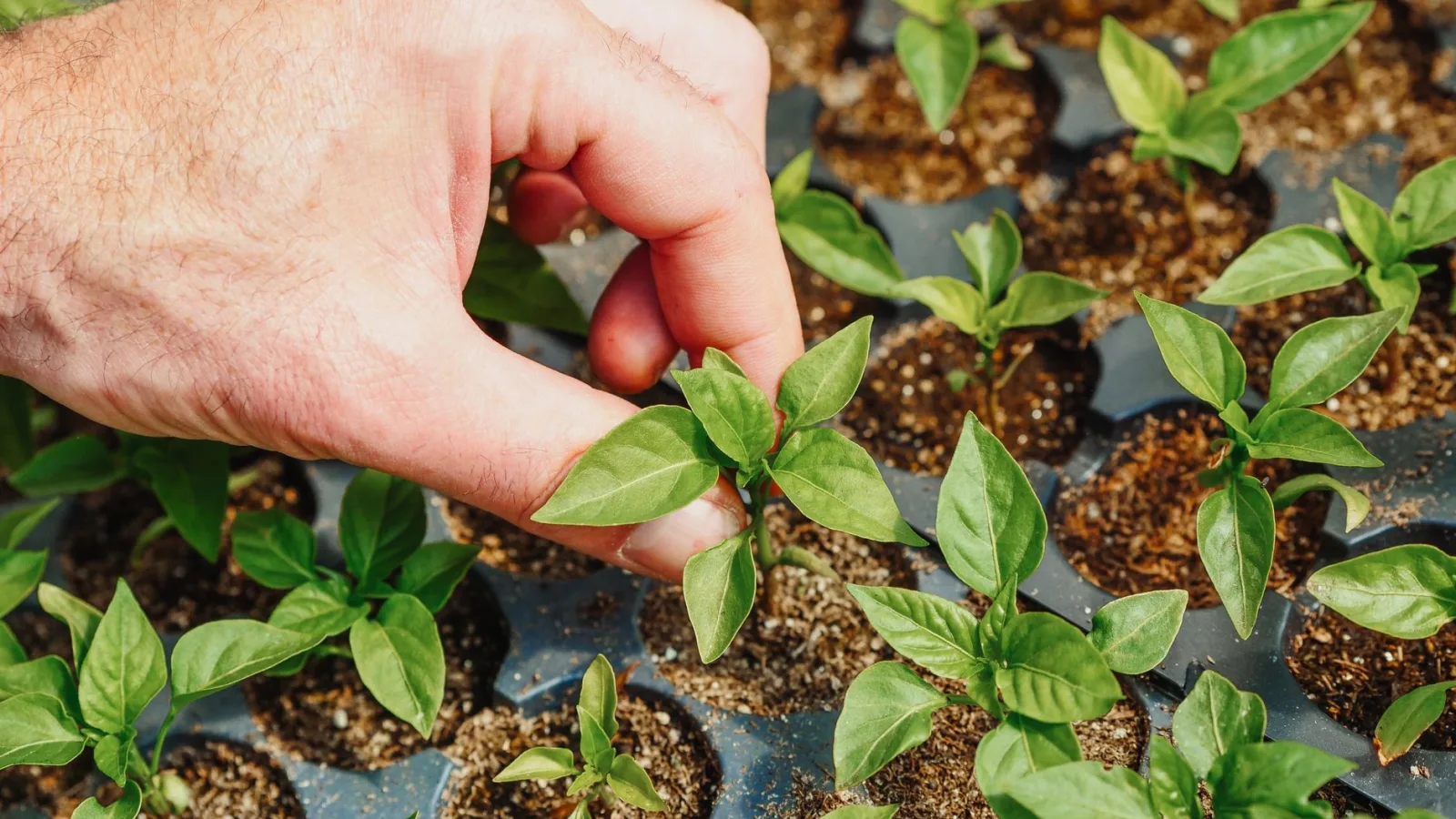
Sow gobagi in the beds your summer crops leave empty. It lives through winter and gives you leaves again in spring. We compare what a 400-year-old Korean medical text said about this bitter green with what modern nutrition science shows.
Minari and Health Through the Eyes of the Donguibogam
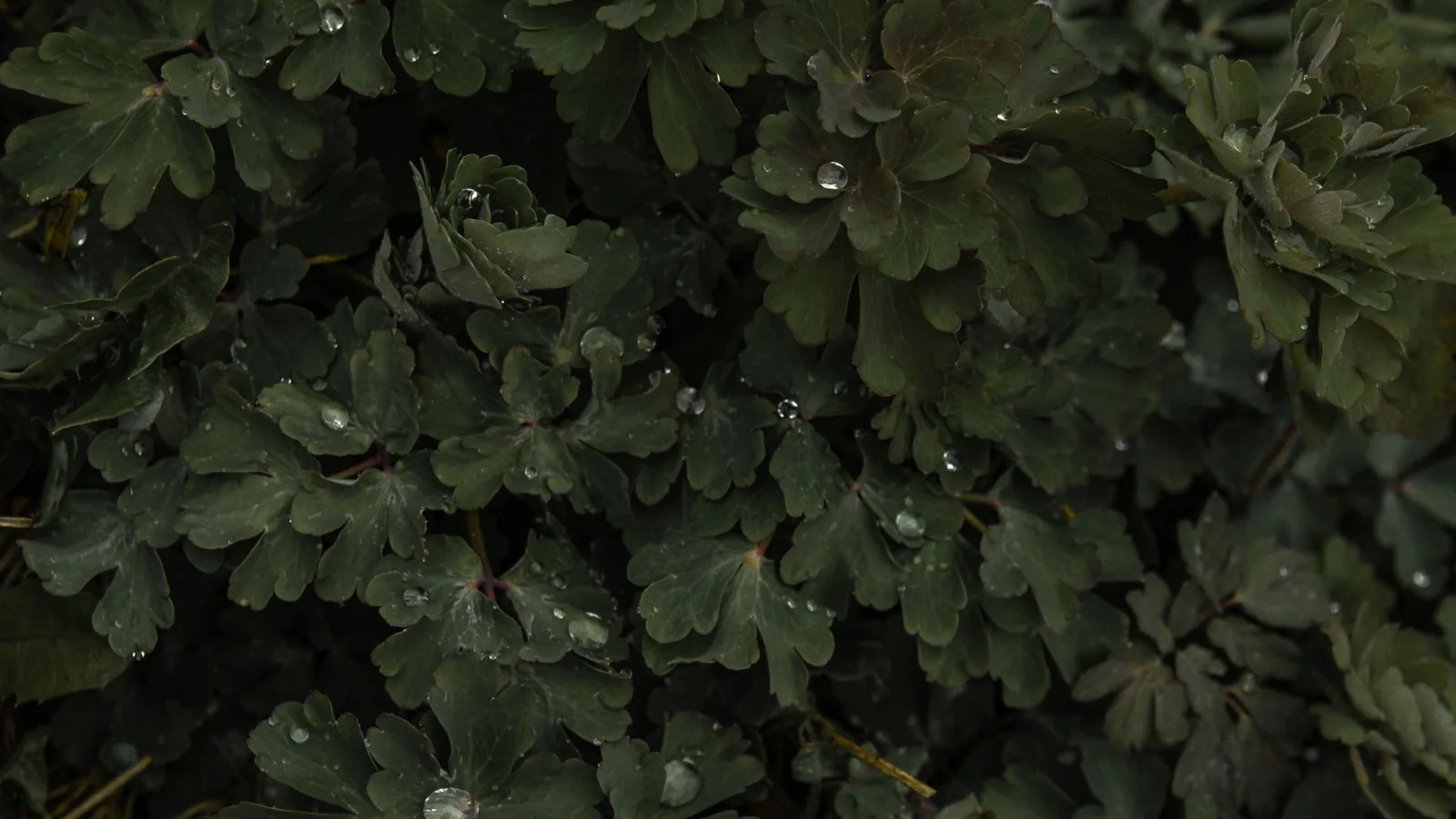
Minari, the fragrant water dropwort of the Korean spring table, gets a detailed entry in the Donguibogam, Korea's 17th-century medical classic. Here's what that old text said about it and how it compares with modern nutrition.
Kochia, the Yard-Broom Plant: From the Donguibogam's Jibuja to Today's Table
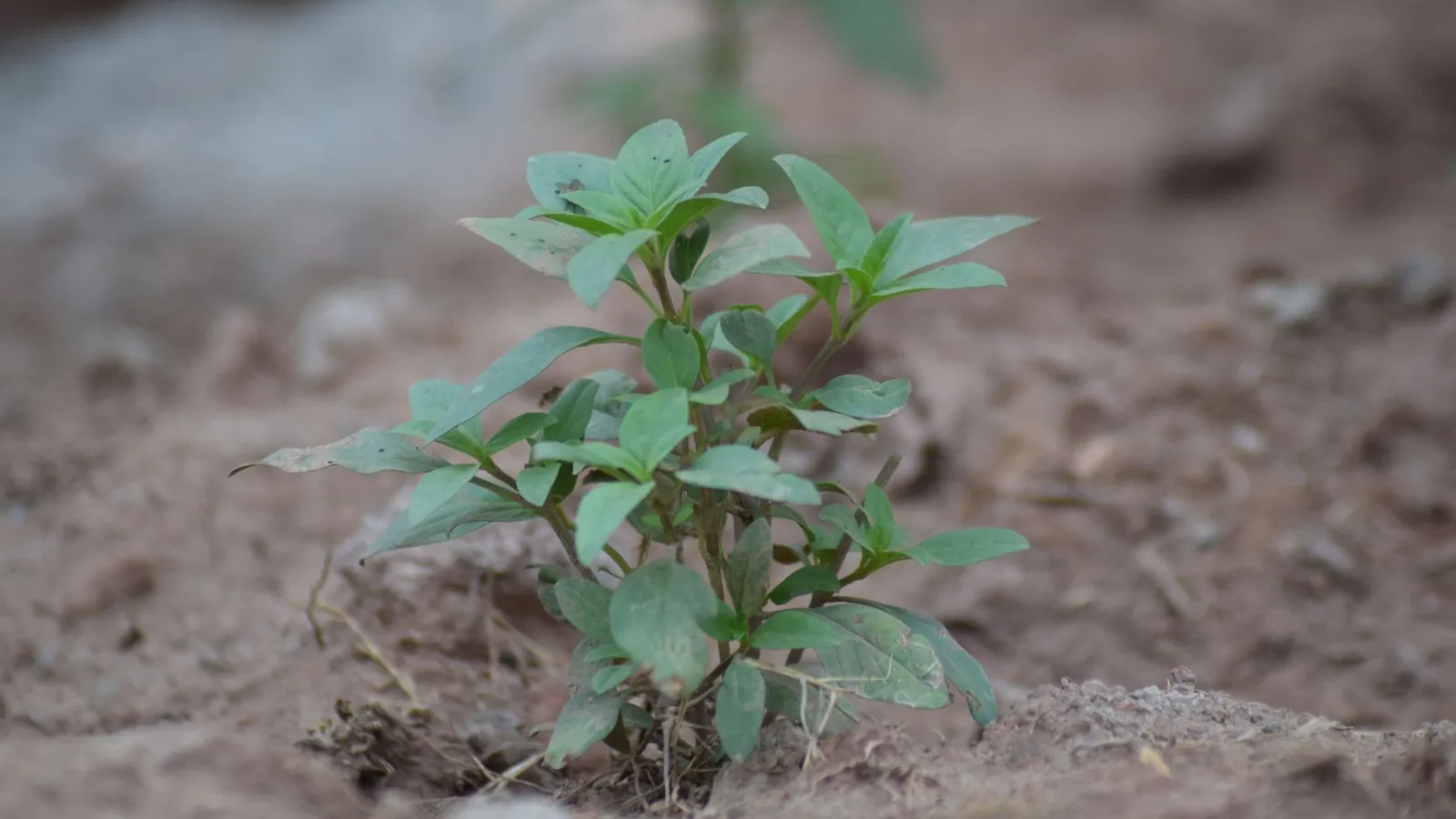
Korean households once got both food and yard brooms from kochia. This column follows the plant from its entry in the Donguibogam to modern analysis, then explains how to grow it, harvest it, and cook its young leaves and seeds.
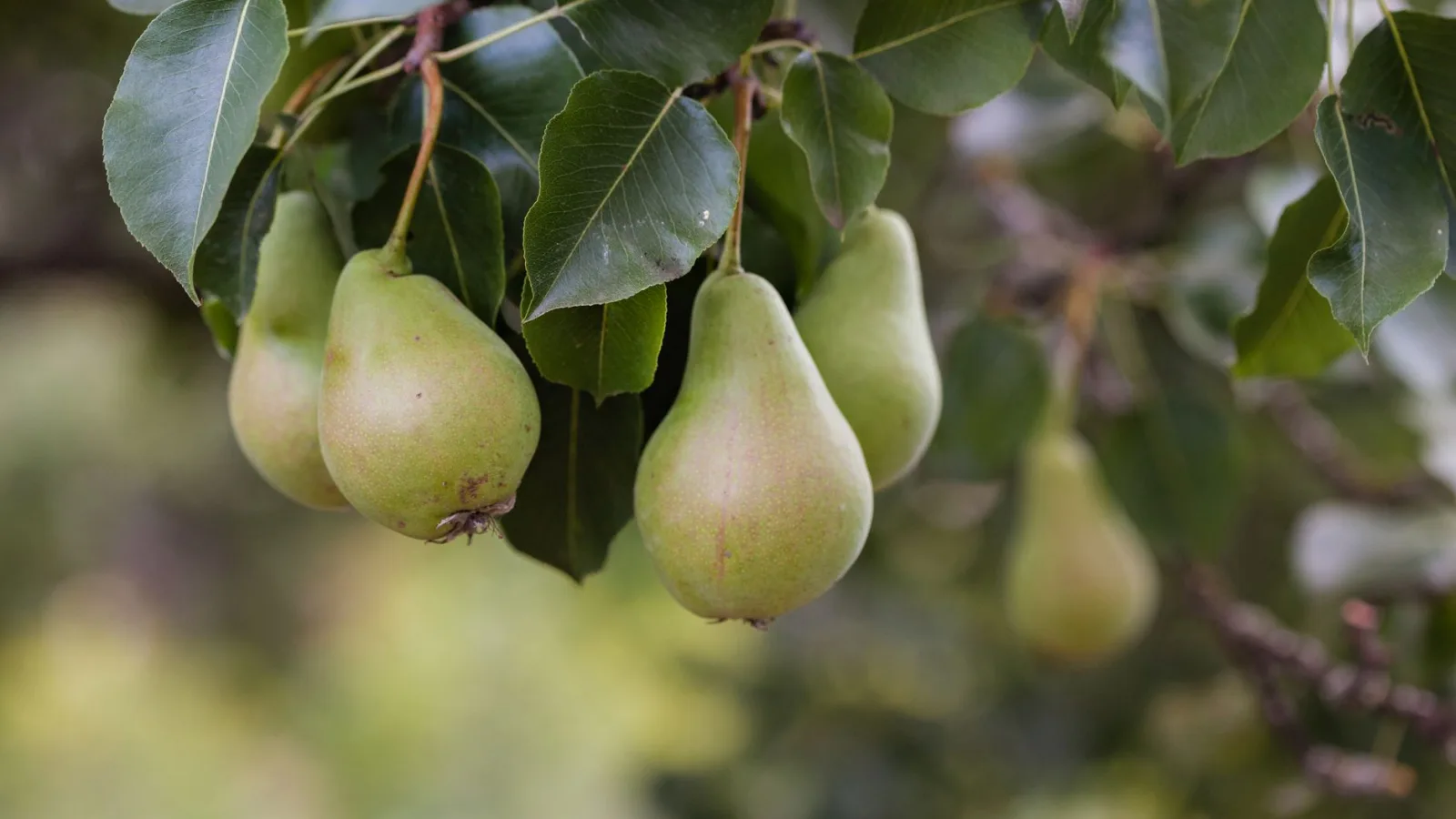
What an In-Season Pear Really Does for Your Body
Crisp Asian pears are more than 85% water and contain sorbitol, a sugar alcohol that can upset a sensitive gut in large amounts. Here's how the trees grow, what we can and can't say about their health effects, and how to enjoy them.
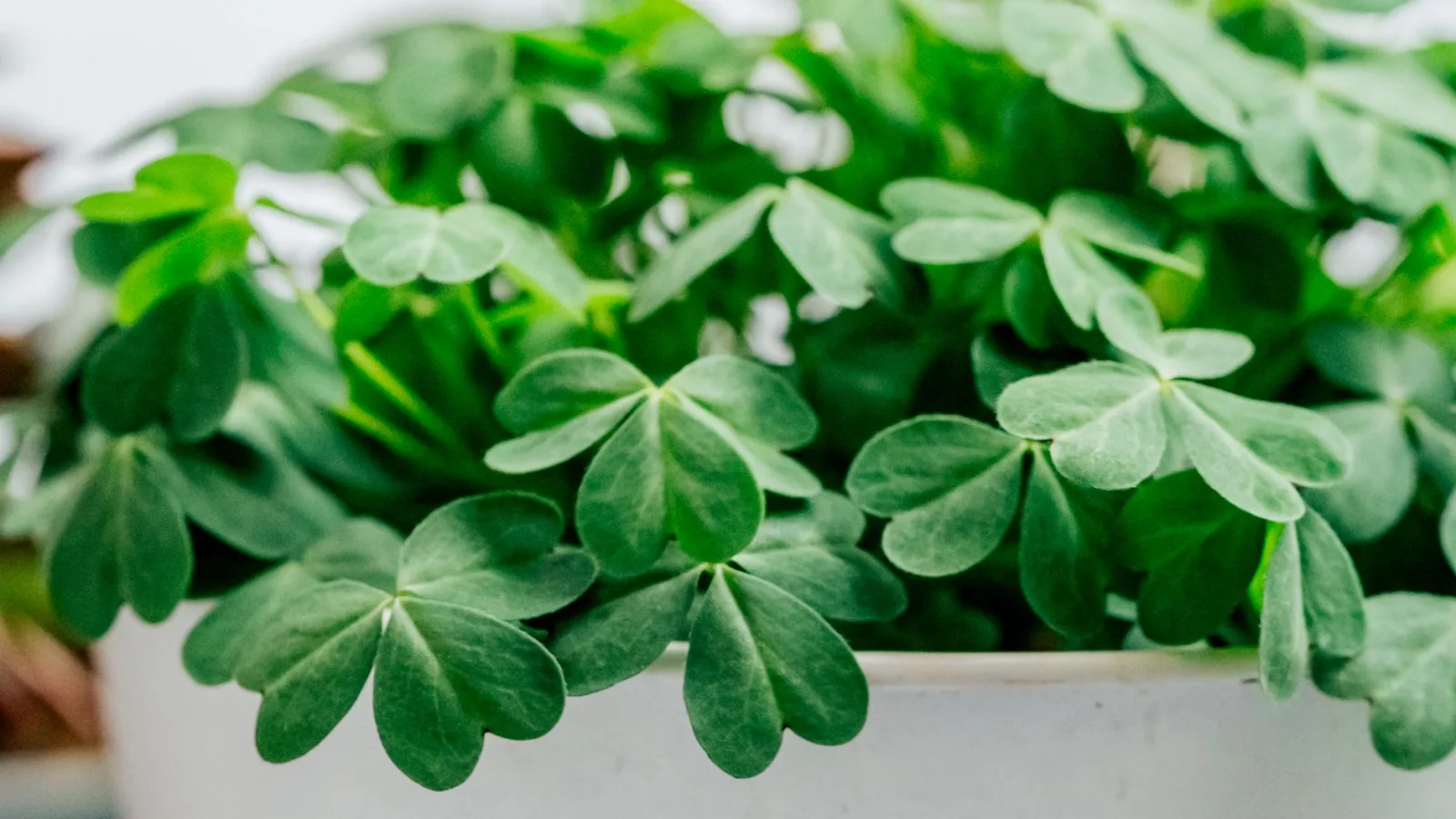
Horopa in an Old Medical Classic, Fenugreek in Tonight's Pot
The 17th-century Korean medical classic Dongui Bogam described fenugreek seed as warm and bitter, and modern chemistry traces its maple-like scent to a compound called sotolon. Here's where the old record and today's science meet, plus how to grow, toast, and cook with the seed.
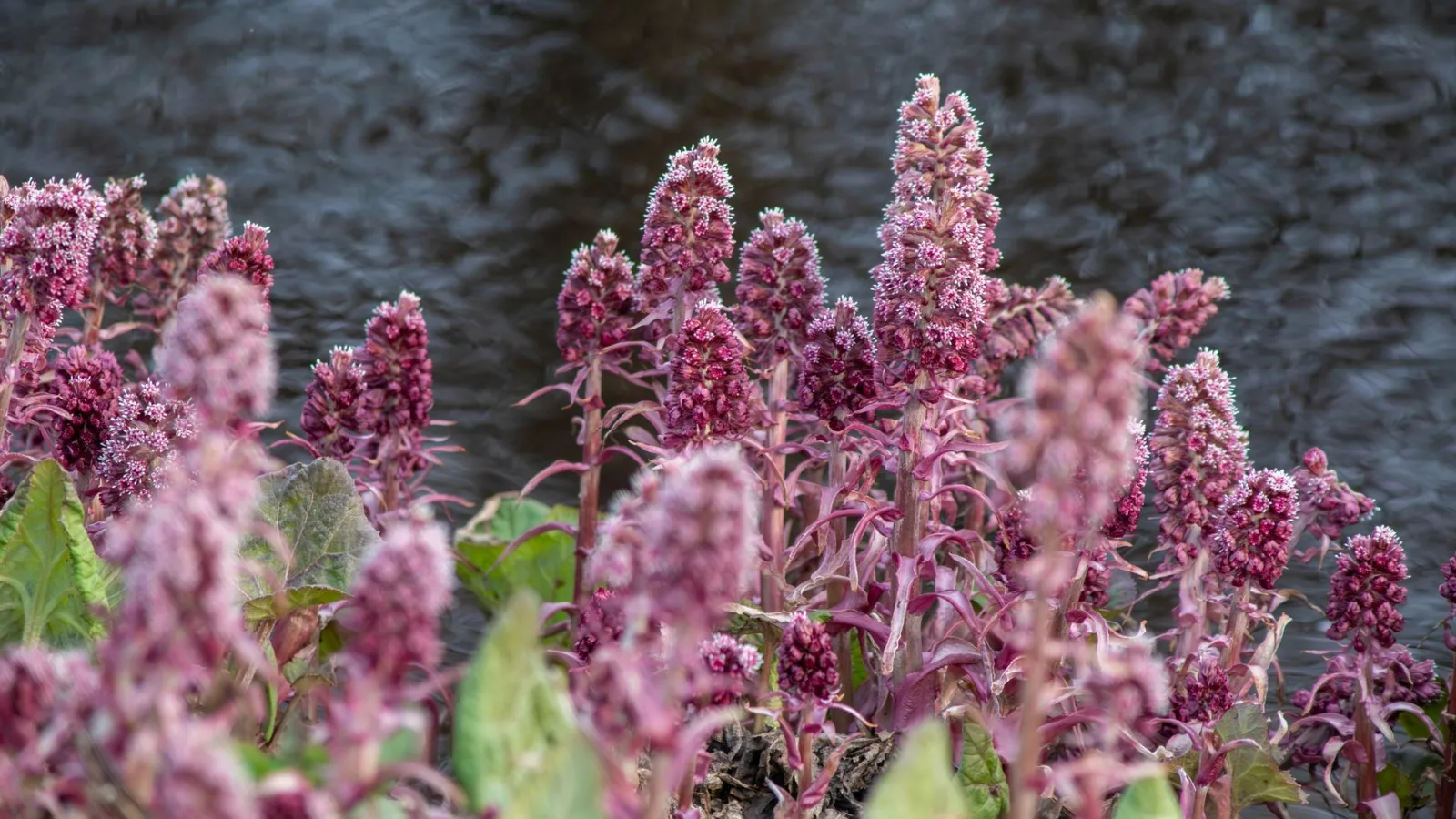
Butterbur Through the Eyes of the Dongui Bogam
Butterbur comes back to the same shady corner of the garden every spring. Here's how traditional Korean medicine viewed this bitter green, what modern science says about it, and how to prepare it safely.
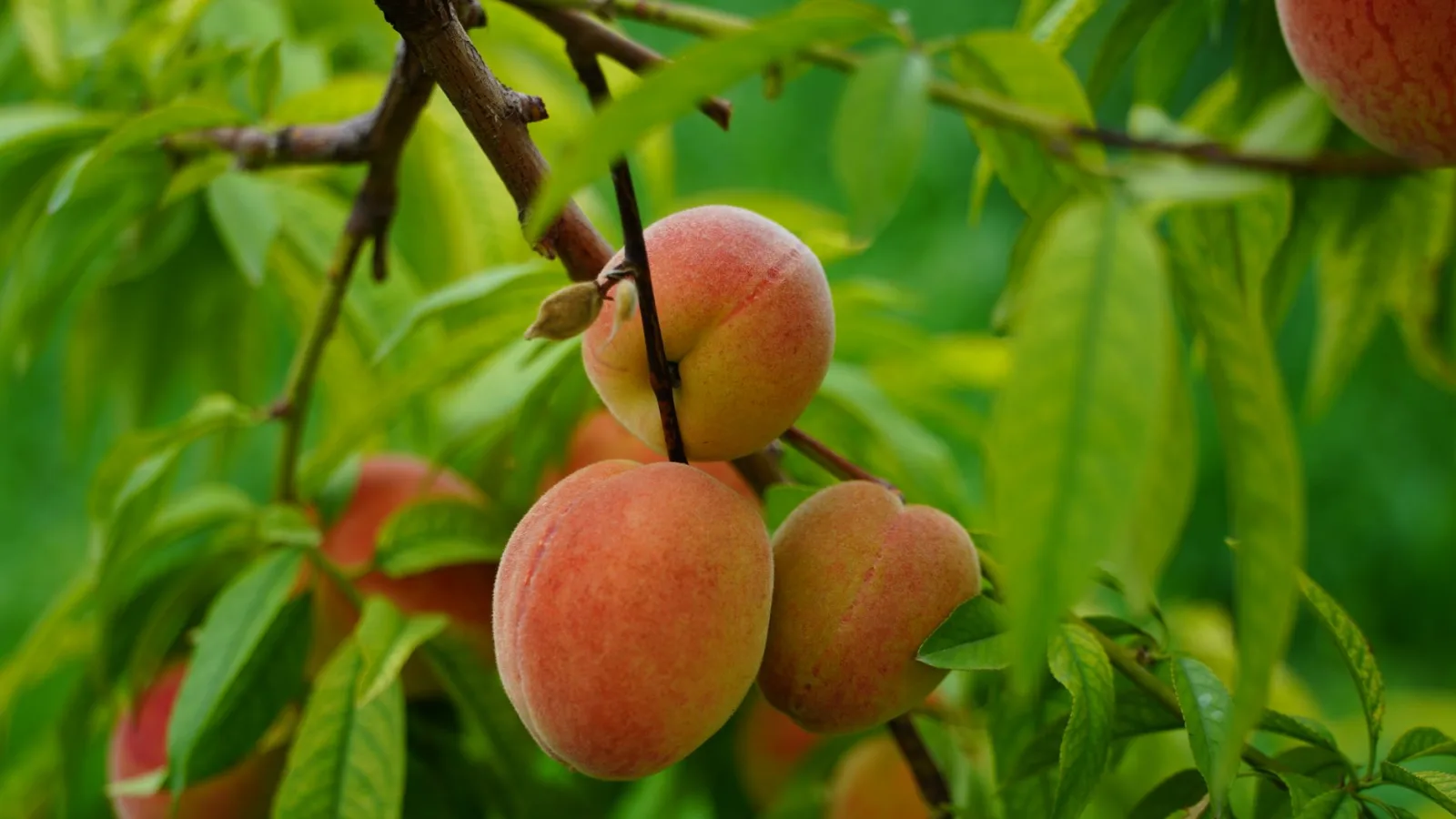
Growing Peach Trees and Handling the Pits: Leave the Kernel Uncracked
Peach trees need winter cold, dry summers, and well-drained soil to bear fruit. Here's how to grow them from saplings and when to harvest, and why you should throw the pits away without cracking them.
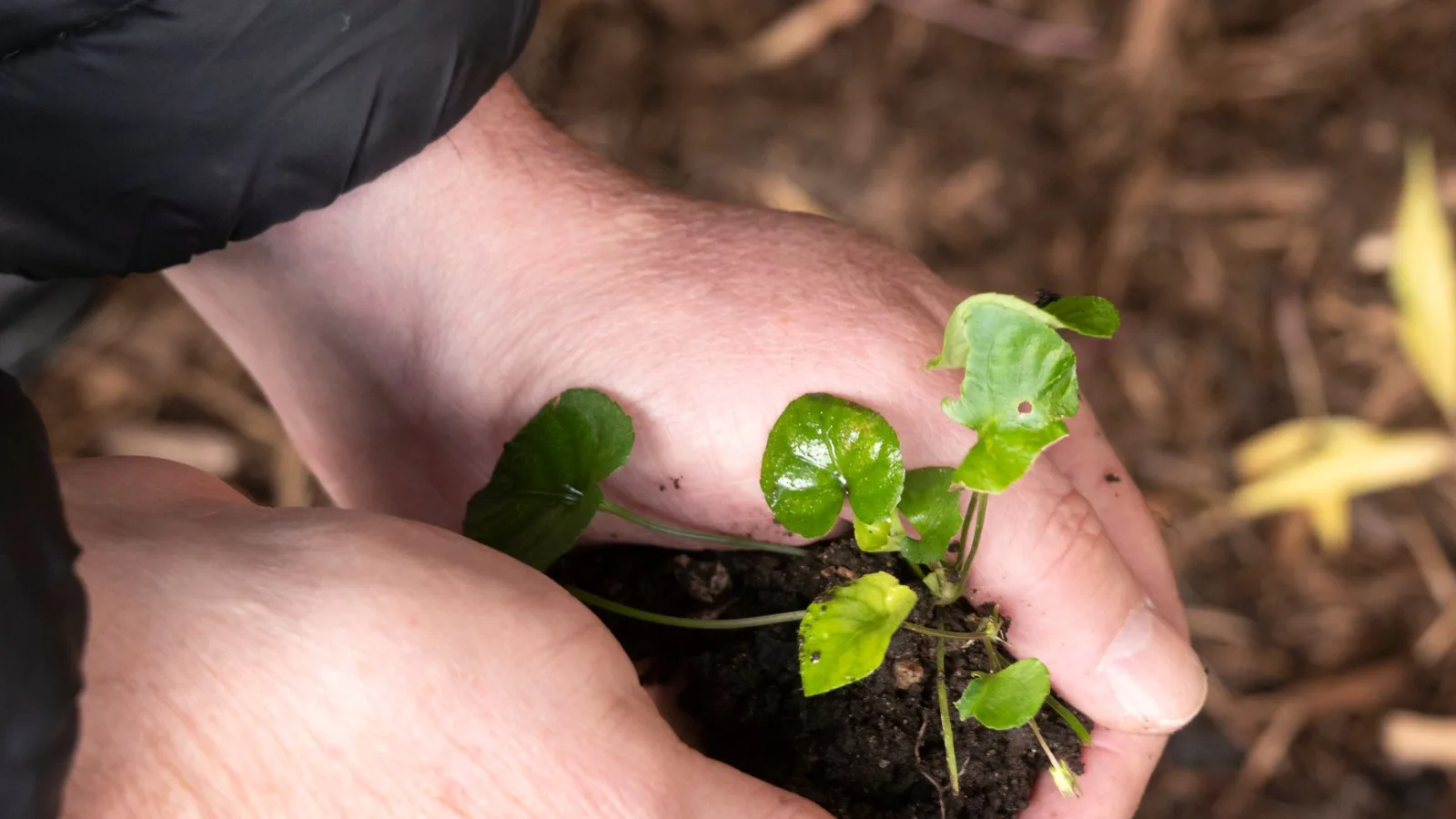
Tart Neunggeum Shines with Sugar, Rich Meat, and Cinnamon
Neunggeum is a small, tart apple that Koreans ate long before Western apples arrived. It's too sour to enjoy raw, but it's very useful in the kitchen: steep it into syrup, roast it with pork or duck, or simmer it with cinnamon and cloves.
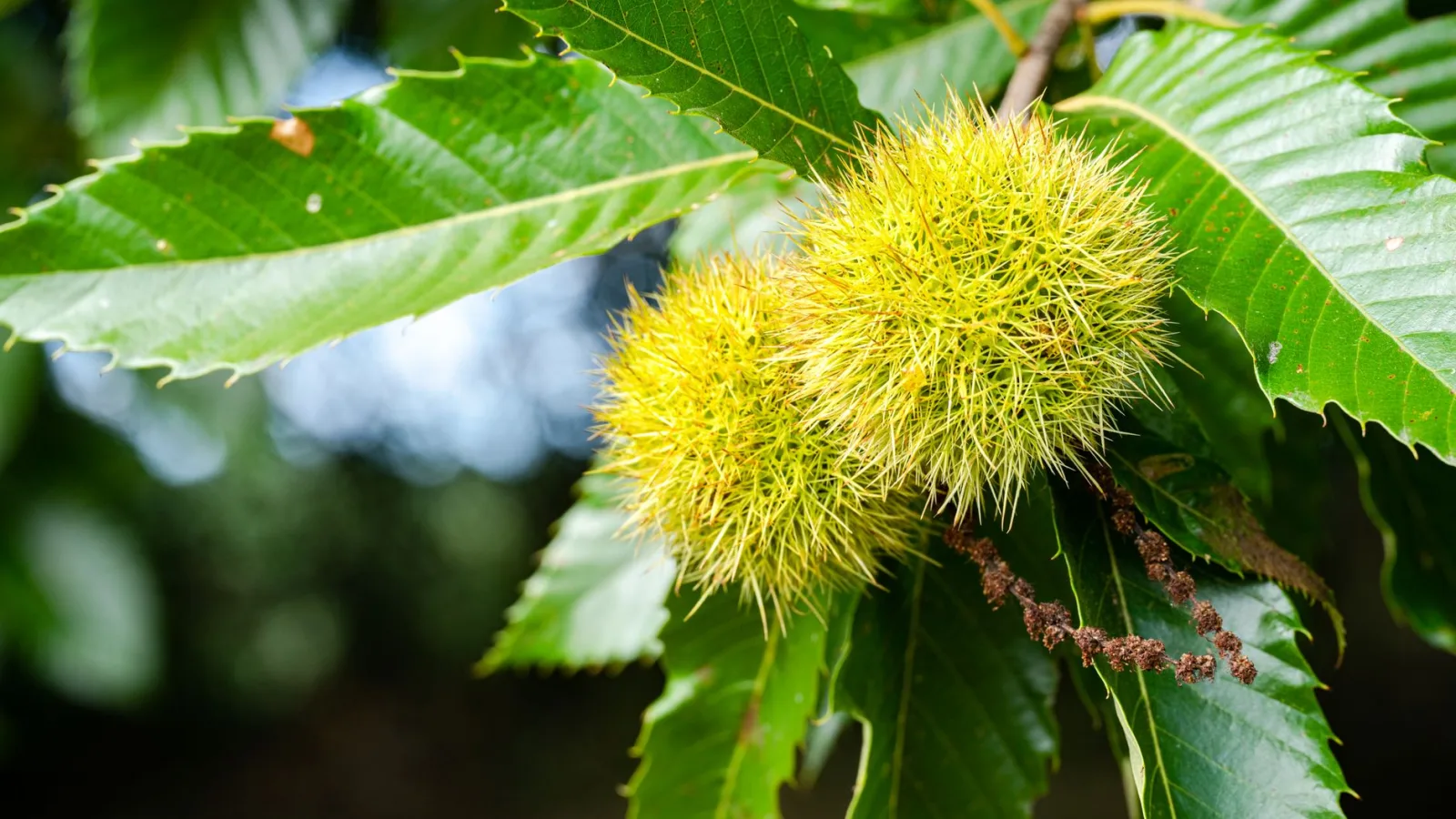
Chestnuts, the Dongui Bogam's First Among Fruits: A Fresh Look From Today's Garden
The Dongui Bogam, a 17th-century Korean medical classic, ranked chestnuts first among fruits. We compare that old record with modern nutrition data and share ways to harvest, store, and cook chestnuts this fall.