
Tangaek — Decoctions · Herbs
鱧腸 Eclipta
 Related Crop · Eclipta →
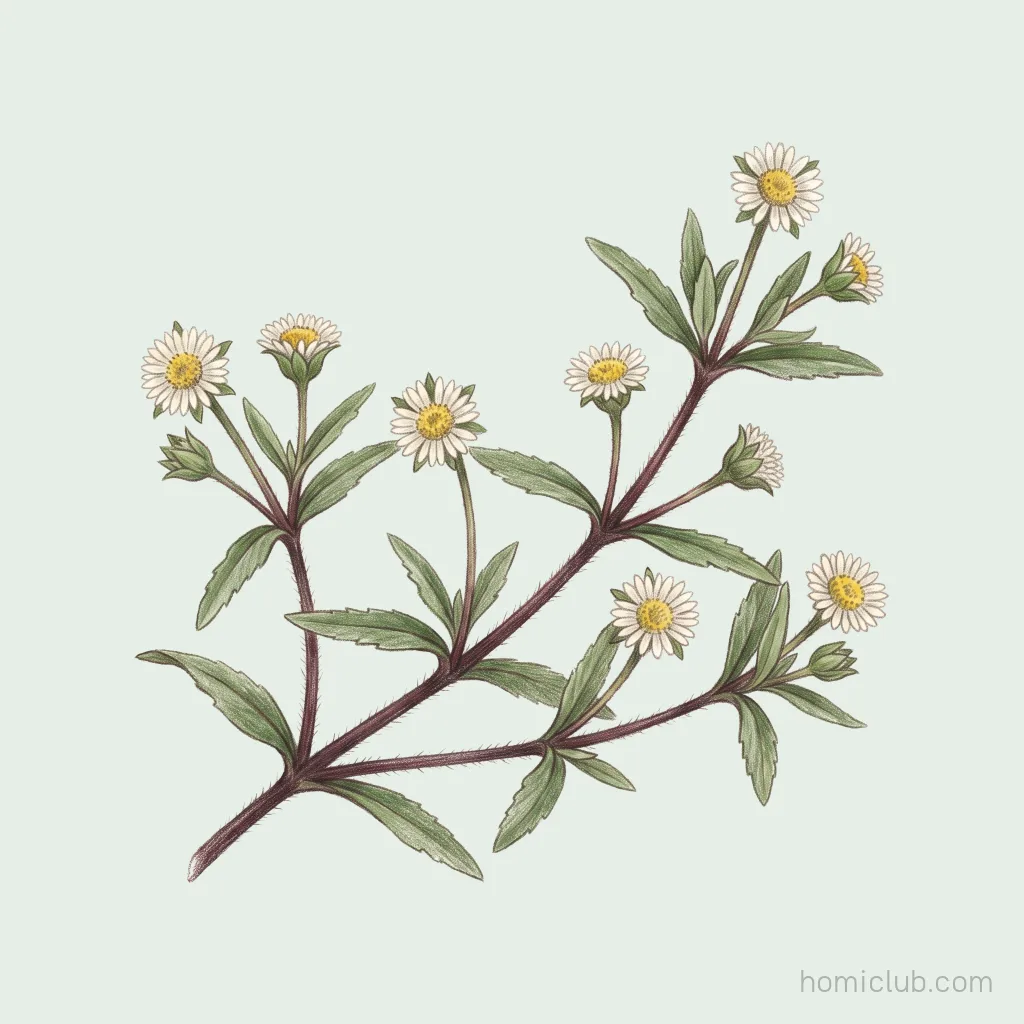
Yejang is false daisy, an annual of the composite family common on paddy banks and wet ground. Snap a shoot and the sap that beads out darkens within moments, which is why it went into black dyes. It also carried the names yeonjacho and hallyeonja.
Original, read line by line 東醫寶鑑 · Tangaek — Decoctions vol. 3
-
性平, 味甘酸, 無毒.
Its nature is neutral, its taste sweet and sour, and it is without toxicity.
-
主血痢, 鍼灸瘡發, 洪血不可止者.
It governs blood dysentery, and sores breaking out at needling or moxibustion sites with profuse bleeding that will not stop.
-
長鬚髮, 付一切瘡.
It makes the beard and hair grow, and is applied to sores of every kind.
-
處處有之, 卽蓮子草也.
It is found everywhere; it is the plant yeonjacho.
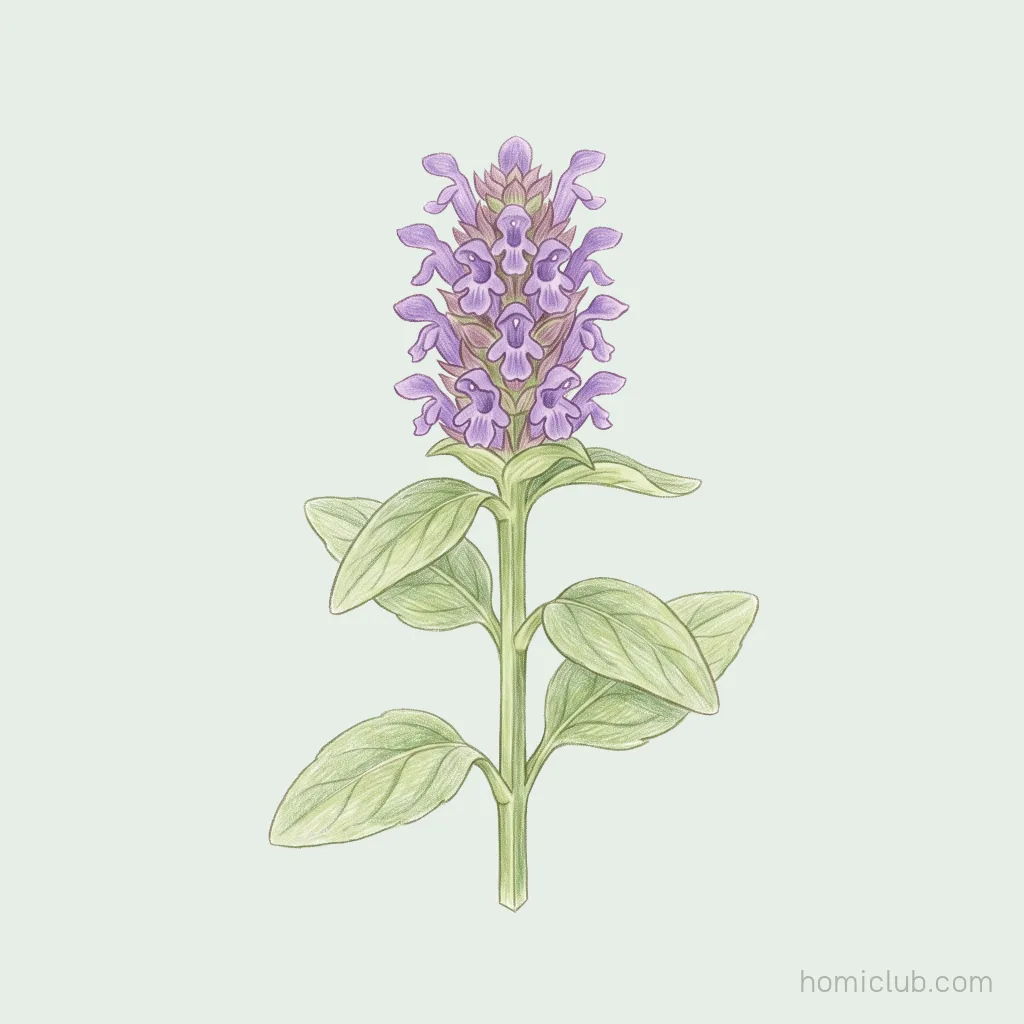
HomiclubA common annual of the aster family on paddy banks and damp field edges, bearing small white flowers.
-
俗謂之旱蓮子.
Common people call it hallyeonja.
-
三月八月採, 陰乾.
It is gathered in the third and eighth months and dried in the shade.
-
實若小蓮房.
Its fruit resembles a small lotus seed-head.
-
摘其苗皆有汁出, 須臾而黑.
When its shoots are picked, sap comes from them all, and in a moment it turns black.
HomiclubSap from a cut darkens within moments in the air. This blackness gives it the name mukhallyeon, 'ink hallyeon'.
-
故多入烏鬚髮藥. 《本草》
For this reason it is often put into medicines for blackening the beard and hair. 《Boncho (Materia Medica)》
Related Crop
Eclipta →
Reading on Eclipta
Herbs — more entries
This is a cultural and historical record from a classical text, not a claim about any food’s effects. Nothing here is a health supplement or intended to prevent or treat disease. Consult a medical professional about health concerns. · Text: Korean Medicine Classics DB · Reading: Homiclub