
Tangaek — Decoctions · Herbs
王不留行 Catchfly
 Related Crop · Catchfly →
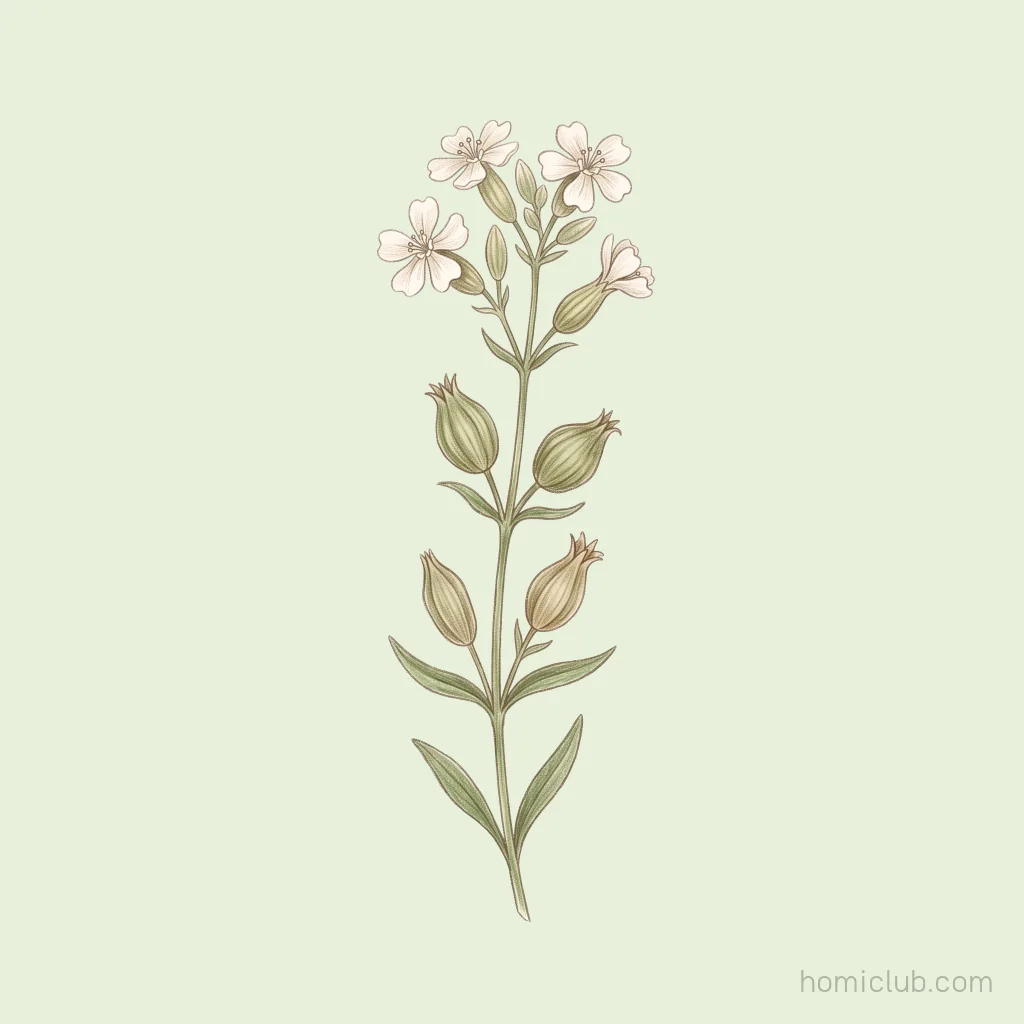
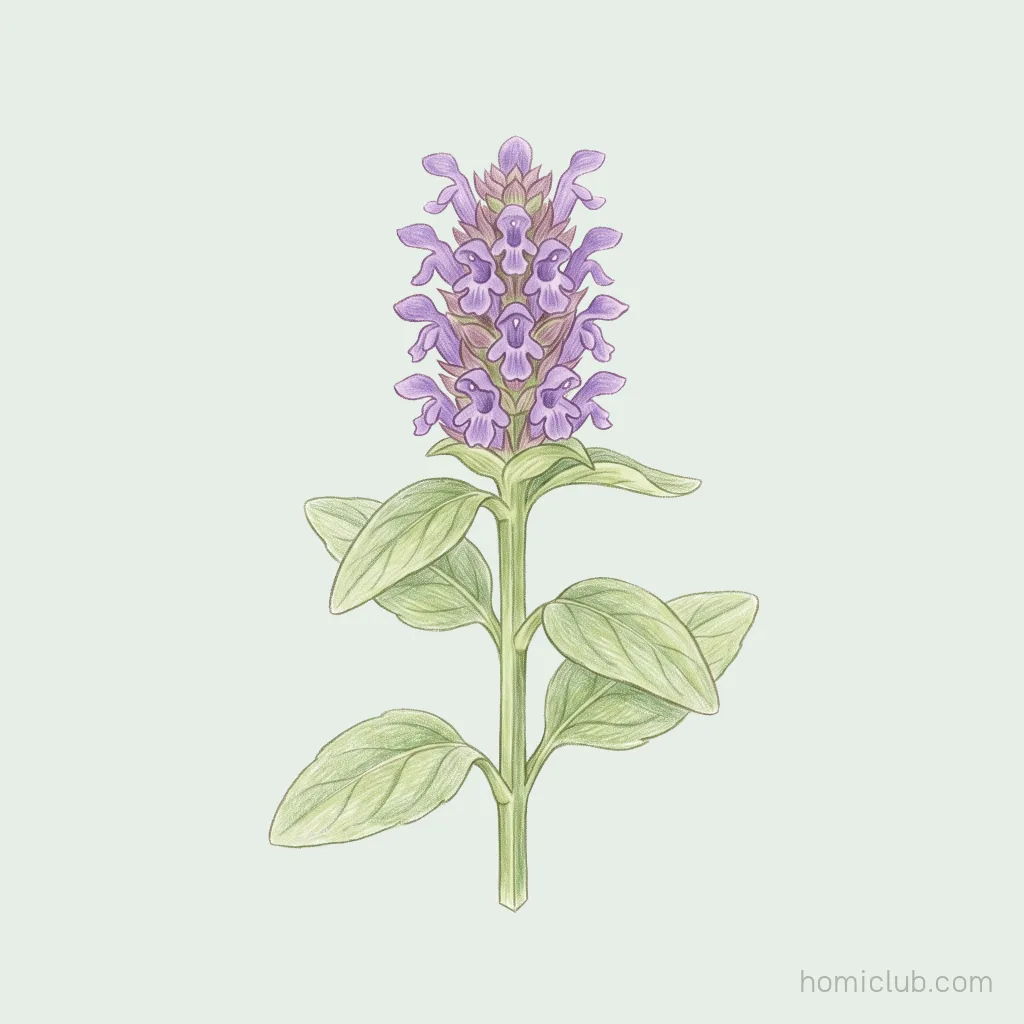
Wangbullyuhaeng is the seed of the catchfly, the plant behind the old Korean gloss 'dyanggosae'. A pink-family herb of field edges and open ground, it flowers white in summer. The Donguibogam records the alternate names jeongeumhwa and geumjaneundae and says root, stem, flower, and seed were all gathered.
Original, read line by line 東醫寶鑑 · Tangaek — Decoctions vol. 3
-
性平, 味苦甘, 無毒.
Its nature is neutral, its taste bitter and sweet, and it is non-toxic.
-
主金瘡止血, 逐痛, 出刺.
It chiefly treats geumchang (wounds from metal blades), stanching the bleeding, driving out the pain, and drawing out embedded thorns.
-
治衄血癰疽惡瘡, 祛風毒, 通血脉, 療婦人血經不勻, 及難産.
It treats nosebleed, ongjeo (deep-rooted abscess) and malignant sores, dispels pungdok (wind toxin), opens the blood vessels, and treats irregular menstruation in women as well as difficult childbirth.
-
在處有之. 葉似菘藍, 花紅白色, 子殼似酸漿, 實圓黑似菘子如黍粟.
It is found everywhere. The leaves resemble sungnam (woad), the flowers are red and white, the seed husk resembles sanjang, and the fruit is round and black like sungja, the size of millet or foxtail millet.
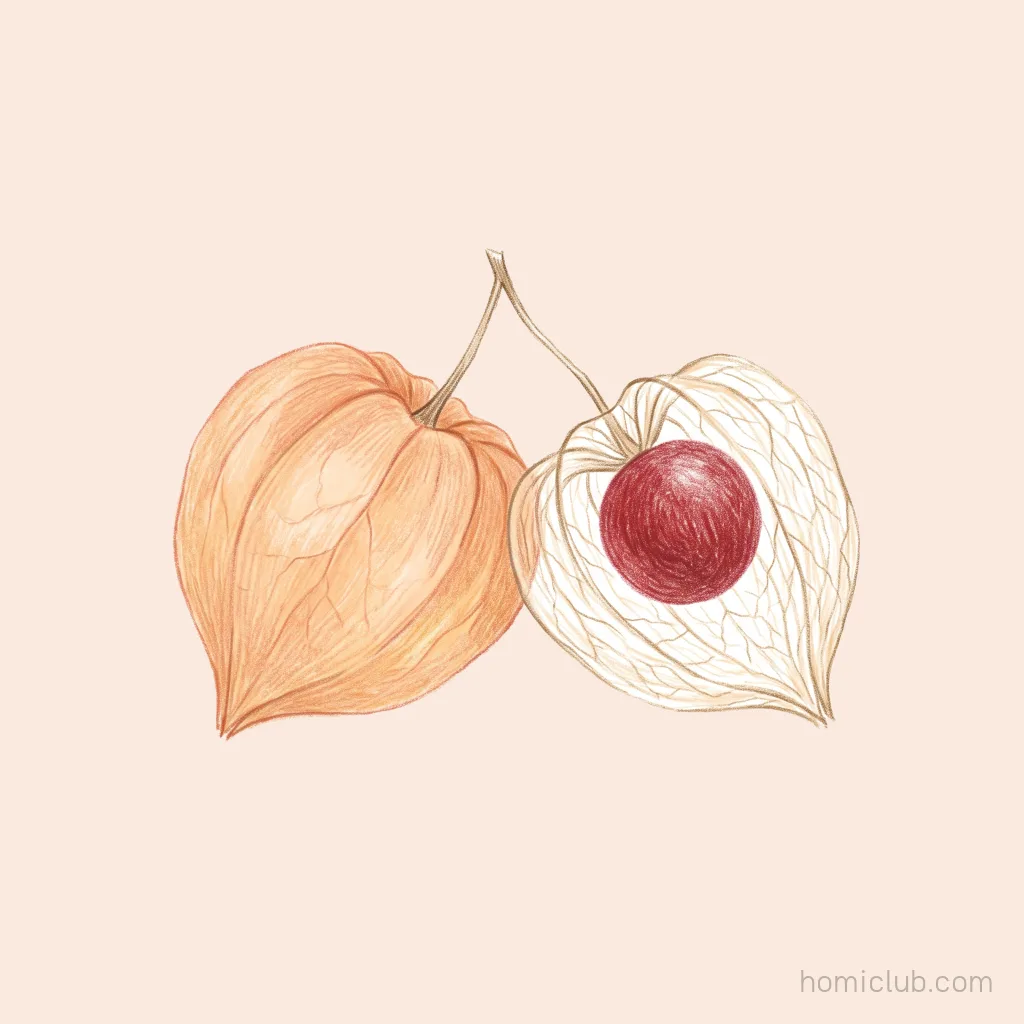
HomiclubSanjang (酸漿) is the Chinese lantern plant. What is being compared is the calyx swelling up to wrap the seed after the flower drops.
-
五月採苗莖, 曬乾. 根莖花子, 幷通用. 《本草》
In the fifth month the shoots and stalks are gathered and sun-dried. Root, stalk, flower, and seed are all used alike. 《Boncho》
-
一名剪金花, 一名金盞銀臺. 子治淋最有效. 《資生》
One name for it is jeongeumhwa, another is geumjan-eundae. The seed is most effective for treating imbyeong (strangury). 《Jasaeng》
HomiclubJeongeumhwa (剪金花) means "a flower cut out of gold" and geumjan-eundae (金盞銀臺) means "a gold cup on a silver stand" — both nicknames taken from the look of the flower. In Korean the plant is called janggu-chae.
Related Crop
Catchfly →
Herbs — more entries
This is a cultural and historical record from a classical text, not a claim about any food’s effects. Nothing here is a health supplement or intended to prevent or treat disease. Consult a medical professional about health concerns. · Text: Korean Medicine Classics DB · Reading: Homiclub