
Tangaek — Decoctions · Herbs
藜蘆 Baksae (박새)
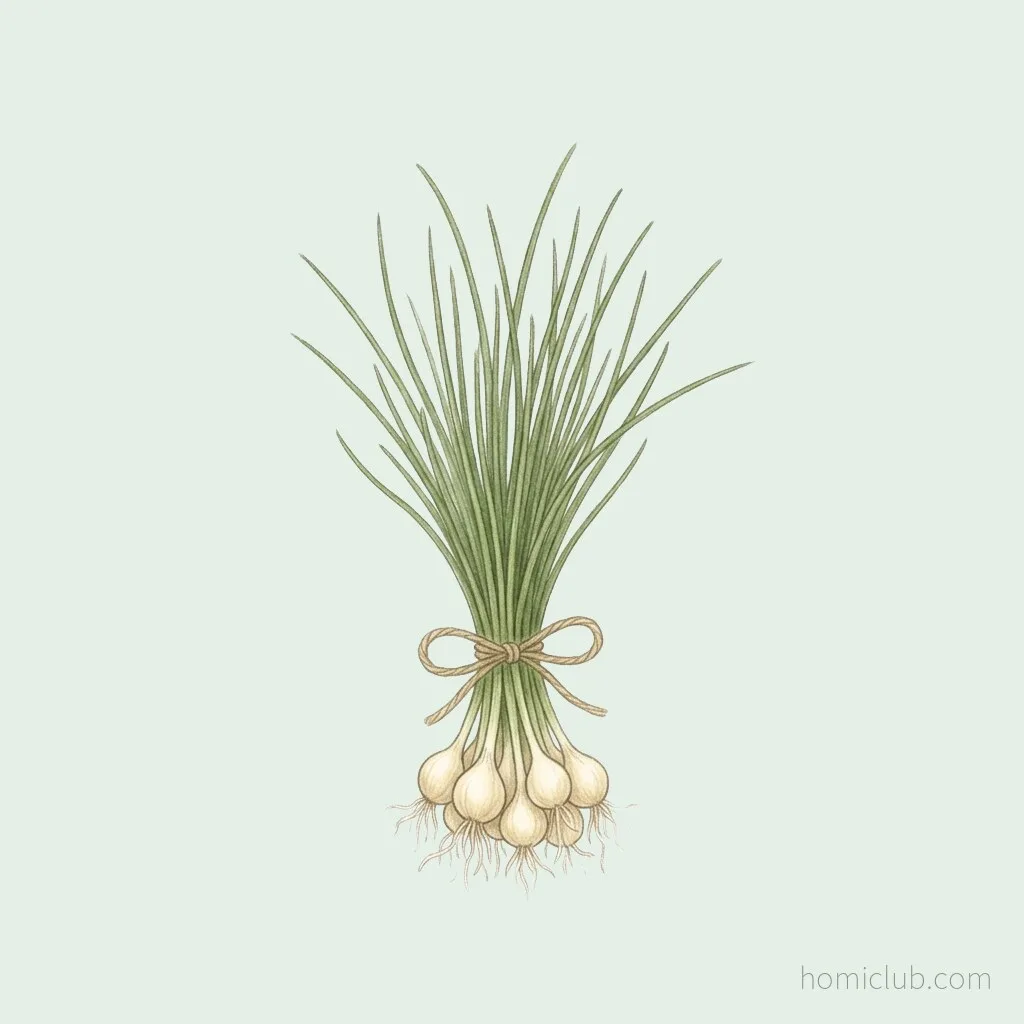
Yeoro is the root of false hellebore. This lily-order perennial grows in damp mountain ground, and its young spring leaves resemble wild garlic closely enough that mistaken foraging causes poisonings. Donguibogam itself records it as strongly poisonous and says to boil it in rice-washing water, dry it, then roast it lightly.
Original, read line by line 東醫寶鑑 · Tangaek — Decoctions vol. 3
-
性寒, 味辛苦, 有大毒.
Its nature is cold, its taste pungent and bitter, and it carries strong toxicity, demanding careful processing before use.
-
主頭瘍, 疥瘙, 惡瘡癬.
It treats sores on the head, scabies with itching, and stubborn ulcers and ringworm, used mainly as a topical remedy for chronic skin conditions.
-
去死肌, 殺諸蟲, 吐膈上風痰.
It removes necrotic tissue, kills parasites, and induces vomiting to expel wind-phlegm lodged above the diaphragm, long valued as a powerful emetic.
-
生山中. 根似葱而多毛, 又如龍膽. 二月三月八月採根, 陰乾. 一名鹿葱. 《本草》
It grows in the mountains, with roots resembling scallion but covered in fine hairs, also similar to gentian; the root is gathered in the second, third, or eighth month and shade-dried, and it is also called noktchong.
-
糯米泔煮, 曬乾, 微炒用之. 《本草》
It is boiled in the water used to rinse glutinous rice, sun-dried, and lightly roasted before use, a traditional processing step essential for tempering its toxicity.
Herbs — more entries
This is a cultural and historical record from a classical text, not a claim about any food’s effects. Nothing here is a health supplement or intended to prevent or treat disease. Consult a medical professional about health concerns. · Text: Korean Medicine Classics DB · Reading: Homiclub