Tangaek — Decoctions · Herbs

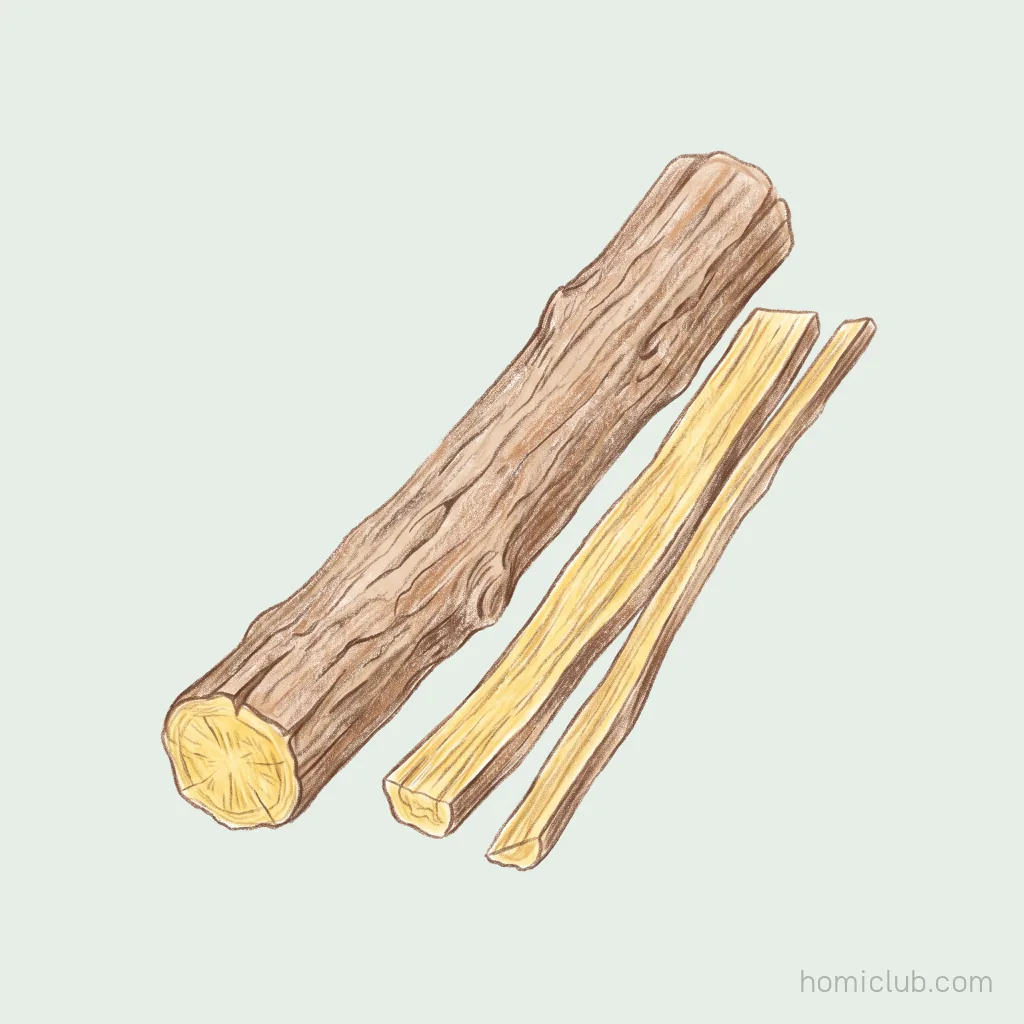
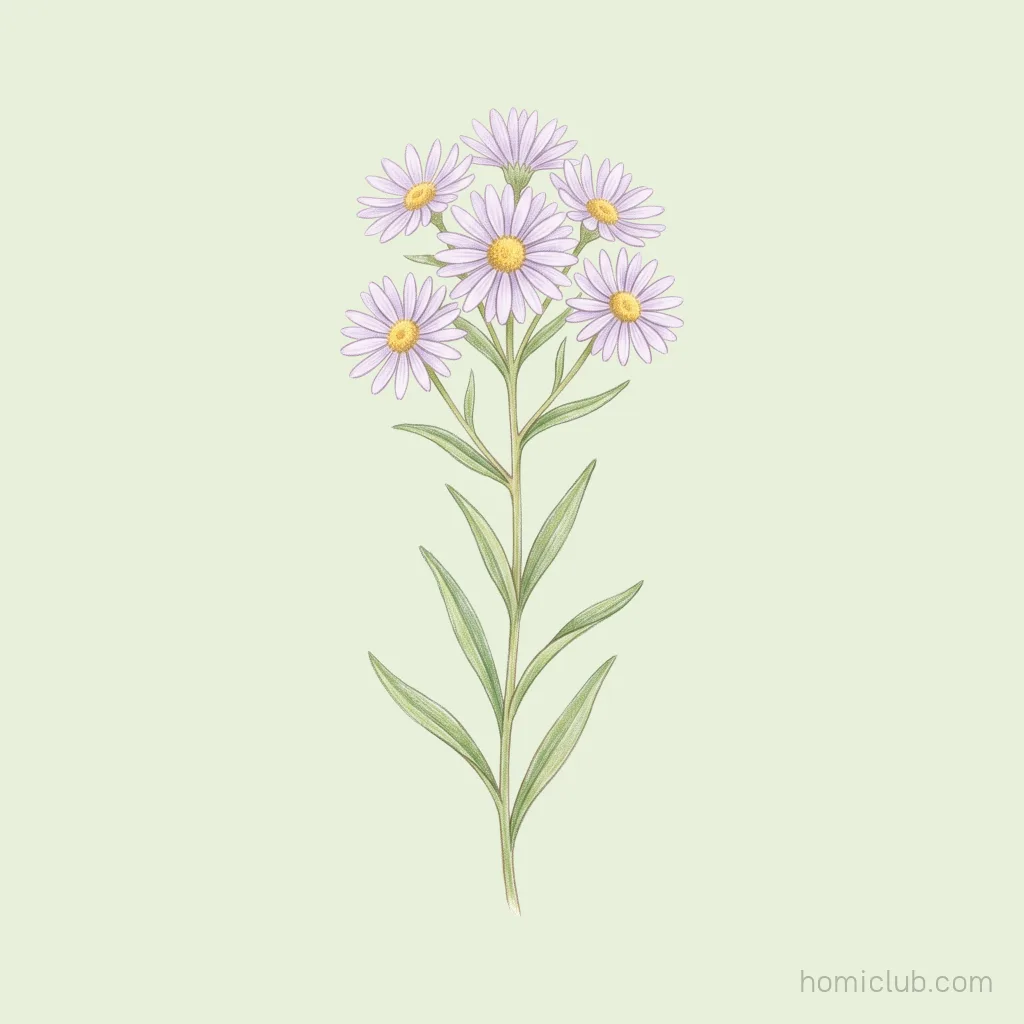
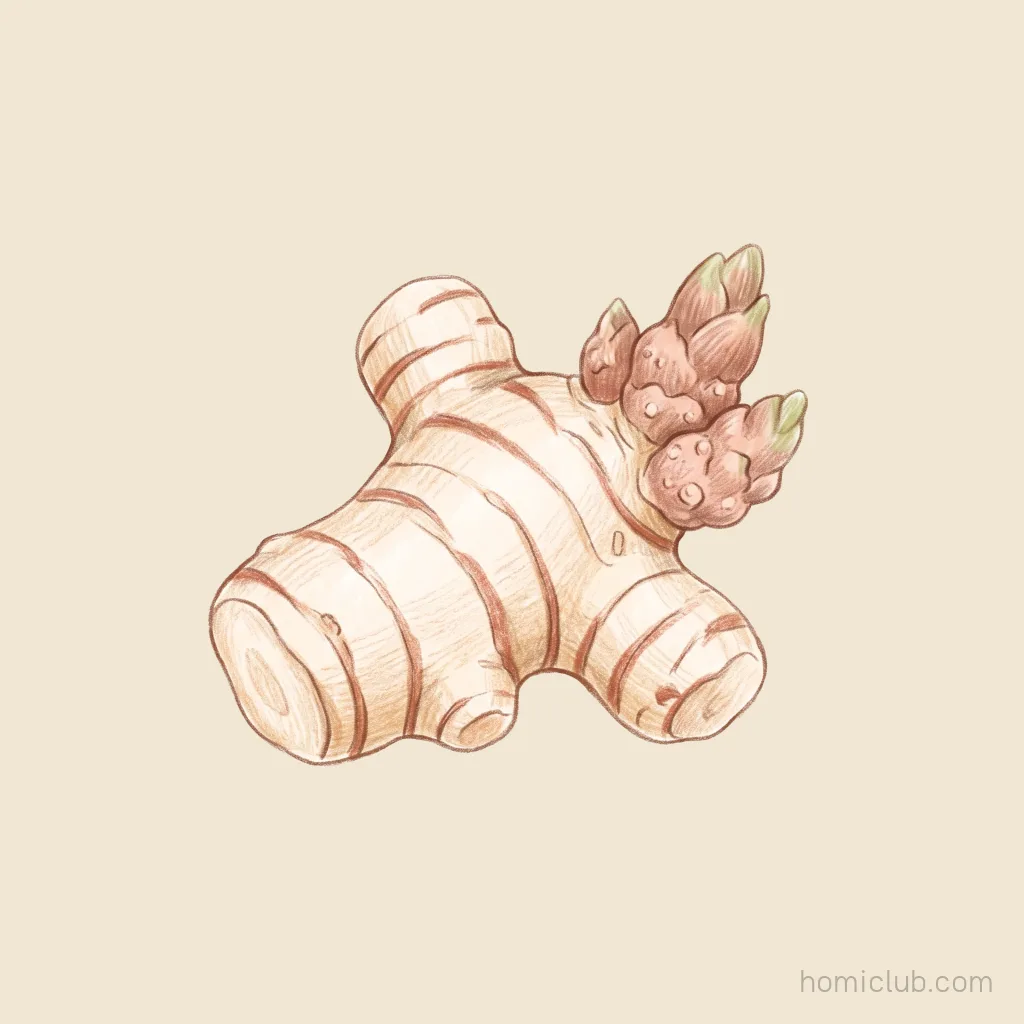
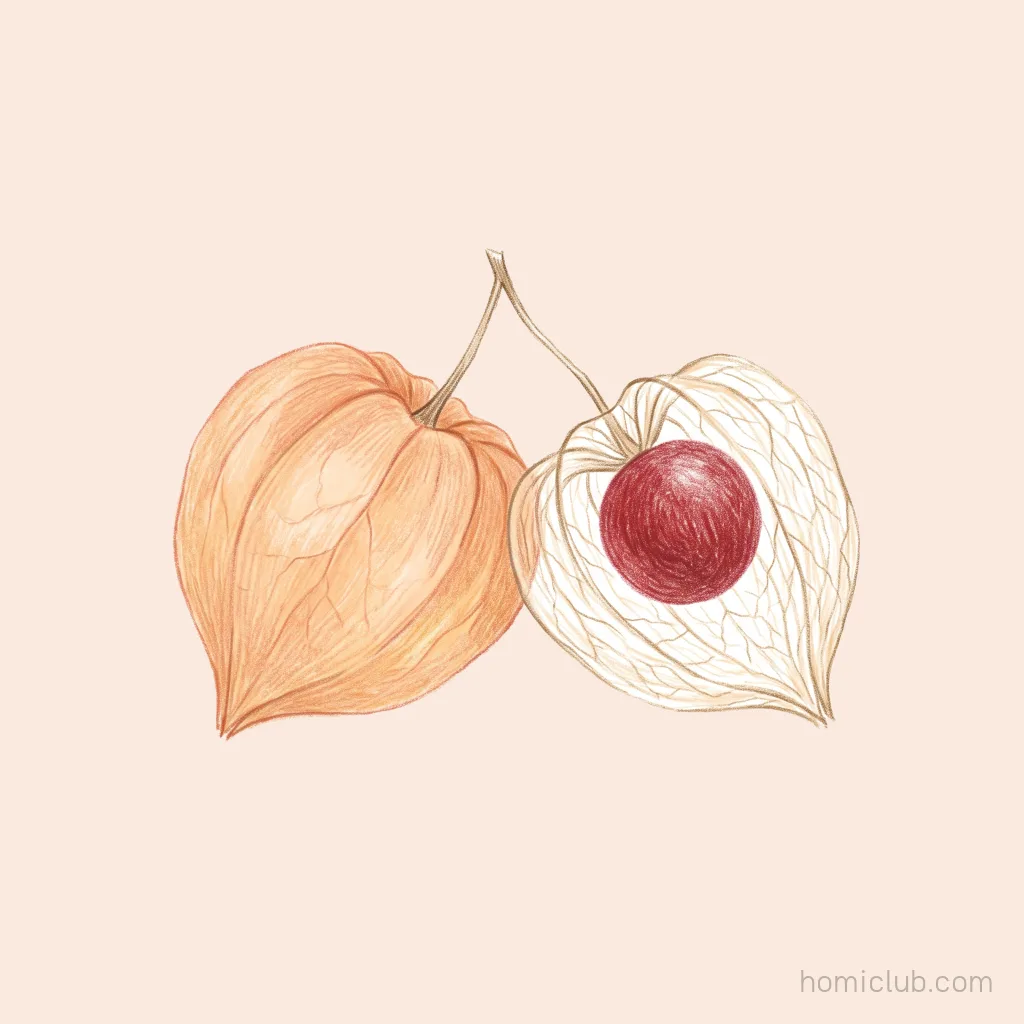
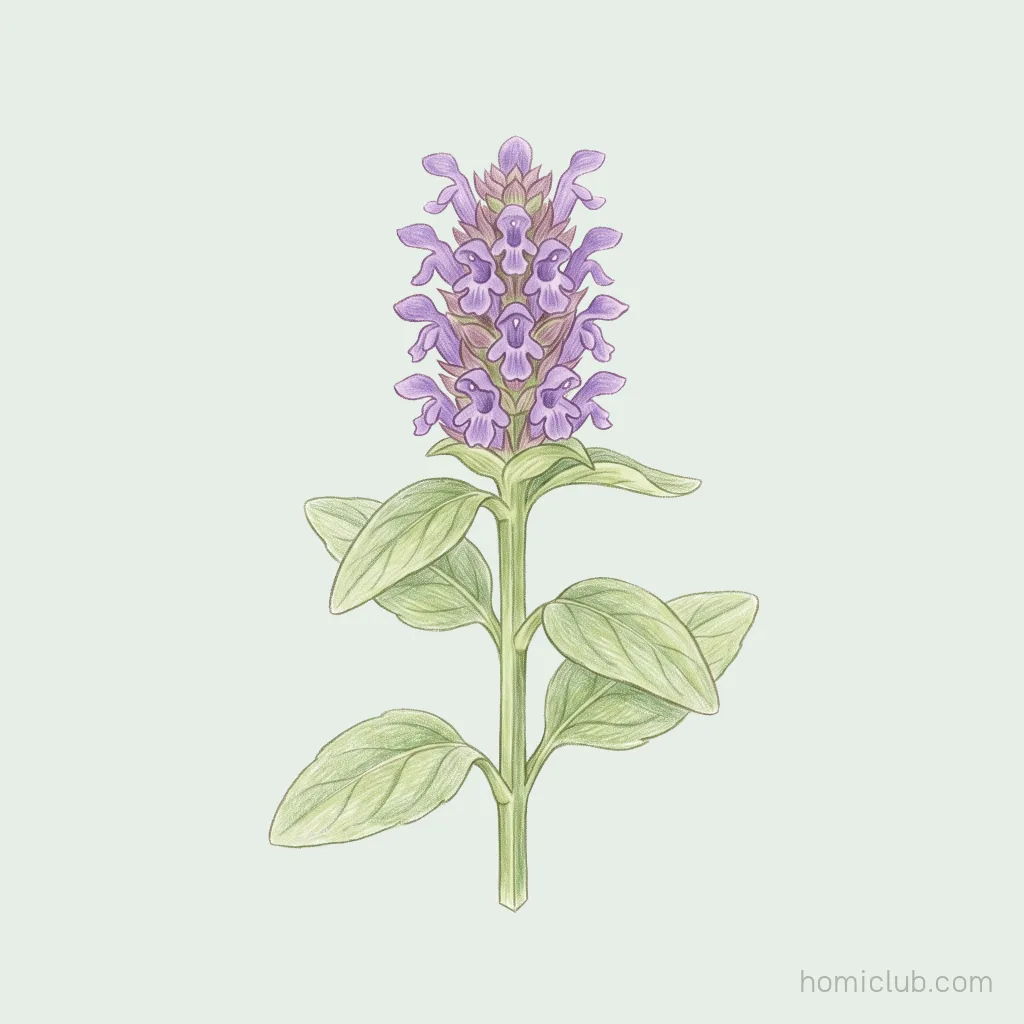
瓜蔞根 하늘타리뿌리 (과루근)

Original, read line by line 東醫寶鑑 · Tangaek — Decoctions vol. 3

  1. 性寒, 味苦, 無毒.

    Its nature is cold, its taste bitter, and it carries no toxicity — a base profile that suits heat-clearing work.

  2. 主消渴, 身熱煩滿.

    It treats wasting-thirst and the feverishness paired with chest oppression — roughly what we would today describe as unquenchable thirst alongside inner heat.

  3. 除腸胃中痼熱, 八疸身面黃, 脣乾口燥.

    It clears chronic heat lodged in stomach and intestines, eases the eight forms of jaundice that yellow the body, and relieves the parched lips and dry mouth that follow.

  4. 通小腸, 排膿, 消腫毒.

    It opens the small intestine, draws out pus, and disperses toxic swellings — a remedy that drains what gets trapped inside.

  5. 療乳癰發背, 痔瘻瘡癤, 通月水, 消撲損瘀血.

    It heals breast abscesses, back boils, fistulas and sores, restores blocked menstruation, and dissolves the stagnant blood left behind by bruises and blows.

  6. 一名天花粉, 生原野, 處處有之.

    It also goes by the name Heavenly Flower Powder and grows in fields everywhere — a plant our ancestors knew well.

  7. 一名果臝, 一名天瓜.

    It is also called gwara and cheongwa — the same plant gathering different names across regions and eras.

  8. 其根, 惟歲久入土深者, 佳. 《本草》

    The Bencao notes that the deepest, oldest roots are the finest — a quiet acknowledgment that potency needs time to settle.

  9. 天花粉, 治消渴聖藥也. 《丹心》

    The Danxin hails Heavenly Flower Powder as the sovereign drug for wasting-thirst — a striking endorsement from the old masters.

  10. Now we turn to the fruit.

  11. 性冷, 味苦, 無毒.

    The fruit is cold in nature, bitter in taste, and free of toxicity — like the root, it belongs to the heat-clearing family.

  12. 主胸痺.

    It chiefly treats chest blockage — the tight, oppressed feeling deep behind the sternum.

  13. 潤心肺, 療手面皺.

    It moistens heart and lungs and was thought to smooth the fine wrinkles on hands and face.

  14. 治吐血, 瀉血, 腸風, 赤白痢, 幷炒用.

    For vomiting blood, bleeding stool, intestinal wind, and red or white dysentery, it is always lightly roasted before use.

  15. 果臝之草, 其實名爲瓜蔞.

    The fruit borne by the vine called gwara is what people named gwaru.

  16. 又曰, 果臝之實, 名爲瓜蔞.

    In other words, the fruit of gwara is the very thing called gwaru.

  17. 俗名天圓子. 《本草》

    Folk tradition called it the heavenly round seed after its shape, as the Bencao records.

  18. 瓜蔞實, 洗滌胸膈中垢膩, 此卽連皮汁幷子而言也. 《丹心》

    The Danxin explains that the fruit scrubs the greasy buildup between chest and diaphragm — and here fruit means peel, juice, and seeds together.

  19. 實, 治氣喘結胸痰嗽. 《醫鑑》

    The Yigam credits the fruit with treating wheezing, chest binding, and phlegm cough.

  20. 瓤, 乾者煎服, 化痰降氣, 濕者, 治肺燥熱渴, 大便秘. 《入門》

    The Yimen explains that the dried pulp, decocted, dissolves phlegm and settles qi, while the fresh moist pulp soothes lung dryness, feverish thirst, and constipation.

  21. Now for the seeds.

  22. 卽瓜蔞實中之子也.

    The ren simply means the seeds tucked inside the gwaru fruit.

  23. 性潤味甘, 能補肺.

    Its moist nature and sweet taste make it well suited to nourishing the lungs.

  24. 潤能降氣.

    That same moisture pulls rising qi back down.

  25. 胸有痰火者, 得甘緩潤下之助, 則痰自降, 宜爲治嗽要藥也. 《丹心》

    The Danxin notes that when phlegm-fire lodges in the chest, this sweet, gentle, downward-moistening aid lets the phlegm settle on its own — fitting it as a key remedy for cough.

  26. 九月十月實熟赤黃色時, 取子, 炒去殼去油用. 俗名瓜蔞仁. 《入門》

    The Yimen records that the seeds are gathered in the ninth and tenth months when the fruit turns red-gold, then roasted, dehulled, and degreased before use — folk called it gwaruin.

  27. Last comes the powder.

  28. 取瓜蔞根作粉, 如葛粉法.

    One takes the gwaru root and grinds it into powder, just as kudzu powder is made.

  29. 虛熱人食之甚佳, 止渴生津. 《本草》

    The Bencao reports it suits those troubled by deficiency heat especially well, stopping thirst and generating body fluids.

This is a cultural and historical record from a classical text, not a claim about any food’s effects. Nothing here is a health supplement or intended to prevent or treat disease. Consult a medical professional about health concerns. · Dongui Bogam — Homiclub’s own reading