
Tangaek — Decoctions · Herbs
王瓜 Jwichamoe (쥐참외)
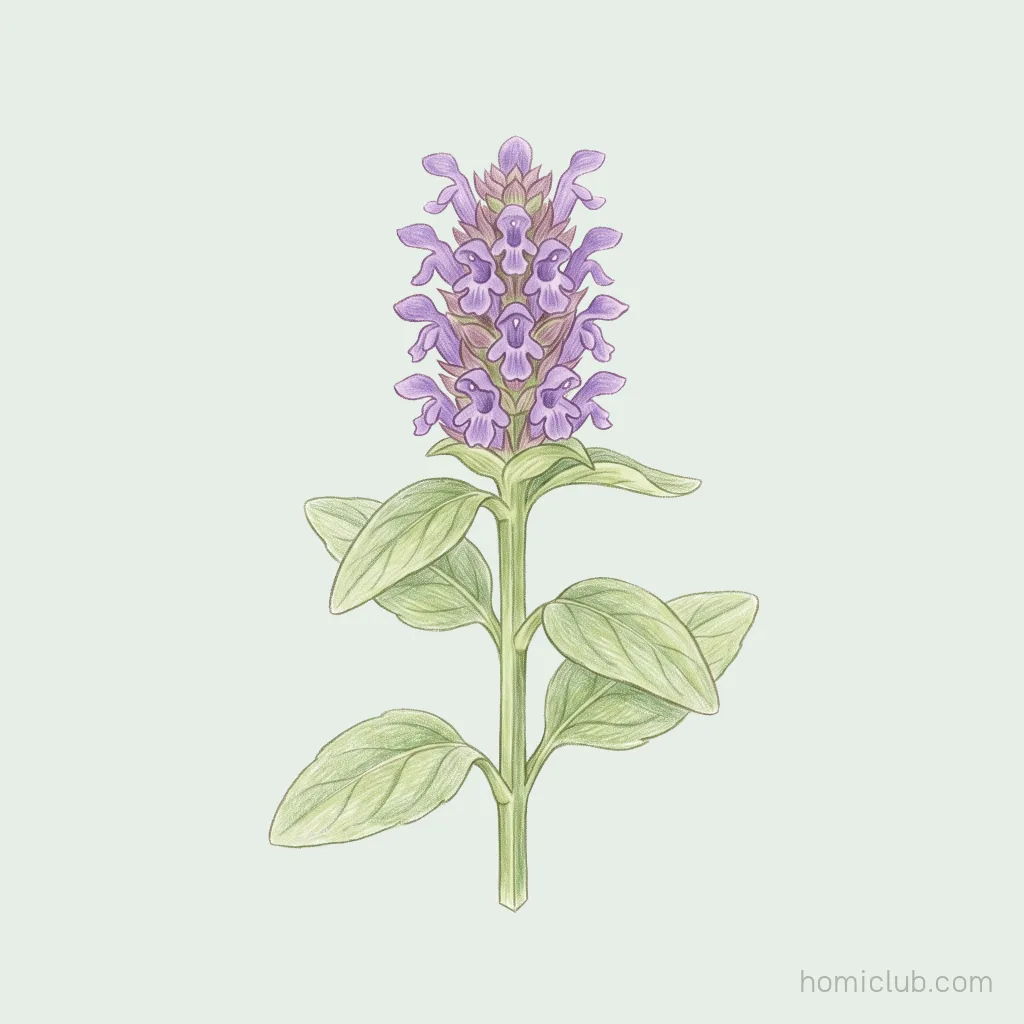
Wanggwa is a gourd-family vine known in Korean as jwichamoe. Yellow flowers open in the fifth month, the bullet-sized fruit turns from green to red, and the root runs thick like kudzu and full of starch. The text also records the alternate name togwa (土瓜).
Original, read line by line 東醫寶鑑 · Tangaek — Decoctions vol. 3
-
性寒一云平, 味苦, 無毒. 通血脉. 治天行熱疾, 酒黃病, 壯熱心煩.
Its nature is cold, though one account calls it neutral; its taste is bitter, and it is non-toxic. It opens the blood vessels. It treats epidemic febrile disease, jaundice from drink, and high fever with vexation of the heart.
HomiclubWanggwa is a gourd-family vine known in Korean as jwichamoe. It twines over hedges and hillside scrub, and in autumn its ripe fruit hangs conspicuously red.
-
止消渴, 消瘀血, 散癰腫, 落胎, 下乳汁.
It stops wasting-thirst, dissolves static blood, scatters abscesses and swellings, drops the foetus, and brings down breast milk.
-
處處有之, 葉似瓜蔞. 五月開黃花, 結子如彈丸, 生靑熟赤. 根似葛, 細而多糝. 一名土瓜. 三月採根, 陰乾. 《本草》
It is found everywhere, and its leaves resemble those of the snake gourd. In the fifth month it opens yellow flowers and sets fruit like a pellet, green when unripe and red when ripe. The root resembles kudzu, slender and full of starch. It is also called togwa (土瓜). Dig the root in the third month and dry it in the shade. 《Boncho (本草)》
HomiclubSmall fruit turning from green to red as it ripens is the readiest way to recognise jwichamoe. Its leaves resemble those of the snake gourd, but the colour of the fruit tells them apart.
Herbs — more entries
This is a cultural and historical record from a classical text, not a claim about any food’s effects. Nothing here is a health supplement or intended to prevent or treat disease. Consult a medical professional about health concerns. · Text: Korean Medicine Classics DB · Reading: Homiclub