
Tangaek — Decoctions · Herbs
𦻎薟 Huiryeom (희렴)

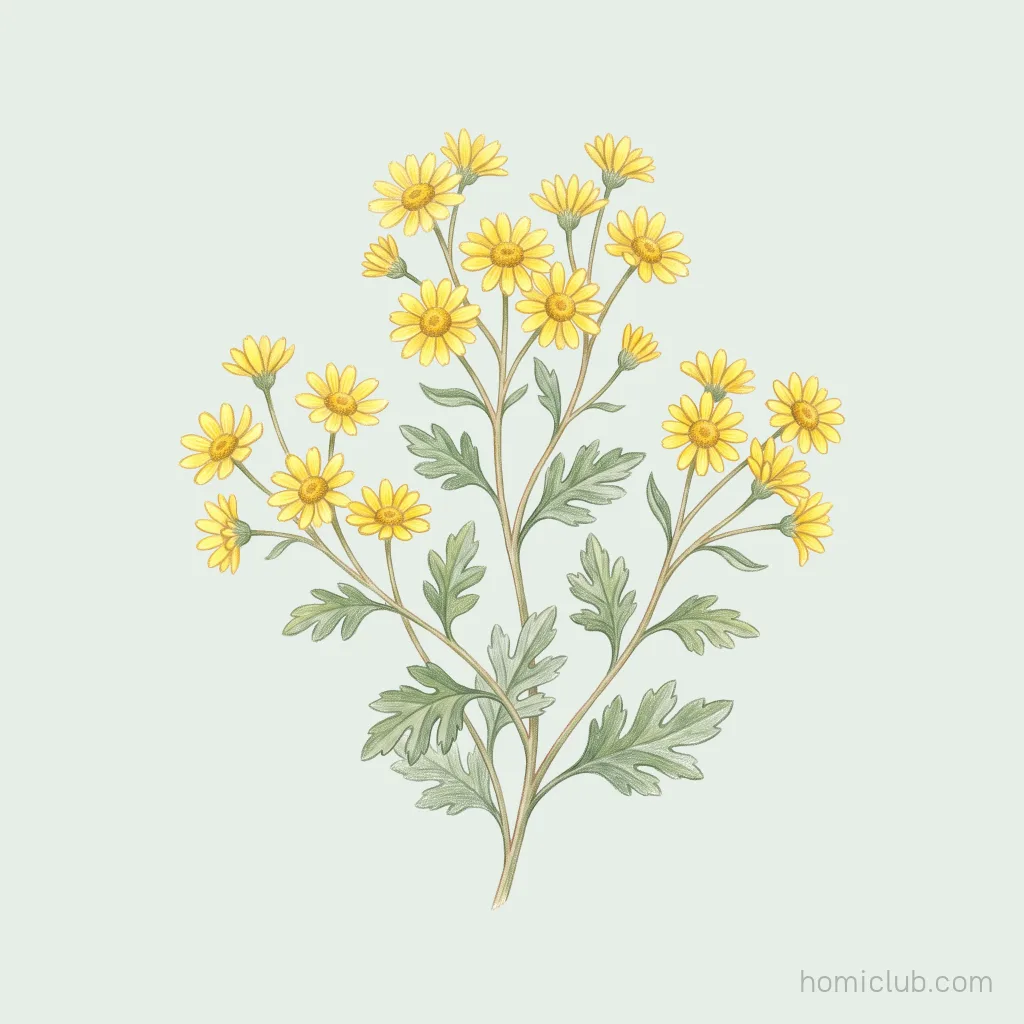
Huiryeom is the stem and leaf of St Paul's wort. The Korean name jindeukchal comes from the sticky hairs on its seed heads, which cling to clothing; the plant is common on roadsides and in open fields. Dongui Bogam notes its rank smell and says steaming and sun-drying carries it away.
Original, read line by line 東醫寶鑑 · Tangaek — Decoctions vol. 3
-
音喜杴. 性寒, 味苦, 有小毒.
It is pronounced huiheom (喜杴). Its nature is cold, its taste bitter, and it carries a slight toxicity.
-
主熱䘌煩滿.
It treats heat-induced sores and the feeling of vexation and fullness in the chest.
-
治風痺.
It treats wind impediment (pungbi).
-
有服食法. 詳見本經
There is a method for taking it as a regimen; for details see the Bongyeong (本經).
-
處處有之.
It is found everywhere.
-
一名火杴草.
It is also known by the name hwaheomcho (fire-shovel grass).
-
氣如猪薟氣, 經蒸暴則散.
Its odor resembles the rank smell of pig, but the smell dissipates once it is steamed and sun-dried.
-
五月五日, 六月六日, 九月九日採莖葉, 暴乾. 《本草》
The stems and leaves are gathered on the fifth day of the fifth month, the sixth of the sixth, and the ninth of the ninth, then sun-dried. 《Boncho (本草)》
Herbs — more entries
This is a cultural and historical record from a classical text, not a claim about any food’s effects. Nothing here is a health supplement or intended to prevent or treat disease. Consult a medical professional about health concerns. · Text: Korean Medicine Classics DB, collated with the Jangseogak copy of the 1613 wooden movable-type edition · Reading: Homiclub