
Tangaek — Decoctions · Herbs
黃芩 Sokseogeunpul (속서근풀)
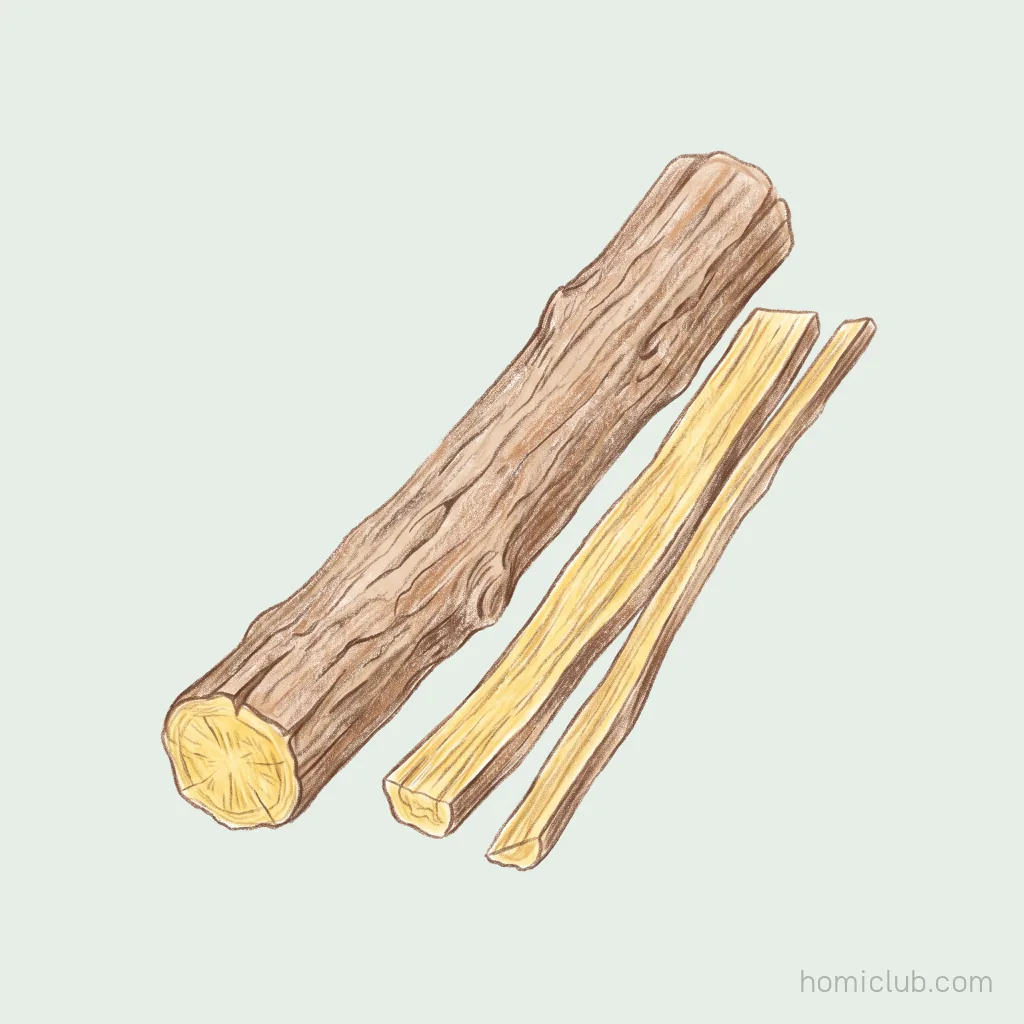
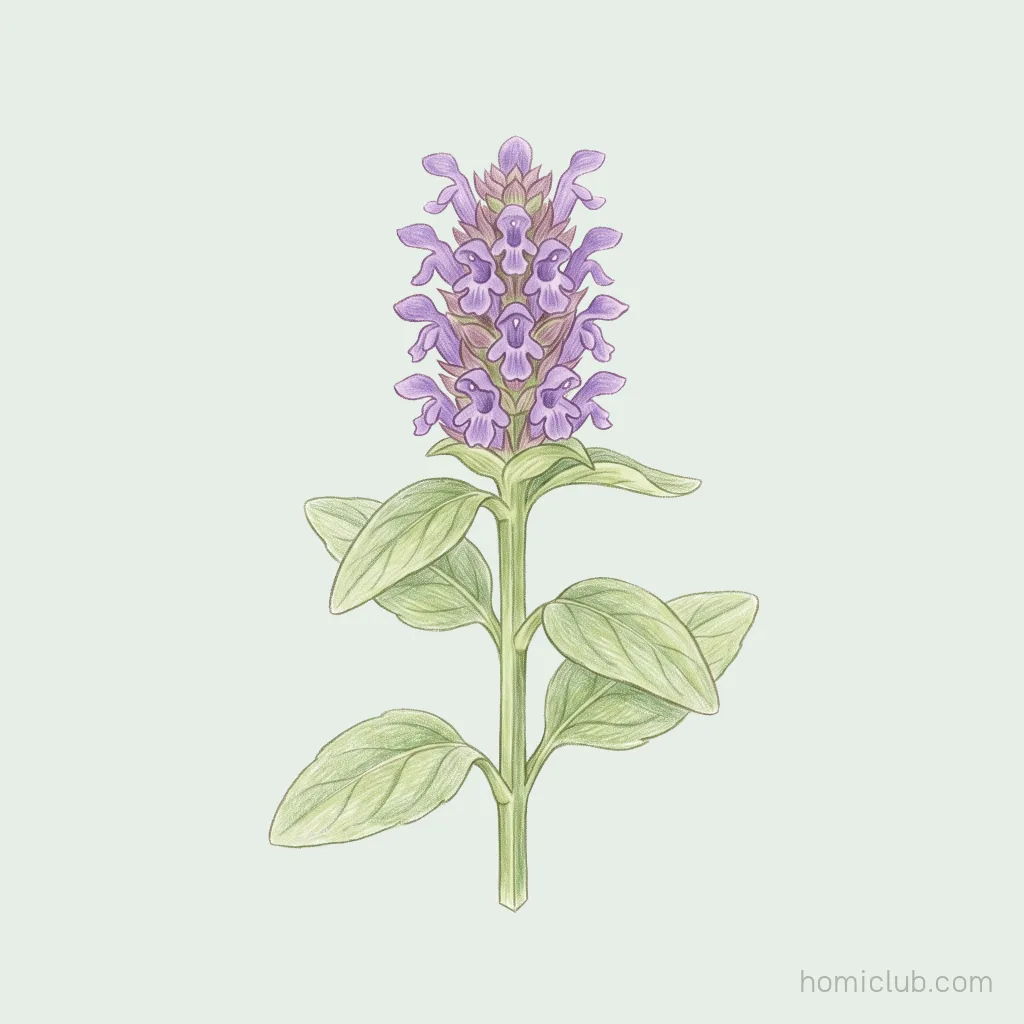
Hwanggeum is the root of Scutellaria baicalensis, a mint-family plant whose Korean name means 'the root that rots inside.' That hollowing earned it the old nickname bujang, and split the trade into hollow sukgeum and solid jageum. Common in open fields, it was picked deep-colored and firm, then sun-dried.
Original, read line by line 東醫寶鑑 · Tangaek — Decoctions vol. 3
-
性寒, 味苦, 無毒. 治熱毒骨蒸, 寒熱往來, 解熱渴.
Its nature is cold, its taste bitter, and it is non-toxic. It treats heat toxin and goljeung (骨蒸, steaming-bone fever), alternating chills and fever, and relieves thirst from heat.
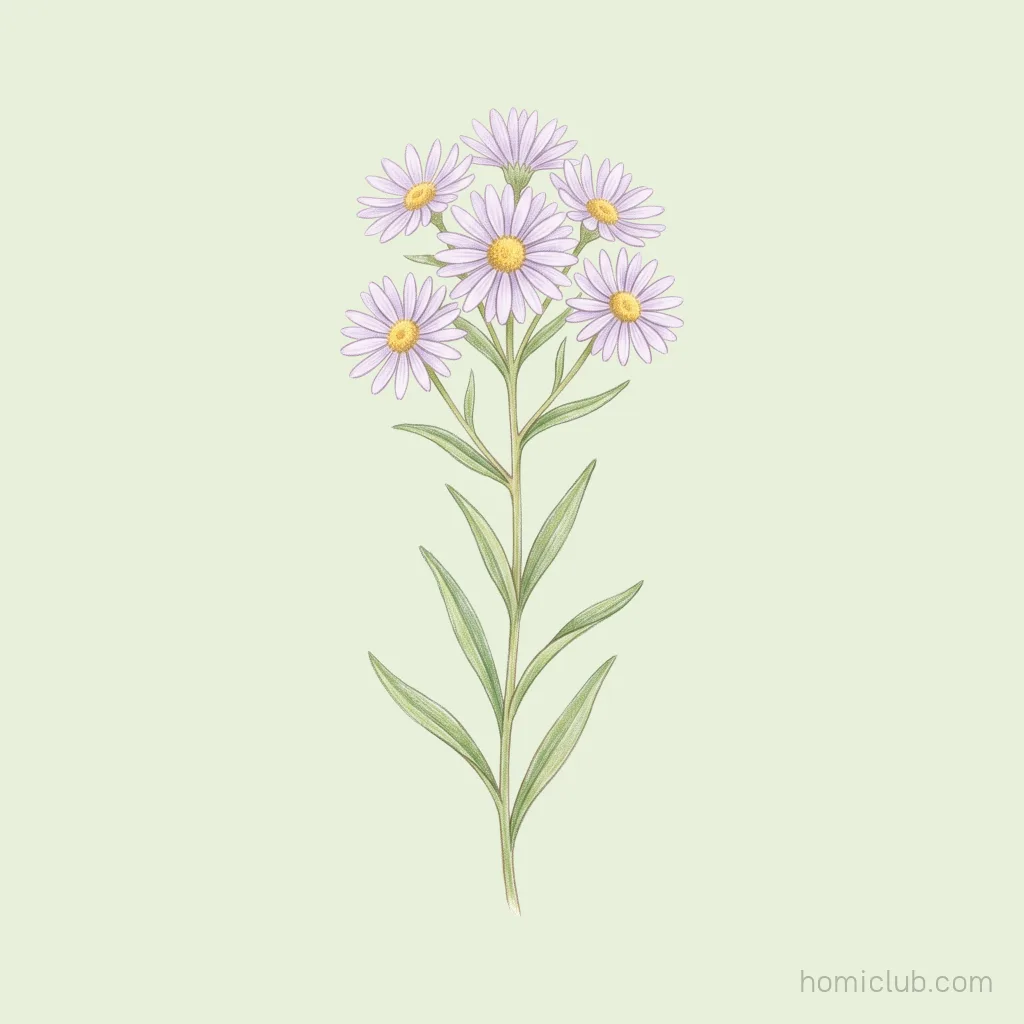
HomiclubHwanggeum is the root of sokseokeunpul (Scutellaria baicalensis), a mint-family perennial. It grows in sunny open ground, bearing one-sided racemes of blue-purple flowers in summer, and its root is yellow.
-
療黃疸, 腸澼泄痢, 痰熱胃熱, 利小腸.
It treats jaundice, jangbyeok (腸澼, dysenteric discharge) with diarrhoea, phlegm heat and stomach heat, and frees the small intestine.
-
治乳癰, 發背, 惡瘡, 及天行熱疾.
It treats breast abscess, carbuncle on the back, malignant sores, and epidemic febrile disease.
-
生原野, 隨處有之. 三月三日一云二月八月採根, 暴乾. 其腹中皆爛, 故一名腐腸.
It grows in open fields and is found wherever one goes. Dig the root on the third day of the third month — one account says in the second or eighth month — and dry it in the sun. Because its interior all rots away, it is also called bujang (腐腸, rotted bowel).
HomiclubIn older plants the core of the root decays and hollows out, which gave rise to the byname bujang, rotted bowel. The Korean name sokseokeunpul, rotted-core herb, comes from the same feature.
-
惟取深色堅實者, 爲好. 圓者名子芩, 破者名宿芩. 《本草》
Only those deep in colour and firm and solid should be chosen as good. The round ones are called jageum (子芩) and the split ones sukgeum (宿芩). 《Boncho (本草)》
-
中枯而飄, 故能瀉肺中之火, 消痰利氣, 入手太陰經.
Because its core is withered so that it floats, it can drain fire from within the lung, dissolve phlegm, and free the qi; it enters the hand taeeum channel.
-
細實而堅者, 治下部, 瀉大腸火, 入水而沈. 入藥, 酒炒上行, 便炒下行, 尋常生用. 《入門》
The slender, solid, hard ones treat the lower body and drain fire from the large intestine; placed in water they sink. When put into a formula, roasting with wine sends it upward and roasting with urine sends it downward; ordinarily it is used raw. 《Immun (入門)》
Herbs — more entries
This is a cultural and historical record from a classical text, not a claim about any food’s effects. Nothing here is a health supplement or intended to prevent or treat disease. Consult a medical professional about health concerns. · Text: Korean Medicine Classics DB · Reading: Homiclub