
Tangaek — Decoctions · Trees
山茱萸 Japanese Cornel (Sansuyu)
 Related Crop · Japanese Cornel (Sansuyu) →
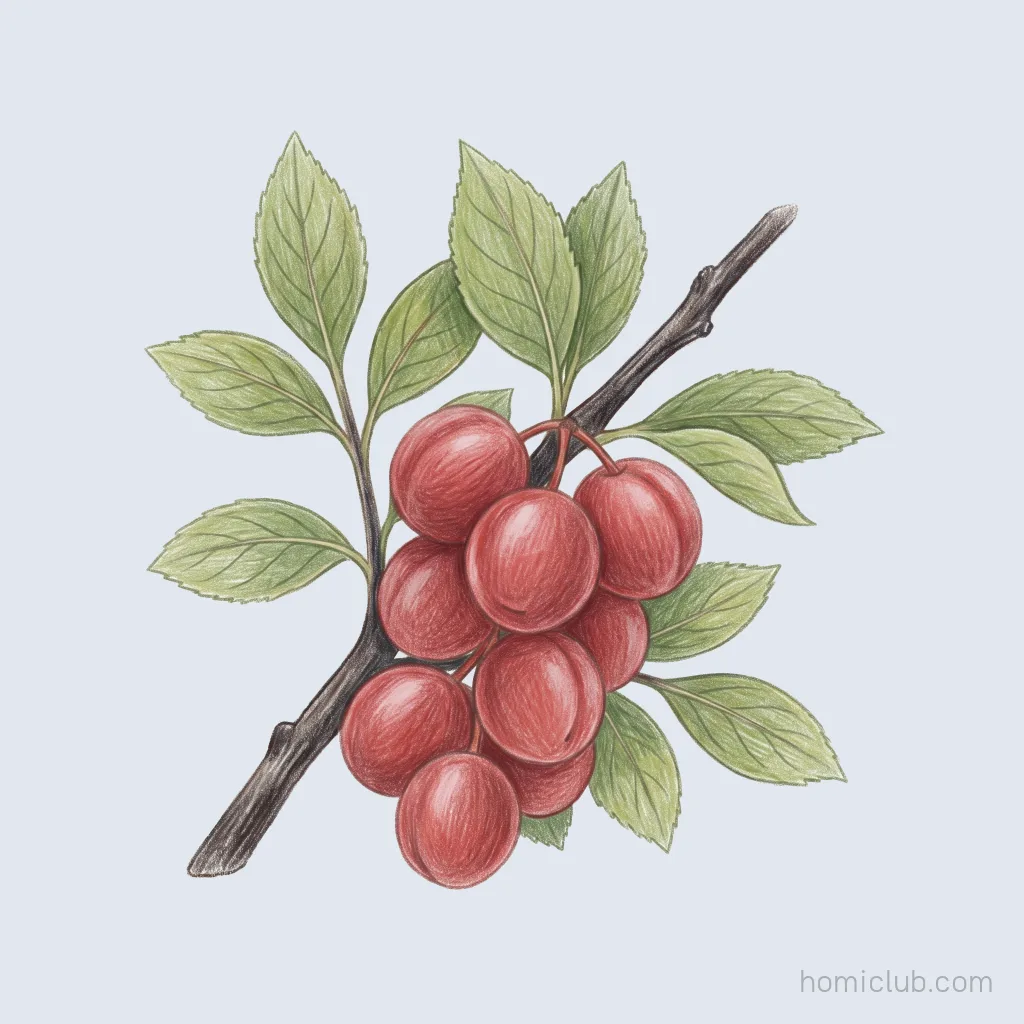
Sansuyu is the red fruit of the Cornelian cherry dogwood, the same sansuyu in the crop guide. Its yellow flowers open before the leaves in early spring, drawing festival crowds to Gurye and Icheon, and the fruit is dried for tea. Donguibogam says to pit the fruit and keep only the flesh.
Original, read line by line 東醫寶鑑 · Tangaek — Decoctions vol. 3
-
性微溫, 味酸澁, 無毒.
Its nature is slightly warm, its taste sour and astringent, and it is without toxicity.
-
强陰益精, 補腎氣, 興陽道, 堅長陰莖, 添精髓, 煖腰膝, 助水藏, 止小便利, 老人尿不節, 除頭風鼻塞耳聾.
It strengthens yin and boosts essence, supplements kidney qi, rouses the yang pathway, firms and lengthens the penis, adds to essence and marrow, warms the lower back and knees, aids the water viscus, stops frequent urination and an old person's uncontrolled urine, and removes head wind, nasal congestion and deafness.
-
在處有之.
It is found everywhere.
-
葉似楡, 花白.
Its leaves resemble the elm's, and its flowers are white.
HomiclubSansuyu opens clusters of yellow flowers in early spring, ahead of the leaves. The white flowers described here are carried over from the Chinese materia medica. The sansuyu villages of Sandong in Gurye and Baeksa in Icheon turn yellow every March.
-
子初熟未乾赤色, 大如枸杞子, 有核, 亦可啖.
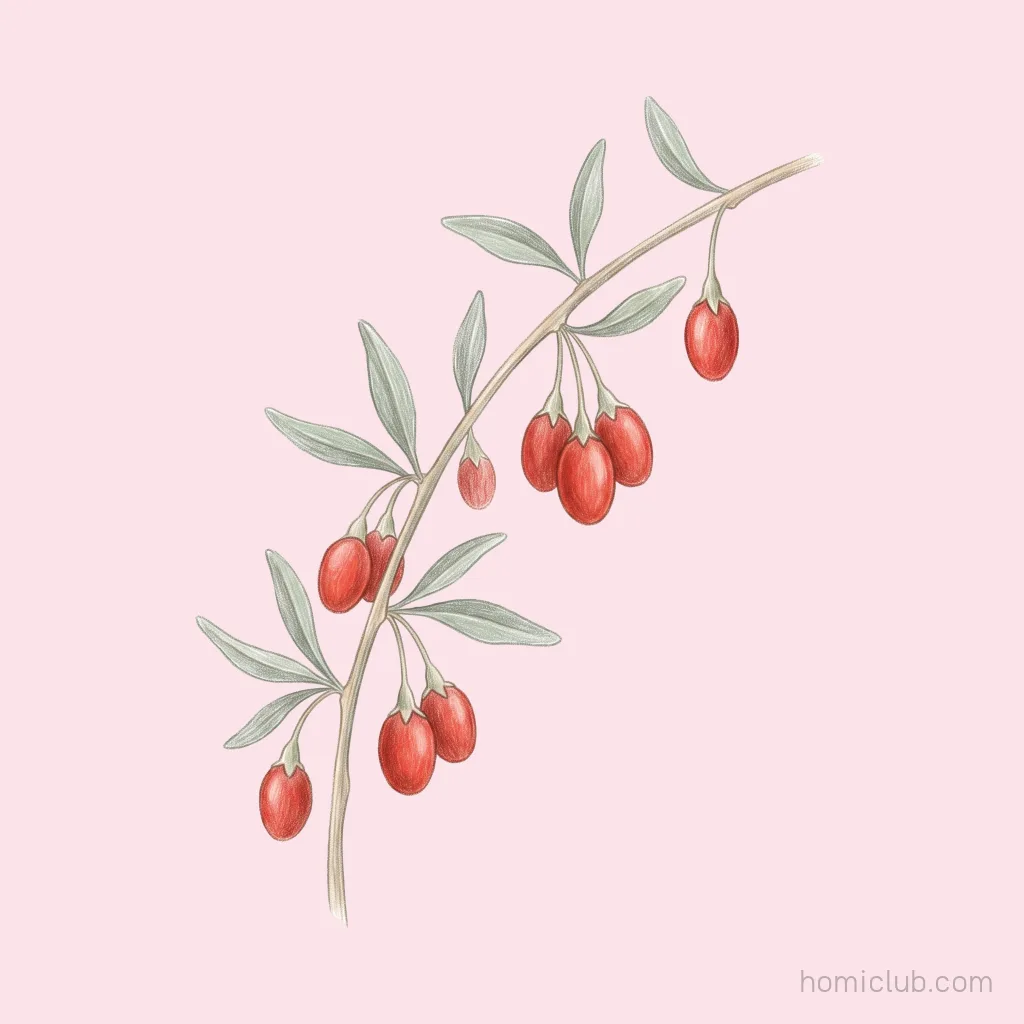
The fruit is red when newly ripe and not yet dried, the size of a goji berry, has a stone, and may also be eaten.
-
旣乾, 皮甚薄.
Once dried, the skin is very thin.
-
每一斤, 去核取肉皮四兩, 爲正.
From each catty, discarding the stones and taking four ounces of the fleshy skin is held to be the standard.
HomiclubStripping a catty of dried fruit down to flesh leaves about a quarter of the weight. Growers still pop the stones out by hand, a job they simply call pitting.
-
肉壯元氣秘精.
The flesh strengthens original qi and secures essence.
-
核能滑精, 故去之.
The stone makes essence slip away, and for that reason it is discarded.
-
九月十月採實, 陰乾. 《本草》
The fruit is gathered in the ninth and tenth months and dried in the shade. 《Bencao》
-
酒浸去核, 慢火焙乾用.
Steep it in liquor, remove the stones, and dry it over a gentle fire for use.
-
一名石棗. 《入門》
It is also called shizao, stone jujube. 《Rumen》
Related Crop
Japanese Cornel (Sansuyu) →
Trees — more entries

This is a cultural and historical record from a classical text, not a claim about any food’s effects. Nothing here is a health supplement or intended to prevent or treat disease. Consult a medical professional about health concerns. · Text: Korean Medicine Classics DB · Reading: Homiclub