
Tangaek — Decoctions · Herbs
山茨菰 Gamureut (가무릇)
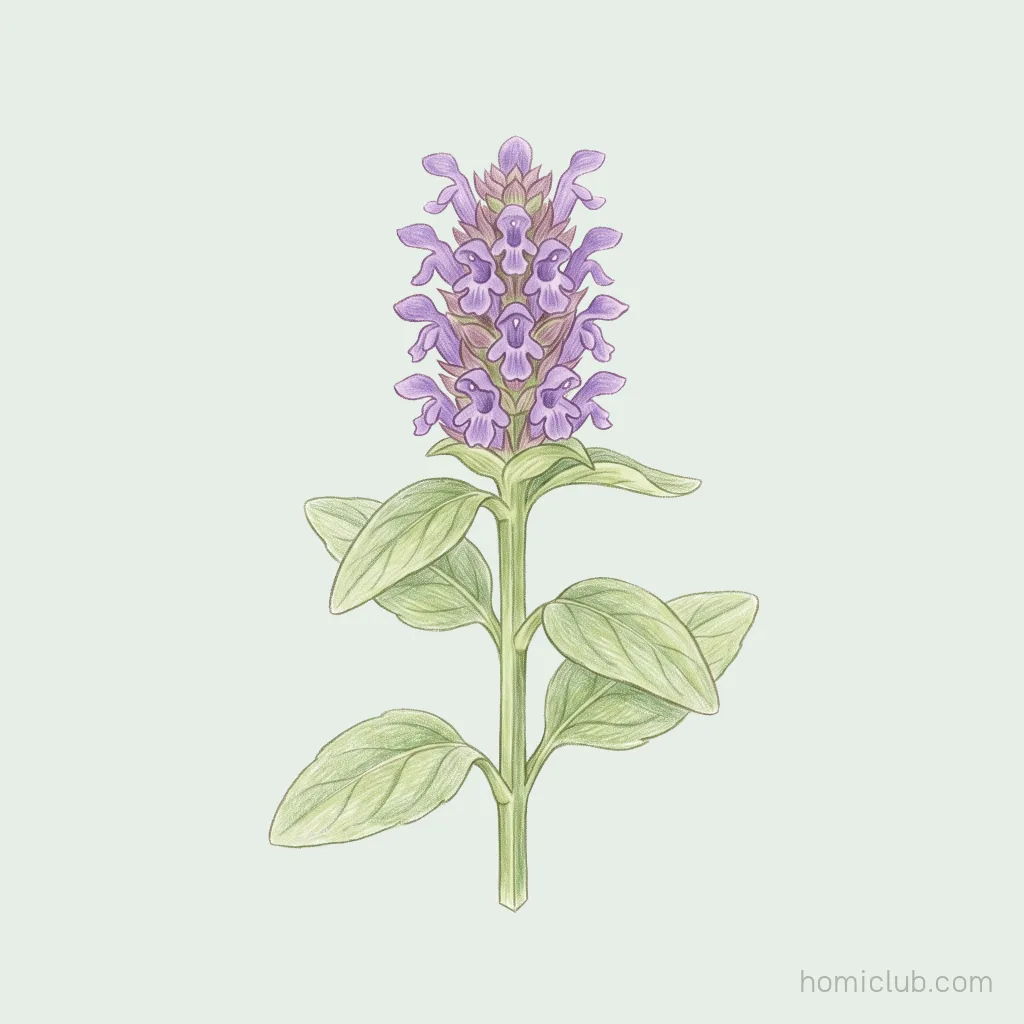
Sanjago is the bulb of a lily-family plant that grows on damp mountain slopes; its Korean name is gamureut. It hangs a white, lantern-shaped flower flecked with dark spots, which earned the folk name geumdeungnong, 'golden lantern'. The Donguibogam lists it in the herb section and compares its leaves to chives.
Original, read line by line 東醫寶鑑 · Tangaek — Decoctions vol. 3
-
有小毒. 主癰腫, 瘡瘻, 瘰癧, 結核, 去面上䵟𪒟.
Slightly toxic. It mainly treats carbuncles, festering sores, scrofula, and hard swellings, and clears dark blotches from the face.
-
葉如車前, 根如茨菰, 生山中濕地. 《本草》
Its leaves resemble plantain and its root resembles arrowhead; it grows in damp mountain ground. From Bencao.
-
俗名金燈籠, 花似燈籠, 色白, 上有黑點, 故以爲名.
Folks call it geumdeungnong, the golden lantern, because its bloom looks like a paper lantern—white with black dots on top—so the name stuck.
-
外用醋磨付之. 亦入丸散. 《入門》
For outside use, grind it in vinegar and apply to the spot; it also goes into pills and powders. From Yimun.
-
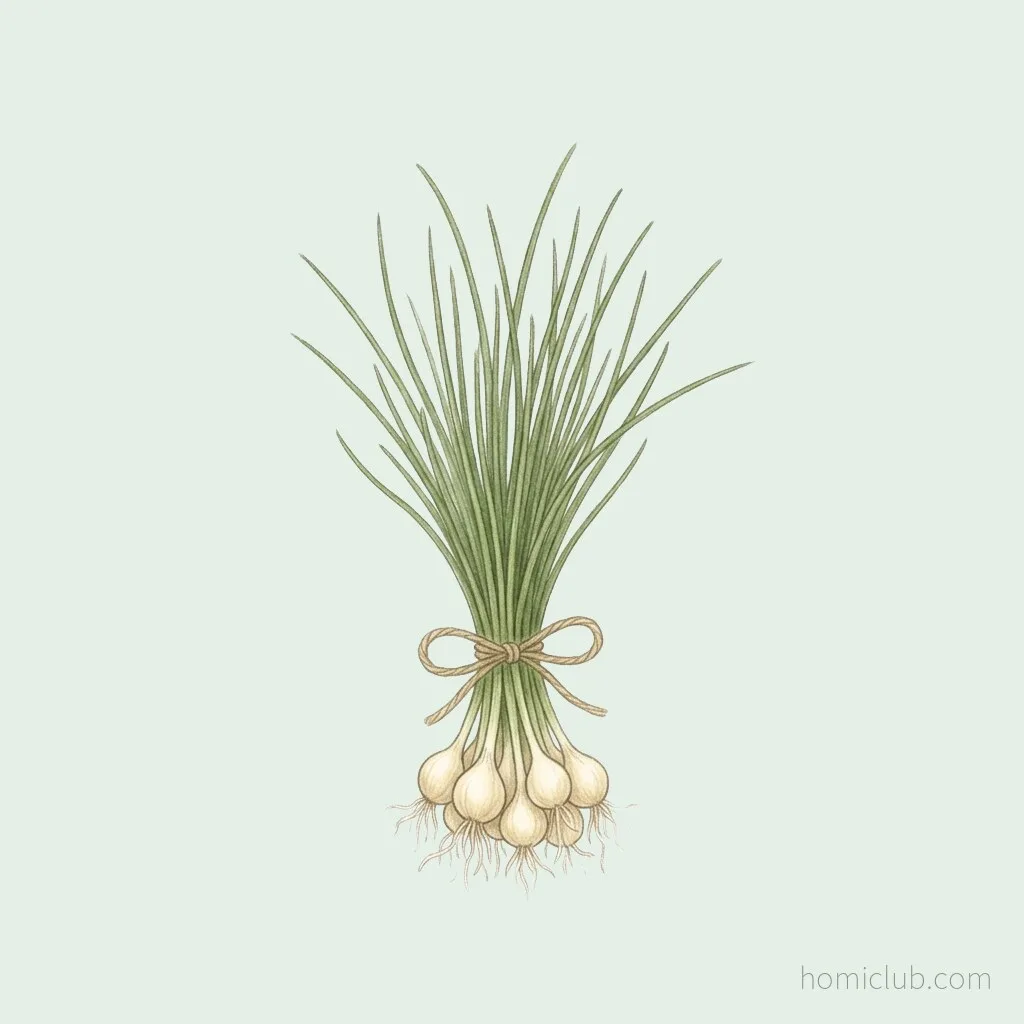
葉似韭, 花似燈籠, 結子三稜.
Its leaves look like chives, its flowers like lanterns, and its fruit forms in a three-sided shape.
-
二月長苗, 三月開花.
Sprouts rise in the second lunar month, and flowers open in the third.
-
四月苗枯, 卽掘地採根, 遲則腐爛.
By the fourth month the sprouts wither—dig at once and gather the root, for if you wait, it rots away.
-
其根上有毛包裹, 人不可識, 可於有苗時記其地, 至秋冬採之, 刮去皮, 焙乾. 《活心》
The root is wrapped in fine hairs and hard to spot in the soil, so mark the place while the sprout shows, then harvest in autumn or winter, peel the skin, and dry it over gentle heat. From Hwalsim.
Herbs — more entries
This is a cultural and historical record from a classical text, not a claim about any food’s effects. Nothing here is a health supplement or intended to prevent or treat disease. Consult a medical professional about health concerns. · Text: Korean Medicine Classics DB · Reading: Homiclub